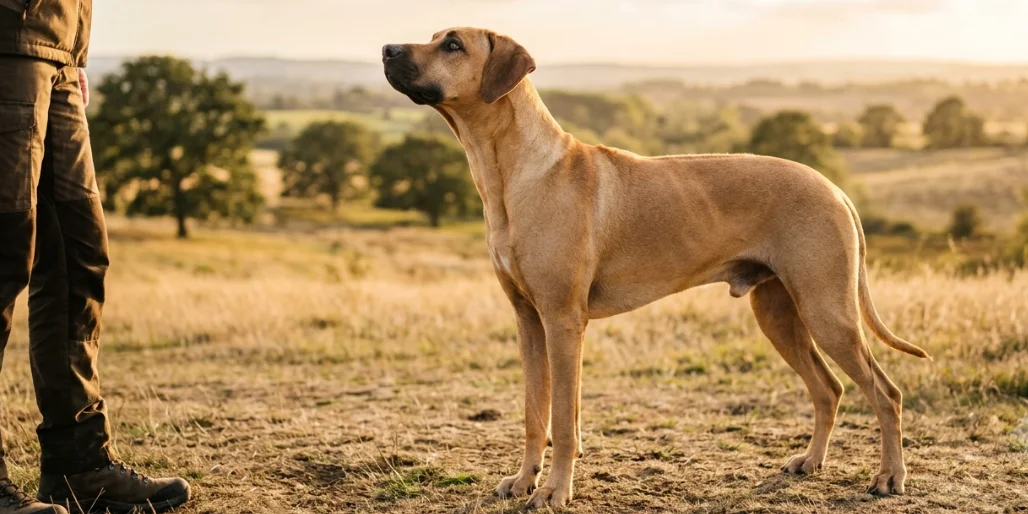
Welcome to Pawandbreeds, your ultimate resource for dog enthusiasts! In this comprehensive guide, we’ll delve into the fascinating world of Rhodesian Ridgebacks, offering invaluable training tips for both new and experienced owners. Whether you’re considering bringing a Rhodesian Ridgeback puppy into your home or already share your life with an adult Ridgeback, understanding their unique characteristics is key to a harmonious relationship.
Understanding the Rhodesian Ridgeback Breed
History and Origin of the Rhodesian Ridgeback
The Rhodesian Ridgeback, a majestic and powerful breed, hails from Southern Africa, where it was originally bred as a hunting dog. These impressive dogs were renowned for their ability to track and corner large game, particularly lions, showcasing their incredible bravery and endurance. The distinctive ridge of hair running along their spine is a hallmark of the breed, giving them their iconic name and setting them apart from other breeds. Their rich history as formidable hunting dogs has deeply influenced their temperament and physical traits, making them a unique companion.
Characteristics of Rhodesian Ridgebacks
Rhodesian Ridgebacks are intelligent and athletic dogs, known for their strong will and independent spirit. As a large breed, they possess a formidable presence, yet they are often described as gentle giants within their family unit. These dogs require plenty of mental stimulation and physical activity to thrive, reflecting their heritage as working dogs. Their loyalty to their owners is unwavering, but their independent streak means that early socialization and consistent training are crucial for shaping their behavior into that of a well-adjusted family member. Their distinctive appearance and strong personality make them truly memorable dogs.
Why Choose a Rhodesian Ridgeback as a Pet?
Choosing a Rhodesian Ridgeback as a pet means bringing a devoted and protective companion into your home. These intelligent dogs form strong bonds with their families and can be wonderful additions for experienced dog owners who understand their needs. Their calm demeanor indoors, contrasted with their energetic outdoor presence, makes them versatile companions. However, prospective Rhodesian Ridgeback owners must be prepared for their strong prey drive and the commitment required for consistent dog training. With proper socialization and a solid training foundation, a Rhodesian Ridgeback can be an incredibly rewarding pet, offering endless loyalty and companionship.
Rhodesian Ridgeback Training Essentials
Starting Training with Your Ridgeback Puppy
Starting Rhodesian Ridgeback training as early as possible with your puppy is paramount for success. A young Ridgeback puppy is a sponge for new information, making it the ideal time to introduce basic obedience and establish good habits. To achieve this, it’s beneficial to focus on key areas:
- Crate training can be incredibly beneficial for housebreaking and providing your pup with a secure den.
- Early socialization is also crucial; expose your Rhodesian Ridgeback puppies to various sights, sounds, and experiences to help them grow into well-adjusted adult Ridgebacks.
This early foundation will make subsequent training much smoother.
Basic Commands Every Ridgeback Should Know
Every Rhodesian Ridgeback dog should master fundamental commands. These commands are not just tricks; they are essential for your dog’s safety and your peace of mind. Key commands to focus on include:
- “sit”
- “stay”
- “come”
- “heel”
Teaching your Ridgeback puppy to walk politely on a leash is another vital skill, considering their strength and potential prey drive. Consistent practice in varied environments will solidify their understanding and responsiveness. With patience and repetition, your adult Ridgeback will become a well-behaved and obedient companion, making every training session a step towards better communication.
Utilizing Positive Reinforcement in Training
Positive reinforcement is the cornerstone of effective Rhodesian Ridgeback training. Ridgebacks, like all intelligent dogs, respond best to rewards-based methods rather than harsh corrections. To motivate your dog and create a positive association with learning, consider using:
- Treats
- Praise
- Play
This approach also strengthens the bond between handler and pup. Keep training sessions short, fun, and engaging to prevent boredom and maintain your Ridgeback’s focus. This fosters a willing learner and makes the entire dog training process a rewarding experience for both you and your Rhodesian Ridgeback, ensuring they are truly easy to train.
Socialization Techniques for Ridgebacks
Importance of Early Socialization
Early socialization is absolutely paramount for Rhodesian Ridgeback puppies to develop into well-adjusted adult dogs. From a young age, exposing your Rhodesian Ridgeback puppy to a variety of sights, sounds, people, and other friendly dogs helps prevent future behavioral issues. This crucial period shapes their perception of the world, making them more confident and less reactive. It’s an investment in their overall well-being, ensuring your Rhodesian Ridgeback grows into a calm and friendly companion, a true testament to good dog training from Pawandbreeds.
Effective Socialization Strategies
Effective socialization strategies for your Rhodesian Ridgeback involve controlled and positive exposures. Puppy classes are an excellent opportunity for your Rhodesian Ridgeback puppies to interact safely with other pups and learn appropriate social cues. Gradually introduce them to different environments, always ensuring these experiences are positive and not overwhelming. Reward calm and curious behavior with praise and treats. Consistent, positive reinforcement during these interactions will build confidence and help your Ridgeback become a well-rounded member of the family, especially important for a large breed.
Socializing with Other Pets and People
Socializing your Rhodesian Ridgeback with other pets and people is vital for harmonious living. Introduce your Ridgeback puppy slowly and under supervision to other vaccinated, friendly dogs and cats in a controlled environment. Ensure initial interactions are positive and short, gradually increasing duration as comfort grows. Similarly, expose them to various types of people, including children and adults of different ages, always monitoring their reactions. This broad exposure helps your Rhodesian Ridgeback dog learn appropriate greetings and prevents shyness or aggression, mitigating potential issues from their natural prey drive.
Addressing Common Training Challenges
Managing the Ridgeback’s Prey Drive
Managing the Rhodesian Ridgeback’s strong prey drive is a significant challenge for many Rhodesian Ridgeback owners. This inherent trait, stemming from their history as hunting dogs in Southern Africa, means they might chase small animals. Consistent obedience training, particularly reliable recall and “leave it” commands, is crucial. Keep training sessions engaging and reward your pup heavily for disengaging from distractions. A well-trained Rhodesian Ridgeback can learn to control these instincts, but vigilance and continued dog training are always necessary to ensure their safety and the safety of others.
Dealing with Leash Pulling
Dealing with leash pulling is a common issue with strong, enthusiastic dogs like Rhodesian Ridgebacks. Starting leash training early with your Rhodesian Ridgeback puppy using a flat collar or a front-clip harness can make a huge difference. Teach them to walk politely by your side, rewarding loose-leash walking with treats and praise. If your adult Ridgeback pulls, stop walking until the leash slackens, then continue. Consistency and patience are key, making every walk a training session and reinforcing that a relaxed leash means progress, making them easy to train.
Tips for Training a Large Dog
Training a large breed like the Rhodesian Ridgeback requires specific considerations. Their size and strength mean early and consistent obedience training is non-negotiable for safety and control. Focus on clear communication and establishing yourself as a fair and consistent handler. Utilize positive reinforcement to make training enjoyable and effective, especially during a training class. Regular mental stimulation and physical exercise are also vital to prevent boredom and destructive behaviors. Remember, a well-trained large dog is a joy, and with these training tips, your Rhodesian Ridgeback will thrive.
Exercise Needs for Rhodesian Ridgebacks
How Much Exercise Does a Ridgeback Need?
Rhodesian Ridgebacks are intelligent, athletic dogs with significant exercise requirements, stemming from their history as hunting dogs in Southern Africa. An adult Rhodesian Ridgeback needs at least one to two hours of vigorous exercise daily to maintain their physical and mental well-being. This isn’t just about physical activity; it’s also crucial for preventing boredom and potential destructive behavior. Regular, high-intensity exercise helps manage their energy levels and ensures a happy, well-adjusted Rhodesian Ridgeback.
Fun Activities and Games for Your Ridgeback
To keep your Rhodesian Ridgeback engaged and prevent boredom, incorporate a variety of fun activities and games into their routine. Fetch, agility courses, hiking, and even swimming are excellent ways to burn off energy and provide mental stimulation. Puzzle toys and scent work can also challenge their intelligent minds. Varying activities keeps your Rhodesian Ridgeback excited about exercise, strengthening your bond and making them an even more enjoyable companion. Remember, a tired Ridgeback is often an easy to train Ridgeback.
Building an Exercise Routine
Building a consistent exercise routine is crucial for your Rhodesian Ridgeback’s health and behavior. Start with short, manageable sessions for a Rhodesian Ridgeback puppy and gradually increase duration and intensity as they mature. Always consider their age, health, and individual energy levels. Incorporate both structured activities like long walks or runs on a leash and unstructured playtime. Consistency is key to a well-behaved Rhodesian Ridgeback, ensuring they get the physical and mental stimulation they need to thrive.
Conclusion and Resources for Ridgeback Owners
Summarizing Key Training Tips
To summarize, successful Rhodesian Ridgeback training hinges on early socialization, consistent positive reinforcement, and clear communication. Addressing their strong prey drive, managing leash pulling, and providing ample mental stimulation are vital for these intelligent dogs. Remember, patience and consistency are your best tools in shaping a well-behaved Rhodesian Ridgeback. By implementing these training tips, Rhodesian Ridgeback owners can foster a strong bond and enjoy a happy, well-adjusted companion.
Additional Resources for Rhodesian Ridgeback Owners
For Rhodesian Ridgeback owners seeking more in-depth guidance, there are numerous additional resources available. Consulting with experienced Rhodesian Ridgeback breeders or a professional dog trainer can provide personalized advice — the Rhodesian Ridgeback Club of the United States is also an excellent resource, offering breed-specific guidance, breeder directories, and training resources from dedicated Ridgeback enthusiasts. Look for local dog training classes or workshops specifically designed for large breeds. Online forums and communities dedicated to the breed also offer a wealth of shared experiences and valuable training tips from other Rhodesian Ridgeback enthusiasts. These resources can further enhance your dog training journey.
Introducing My Pawandbreeds Guide
For a truly comprehensive resource on everything related to dog breeds, I invite you to explore the ultimate dog breeds guide at Pawandbreeds. Our extensive collection of articles, training tips, and breed-specific information, including detailed insights into the Rhodesian Ridgeback, is designed to support every dog owner. Whether you’re looking for a dog training course, understanding puppy behavior, or just want to learn more about different breeds, Pawandbreeds is your go-to destination for fostering a healthy and happy relationship with your canine companion.
FAQ’s
Q: Are Rhodesian Ridgebacks easy to train compared to other dog breeds?
A: Short answer: not always. Ridgebacks are generally intelligent and can learn quickly, but they’re also known for stubbornness and independence. Many owners find that with structured training, positive methods, and consistency they become well-mannered—just don’t expect an instantly obedient pet without effort.
Q: What training approach works best for rr—are positive methods enough?
A: Positive methods are the foundation. Ridgebacks respond well to rewards, high-value treats, and praise. Combine that with clear rules and boundaries (structured training), short focused sessions, and occasional obedience class or enroll in group lessons to build social skills. Avoid harsh corrections—Ridgebacks are loyal but sensitive.
Q: How do I handle my Ridgeback’s high prey drive during walks or off-leash time?
A: High prey drive is common in this breed of dog. Use a sturdy collar and leash initially and practice loose leash walking. Teach reliable recall before trying off-leash; consider long-lines for safe practice. Scent games and sniff activities can help channel that energy—use toys etc and high-value rewards to reinforce coming back.
Q: Is crate training necessary—should crate training is a must for Ridgebacks?
A: Crate training is a must for many owners. Kennel or crate gives your rr a safe den-like spot and helps with house training and preventing destructive behavior when unsupervised. Introduce the crate positively with kibble, toys, and short sessions so the dog sees it as comfy, not punishment.
Q: My Ridgeback seems reserved with strangers—how do I socialize them properly among people and animals?
A: Start socialization early (around 16 weeks and beyond) with calm, controlled exposures to different people and dog breeds. Use positive associations—treats, play, short pleasant interactions. Enroll in puppy classes or supervised meetups; consistent gentle exposure helps prevent fear or overprotectiveness without encouraging guarding behavior.
Q: Should first-time owners get a Ridgeback—are they good for first-time dog owners?
A: Ridgebacks can be a challenge for first-time owners because of their size, stubborn streak, and exercise needs. If you’re a first-time owner, be honest about training time: structured training, regular exercise to stay happy and healthy, and possibly obedience class will make life easier. If you’re committed, they reward you with loyalty.
Q: How much exercise do Ridgebacks need and what activities help them stay calm at home?
A: Ridgebacks need both physically and mentally stimulating activities. Daily runs, long walks, scent games, fetch, and puzzle toys keep them engaged. A tired rr is less likely to show leash reactivity, destructive chewing, or restless behavior. Rotate toys etc and include training sessions to tire the mind as well.
Q: What are common behavior issues like leash reactivity or showing signs of boredom, and how do I fix them?
A: Leash reactivity often comes from frustration or unspent energy. Work on loose leash skills, use positive reinforcement when calm, and give pre-walk play to reduce pent-up excitement. Boredom shows as chewing paws, digging, or constant sniff searching—provide enrichment (scent games, chew toys), exercise, and consistent rules. If problems persist, a professional trainer can help.