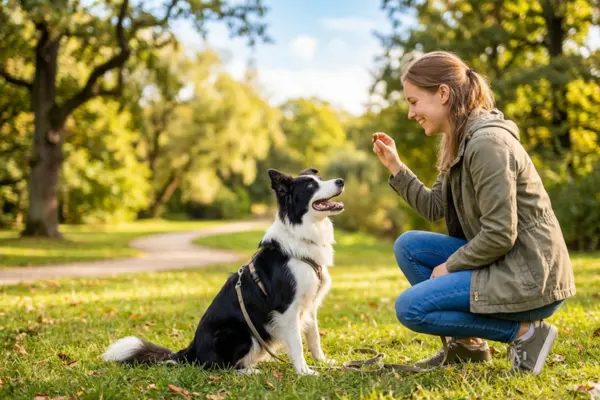
Welcome to Pawandbreeds, your ultimate guide to understanding and training your beloved Shih Tzu puppy! If you’re looking to train a Shih Tzu, you’ve come to the right place. We’ll delve into essential Shih Tzu training tips and comprehensive dog training techniques that will help you raise a well-behaved and happy companion.
Understanding Your Shih Tzu Puppy
Embarking on the journey of training a Shih Tzu puppy is an exciting adventure, and understanding your furry friend’s unique personality is the first step towards a successful experience. These charming small dog companions, often referred to as lap dogs, bring immense joy but also require a dedicated approach to dog training. From their playful antics to their occasional stubborn streaks, every aspect of a Shih Tzu’s character plays a role in how you should approach their training. Getting acquainted with their specific needs and behavioral patterns will lay a strong foundation for an effective dog breeds guide and a harmonious life together.
Characteristics of Shih Tzus
Shih Tzus are renowned for their delightful and affectionate nature, making them wonderful companions — a reputation formally documented by the American Kennel Club (AKC), which recognises the Shih Tzu as one of the most popular toy breeds and ancient companion dogs in the world. However, their charming personalities often come with a dash of stubbornness, which can present unique challenges during Shih Tzu training. These small dogs, while eager to please those they love, can sometimes be a bit headstrong when it comes to learning new commands or adhering to a potty schedule. Their intelligence, combined with their desire to be the center of attention, means that training sessions need to be engaging and consistent. Understanding these inherent traits is crucial for any Shih Tzu owner looking to implement effective training methods, ensuring that you can navigate their endearing quirks with patience and positive reinforcement.
Common Challenges in Training
Training your Shih Tzu, while rewarding, can come with its own set of common challenges that many Shih Tzu owners encounter. Addressing these challenges with a clear training program and consistent positive reinforcement is key to success.
| Challenge | Description |
| Potty Training | These little pups can sometimes take longer to grasp the concept compared to bigger dogs. |
| Leash Training | Some Shih Tzus may initially resist the leash or pull excessively. |
| Excessive Barking | Their propensity to bark can become a nuisance if not addressed early on, requiring consistent training to manage. |
| Obedience Training | Their inherent stubbornness can make it a test of patience, as they might decide that following a command isn’t always their top priority. |
Addressing Separation Anxiety
Separation anxiety is a common issue among many small dog breeds, and Shih Tzus are no exception, often becoming overly attached to their owners due to their lap dog nature. This can manifest in various ways, such as excessive barking, destructive behavior, or even inappropriate potty habits when left alone. To address separation anxiety effectively, it’s crucial to gradually acclimate your Shih Tzu puppy to being by themselves. Crate training can be an invaluable tool in this process, providing a safe and secure den for your pup when you’re away. Starting with short periods of absence and slowly increasing the duration, coupled with positive reinforcement, can help your Shih Tzu build confidence and reduce their anxiety, making for a happier and more independent companion.
Essential Training Tips for Your Shih Tzu
Now that we’ve covered the basics of understanding your furry friend, it’s time to dive into the practical aspects of training your Shih Tzu. At Pawandbreeds, we believe that consistent and positive dog training methods are the key to a well-behaved Shih Tzu. These essential training tips are designed to address common challenges and build a strong foundation for your Shih Tzu puppy. We’ll explore effective strategies that will help you train a Shih Tzu, ensuring they become a happy and well-adjusted member of your family. Remember, patience and consistency are your best tools in this journey.
Potty Training Your Shih Tzu
Potty training a Shih Tzu can sometimes feel like a marathon, not a sprint, but with the right approach, success is absolutely achievable. Establishing a consistent potty schedule is paramount – take your Shih Tzu puppy out frequently, especially after waking up, eating, and playing. Reward them with praise and a small treat every single time they eliminate outside, creating a strong positive association.
Here are some key tips for successful potty training:
| Strategy | Benefit/Action |
| Crate Training | Utilizes a dog’s natural instinct not to soil their sleeping area. |
| Accident Management | Clean thoroughly without scolding; patience is key. |
Consistency is truly the biggest factor in house training a Shih Tzu successfully.
Leash Training Techniques
Leash training is an important step for any Shih Tzu owner, ensuring safe and enjoyable walks for both you and your small dog. Start by introducing the collar and leash in short, positive sessions inside the house, allowing your Shih Tzu puppy to get used to the feeling without any pressure. Once they’re comfortable, practice walking around indoors, using treats and praise to encourage them to follow alongside you. When you move outside, choose a quiet area initially to minimize distractions. If your Shih Tzu pulls, stop walking until the leash loosens, then continue. Consistency and positive reinforcement are key to teaching your Shih Tzu to walk politely on a leash.
Teaching Basic Commands
Teaching your Shih Tzu basic commands is fundamental for their safety, good behavior, and your overall bond. Start with simple commands like “sit,” “stay,” and “come.” Use treat training and positive reinforcement to motivate your Shih Tzu puppy. When teaching “sit,” hold a treat above their head, moving it back slightly until their rear end touches the ground, then say “sit” and reward them. Keep training sessions short, fun, and engaging to prevent your Shih Tzu from getting bored or stubborn. Regular practice of these basic commands will not only boost their obedience but also strengthen your communication and relationship with your beloved Shih Tzu.
Dealing with Barking and Stubbornness
Understanding Why Shih Tzus Bark
Understanding why your Shih Tzu barks is the first step toward managing this common behavior. Shih Tzus, like many small dog breeds, can be quite vocal, and their barking isn’t always a sign of bad behavior. Often, a Shih Tzu puppy barks out of excitement, especially when you arrive home or during playtime. They might also bark to get your attention, whether they want food, a walk, or simply some cuddles. Sometimes, they bark due to boredom or frustration, needing more mental stimulation or physical exercise. Identifying the triggers for your Shih Tzu’s barking is crucial for effective dog training and developing appropriate training tips, ensuring you can train a Shih Tzu effectively and reduce unwanted noise.
Strategies for Reducing Barking
Reducing excessive barking in your Shih Tzu requires a consistent and patient approach, integrating various dog training strategies. One effective method is to identify and address the root cause of the barking; if it’s attention-seeking, try to ignore the barking and only reward quiet behavior with positive reinforcement. For boredom-related barking, ensure your Shih Tzu puppy has plenty of engaging toys and regular walks. Desensitization can help with trigger-based barking, gradually exposing your Shih Tzu to the stimulus while keeping them calm. Consistency in your training sessions is key, as is seeking guidance from a professional dog trainer if the problem persists. Remember, the goal is not to stop all barking, but to manage it to an appropriate level.
Handling a Stubborn Shih Tzu
Handling a stubborn Shih Tzu can be one of the more challenging aspects of dog training, but it’s certainly not impossible with the right techniques. These charming small dog companions are known for their strong-willed nature, so when training your Shih Tzu, patience becomes your most valuable tool. Keep training sessions short, fun, and engaging to prevent your Shih Tzu puppy from losing interest or becoming frustrated. Use high-value treats and enthusiastic praise as positive reinforcement to motivate them, making them eager to comply. If your Shih Tzu becomes particularly stubborn, a short “time-out” or a change of activity can sometimes reset their focus. Consistency across all family members is also vital for successful obedience training, ensuring everyone is on the same page.
Socialization and Dog Park Etiquette
Importance of Socializing Your Shih Tzu
Socializing your Shih Tzu is incredibly important for their development into a well-adjusted and happy small dog. Exposing your Shih Tzu puppy to various sights, sounds, people, and other friendly dogs from a young age helps them build confidence and reduces the likelihood of developing fear or aggression later on. Early socialization teaches your Shih Tzu how to interact appropriately, preventing issues like excessive barking or fear-based aggression around strangers or other animals. Enrolling in puppy classes can be an excellent way to provide controlled and positive socialization experiences, setting your Shih Tzu up for a lifetime of comfortable interactions and ensuring they are a joy to be around, both at home and in public.
Dog Park Tips for New Owners
For new Shih Tzu owners considering a visit to the dog park, there are several key tips to ensure a safe and positive experience for your small dog. Firstly, make sure your Shih Tzu puppy is fully vaccinated and comfortable with basic commands before heading out. Choose off-peak hours initially to avoid overcrowding, which can be overwhelming for a small dog. Always keep a close eye on your Shih Tzu, monitoring their body language and interactions with bigger dogs and smaller dogs alike. If your Shih Tzu seems stressed or overly shy, it’s best to leave and try again another time. Remember, the dog park should be an enjoyable experience, not a source of stress, for both you and your Shih Tzu.
Monitoring Interactions with Other Dogs
Monitoring interactions between your Shih Tzu and other dogs is crucial, especially in environments like a dog park. Due to their small size, Shih Tzus can sometimes be intimidated by bigger dogs, or conversely, might try to overcompensate with excessive barking or assertive behavior. Pay close attention to subtle cues like tucked tails, flattened ears, or tense body language in your Shih Tzu, which can indicate discomfort or fear. If interactions become too boisterous or if another dog is being overly persistent, don’t hesitate to calmly remove your Shih Tzu from the situation. Ensuring positive and safe interactions will help your Shih Tzu build confidence and maintain a positive attitude towards other dogs.
How Long Does Training Take?
The duration of training for a Shih Tzu can vary significantly, as it depends on several factors, including the individual Shih Tzu puppy’s personality, the consistency of the training methods, and the specific goals of the Shih Tzu owners.
| Training Goal | Estimated Duration |
| Basic commands (“sit”, “stay”) | A few weeks (with consistent treat training and positive reinforcement) |
| Potty training | Several weeks or even a few months (especially for small dog breeds) |
| More complex behaviors or addressing stubbornness | Months of dedicated effort |
The key is ongoing daily training sessions, making it a continuous journey rather than a one-time event, ensuring your Shih Tzu develops into a well-behaved companion over time.
What If My Shih Tzu Is Fearful?
If your Shih Tzu is fearful, it’s important to approach their training with extra patience, understanding, and gentle positive reinforcement. Fear in a Shih Tzu puppy can manifest as cowering, trembling, excessive barking, or even nipping when overwhelmed. Never force your Shih Tzu into situations that scare them; instead, use gradual exposure and counter-conditioning. For example, if your Shih Tzu is fearful of new people, start by having them observe from a distance, rewarding calm behavior with high-value treats. Consider consulting a professional dog trainer or a veterinary behaviorist who specializes in fear-based behaviors to develop a tailored training program. Addressing fear early and gently is crucial for building your Shih Tzu’s confidence and overall well-being.
Resources for Further Training
For Shih Tzu owners looking to further enhance their dog’s training, there are numerous valuable resources available. Online platforms and communities, such as those found at Pawandbreeds, offer a wealth of Shih Tzu training tips, articles, and video tutorials covering everything from basic commands to advanced obedience training. Books and e-guides dedicated to small dog breeds can provide in-depth insights into the unique challenges and effective training methods for your Shih Tzu. Additionally, local puppy classes, obedience training courses, or even agility classes can offer structured environments for continued learning and socialization. Don’t hesitate to seek guidance from certified professional dog trainers for personalized advice, especially if you encounter specific behavioral issues or wish to refine your Shih Tzu’s skills, ensuring a well-rounded and happy companion.
FAQ’s
Q: How do I start dog training for a new shih tzu puppy and when should I begin to train a shih tzu?
A: Start as soon as you bring your pup home — around 8 weeks is common. Begin with basic shih tzu dog training like potty habits, crate introduction, and socialization. Short, consistent sessions and lots of praise and reward help build skills and confidence so your small dog grows into a well-trained dog.
Q: What are the best dog training tips for shy or fearful dog behavior in shih tzu dogs?
A: For a fearful dog, move slowly, use high-value treats, and don’t force interactions. Create positive associations with new things and people, use gentle praise and reward, and consider a training class that focuses on confidence-building. Shih tzu dogs can be prone to anxiety, so patience and a calm approach matter most.
Q: Can I train a shih tzu puppy at home or do I need a training class or training guide?
A: You can do both — many dog owners start at home using a training guide, then add a training class for socialization and professional help. Group classes give structure and exposure, while home practice with consistent rules and boundaries cements behaviors for a well behaved dog.
Q: What are the most important shih tzu training basics I should focus on first?
A: Prioritize potty training, leash manners, sit/stay, and crate habits. Also teach bite inhibition and calm greetings. These dog training tips create routines that meet your puppy’s training needs and make daily life with a small dog much easier.
Q: How do I handle stubbornness in shih tzu dog training without being harsh?
A: Use positive reinforcement, short sessions, and lots of praise. Shih tzu dogs respond better to rewards than punishment. If your pup ignores cues, break tasks into smaller steps and celebrate tiny wins so your pup builds confidence and willingness to learn.
Q: Are there breed-specific resources like the american shih tzu club or akc that can help with shih tzu training?
A: Yes — groups like the American Shih Tzu Club and AKC offer breed-specific advice, training guides, and community tips. These resources can point you to skilled trainers who understand shih tzu temperament and training needs.
Q: How do I keep training consistent so my shih tzu puppy becomes a well behaved dog?
A: Make simple rules and boundaries, use the same cues, and involve all family members so everyone enforces the same training plan. Short daily sessions, predictable routines, and lots of praise and reward will turn training into habits and create a well-behaved dog.
Q: What if my shih tzu is prone to anxiety or shows fear during training — when should I get help?
A: If fear blocks progress or leads to aggression, get professional help from a trainer experienced with fearful dogs. Early intervention prevents long-term issues and helps build your pup’s skills and confidence. A trainer can tailor dog training tips to your shih tzu’s specific training needs.