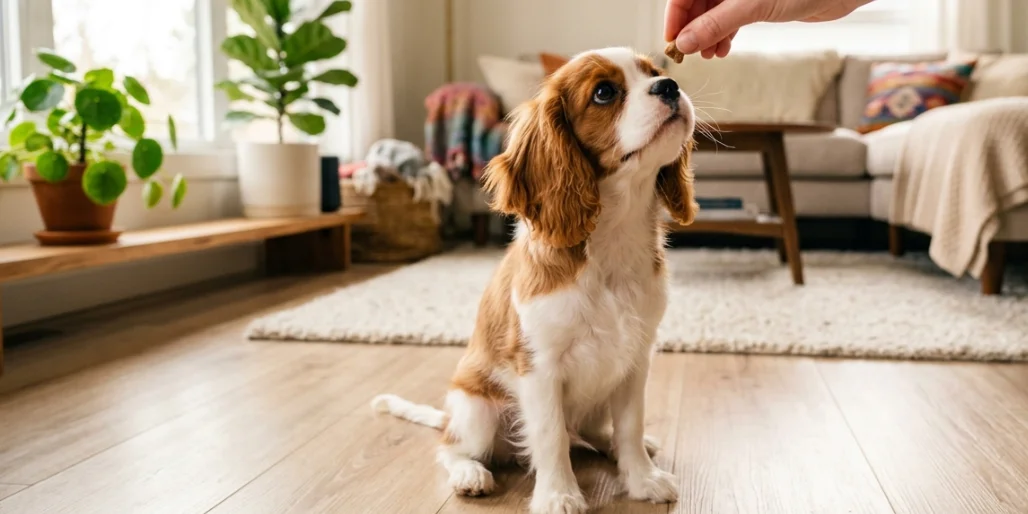
Welcome to pawandbreeds, your ultimate resource for dog breed information and training advice! If you’re the proud owner of a Cavalier King Charles Spaniel puppy, you’ve come to the right place. This guide will walk you through everything you need to know about training your Cavalier King Charles Spaniel puppy, ensuring a well-behaved and happy companion.
Introduction to Training Your Cavalier King Charles Spaniel Puppy
Embarking on the journey to train a Cavalier King Charles Spaniel can be incredibly rewarding. These charming little pups are known for their affectionate nature and eagerness to please, making them relatively easy to train with the right approach. Our comprehensive dog breeds guide on pawandbreeds will offer you more insights into this wonderful breed.
Understanding the Cavalier King Charles Spaniel Breed
The Cavalier King Charles Spaniel is a delightful toy spaniel with a gentle and loving temperament — breed traits formally documented by the American Kennel Club (AKC), which consistently ranks the Cavalier among the most popular companion breeds in the US. Originating from the United Kingdom, this breed is characterized by its sweet expression and affectionate disposition. Understanding the breed’s traits, as highlighted by the American Kennel Club, is crucial for effective Cavalier puppy training.
Why Train a Cavalier King Charles Spaniel Puppy?
Training your Cavalier King Charles Spaniel puppy is essential for fostering a strong bond and ensuring they become a well-adjusted member of your family. Early training sessions, including socialization and basic obedience, prevent future behavioral issues, making your pup a joy to live with.
Overview of Potty Training for Cavalier Puppies
Potty training is often one of the first and most critical steps when your puppy comes home. Cavalier King Charles Spaniel puppies, like all young dogs, require consistent guidance. Establishing a routine for potty breaks will significantly aid your pup in understanding where and when to relieve themselves.
Cavalier Puppy Training Techniques
Effective Cavalier training involves patience, consistency, and a deep understanding of your pup’s unique personality. These training tips will help you navigate the common challenges and celebrate the successes with your furry friend.
Basic Commands for Your Cavalier
Teaching your Cavalier basic commands such as “sit,” “stay,” and “come” forms the foundation of good behavior. Starting these training sessions early will ensure your pup is responsive and understands your expectations.
Positive Reinforcement Methods
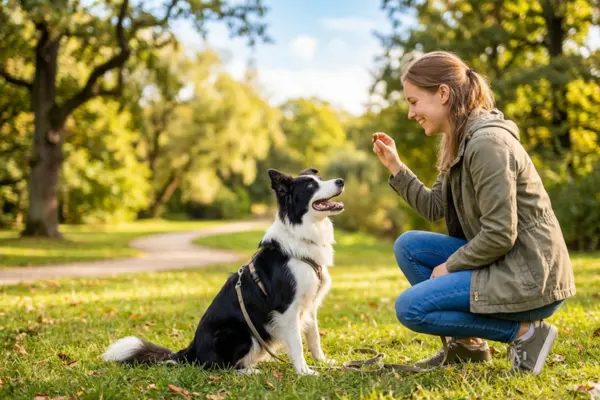
Positive reinforcement training is incredibly effective for Cavalier King Charles Spaniel puppies. Using rewards like treats, praise, and play makes the training experience enjoyable for your pup, encouraging them to repeat desired behaviors and excel in obedience training.
Common Mistakes to Avoid
When you train a Cavalier, it’s easy to make mistakes that can hinder progress. Avoiding punishment, inconsistent commands, and overly long training sessions will help keep your pup engaged and motivated, ensuring a positive learning experience.
Potty Training Your Cavalier King Charles Spaniel
Potty training is an essential part of bringing your new Cavalier King Charles Spaniel puppy home, and with their intelligent and eager-to-please temperament, they are generally easy to train. This section will guide you through the process, ensuring your pup quickly understands where to do their business. Remember, consistency and positive reinforcement are key to successful potty training for your Cavalier.
Steps for Effective Potty Training
To effectively potty train your Cavalier, establish a consistent schedule for potty breaks, taking your pup out frequently, especially after waking up, eating, and playing. Always go to the same designated spot, and when your Cavalier King Charles Spaniel goes potty, offer enthusiastic praise and a small treat. This positive reinforcement training helps them associate the outdoor location with a reward, making future potty breaks much smoother.
Using Crate Training for Potty Success
Crate training can be an invaluable tool for potty training your Cavalier King Charles Spaniel puppies. Dogs naturally avoid soiling their sleeping areas, so a properly sized crate becomes a safe haven for your pup. The crate should be just large enough for your Cavalier to stand up, turn around, and lie down comfortably. This method helps your pup learn to hold it and signals you when they need to go out, making the process of training your Cavalier much more efficient.
Dealing with Accidents and Setbacks
Accidents will happen, and it’s important to approach them with patience and understanding, especially with young Cavalier puppies. Never punish your Cavalier King Charles Spaniel for an accident, as this can create fear and anxiety, hindering their progress. Instead, clean up the mess thoroughly without making a fuss, and reinforce the positive outdoor potty habits. If your pup has an accident inside, gently redirect them outside immediately to reinforce the correct behavior, ensuring your cavalier training remains a positive experience.
Socialization and Temperament of Cavalier Puppies
The charming and affectionate temperament of Cavalier King Charles Spaniels makes them wonderful companions, but early socialization is crucial for developing a well-adjusted and confident dog. Understanding how your pup interacts with the world around them will greatly enhance their training journey and overall well-being.
Importance of Early Socialization
Early socialization is vital for Cavalier King Charles Spaniel puppies. Exposing your pup to a variety of sights, sounds, people, and other friendly dogs during their critical developmental period helps them grow into confident and well-adjusted adults. These early positive experiences prevent fear and aggression issues later on, ensuring your Cavalier is comfortable and happy in different environments.
Understanding the Temperament of Cavalier King Charles Spaniels
Cavalier King Charles Spaniels are renowned for their gentle, affectionate, and eager-to-please temperament, making them one of the easiest dog breeds to train. They thrive on companionship and are known for their loving nature. Understanding these inherent traits will help you tailor your training methods to their sensitive disposition, ensuring that positive training yields the best results.
How Socialization Affects Training
Proper socialization significantly impacts how easily you can train a Cavalier. A well-socialized pup is more confident, less anxious, and more open to new experiences, including training sessions. When your Cavalier is comfortable in various situations, they can focus better on learning commands and responding to your guidance, making the entire dog training process smoother and more enjoyable for both of you.
Managing Separation Anxiety in Cavalier King Charles Spaniels
Cavalier King Charles Spaniels are renowned for their affectionate nature and deep bond with their human companions, making them prone to separation anxiety. As a responsible owner, understanding and managing this common issue is crucial for your Cavalier King Charles Spaniel’s well-being. At pawandbreeds, we provide comprehensive resources to help you through this, ensuring your pup feels secure even when you’re away.
Recognizing Signs of Separation Anxiety
It’s vital to recognize the signs of separation anxiety in your Cavalier King Charles Spaniel puppies early on. Common indicators include excessive barking, destructive chewing, inappropriate potty breaks even after successful potty training, and attempts to escape when left alone. These behaviors are not acts of defiance but rather expressions of distress from your pup, signaling they are struggling with being separated from you.
Training Tips to Reduce Anxiety
To train a Cavalier King Charles Spaniel to cope with separation anxiety, start with short, gradual separations. Begin by leaving your pup alone for just a few minutes, slowly increasing the duration over time. Provide engaging toys or treats, like a puzzle feeder, to distract them during your absence. Positive reinforcement training for calm behavior when you leave and return can also be highly effective in reducing their stress.
Creating a Comfortable Environment for Your Puppy
Creating a comfortable and secure environment is paramount for your Cavalier King Charles Spaniel. A cozy dog bed or a familiar blanket with your scent can provide comfort. Crate training can also be beneficial, as a well-introduced crate can serve as a safe den for your pup. Ensure they have access to fresh water and their favorite toys, making their alone time as pleasant as possible.
Conclusion: Success in Training Your Cavalier King Charles Spaniel Puppy
Training your Cavalier King Charles Spaniel puppy is a rewarding journey filled with patience, consistency, and lots of love. By implementing the various training tips discussed, you’re not just teaching commands; you’re building a strong, trusting bond with your affectionate companion. Remember, a well-trained Cavalier King Charles Spaniel is a happy Cavalier, making your life together harmonious and joyful.
Recap of Key Training Tips
Throughout this guide, we’ve emphasized the importance of positive reinforcement, consistent potty training, early socialization, and addressing separation anxiety. Remember to keep training sessions short and engaging, celebrate small victories, and always approach your Cavalier King Charles Spaniel with kindness and understanding. These methods will help your pup excel in obedience training and grow into a confident, well-adjusted adult.
Encouragement for New Cavalier Puppy Owners
Bringing home a new Cavalier King Charles Spaniel puppy is an exciting adventure, and while challenges may arise, remember that your dedication will pay off. Your Cavalier is eager to please and, with your guidance, will quickly learn to be a wonderful family member. Enjoy every moment of training your Cavalier King Charles, and relish the unbreakable bond you’re forming.
Additional Resources from Paw and Breeds
For more in-depth information on everything from specific breed traits to advanced dog training techniques, visit pawandbreeds. Our website is packed with resources to support you and your Cavalier King Charles Spaniel throughout their life. We are dedicated to helping you achieve success in training your Cavalier puppy and ensuring you have a happy, healthy companion for years to come.
FAQ’s
Q: How do I start training your cavalier puppy so they’re easy to train?
A: Start with short, consistent sessions using reward-based training and positive reinforcement — cavaliers can excel in obedience when you keep training fun. Use treats from quality puppy food as rewards, teach commands like sit and stay, and gradually add distractions. Keep each session 5–10 minutes so your pup doesn’t lose focus.
Q: When training your cavalier puppy, how important is socialization and what should a breeder tell me about early exposure?
A: Critical socialization is key — early exposure to people, other dogs, sounds, and different surfaces helps a well-mannered adult. A good breeder should start basic handling and introduce new experiences before you bring your puppy home. Continue with puppy playtime, obedience classes, and supervised meet-and-greets to build confidence.
Q: How do I groom and handle regular grooming for a Cavalier without stressing them out?
A: Make grooming a positive routine: start with short sessions, reward-based treats, and praise. Brush several times a week, check ears, trim nails, and bathe only when needed. Use gentle tools and introduce the collar and grooming tools slowly. Regular grooming helps keep their coat healthy and reinforces calm handling.
Q: My first cavalier jumps up on guests — how can I stop jumping and teach my dog polite greetings?
A: Ignore jumping and reward four paws on the floor. Teach an alternative behavior like sit and reward when your pup greets calmly. Consistency from everyone in the house is essential. Training your cavalier puppy with praise and treats will reduce jumping over time.
Q: What’s the best way to prevent my puppy from pulling on the leash during leash walking?
A: Use a lightweight collar or harness and reward-based leash walking techniques: stop when they pull, ask for a sit, then reward for walking by your side. Short daily walks and practice focusing on you help a lot. Consider a trainer or obedience classes if pulling persists.
Q: How do puzzle toys and mental stimulation fit into training your cavalier puppy?
A: Cavalier King Charles Spaniels are smart and need mental stimulation to stay happy. Puzzle toys, short training games, and learning tricks provide enrichment and reduce boredom. Reward-based training sessions double as brain work and strengthen your bond.
Q: Should I take my puppy to obedience classes or hire a private trainer?
A: Both are great — obedience classes give socialization and basic skills, while a private trainer can address specific issues like stop jumping or leash pulling. Look for trainers who use reward-based methods and understand that cavaliers are bred as companion dogs and respond well to positive reinforcement.
Q: How do I choose the right puppy food, collar, and basic supplies for training your cavalier puppy?
A: Choose high-quality puppy food formulated for small breeds, a comfortable collar or harness, and durable puzzle toys. Have small soft treats for training and baby gates to manage space. Your breeder or vet can recommend specific brands and sizes for your first cavalier.
Q: Can my Cavalier participate in dog sports or earn a canine good citizen title?
A: Absolutely — cavaliers can excel in obedience, rally, and therapy work because of their friendly and affectionate nature. With reward-based training, regular mental stimulation, and obedience classes, many Cavaliers earn canine good citizen titles and enjoy dog sports.