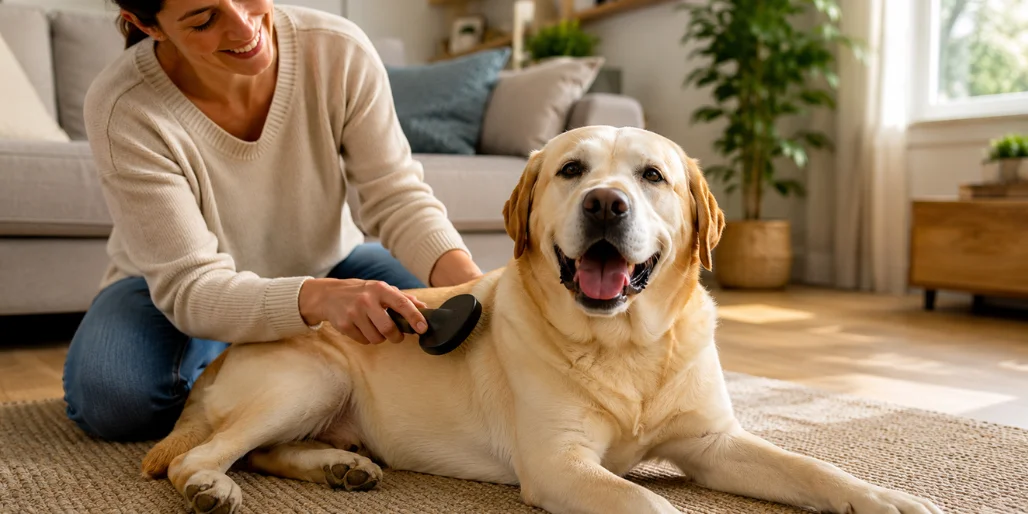
Welcome to Pawandbreeds, your go-to source for everything canine! Today, we’re diving into the essential world of dog grooming, specifically focusing on the best types of brushes for our short-haired companions. Choosing the right dog brush is crucial for maintaining a healthy coat and happy pup. Let’s explore how to keep your short-haired dog looking their best!
Introduction to Dog Brushes for Short-Haired Dogs
Why Brushing is Essential for Short-Haired Dogs
Even though short-haired dogs might seem low-maintenance, regular brushing is incredibly essential for their health and well-being. It helps to remove loose hair and dander, preventing it from ending up all over your furniture and clothes. Brushing also stimulates the skin, promoting better blood circulation and a healthier, shinier coat — benefits the American Kennel Club (AKC) also highlights in its grooming guidance, recommending regular brushing as one of the most impactful at-home health practices for all coat types. Furthermore, it’s a great opportunity for you to bond with your short-haired dog and check for any skin issues or parasites.
Overview of Types of Brushes for Short Hair
When it comes to brushing short-haired dogs, not all grooming tools are created equal. The best types of brushes for short hair typically include rubber brushes, bristle brushes, and sometimes even a specialized deshedding brush. Each type of dog brush serves a unique purpose, from removing loose hair to massaging the skin and distributing natural oils. Understanding these types of brushes will help you make an informed decision for your short-haired companion’s grooming needs.
Pawandbreeds and the Importance of Choosing the Right Brush
At Pawandbreeds, we understand that selecting the perfect dog brush can make all the difference in keeping your short-haired dog’s coat in top condition and shedding under control. A proper grooming tool not only removes dead hair and reduces shedding but also enhances the overall health of your dog’s coat and skin. Our comprehensive dog grooming guide emphasizes that using the right brush, tailored to your short-haired breed, is a vital step in any effective grooming routine, ensuring your dog looks and feels their best.
Types of Brushes for Short Hair Dogs
Slicker Brushes: Benefits and Usage
Slicker brushes are surprisingly effective, even for short-haired dogs, especially those with a denser undercoat. This dog brush features fine, short wires packed closely together on a flat surface, making it an excellent grooming tool for removing loose hair and dead hair from the undercoat. While often associated with longer fur, a slicker brush can gently yet effectively remove loose fur from short-haired breeds, helping to reduce shedding and prevent mats from forming beneath the topcoat. Always use a gentle hand and brush in the direction of hair growth to avoid irritating your short-haired dog’s skin.
Bristle Brushes: When to Use
A bristle brush is a fantastic general-purpose dog brush, particularly beneficial for short-haired dogs with smooth coats. Made with natural bristles, this grooming tool works wonders in removing loose hair, dirt, and dander from the dog’s coat, while also distributing natural oils for a healthy shine. It’s an ideal choice for daily grooming sessions, providing a gentle massage that stimulates the dog’s skin and enhances blood circulation. For short-haired dog owners, a bristle brush is essential for maintaining coat health and keeping shedding under control.
Pin Brushes: Their Role in Grooming
Pin brushes, while more commonly used for long-haired dogs to detangle and remove mats, can still play a role in grooming certain short-haired breeds with slightly thicker coats. The pins, often with rounded ends, can effectively penetrate the fur to reach the undercoat and gently remove loose hair. However, for most short-haired dogs, a pin brush might be less efficient than a bristle brush or a rubber brush for daily maintenance. It can be useful for breeds with a double coat to help loosen dead hair before using a deshedding tool.
Deshedding Tools for Short-Haired Dogs
Understanding Deshedding Brushes
Deshedding brushes are specialized grooming tools designed to significantly reduce shedding in short-haired dogs. These brushes often feature fine, short teeth that reach deep into the undercoat to effectively remove loose hair and dead fur that traditional brushes might miss. By targeting the undercoat, a deshedding brush helps to keep seasonal shedding under control, preventing loose fur from ending up all over your home. Regular use of a deshedding brush can greatly improve the overall health and appearance of your short-haired dog’s coat.
How to Keep Shedding Under Control
Keeping shedding under control for short-haired dogs involves more than just occasional brushing. Regular use of appropriate dog brushes, such as a deshedding brush or a rubber curry brush, is key. Incorporating a consistent grooming routine that includes weekly or bi-weekly deshedding sessions can significantly reduce the amount of loose hair. Additionally, a healthy diet contributes to a stronger coat, and a good shampoo during bath time can help release dead hair. Consistent grooming is vital to manage the amount of fur your short-haired dog sheds.
The Role of the Furminator in Grooming
The Furminator is a widely recognized and highly effective deshedding tool that professional groomers and short-haired dog owners alike swear by. Its unique design features a stainless steel edge that reaches through the topcoat to safely and efficiently remove loose undercoat hair without damaging the topcoat. Using a Furminator can drastically reduce shedding, making it an indispensable grooming tool for short-haired dogs, especially during periods of heavy seasonal shedding. Always use it gently and according to instructions to protect your dog’s skin.
Choosing the Best Brush for Your Short-Haired Dog
Factors to Consider When Selecting a Brush
When choosing the best types of brushes for your short-haired dog, several factors come into play beyond just the dog brush type. Consider your short-haired dog’s specific breed and the texture of their fur. Some short-haired dogs have fine, smooth coats, while others might have a denser undercoat that requires a different approach. The effectiveness of a grooming tool also depends on how much your dog tends to shed; a deshedding brush or a rubber brush will be more beneficial for heavy shedders to remove loose hair. Ultimately, the comfort of your dog and the ease of use for you, the groomer, should guide your choice of brushes. At Pawandbreeds, we emphasize selecting a brush that makes grooming a positive experience for both of you.
Top Picks for Short Hair Dog Brushes
For short-haired dogs, some dog brush types stand out as top picks. A rubber brush or a curry comb is excellent for daily grooming, as it gently massages the dog’s skin while effectively removing loose hair and dead hair. For breeds with a slightly thicker undercoat, a specialized deshedding brush like the Furminator can work wonders in reducing shedding and managing loose undercoat. A bristle brush with natural bristles is also a fantastic grooming tool for distributing natural oils and adding a healthy shine to your short-haired dog’s coat. These brushes for short hair are chosen for their ability to manage dog hair efficiently and keep shedding under control.
Tips for Effective Grooming
Effective dog grooming for short-haired dogs involves more than just picking the right dog brush. Consistency is key; aim for regular grooming sessions, even if they’re short. Always brush in the direction of hair growth to avoid irritating your short-haired dog’s skin. Start with gentle strokes and gradually increase pressure as your dog becomes comfortable. Incorporating a bath with a good quality shampoo before brushing can also help loosen dead hair, making the deshedding process more effective. Remember, grooming is a bonding experience, so make it positive with treats and praise.
Conclusion: Maintaining Your Dog’s Coat with the Right Brushes
Recap of Best Types of Brushes for Short-Haired Dogs
In summary, maintaining a healthy and shiny coat for your short-haired dog is entirely achievable with the right grooming tools. We’ve explored how a rubber brush or curry comb excels at daily loose hair removal and massaging, while a deshedding brush like the Furminator is indispensable for controlling shedding by tackling the undercoat. A bristle brush is perfect for adding shine and distributing natural oils, making it a versatile grooming tool for many short-haired breeds. Choosing the appropriate brushes for short-haired dogs ensures their coat stays in top condition, reducing the amount of fur around your home.
Final Thoughts on Grooming and Pawandbreeds
Grooming your short-haired dog is an essential part of their overall well-being, contributing to a healthy coat and skin, and strengthening your bond. At Pawandbreeds, we believe that armed with the right knowledge and the best types of brushes, every dog owner can become an expert groomer for their furry friend. Regular grooming sessions with the proper dog brush not only keep shedding under control but also allow you to monitor your dog’s skin for any issues. Embrace the routine, and you’ll find that a well-groomed short-haired dog is a happier, healthier companion.
Explore Our Dog Grooming Guide for More Tips
For those eager to dive deeper into the world of dog grooming, we encourage you to explore our comprehensive dog grooming guide. It’s packed with even more tips, detailed instructions, and product recommendations to help you master the art of grooming for all types of dogs, not just those with short hair. Whether you’re looking to tackle stubborn mats, understand different types of brushes, or simply enhance your grooming routine, our guide is a valuable resource. Keep your short-haired dog looking their absolute best by utilizing all the expert advice Pawandbreeds has to offer.
FAQ’s
Q: What comb and brush should I choose for short haired dogs?
A: For short haired dogs, pick a tool for dogs like a rubber comb for quick dusting and a boar bristle brush to smooth the top coat. If your dog has light shedding, an ergonomic rake or a fine-toothed comb can help remove loose hair without scratching the skin. Match the brush to the coat type and keep an ergonomic handle for comfort.
Q: Are boar bristle brushes good for short haired dogs or only for long haired dogs?
A: Boar bristle is actually great for many short haired dogs because it helps distribute natural oils and makes the coat healthy and shiny. It’s best for smoothing the top coat and removing light dirt. For heavy shedding or thick undercoats you might add a rake or Furminator-style tool for deeper work.
Q: How often should a groomer or pet owners brush short haired dogs to reduce excessive shedding?
A: Brush short haired dogs 1–3 times a week as a baseline; increase to daily during heavy shedding seasons. Using a rubber comb or a rake with stainless steel pins helps remove loose hair and dirt deep into the coat, cutting down on excessive shedding around the house.
Q: Will a Furminator or a rake damage my short haired dog’s skin and coat?
A: When used gently, a Furminator or rake won’t harm most short haired dogs, but be careful not to dig too hard or use tools with long stainless steel pins on sensitive skin. Choose a tool with an ergonomic handle and follow short sessions to avoid scratching the skin or removing too much undercoat.
Q: Is a boar bristle brush safe for small breeds like a Chihuahua?
A: Yes—boar bristle brushes are safe for Chihuahuas and other short haired small breeds when used lightly. They’re excellent for polishing the top coat and removing fine dust without harsh pulling. Always use gentle strokes and avoid pressing hard so you don’t irritate the skin.
Q: What’s the difference between a rubber comb that’s like a Zoom Groom and a traditional hair brush?
A: A rubber comb, like a Zoom Groom, is great for massaging skin, loosening loose hair and removing dirt while being gentle—perfect for short haired dogs. Traditional hair brushes (boar bristle or bristle-plus-pin combos) are better for smoothing the top coat and distributing oils for a glossy finish.
Q: Can proper brushing really keep my short haired dog’s skin and coat healthy?
A: Absolutely. Regular brushing removes dirt, stimulates skin oils, reduces tangles, and helps prevent matting in short haired dogs. Using the right brush—boar bristle for shine, rake for undercoat—will keep the skin and coat healthy and reduce the need for frequent baths.
Q: Which brush is best for getting deep into the coat without scratching the skin?
A: A gentle rake with short stainless steel pins or a Furminator-style de-shedding tool used lightly is best for getting deep into the coat without scratching the skin. Pair it with a boar bristle brush afterward to smooth the top coat and remove any remaining loose hairs.
Q: As a pet owner, what’s the minimal grooming kit for short haired dogs?
A: Minimal kit: a boar bristle brush for finishing, a rubber comb like a Zoom Groom for dirt and massage, and a small de-shedding rake or Furminator for seasonal shedding. Choose items with an ergonomic handle so they’re comfy to use and suitable for your dog’s coat type.