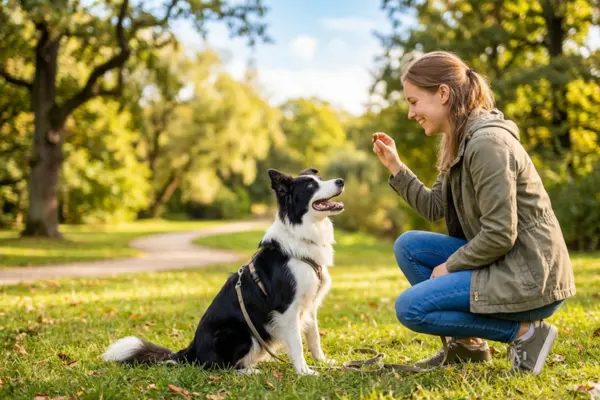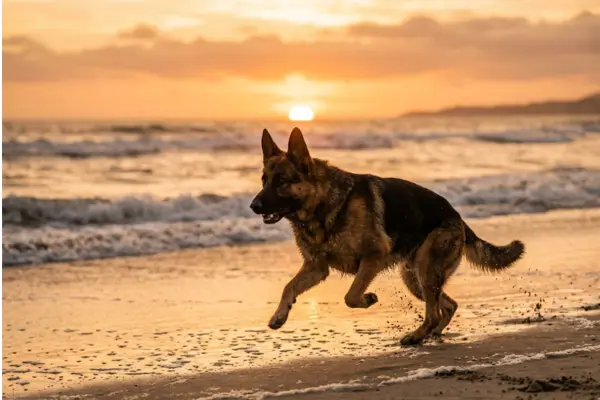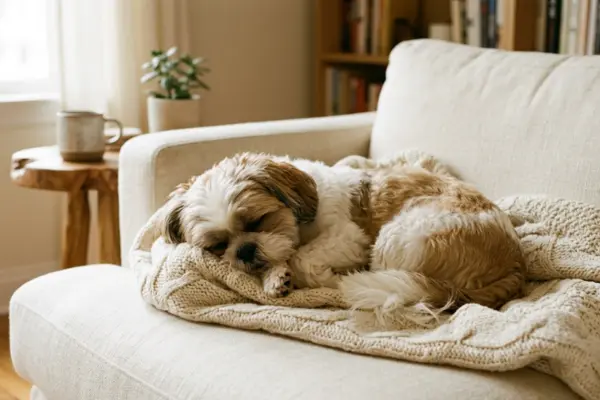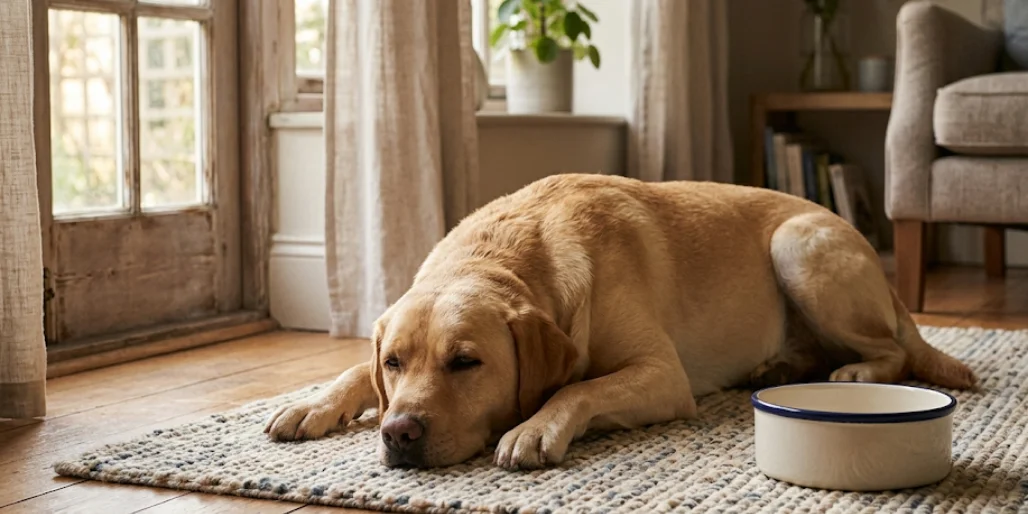
Wait at least 30 minutes after a light meal, and up to 2 hours after a large one, before walking your dog — this gives their stomach time to settle and lowers the risk of bloat (gastric dilatation-volvulus), a life-threatening emergency in which the stomach fills with gas and twists. Deep-chested breeds like Great Danes, German Shepherds, and Boxers are most at risk, so the wait matters more for them than for a small, barrel-chested dog
Understanding Post-Meal Walking
Why Wait to Walk Your Dog After Eating?
It’s vital to wait to walk your dog after eating to prevent a potentially life-threatening condition called bloat, or gastric dilatation-volvulus (GDV). When your dog eats, their stomach fills, and exercising too soon after eating can cause the stomach to twist, cutting off blood flow and trapping gas. This isn’t just uncomfortable; it’s an emergency that requires immediate veterinary attention. Pawandbreeds advises all dog owners to be mindful of this risk, as it’s a critical aspect of responsible pet care. For more detailed information on preventing such issues, consider exploring a comprehensive dog behavior guide.
Factors Influencing the Wait Time
Several factors influence how long to wait to walk your dog after eating. The size of the meal, the type of food, and your dog’s individual digestive system all play a role. Generally, a good rule of thumb is to wait at least 30 minutes, and often longer, especially after a large meal. Younger, more energetic dogs might need a different approach than older, more sedentary ones. It’s not just about avoiding strenuous exercise; even a brisk walk around the block too soon after eating can pose a risk.
Dog Breeds and Digestive Sensitivity
Certain dog breeds are more prone to digestive issues like bloat due to their anatomy. Deep-chested breeds, such as Great Danes, German Shepherds, Boxers, and Weimaraners, have a higher risk of bloat (GDV) because their deeper chests allow more room for the stomach to twist. If you own one of these breeds, it’s particularly important to be diligent about the wait time after meals. Understanding your dog’s specific breed characteristics and their inherent digestive sensitivity is key to preventing complications and ensuring their well-being.
Health Risks Related to Walking After Eating
Understanding Bloat and GDV
You should generally wait at least 30 minutes, but ideally 1 to 2 hours, before you walk your dog after eating to prevent the life-threatening condition known as bloat, or gastric dilatation-volvulus (GDV). When your dog eats, especially a large meal, their stomach fills, and exercising too soon after eating can increase the risk of bloat by causing the stomach to twist. This twisting cuts off blood flow and traps gas, leading to a critical emergency. This twisting cuts off blood flow and traps gas, leading to a critical emergency — VCA’s overview of GDV covers the warning signs in more depth. Deep-chested breeds like Great Danes and German Shepherds are particularly susceptible, making it crucial for dog owners to adhere to appropriate wait times for the safety of their pets.
Signs of Digestive Issues to Watch For
It’s important to be vigilant and recognize the signs that your dog might be experiencing digestive issues, especially after a meal. Symptoms such as restlessness, pacing, excessive drooling, unproductive retching or gagging, and a distended or hard abdomen can all indicate bloat or other serious problems with their digestive system. If you notice any of these signs, particularly after you feed your dog and before you walk your dog, it’s crucial to seek immediate veterinary attention. Acting quickly can make a significant difference in the outcome for your dog.
Maintaining Your Dog’s Digestive Health
To maintain your dog’s digestive health and reduce the risk of bloat, implement a few key strategies. Firstly, ensure you wait at least 1 to 2 hours to walk your dog after eating, especially after large meals. Consider feeding smaller, more frequent meals rather than one large one. Using a slow feeder bowl can also help prevent your dog from eating too quickly and reduce the amount of air they swallow. Lastly, avoid strenuous exercise after eating. By being mindful of your feeding and exercise routines, you can significantly lower the risk of bloat and other digestive issues, ensuring your dog stays healthy and happy.
Recommended Wait Times for Walking
General Guidelines for Dog Owners
Generally, you should wait at least 30 minutes to an hour after your dog eats before you walk your dog, with 1 to 2 hours being ideal for adult dogs, especially after a substantial meal. This crucial wait time helps prevent serious digestive issues, particularly bloat, which is a life-threatening condition. Immediately after your dog eats, their stomach fills, and engaging in strenuous activity can lead to gastric dilatation-volvulus (GDV), where the stomach twists. Allowing sufficient time for digestion reduces the risk of bloat, ensuring your dog’s safety and well-being. Always prioritize their health over an immediate walk.
Post-Meal Walking Recommendations
The primary recommendation for post-meal walking is to avoid any vigorous activity straight after eating. While a gentle, short stroll around the block might seem harmless, it’s safer to wait at least 1 to 2 hours. This gives your dog’s digestive system ample time to process their food without the added stress of physical exertion. For smaller meals, you might get away with a shorter wait time, but for larger or heavy meals, extending that period is a wise precaution. Being mindful of these guidelines significantly reduces the risk of bloat and other digestive issues.
Variations Based on Dog Size and Breed
The appropriate wait time can vary significantly based on your dog’s size, breed, and activity level. Deep-chested breeds, such as Great Danes and German Shepherds, are particularly susceptible to bloat (GDV) due to their anatomy, making it even more critical for dog owners of these breeds to wait at least 1 to 2 hours, or even longer, before taking their dog for a walk. Smaller dog breeds generally have a lower risk, but it’s still prudent to allow time for digestion. Always consider your individual dog’s health and digestive system when determining how long you should wait.
Alternatives to Walking Immediately After Eating
Pre-Meal Walks and Their Benefits
One excellent way to reduce the need to walk your dog immediately after eating is to schedule a good, active walk before mealtime. Taking your dog for a decent exercise session before they eat can help them burn off energy, stimulate their appetite, and ensure they are relaxed when it’s time to digest their food. This approach significantly minimizes the risk of bloat, as their stomach will be empty during the activity. A pre-meal walk is a smart strategy for managing your dog’s exercise and feeding schedule effectively, benefiting their overall digestive health.
Indoor Exercises for Dogs
When you can’t walk your dog straight after eating, especially after a meal, there are plenty of indoor exercises to keep them mentally stimulated and physically active
Creating a Balanced Exercise Routine
Creating a balanced exercise routine that separates strenuous activity from mealtime is key to your dog’s long-term health. Incorporate a good walk or more vigorous exercise session before you feed your dog. After your dog eats, ensure a sufficient wait time, ideally 1 to 2 hours, before engaging in any further outdoor activity. During this post-meal period, focus on quiet time or low-key indoor games. This balanced approach not only reduces the risk of bloat and other digestive issues but also promotes better digestion and overall well-being for your beloved pet.
FAQ’s
Q: How long should I wait to walk dog after a meal to avoid gastric problems?
A: Wait at least 30–60 minutes for a short gentle walk and 1–2 hours for more active dog exercises. This helps digestion in dogs and lowers the risk of gastric issues like bloating or more serious gastric dilatation-volvulus (GDV) in deep-chested breeds.
Q: My dog after a meal seems restless — can I exercise your dog right away?
A: If your dog after a meal is restless, stick to calm leash time or indoor potty breaks. Avoid vigorous exercise or play for at least an hour. If you want to exercise your dog more intensely, wait 1–2 hours hours after eating to protect the dog’s stomach and overall health and safety.
Q: Is it better to feed your pet before a walk or after — what’s the best feed and walk plan?
A: Many owners feed smaller meals and walk before eating to prevent problems. Instead of one large meal, try splitting food into two portions and walk between feeding times. If you feed first, wait hours after eating (see above) before a long walk so the dog can digest safely.
Q: What are gastric signs to watch for if I walk my dog too soon after meals?
A: Watch for bloating, pacing, drooling, trying to vomit, a swollen dog’s stomach, or inability to get comfortable. These can signal serious gastric distress. If you see these, get veterinary help fast — dogs shouldn’t have prolonged pain from meals and exercise.
Q: How do I handle puppies who need to poop right after eating but I’m worried about safety?
A: Puppies often need to poop minutes before offering a chance to go out. For short bathroom breaks, keep activity gentle — a quick leash walk is okay. Just don’t do intense dog exercises immediately after a full meal; keep it low-key and focused on potty duty.
Q: Are there breed-specific rules for walking after eating because of gastric risks?
A: Yes. Deep-chested breeds (like Great Danes, Dobermans) have higher risk of GDV, so be extra cautious. Avoid heavy exercise or play for 2+ hours after meals for those breeds. For smaller or low-risk dogs, 30–60 minutes may be fine for gentle walks.
Q: Can I feed and walk on a strict schedule every day to prevent problems?
A: Absolutely. Consistent meals and exercise help digestion in dogs and reduce surprises. Feed at regular times and plan walks either well before meals or a comfortable gap hours after eating. That routine helps keep your dog’s stomach steady and supports health and safety.
Q: What if my dog loves running after eating — is there a safe compromise?
A: Yes — trade intense running for calm leash walks or slow sniffing sessions right after eating. Save high-energy fetch or agility for later. Also, consider smaller meals more often so your dog isn’t racing on a full stomach. That way you exercise or play without risking gastric trouble.