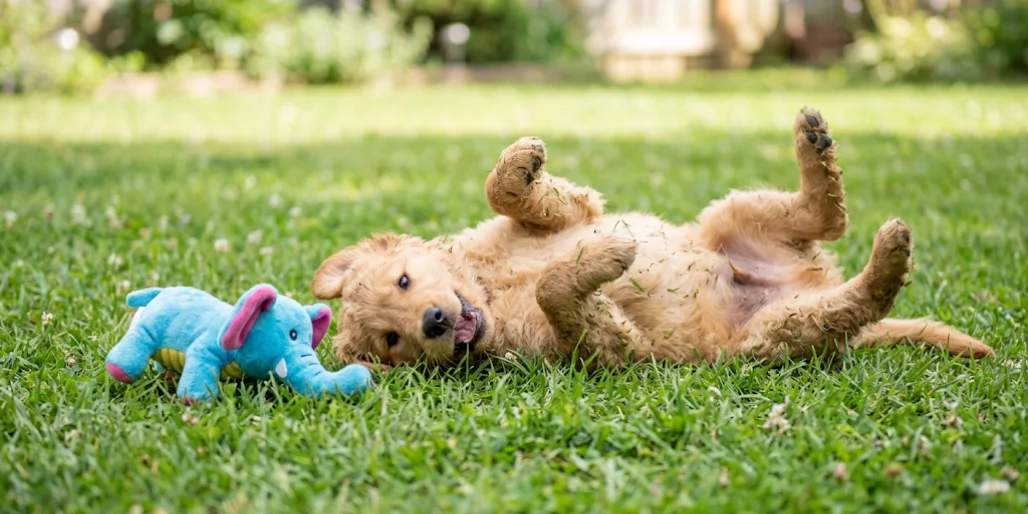
Dogs roll on toys mainly to mark them with their own scent, an instinct passed down from wild ancestors who rolled in strong smells to disguise themselves or claim territory. Sometimes it’s simpler than that: the texture feels good, or they’re scratching an itch. It’s almost always harmless, and only worth a second look if the rolling turns obsessive or comes with visible skin irritation.
Introduction to Dog Rolling Behavior
What Does It Mean When Dogs Roll Around?
When dogs roll around, especially on an object like a toy, it’s often more than just a silly habit; it’s deeply rooted in their canine behavior and instinct. This action can signify a variety of things, from pure enjoyment to an attempt to leave their scent, or even an instinctive behavior passed down from their wild ancestors. Understanding what it means when your dog is rolling can give you valuable insights into their world.
Common Reasons for Dogs Rolling on Toys
There are several common reasons behind why dogs roll on their toys. One prominent reason is to transfer their scent onto the object, effectively marking it as their territory. This instinctive trait is similar to how wolves roll in a patch of grass or on something smelly in the wild to disguise themselves from their prey. Your dog might also simply be scratching an itch, as rolling around can feel good and help relieve discomfort or an allergy that might irritate their skin.
The Importance of Understanding Your Dog’s Instincts
Understanding your dog’s instincts, like why they rub or roll on toys, is crucial for fostering a deeper bond and ensuring their well-being. This behavior often stems from deeply ingrained ancestral traits, offering a glimpse into their natural tendencies as a predator and an animal. By recognizing these instinctive actions, you can better cater to your pet’s needs and even explore solutions if the rolling becomes excessive or seems to indicate discomfort, perhaps by checking their skin for irritation. Pawandbreeds offers a comprehensive dog behavior guide that can further help you decode these fascinating canine behaviors.
The Sensory Experience of Rolling on Toys
How Scent Plays a Role in Dog Behavior
Scent is incredibly important in a dog’s world, and it plays a huge role in why your dog might love to roll on their favorite toy. When your dog is rolling around on a toy, they are often attempting to leave their scent behind, effectively marking the object as their own. This instinctual behavior is similar to how wolves roll in a patch of grass or on something smelly in the wild to disguise themselves from their prey, demonstrating a deep connection to their wild ancestors.
Why Dogs Enjoy Rolling on Their Toys
There are several reasons why dogs enjoy rolling on their toys. Beyond simply marking their territory with their scent, this behavior can also be a way for your canine companion to engage with their surroundings in a sensory way. The texture of the toy, combined with the feeling of rubbing against it, can be incredibly stimulating and enjoyable for them. Sometimes, your dog might even be rolling to scratch an itch, finding relief from minor skin irritations or discomfort.
The Connection Between Rolling and Feeling Good
Ultimately, when a dog rolls on their toys, it often boils down to feeling good. Whether it’s the satisfaction of marking an object with their scent, the physical sensation of the toy against their fur, or even just a good scratch, this behavior is a self-rewarding action for your pet. Understanding that your dog is rolling because it feels good helps us appreciate these simple, yet profound, moments of canine contentment.
Marking Territory and Object Interaction
How Dogs Use Toys to Mark Their Territory
Your dog’s enthusiastic rolling on their favorite toy is often a clear signal of territory marking, deeply rooted in their primal instincts. When a dog rolls on toys, they are essentially attempting to leave their scent behind, covering the object with their unique smell and claiming it as their own. This instinctual behavior is a canine’s way of saying, “This is mine!” It’s a fundamental aspect of animal communication, similar to how wild dogs might mark a particular spot, AKC’s piece on rolling in strong smells covers the leading theories in more depth. This trait is a natural part of dog behavior, reinforcing their connection to their wild ancestors.
Behavioral Insights: Dogs Rolling on Their Toys
Observing your dog roll on toys can offer fascinating behavioral insights into their world. Beyond just marking territory, this action can also be a display of ownership and comfort. When your dog is rolling around on a toy, they might be expressing contentment or simply enjoying the sensory experience of the object against their fur. This behavior can also be a way for them to “mix” their scent with a new or interesting smell on the toy, creating a unique personal aroma, a sort of canine perfume. Understanding these nuances helps us appreciate the complexity of why dogs roll around.
Wild Instincts: Rolling as a Natural Behavior
The act of a dog rolling on their toys is a direct link to their wild instincts and ancestral behaviors. Wolves roll in smelly objects or a patch of grass not just to disguise themselves from their prey during hunting, but also to carry interesting scents back to the pack. Your dog’s desire to roll on toys can be a manifestation of this deeply ingrained trait, a way to interact with their environment and express their innate canine nature. It’s a reminder that even our domesticated pets carry echoes of their wild heritage.
Conclusion: Understanding Your Dog’s Rolling Behavior
Encouraging Healthy Play with Toys
Understanding why your dog rolls on toys is key to encouraging healthy play and a strong bond. Since a dog rolls to mark territory, enjoy sensory input, or even scratch an itch, providing a variety of toys with different textures and smells can be beneficial. Regular play sessions where you actively engage with your dog and their favorite toy can also reinforce positive dog behavior and strengthen your relationship. Remember, an enriched environment with appropriate outlets for their instinctual behaviors is crucial for a happy pet.
When to Be Concerned About Dog Behavior
While a dog rolling on toys is usually normal, there are times when this behavior might signal something more. If your dog is rolling excessively, seems itchy, or you notice any skin irritation or discomfort, it’s wise to check their skin for potential allergies or other issues. Obsessive rolling could also indicate stress or an underlying behavioral problem. If you have concerns, consulting with a vet or a professional dog behaviorist can provide peace of mind and address any potential health or behavioral issues.
Resources for Further Learning: Dog Behavior Guide
For those who want to delve deeper into understanding why dogs roll around and other fascinating aspects of canine behavior, there are excellent resources available. A comprehensive dog behavior guide, such as the one offered by Pawandbreeds, can provide invaluable insights into your pet’s instincts, traits, and communication signals. Learning more about why your dog likes to roll and other unique behaviors will not only enrich your understanding but also help you foster a stronger, more harmonious relationship with your beloved canine companion.
FAQ’s
Q: Why does my dog roll on toys and do that dog rub thing?
A: Dogs roll on toys for a few reasons: scent marking, hiding their own smell, or just because it feels good. That dog rub you see is their way of spreading scent or picking up a scent they like — like a smelly toy — and sometimes it’s purely playful.
Q: Is it normal that my dog rolls on stinky toys or gross stuff?
A: Totally normal. Dogs are attracted to strong, stinky smells that we find gross. Rolling helps them carry those scents and might be rewarding to them even if it makes you say “ew.” It’s usually harmless, though you might want to discourage really disgusting or dangerous things.
Q: Could my dog be trying to mimic something when they roll on a toy with a squirrel or duck scent?
A: Yes — dogs can mimic wild behaviors. If a toy smells like a squirrel or duck, your dog might roll to mask their scent or celebrate finding that smell. It’s an instinct tied to hunting and communication with other dogs.
Q: Is rolling on toys a form of reward or attention-seeking?
A: Sometimes it’s both. Rolling can be self-rewarding because of the scent and sensation, and if you react strongly (laugh, scold, chase), your dog might keep doing it for the attention. Positive or negative attention can act as a reward.
Q: Could rolling on toys transfer oil or dirt to my dog and make them smelly?
A: Yes — toys and objects can have oil, dirt, or other residues that transfer to your dog’s coat. That’s why they can smell extra stinky after a roll. A bath or a good shampoo usually fixes it if they’ve picked up grease or unpleasant odors.
Q: Should I stop my dog from rolling on toys, or is it harmless?
A: Often it’s harmless, but intervene if the toy is contaminated (chemicals, oil, feces) or if the behavior becomes obsessive. You can redirect them to allowed toys, use training cues, or remove the offending toy. For most rolling, though, it’s harmless.
Q: How do I train my dog to stop rolling on certain toys or gross things?
A: Swap in clean, scented toys, teach a reliable leave-it or drop command, and reward with treats when they obey. Consistent redirecting and rewarding the behavior you want is more effective than punishment, which can confuse them.
Q: After they roll in something, is a full bath needed or just a little shampoo spot-clean?
A: It depends on how messy or oily the toy was. If it’s just mildly smelly, spot-cleaning with a damp cloth and a bit of dog shampoo can work. For heavy oil, dirt, or very stinky encounters, a full bath with dog shampoo is best to remove residues and keep their skin healthy.