The world of dog breeding is fascinating, isn’t it? We’ve shaped our canine companions over millennia, but this journey hasn’t been without its challenges. Let’s delve into how selective breeding has not only given us the incredible diversity of dog breeds we see today but also, at times, inadvertently introduced some significant health concerns.
Understanding Selective Breeding
Definition of Selective Breeding
Selective breeding, also known as artificial selection, is essentially a human-driven process where we intentionally choose which individual dogs will reproduce based on their desirable traits. This practice aims to enhance specific characteristics, whether they are physical attributes like a particular nose shape or behavioral tendencies like a strong herding instinct. The goal of every responsible breeder, including those at Pawandbreeds, is to improve the breed, even though sometimes there can be unintended genetic consequences.
History of Dog Breeding Practices
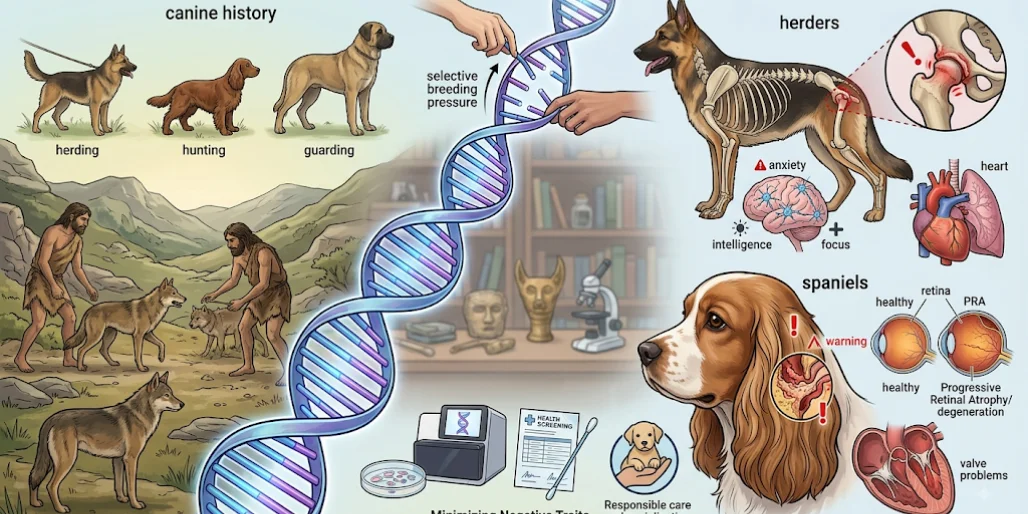
The history of dog breeding practices goes back thousands of years, to the very domestication of the wolf. Early humans began to select dogs for herding, hunting, and guarding, gradually shaping the modern dog. Over time, as different dog breeds emerged, this controlled breeding became more refined, leading to the development of distinct breeds of dogs like the energetic spaniel or the steadfast German Shepherd, each with a unique phenotype tailored to human needs and preferences.
Importance of Genetic Variation
Genetic variation is absolutely crucial for the health and resilience of any breed. When breeding dogs, a broad genetic pool helps to prevent the accumulation of deleterious disease genes and allows for a stronger, healthier population. A relaxation of selective pressures without careful consideration of the dog genome can unfortunately shorten lifespans and predispose particular breeds to various health issues. To learn more about how genetics influence canine health, check out our comprehensive dog behavior guide.
Genetic Consequences of Selective Breeding
Impact on Genetic Diversity
So, what really happens to a breed’s genetic makeup when we engage in selective breeding? Well, the impact on genetic diversity can be quite significant, and often not in a good way. When breeders consistently select for specific traits, they inadvertently narrow the gene pool, leading to a reduction in genetic variation. This lack of variation can predispose certain breeds to a host of health issues, as there are fewer different genes available to provide resistance against diseases or adapt to environmental changes. Responsible dog breeding, like that advocated by Pawandbreeds, tries to balance desirable traits with maintaining a healthy level of genetic diversity within the breed.
Common Genetic Disorders in Selectively Bred Dogs
Unfortunately, a direct consequence of intensive selective breeding is the prevalence of common genetic disorders in many popular breeds of dogs. When the focus is too heavily on a particular phenotype, deleterious disease genes can become more widespread within the breed’s genome. We see this in breeds like the bulldog, with its respiratory issues, or the dachshund, prone to back problems. These conditions often shorten the lifespan of these beloved pets and can lead to significant veterinary costs for dog lovers. Understanding the dog genome and genetic variation is crucial for minimizing these health challenges.
Case Study: Spaniels and Their Genetic Challenges
Let’s take spaniels, for instance. These delightful dogs, whether they are cocker spaniels or springer spaniels, have unfortunately become a case study in the genetic challenges that can arise from selective breeding. While their charming personalities and beautiful coats are undeniable, generations of focused breeding have led to a predisposition to several genetic conditions, including ear infections due to their long, floppy ears, and various eye disorders. Their genetic consequences highlight the delicate balance breeders must strike between maintaining breed standards and ensuring the overall health and well-being of these wonderful dogs.
Deleterious Traits in Dog Breeding
Identifying Deleterious Traits
So, what exactly are these “deleterious traits” we keep mentioning? Well, they’re essentially characteristics that negatively impact a dog’s health, well-being, or quality of life. These traits can range from physical deformities, like the brachycephalic (flattened) nose of a bulldog or a pug that leads to respiratory issues, to predispositions to serious diseases such as hip dysplasia in a German Shepherd or certain cancers in a golden retriever. Identifying them often requires a deep understanding of the dog genome and recognizing patterns of illness or structural problems within particular breeds, which is why careful observation and genetic testing are so vital in responsible breeding practices.
Effects on Dog Health and Behavior
The effects of these deleterious traits on dog health and behavior can be profound and heartbreaking for dog lovers. A bulldog struggling to breathe on a hot day, a dachshund suffering from intervertebral disc disease, or a spaniel prone to chronic ear infections – these are direct consequences. Beyond physical ailments, certain selective breeding choices can also impact behavior, sometimes leading to anxiety, aggression, or other undesirable temperament issues if not carefully managed within the genetic variation of a breed. These conditions can significantly shorten the lifespan of dogs and diminish their overall quality of life, highlighting the severe genetic consequences of unchecked artificial selection.
Strategies for Minimizing Negative Traits
Thankfully, there are proactive strategies that responsible breeders can employ to minimize these negative traits. A key approach involves rigorous health screening and genetic testing of breeding dogs to identify carriers of disease genes and avoid breeding animals that will pass on deleterious conditions. Expanding the gene pool through careful outcrossing, while maintaining breed standards, can also reintroduce beneficial genetic variation. Focusing on overall health and longevity, rather than just extreme aesthetic phenotypes, is paramount. Ethical breeders are committed to improving the breed and enhancing the well-being of dogs, making informed decisions that prioritize health over superficial traits.
The Role of Responsible Breeding Practices
Ethics of Selective Breeding
The ethics of selective breeding lie at the heart of responsible dog breeding. While humans have engaged in the domestication of the wolf and subsequent shaping of breeds for millennia, the moral imperative today is to ensure that our breeding practices do not inflict suffering or compromise the health of dogs. The goal should always be to improve the breed, not to create dogs with exaggerated features that lead to health problems. This means moving beyond a sole focus on appearance and instead prioritizing genetic variation, temperament, and the overall well-being of the modern dog, ensuring that future generations are healthier and happier.
Best Practices for Healthy Breeding
So, what are the best practices for healthy breeding? It starts with a comprehensive understanding of the dog genome and the specific genetic predispositions of a breed. Responsible breeders conduct extensive health screenings, utilize genetic testing to identify potential disease genes, and carefully select breeding dogs with robust health and sound temperaments. They prioritize maintaining a diverse gene pool to prevent the accumulation of deleterious traits and avoid excessive inbreeding. Furthermore, they provide excellent care for their puppies, offering proper socialization and health checks before placing them in loving homes.
Resources for Responsible Breeders
For those committed to ethical dog breeding, a wealth of resources is available. Breed clubs often provide invaluable information on health concerns specific to certain breeds and maintain lists of approved breeding standards. Genetic testing laboratories offer services to sequence the dog genome and identify carriers of disease genes. Educational seminars and workshops help breeders stay updated on the latest scientific advancements in canine health and genetics. Organizations dedicated to animal welfare also offer guidelines and support for responsible breeding practices, ensuring that the legacy of our beloved breeds continues with health and integrity.