Wondering if the Anatolian Shepherd Dog is the right companion for you? These magnificent dogs are renowned for their protective instincts and calm demeanor, making them excellent guardians. This guide will delve into their history, physical traits, and temperament to help you understand what makes this breed so unique.
Anatolian Shepherd Overview
The Anatolian Shepherd Dog is a truly remarkable breed, originating from the rugged landscapes of Turkey’s Central Anatolian Plateau. These dogs have been developed over centuries to be exceptional livestock guardian animals, and their history is deeply intertwined with nomadic cultures. Their impressive build and natural protective instincts make them formidable yet loyal companions, embodying the essence of a true guardian breed.
History of the Anatolian Shepherd
The history of the Anatolian Shepherd is rich and ancient, dating back thousands of years. Originating in Anatolia, these dogs were bred by nomadic tribes to protect their precious flock and livestock from predators, enduring harsh summer and winter conditions on the vast plateau. This role as a diligent guardian dog shaped the breed’s temperament, making them famously territorial and independent, a legacy that continues to define the Anatolian Shepherd Dog breed today.
Physical Characteristics
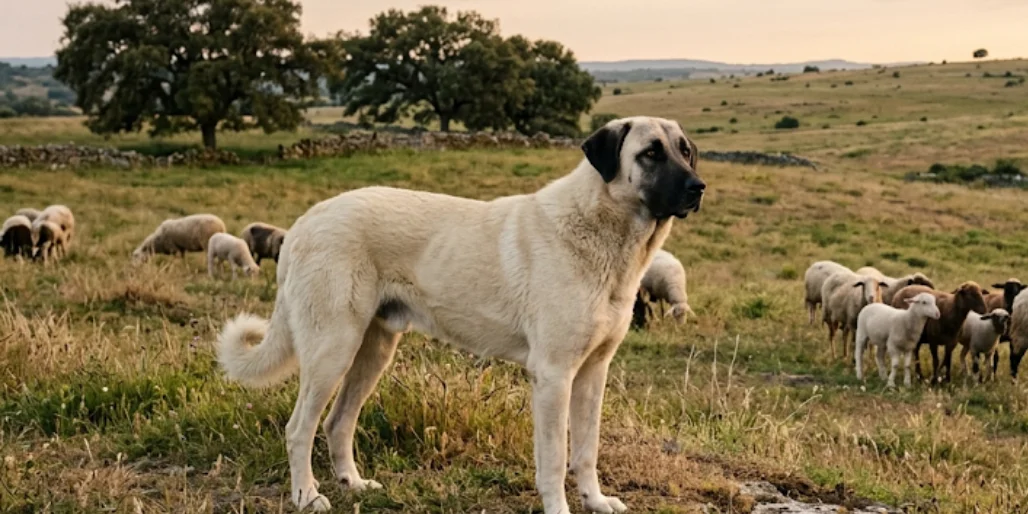
The Anatolian Shepherd dog is a powerfully built, large breed, immediately recognizable by its robust physique and often a distinctive black mask on its muzzle, sometimes referred to as “Karabash.” Their strong bone structure and muscular build are testaments to their heritage as a working livestock guardian. This breed standard emphasizes a powerful yet agile frame, allowing them to effectively protect livestock.
Size and Weight
As a large breed, Anatolian Shepherds command an impressive presence. Males can stand over 29 inches tall and typically weigh between 110 to 150 pounds, while females are slightly smaller. This substantial size is crucial for their role as guardian dogs, as it allows them to deter predators effectively. Their powerful build and considerable weight are key breed characteristics that highlight their strength and resilience.
Temperament of the Anatolian Shepherd Dog
General Behavior Traits
The Anatolian Shepherd Dog breed possesses a unique temperament, primarily defined by its history as a livestock guardian. These Anatolians are known for being calm, watchful, and incredibly protective of their flock or family. While they can be affectionate with their loved ones, they often maintain a dignified distance and are naturally wary of strangers, a trait vital for their role as a guard dog.
Socialization Needs
Early socialization is crucial for an Anatolian Shepherd puppy to ensure they grow into well-adjusted adults, especially given their natural wariness. While they are a large dog, they need exposure to various people, places, and other animals from a young age. This helps them understand what is a true threat and what is not, preventing excessive territorial behavior while still allowing their guardian breed instincts to shine.
Training Requirements
Training an Anatolian Shepherd requires patience and consistency due to their independent nature. As a guardian breed, they are not typically eager to please in the same way some other breeds are, preferring to make their own decisions. Positive reinforcement methods work best, focusing on clear commands and building a strong, trusting relationship with your powerful dog.
Care and Grooming
Grooming Needs
The Anatolian Shepherd Dog has a relatively low-maintenance coat, but regular grooming is still important. Their thick double coat, designed to protect them from the harsh summer and winter conditions of the Central Anatolian Plateau, requires weekly brushing to remove loose hair and prevent matting. During shedding seasons, more frequent brushing will help manage the undercoat and keep your large breed looking its best.
Exercise Requirements
Despite their large size, Anatolian Shepherds have moderate exercise needs; they are not dogs that require constant, high-intensity activity. A daily long walk or secure playtime in a fenced yard is usually sufficient to keep them physically and mentally stimulated. As a working breed, they enjoy having a job to do, even if it is simply patrolling their territory.
Nutritional Needs
Proper nutrition is vital for the health and welfare of such a large dog. Anatolian Shepherds require a high-quality diet formulated for large breeds, especially during their puppy growth stages to support healthy bone development. Consulting with your breeder or a veterinarian can help determine the best diet plan to meet the specific needs of your Anatolian Shepherd dog, ensuring they receive all the necessary nutrients to thrive. You can find more comprehensive information on Paw and Breeds and their A-Z Breeds Guide.
Similar Breeds and Comparisons
Other Flock Guardians
When considering the Anatolian Shepherd Dog, it is natural to compare them with other powerful flock guardian breeds. Dogs like the Great Pyrenees, Maremma Sheepdog, and Akbash share the Anatolian’s intrinsic drive to protect livestock. These similar breeds exhibit a calm demeanor and a strong territorial instinct, crucial for deterring predators. Each of these guardian dogs possesses a unique set of breed characteristics and a history of working alongside nomadic people, safeguarding their precious herd.
Comparison with Other Shepherd Breeds
While Anatolian Shepherds are indeed a type of shepherd dog, it is important to distinguish them from herding breeds like the German Shepherd or Border Collie. The Anatolian Shepherd Dog is primarily a livestock guardian, meaning its role is to deter threats and protect the flock, rather than actively move or control them. Their temperament, exercise needs, and training requirements reflect this fundamental difference, with the Anatolian being more independent and wary of strangers compared to herding dogs.
Choosing the Right Breed for Your Lifestyle
Deciding if the Anatolian Shepherd Dog is the right fit involves a careful assessment of your lifestyle and expectations. This large breed, with its strong guardian instincts and territorial nature, thrives in environments where it has a job to do, such as protecting livestock or a large property. If you are looking for an independent, watchful, and powerfully built companion that excels as a guard dog, and you can provide ample space and consistent socialization, an Anatolian might be an excellent choice. However, their specific temperament and exercise needs might not suit every family or living situation.
Conclusion
Summary of the Anatolian Shepherd Dog
In summary, the Anatolian Shepherd Dog is a magnificent and ancient breed, originating from the Central Anatolian Plateau, developed over centuries to be the ultimate livestock guardian. Known for its imposing size, distinctive black mask (Karabash), and powerfully built frame, this large dog combines a calm, watchful demeanor with fierce protective instincts. Their independent and territorial nature, while requiring dedicated socialization and training, makes them unparalleled as guardian dogs, embodying a deep loyalty to their flock and family.
Finding a Reputable Breeder
When seeking an Anatolian Shepherd puppy, finding a reputable breeder is paramount to ensure the health and welfare of your new companion. A responsible breeder will prioritize the temperament and health of their Anatolian Shepherd dog breed lines, conduct necessary health screenings, and be transparent about the dog breed information, including the history of the parents. They should also be able to provide insights into proper socialization and training for your Anatolian, helping you understand the unique needs of this guardian breed.
Resources: Paw and Breeds and Dog A-Z Breeds Guide
For those looking to delve deeper into the fascinating world of the Anatolian Shepherd Dog, comprehensive resources are readily available. Websites like Paw and Breeds offer extensive information, and their Dog A-Z Breeds Guide can provide further insights into the breed standard, temperament, and care requirements, helping you make an informed decision about welcoming this remarkable large breed into your life.
FAQ’s
Q: What are the main breed characteristics of the Anatolian Shepherd Dog breed?
A: The Anatolian Shepherd is a powerful animal with a strong, well-muscled, well-boned frame, often slightly domed skull and powerful neck. They usually have an outer coat with a thick undercoat in cold winters, come in colors like fawn, brindle or occasionally kangal-type markings, and are bred to protect livestock—so they’re naturally independent and generally hardy.
Q: As a dog breed, is the Anatolian Shepherd good with children and family life?
A: Generally yes—Anatolians can be good with children when raised with them, but they’re large, slightly pendulous in movement and can be protective or suspicious of strangers. Early training and socialization helps them be reliable family guardians rather than overprotective, and pet insurance is worth considering for bigger breeds.
Q: What does the Anatolian Shepherd Dog breed history say about its ancient lineage from Anatolia and Mesopotamia?
A: This dog has an ancient lineage native of Turkey and surrounding Mesopotamia regions, developed on the Anatolian plateau to guard flocks in hot summers and cold winters. They’re sometimes confused with or called kangal, but kennel club standards may distinguish them—either way, their history is centuries-old.
Q: Where does the Anatolian Shepherd do best—apartment living or open plateau spaces—and what are their exercise needs?
A: They’re bred to protect livestock on wide plateau ranges, so they thrive with space and regular exercise. Apartment living is usually not ideal unless you can meet their exercise needs and provide mental stimulation; these powerful animals need room to roam and a securely fenced yard.
Q: How much training and socialization does an Anatolian Shepherd require to prevent issues like separation anxiety or aggression?
A: Training and socialization from puppyhood are essential. They’re naturally independent and can be suspicious of strangers, so consistent, firm, reward-based training helps. Proper early exposure reduces separation anxiety and curbs overly protective behavior.
Q: Are there specific health concerns or a typical long lifespan for the Anatolian Shepherd?
A: They’re generally hardy with a long lifespan compared to some giant breeds, but like any breed can have health concerns such as hip issues. Regular vet checks, good diet, and pet insurance can help manage risks. Puppies available from responsible breeders should be health-screened.
Q: What physical features should I look for regarding the hindquarter, ears are triangular, and coat type when choosing an Anatolian Shepherd?
A: Look for a strong hindquarter and well-muscled rear—important for their guarding work. Ears are triangular and often set high, the outer coat can be coarse with a thick undercoat in colder climates, and some dogs show slightly pendulous skin or slightly domed skull traits depending on bloodlines.
Q: Do kennel club standards and breed names like Kangal affect how I should view temperaments and markings like brindle?
A: Yes—some kennel club registries recognize distinctions between Anatolian Shepherd Dog breed types and regional names like Kangal. Markings like brindle or solid fawn don’t determine temperament, but kennel club-registered dogs often come with documented lineage and sometimes clearer expectations about temperament and health screening.