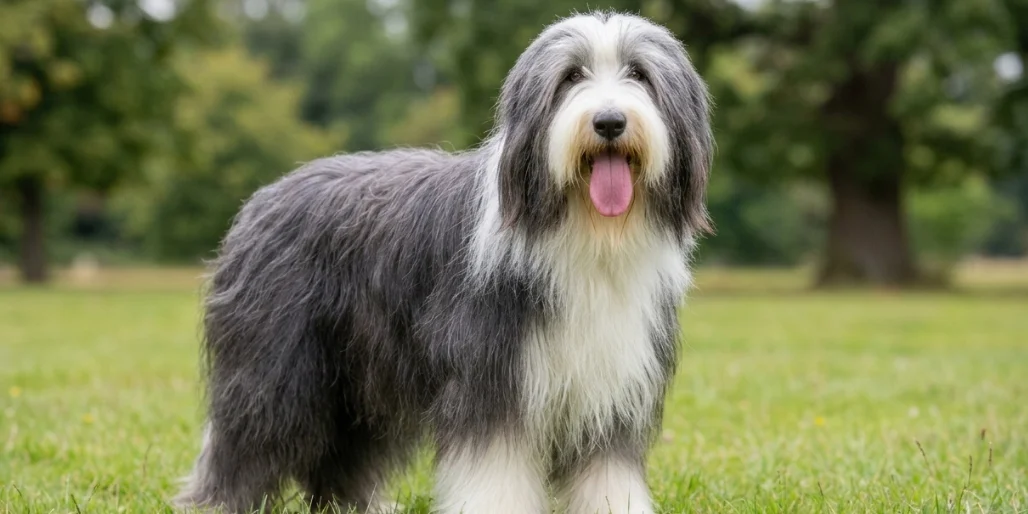
Thinking about bringing a Bearded Collie into your home? This guide will help you understand if the Bearded Collie is the right breed for you, covering everything from their unique characteristics and similar breeds to their care needs and temperament. Get ready to dive deep into the world of these shaggy, energetic dogs!
Understanding the Bearded Collie Breed
Breed Characteristics
The Bearded Collie, often affectionately called a Beardie, is a medium-sized dog breed renowned for its shaggy, flowing double coat and vivacious personality. Originally bred as a working dog to herd sheep and cattle in the Scottish Highlands, this breed boasts a history rich in canine capability. A typical adult Bearded Collie weighs between 45 and 55 pounds, with a lively and intelligent temperament that makes them both a delightful companion and an active dog. This breed is right for those who appreciate a dog with both brains and beauty, as their intelligence is matched by their distinctive appearance.
Similar Breeds
If you’re drawn to the Bearded Collie, you might also be interested in other herding breeds with similar characteristics. Old English Sheepdogs, for instance, share a shaggy coat and a friendly disposition, though they are generally larger. Another comparison could be made to other collie-type dogs, though each has its own distinct traits. Understanding these similarities and differences is crucial when deciding if the Bearded Collie is the right breed for you, ensuring you choose a companion that perfectly fits your lifestyle and expectations, especially considering their needs as a high-energy working dog at heart.
Is the Bearded Collie the Right Breed for You?
Deciding if a Bearded Collie is the right breed for you involves a thorough understanding of their needs and temperament. Beardies are active dogs that thrive on mental and physical stimulation, making them excellent companions for active individuals or families who can provide plenty of exercise and engagement. Their intelligent nature means they excel in dog sports like agility, but also require consistent training and early socialization. If you’re prepared for regular grooming to maintain their shaggy double coat and can commit to their activity levels, a Beardie can be an incredibly rewarding and loving addition to your home. You can find out more by visiting the dog A-Z Breeds Guide or Pawandbreeds brands.
Grooming and Care for Bearded Collies
Grooming Guide
Are you ready to commit to the grooming needs of a Bearded Collie? The shaggy double coat of a Beardie requires consistent attention to prevent mats and keep your dog looking its best. Regular brushing, ideally several times a week, is essential for this breed. A thorough brush should reach down to the skin to remove loose hair and any debris, making grooming a bonding experience for you and your Bearded Collie. Many Beardie owners opt for professional grooming every few months to maintain their dog’s coat, especially around the face and feet, ensuring they remain a healthy breed.
Exercise Needs
Bearded Collies are an active dog breed that thrives on plenty of exercise. As a herding dog, they were originally bred to work sheep and cattle in the Scottish Highlands, meaning they possess a natural exuberance and a need for mental and physical stimulation. Daily walks, playtime in a secure yard, and even dog sports like agility are excellent ways to meet a Beardie’s exercise requirements. Without adequate activity, a Bearded Collie can become bored and potentially destructive, so ensuring they have outlets for their energy is crucial for their well-being and temperament.
Health Concerns
While generally a healthy breed, Bearded Collies can be prone to certain health conditions that future Beardie owners should be aware of. Hip dysplasia, a common orthopedic issue in many medium-sized dog breeds, can affect Beardies. Other concerns include Addison’s disease, an endocrine disorder, and Collie Eye Anomaly. Reputable breeders will screen their dogs for these conditions, and it’s always advisable to discuss any health concerns with your veterinary professional. Understanding these potential issues ensures you can provide the best possible care for your beloved Bearded Collie.
Finding a Bearded Collie Breeder
Choosing a Reputable Bearded Collie Breeder
Choosing a reputable Bearded Collie breeder is a crucial step in bringing a healthy and well-socialized puppy into your home. A good breeder prioritizes the health and temperament of their dogs, adhering to the breed standard set by organizations like the American Kennel Club (AKC) or the Bearded Collie Club. They will be transparent about their breeding practices, health screenings for conditions like hip dysplasia or Addison’s disease, and the living conditions of their Bearded Collie puppies. Avoid breeders who seem unwilling to answer questions or rush the process, as this could be a red flag regarding the quality of their breeding program and the well-being of the Bearded Collie dog breed.
Questions to Ask Your Breeder
When you’ve found a potential breeder for your Bearded Collie puppy, it’s essential to ask thorough questions to ensure you’re making an informed decision. Inquire about the health history of the parent dogs, asking for proof of health clearances for common breed issues like hip dysplasia or Collie Eye Anomaly. Ask about the puppy’s socialization process, how they are raised, and what vaccinations they will receive before coming home. A reputable breeder will also ask you questions to ensure their Bearded Collie is going to a suitable home, demonstrating their commitment to the welfare of the breed. This interaction is key to understanding if this Bearded Collie breeder is right for you.
Preparing for Your New Bearded Collie
Bringing a new Bearded Collie puppy home is an exciting time, but preparation is key to a smooth transition for your new family member. Ensure you have all the necessary supplies, including food, a crate, toys, and grooming tools suitable for their shaggy double coat. Puppy-proof your home, removing any potential hazards that a curious Beardie might encounter. Start thinking about a training schedule and early socialization, as these intelligent dogs thrive on routine and positive experiences. Getting ready for your Bearded Collie’s needs ensures a happy and healthy start for your new companion, integrating them seamlessly into your life.
Conclusion
Summary of Bearded Collie Care
In summary, caring for a Bearded Collie involves a commitment to their unique needs, from their extensive grooming requirements to their high energy levels. This active dog breed thrives on regular exercise, mental stimulation, and consistent training to channel their herding dog instincts. Their shaggy double coat necessitates frequent brushing to prevent mats, making grooming a significant part of their care. While generally a healthy breed, being aware of potential health concerns like hip dysplasia is important for all Beardie owners. With proper care, a Bearded Collie is a loyal, intelligent, and affectionate companion, truly embodying the spirit of a working dog.
Resources for Bearded Collie Owners
For current and prospective Bearded Collie owners, a wealth of resources is available to support you in providing the best care for your Beardie. The Bearded Collie Club of America (BCCA) is an excellent starting point, offering valuable information on breed health, responsible breeding practices, and events. Online forums and social media groups dedicated to the Bearded Collie dog breed allow you to connect with other Beardie owners, share experiences, and seek advice. Consulting with your veterinary professional is also crucial for personalized health and wellness guidance, ensuring your Bearded Collie remains a healthy and happy member of your family.
Paw and Breeds Brands and the Dog A-Z Breeds Guide
For further exploration into the world of dog breeds, including the charming Bearded Collie, Pawandbreeds Brands offers a comprehensive Dog A-Z Breeds Guide. This resource is invaluable for anyone researching different dog breeds, providing detailed information on characteristics, care, and temperament. Whether you’re considering a Bearded Collie or simply curious about other breeds, the guide serves as an excellent starting point for all your canine inquiries. It helps prospective Beardie owners understand if the Bearded Collie is the right breed for them, ensuring they make an informed decision for a lifetime of companionship.
FAQ’s
Q: What are the bearded collie needs when people bring one home?
A: A Bearded Collie needs lots of daily exercise, mental stimulation, regular grooming, and consistent socialization. They were bred to herd and droving dog work, so they thrive on jobs and play. Without enough activity they can become destructive or develop nuisance behaviors, so plan walks, training, and playtime.
Q: What’s the typical bearded collie temperament — are they good with children and families?
A: Bearded collies are generally an excellent family dog: friendly, lively and good with children. They’re social and love being part of the household. Keep in mind they have independent thinking and can be easily bored, so reward-based training and clear rules and regulations at home help keep them well-mannered.
Q: How big do bearded collies get and what’s their lifespan?
A: Modern breed standards put them in medium and large categories, usually about 45 to 55 pounds. Lifespan is typically around 12–14 years with good care, regular veterinary care, and a healthy lifestyle.
Q: Are there common health issues I should watch for, like hemolytic anemia?
A: Yes, Bearded Collies can have certain genetic and immune-related problems; hemolytic anemia is one concern in some lines. Routine veterinary care, health screening by responsible breeders, and pet insurance can help manage risks and costs if issues arise.
Q: Where can I find puppies available and how does a breed club help?
A: Look for reputable breeders recommended by a breed club — they follow rules and regulations, do health testing, and prioritize temperament. Local breed club contacts can point you to puppies available, rescue options, and advise on breeders who health-test for things like hemolytic anemia and temperament.
Q: How should I train a Bearded Collie — are they stubborn or easy to train?
A: They can show independent thinking and sometimes be stubborn, but they respond really well to reward-based training and positive reinforcement. Keep sessions short and fun to prevent boredom, and give them tasks that tap into their herding instincts.
Q: Do Bearded Collies have any famous history, like at Crufts or notable dogs such as Jeannie of Bothkennar?
A: Yes — the breed has an interesting show history. Jeannie of Bothkennar is a well-known name, and Willison and other local Scottish lines contributed to the modern breed. While not as flashy as the best in show at Crufts winners, Bearded Collies have made appearances at shows, including memorable times like the show at Crufts in 1989.
Q: How do Bearded Collies compare to breeds like Polish Lowland Sheepdogs?
A: Both are herding types and can get along well with families, but Bearded Collies are typically larger and have a different coat and working style. Both breeds are intelligent, easily bored if unstimulated, and need similar mental and physical exercise, though specifics vary by individual dog.
Q: Any final tips on daily care, insurance, and living with a bearded collie?
A: Give them consistent exercise, grooming, and veterinary care, consider pet insurance for health events, and channel their energy into jobs or sports to prevent trouble. If you want a truly happy Bearded Collie, embrace their history as a bred-to-herd dog, keep training reward-based, and connect with a breed club for ongoing support.