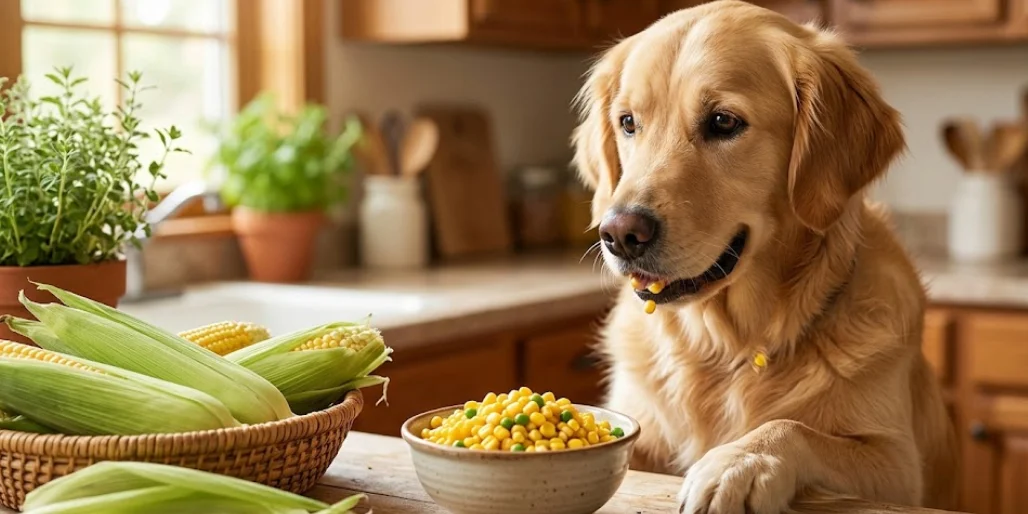
When it comes to our furry friends, it’s natural to wonder what human foods are safe for them to enjoy. Corn is a common staple in many diets, and you might find yourself asking, “Can dogs eat corn?” The short answer is yes, dogs can eat corn, but there are important safety considerations, especially concerning corn on the cob.
Understanding Corn and Dogs
Nutritional Value of Corn for Dogs
Corn offers a surprising amount of nutritional value for dogs when prepared correctly. While often seen as a filler, corn kernels provide essential vitamins and minerals, including linoleic acid, which is an important omega-6 fatty acid beneficial for skin and coat health. It’s a source of carbohydrates, giving your pup a boost of energy.
Benefits of Feeding Corn to Your Dog
Feeding corn to your dog in moderation can be a good way to introduce fiber into their diet, aiding in healthy digestion. Dogs can eat corn that is properly prepared, such as fresh corn kernels removed from the cob, or even some types of cooked corn. It can serve as an occasional treat, adding variety to their usual dog food.
Risks of Feeding Corn on the Cob
While dogs can eat corn kernels, corn on the cob presents a significant choking hazard and a serious risk of intestinal blockage. If your dog ate corn on the cob, it’s crucial to contact your veterinarian immediately. The cob itself is indigestible and can cause severe internal problems, requiring emergency veterinary intervention.
What to Do If Your Dog Eats Corn on the Cob
Identifying Immediate Risks
If your dog ate corn on the cob, the primary immediate risk is an intestinal blockage or a choking hazard. The indigestible cob can get lodged in their digestive tract, causing severe discomfort and potential internal damage. Observe your pup for signs like vomiting, diarrhea, lethargy, or a loss of appetite, as these could indicate a serious problem.
When to Consult a Veterinarian
It’s always best to consult a veterinarian immediately if your dog ate corn on the cob. Even if your dog seems fine, an intestinal blockage can develop hours later. Your vet can advise on the best course of action, which might include monitoring or an emergency visit to prevent serious complications that require veterinary intervention.
Safe Recovery Tips
Do not try to induce vomiting if your dog ate corn on the cob, as this could cause further damage. Instead, follow your veterinarian’s advice precisely. They might suggest a bland diet, careful observation for symptoms of intestinal blockage, or even diagnostic imaging to locate the cob and determine if it’s safe to pass naturally or if surgical removal is necessary.
Feeding Corn to Your Dog Safely
How to Introduce Corn to Your Dog’s Diet
When you introduce corn to your dog’s diet, start with a very small amount to see how they react. Some dogs might develop a corn allergy, so monitor for any signs of discomfort or digestive upset. Offering a few corn kernels as an occasional treat is a great way to let your dog try corn without overdoing it.
Safe Ways to Serve Corn
To safely feed your dog corn, always ensure it’s removed from the cob. Cooked corn, such as steamed or boiled fresh corn kernels, is best. Avoid feeding your dog corn that is heavily buttered, salted, or seasoned, as these additions are not good for dogs. Plain, sweet corn is the safest option for your pup.
How Much Corn is Too Much?
While dogs can eat corn, moderation is key. Corn should only be an occasional treat and not a main component of their dog food diet, as it’s high in carbohydrates. A small amount of corn kernels, perhaps a tablespoon or two for a medium-sized dog, is generally safe. If you’re wondering how much corn is too much, always err on the side of less to prevent an upset stomach or excessive calorie intake. For more insights on safe human foods, check out our guide on “Vegetables Dogs Can and Can’t Eat.”
Alternatives to Corn for Dogs
Other Vegetables Dogs Can Eat
If you’re looking for other safe and healthy vegetables that dogs can eat, there’s a wide variety beyond just corn kernels. Many fresh vegetables are good for dogs, offering different nutrients and textures. Consider options like green beans, carrots, or peas, all of which can be given in moderation as an occasional treat. Always introduce new vegetables slowly to avoid any digestive upset.
Homemade Dog Food Options
For those who prefer to control their pup’s diet, homemade dog food can be a fantastic alternative. You can incorporate lean proteins, healthy grains, and a range of dog-safe vegetables to create a balanced meal. Ensure any ingredients, including corn if you choose to include it, are properly cooked and free from seasonings or additives that are bad for dogs. Always consult your veterinarian for balanced recipes.
Consulting Your Veterinarian about Dog Food
Before making significant changes to your dog’s diet, especially when considering homemade dog food or introducing new items, always consult your veterinarian. They can provide personalized advice based on your dog’s specific health needs, age, and any existing conditions. Your vet can help ensure that any new food, including corn for dogs, contributes positively to their overall nutritional value and well-being.
Conclusion
Final Thoughts on Dogs Eating Corn
In conclusion, dogs can eat corn, specifically the corn kernels, in moderation and when properly prepared. While corn offers some nutritional value, the key takeaway is to avoid the cob at all costs due to the severe risks of intestinal blockage and choking hazard. Always prioritize your dog’s safety and consult your veterinarian if your dog ate corn on the cob or exhibits any adverse reactions.
Reminder on Safe Feeding Practices
When feeding corn to your dog, remember that fresh corn or cooked corn kernels removed from the cob are generally safe for dogs to eat. Avoid added butter, salt, or spices, as these are not good for dogs. Always serve corn as an occasional treat, not a meal replacement, to prevent excessive carbohydrate intake. Your pup’s health depends on responsible feeding.
Learn More About Safe Vegetables for Dogs
If you’re interested in further exploring safe vegetables for dogs, there’s a wealth of information available. Understanding which produce items are beneficial and which to avoid is crucial for your pet’s health. For more detailed insights, you can find comprehensive guides on various vegetables your dog might enjoy on Pawandbreeds.