Discover everything you need to know about the charming Tibetan Spaniel, a small dog with a big personality. This comprehensive guide will delve into the breed’s rich history, distinctive characteristics, and essential care tips to help you understand and appreciate these wonderful companions.
Tibetan Spaniel Overview
History of the Tibetan Spaniel
The Tibetan Spaniel is an ancient breed, originating in the remote monasteries of Tibet where they were cherished companions to Buddhist monks. These little dogs served as watchdogs, alerting the monks to approaching strangers with their barks, and were highly valued for their keen senses and affectionate temperament. Their history is deeply intertwined with Tibetan culture, making them a fascinating and historically significant breed.
Characteristics of the Breed
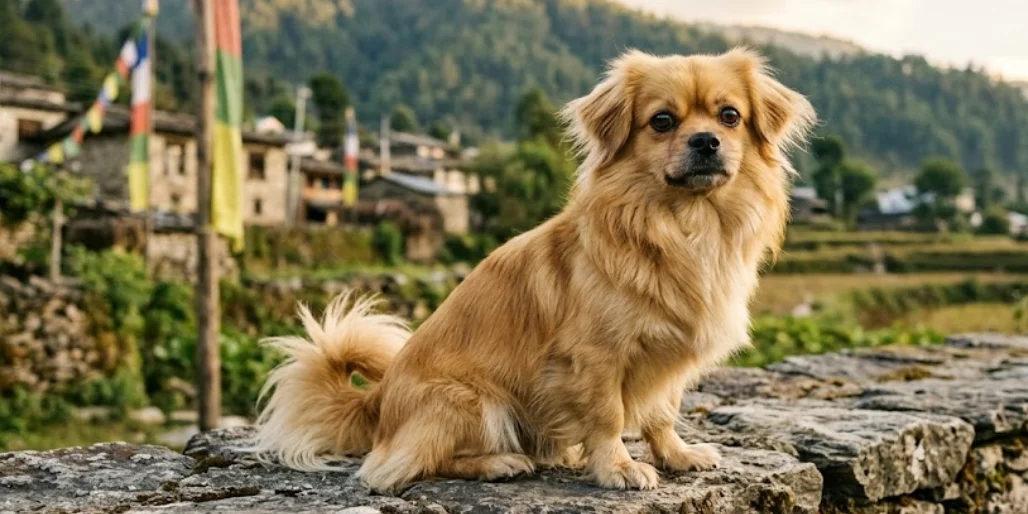
The Tibetan Spaniel, often affectionately called a “Tibbie,” is a small breed, typically standing around 10 inches tall. They possess an expressive face, a slightly domed head, and a distinctive muzzle. Their temperament is generally playful and intelligent, though they can be aloof with strangers, making early socialization important for a well-adjusted puppy.
Understanding the Breed Standard
The breed standard, as recognized by organizations like the American Kennel Club and the Tibetan Spaniel Club of America (the AKC parent club), outlines the ideal physical and temperamental traits of the Tibetan Spaniel. Key features include a silky coat, a plume tail that should curl over the back when moving, and a build that is slightly longer than tall. Understanding the breed standard is crucial for any breeder or prospective dog owner.
Grooming and Care
Grooming the Silky Coat
The Tibetan Spaniel’s beautiful silky coat requires regular attention to keep it in prime condition and prevent mats, especially the longer feathering on the ears, tail, and legs. While not overly demanding, consistent grooming will ensure your Tibbie looks their best and remains comfortable. A good brushing routine is key to maintaining their elegant appearance.
Managing the Double Coat
Despite its luxurious appearance, the Tibetan Spaniel’s double coat is relatively easy to manage compared to some other long-haired breeds. The soft undercoat provides warmth, while the silky outer coat protects them from the elements. Regular brushing helps to remove loose hair and keep the coat healthy, preventing excessive shedding and matting, particularly around the neck and behind the ears.
Regular Maintenance Tips
Beyond brushing, regular maintenance for your Tibetan Spaniel includes nail trims, ear cleaning, and dental care. While these small dogs are generally robust, awareness of potential health concerns like progressive retinal atrophy is important. A good grooming routine not only keeps your Tibbie looking smart but also allows for regular health checks, contributing to their overall well-being.
Temperament and Behavior
Personality Traits of Tibetan Spaniels
Tibetan Spaniels, or “Tibbies,” are known for their delightful and unique personality traits. They are generally intelligent, affectionate, and playful, forming strong bonds with their families. However, they can also exhibit an independent streak and may be aloof with strangers, a characteristic that harks back to their history as watchdogs in Tibetan monasteries. Their expressive faces often convey their emotions clearly, making them engaging companions.
Understanding Barking Habits
As an ancient breed, the Tibetan Spaniel’s barking habits are rooted in their original role as “little dog” alarm systems for Buddhist monks. They are known to bark to alert their owners to approaching strangers or unusual sounds, demonstrating their inherent watchdog instincts. While their barks are not typically excessive, proper socialization and training from a young puppy age can help manage and direct this behavior, ensuring it remains a helpful alert rather than a nuisance.
Socialization Needs
Early and consistent socialization is crucial for a well-adjusted Tibetan Spaniel puppy. Exposing your small dog to various sights, sounds, people, and other friendly dogs from a young age helps them develop into confident and well-mannered adults. Without adequate socialization, their natural aloofness with strangers might become more pronounced, potentially leading to shyness or a lack of confidence in new situations. This helps them embrace their role as a cherished family member.
Exercise and Activity Requirements
Daily Exercise Needs
Despite being a small breed, Tibetan Spaniels have moderate daily exercise needs to keep them happy and healthy. A couple of short, brisk walks each day, perhaps 20-30 minutes each, combined with some playtime in a securely fenced yard, is usually sufficient. These activities help them burn off energy, maintain a healthy weight, and engage their intelligent minds. Regular activity prevents boredom and supports their overall well-being.
Fun Activities for Your Tibetan Spaniel
Tibetan Spaniels enjoy a variety of activities that stimulate both their bodies and minds. Beyond walks, they love playing fetch, engaging in puzzle toys, or even participating in dog sports like agility or obedience if they show an interest. These small dogs also enjoy accompanying their owners on outings, whether it’s a trip to a pet-friendly park or a casual stroll around the neighborhood, making them wonderful companions for an active lifestyle.
Signs of Under-Exercising
If your Tibetan Spaniel is not getting enough exercise, you might notice certain signs of under-exercising. These can include destructive behaviors, excessive barking, restlessness, or even weight gain. A bored or under-stimulated Tibbie might also become more vocal or prone to mischief around the house. Ensuring they receive adequate physical and mental stimulation is key to preventing these issues and maintaining a well-behaved, happy companion.
Choosing a Tibetan Spaniel Puppy
Finding a Reputable Breeder
When you are ready to bring a Tibetan Spaniel puppy into your home, finding a reputable breeder is paramount. A good breeder will prioritize the health and temperament of their Tibetan Spaniel breed dogs, ensuring that the puppy you welcome has the best possible start in life. Look for breeders who are open about their practices, willing to answer all your questions, and can provide health clearances for the parent dogs, demonstrating their commitment to producing healthy Tibetan Spaniel puppies.
What to Look for in a Puppy
When selecting a Tibetan Spaniel puppy, observe its overall demeanor and health. A healthy puppy should be playful, curious, and have bright, clear eyes. Check for a clean coat, free from any signs of skin irritation, and ensure its ears and nose are clean. A well-socialized little dog will also show an engaging temperament, not overly timid or aggressive, which indicates a good foundation for future dog ownership and a happy companion.
Health Considerations for Puppies
Prospective owners should be aware of potential health concerns even in young Tibetan Spaniel puppies. A reputable breeder will have already screened for common inherited conditions, but it’s always wise to discuss the health history of the parent dogs. Early veterinary check-ups for your new small dog are essential to establish a baseline of health and to set up a vaccination schedule, ensuring your Tibbie grows into a robust and healthy adult.
Health Concerns and Lifespan
Common Health Issues
While the Tibetan Spaniel is generally a healthy small breed, there are some common health concerns that owners should be aware of to ensure a long and happy life for their Tibbie. These can include progressive retinal atrophy, patellar luxation, and certain dental issues. Regular check-ups with your veterinarian can help detect these conditions early, allowing for timely intervention and management, which is crucial for maintaining the quality of life for your cherished companion.
Veterinary Care Recommendations
Consistent veterinary care is fundamental for ensuring a healthy lifespan for your Tibetan Spaniel. Annual check-ups, regular vaccinations, and preventative treatments for parasites are all vital. Discussing a balanced diet and appropriate exercise levels with your vet will also contribute significantly to your small dog’s well-being. Additionally, staying informed about breed-specific health concerns and discussing any unusual symptoms with your vet promptly can make a big difference in their health.
Ensuring a Healthy Lifespan
To ensure your Tibetan Spaniel enjoys a healthy and full lifespan, a holistic approach to care is essential. This includes providing a nutritious diet, maintaining a suitable exercise routine, ensuring proper grooming for their silky coat, and consistent veterinary care. Mental stimulation, through training and play, is equally important for their overall well-being. A loving home environment, combined with diligent care, will help your Tibbie thrive for many years as a beloved family member.
Additional Resources
Exploring the Dog A-Z Breeds Guide
For those who want to delve deeper into various dog breeds, exploring a comprehensive resource like the Dog A-Z Breeds Guide can be incredibly helpful. It provides extensive breed information, allowing you to compare the Tibetan Spaniel with other breeds or simply expand your knowledge of the canine world. This guide is an excellent starting point for understanding characteristics, history, and care requirements across a wide spectrum of dogs.
Connecting with Other Owners
Connecting with other Tibetan Spaniel owners can be an invaluable resource. Online forums, local breed clubs, or social media groups offer opportunities to share experiences, ask questions, and gain insights into the unique aspects of owning a Tibbie. These communities often provide practical advice on training, grooming, and managing the temperament of your small dog, fostering a supportive network for all Tibetan Spaniel enthusiasts.
Further Reading and References
To further enrich your understanding of the Tibetan Spaniel, seek out additional reading materials and references. Books dedicated to the breed, articles from reputable kennel clubs like the American Kennel Club, or publications from the Tibetan Spaniel Club of America can offer detailed insights into their history, breed standard, and care. Such resources, along with the information provided by Pawandbreeds, will equip you with everything you need to know to be a responsible and loving Tibbie owner.
FAQ
Q: What exactly is the Tibetan Spaniel breed, and how does breed information describe them?
A: So the Tibetan Spaniel breed is basically one of those ancient little companion dogs from Tibet, bred way back to hang out in monasteries and act as tiny watchdogs (they’d sit on walls and bark if strangers approached, super handy). Breed information on these guys usually describes them as active and alert, small in proportion, with a lot of personality packed into a compact body. They’re not actually true spaniels in the sporting sense, they just got the name because of their coat and appearance. Think of them as ancient royalty with a mind of their own.
Q: How is the Tibetan Spaniel different from other tibetan breeds like the tibetan terrier or lhasa apso?
A: Great question because people mix these up all the time. All three are tibetan breeds that came from similar monastic backgrounds, but they’re pretty distinct. The tibetan terrier is bigger and shaggier all over, the lhasa apso has that long flowing coat covering its whole body and face, and the Tibetan Spaniel is smaller with a shorter muzzle and a mane around the neck that the others don’t really have in the same way. Honestly, once you see them side by side, the differences click pretty fast.
Q: People say Tibetan Spaniels look like a pekingese, is that true?
A: Yeah, there’s definitely a resemblance, and it’s not a coincidence since both breeds share some ancient roots and were both bred as companion dogs for Asian nobility. But the pekingese is more heavily boned, flatter faced, and has that classic wide waddling gait. The Tibetan Spaniel is lighter, more athletic looking, and moves with way more spring in its step. So similar vibe, different build.
Q: What colors and combinations are acceptable in the breed standard?
A: This is one of the cool things about the breed, honestly. The breed standard allows basically all colors and combinations of colors, so you’ll see golds, creams, reds, blacks, white markings, tricolors, you name it. There’s no strict rule saying they have to be one specific shade, which makes every litter kind of a surprise box in terms of coat color.
Q: What does the breed standard say about the coat, mane, and tail?
A: So the coat is silky, and adult males especially tend to have a really noticeable mane around the neck and shoulders, kind of like a tiny lion look, males than females usually show more of this feature. The tail is set high and carried in a gay curl over the back when the dog is moving, and it’s well furnished with longer hair, so it’s fluffy and dramatic looking. The ears are set fairly high too and have nice feathering.
Q: What should I look for regarding the head, eyes, and bite in a healthy Tibetan Spaniel?
A: The head should be small in proportion to the body, with a slight lift from the skull to the muzzle rather than a totally flat face. Eyes should be dark brown in color, oval shaped, bright and expressive, and set fairly well apart so the dog doesn’t look cross eyed or too close together. As for the bite, the standard actually allows a slightly undershoot mouth as long as the mouth is closed comfortably and it’s not so extreme that it causes problems. It’s one of those breed quirks people ask about a lot.
Q: How big do Tibetan Spaniels get, and what about their build?
A: They’re small dogs, usually around 10 inches at the shoulder, sometimes a touch more or less depending on the individual. Despite being tiny, they should be well ribbed with good depth in the chest, so they’re not fragile or weak looking, they’ve got a sturdy little body under that fluffy coat. The foreleg should be straight too, giving them a solid stance rather than looking wobbly or bowed.
Q: How much amount of exercise does a Tibetan Spaniel actually need?
A: Honestly not a ton. They’re companion dogs at heart, so a couple of short walks plus some playtime indoors usually covers it. They’re alert and like to patrol the house or yard, which burns some energy too. They’re not the breed you take on marathon hikes, but they do appreciate a bit of daily activity to stay happy and not bored.
Q: When was the breed club or standard formed in 1971, and why does that matter?
A: Yeah so the breed standard was actually formed in 1971 when clubs got organized to officially recognize and standardize what a proper Tibetan Spaniel should look like, since before that they were bred pretty informally in Tibet for centuries without a written standard. That 1971 milestone is often referenced because it’s when the breed really started getting structured recognition in the western show world.
Q: How do I find dedicated breeders or responsible breeders for this breed?
A: Your best bet is looking for dedicated breeders who are active in breed clubs, do health testing, and can answer detailed questions about temperament, coat colors and combinations, and lineage without getting cagey. Responsible breeders will usually let you meet the puppy’s parents, show you health clearances, and won’t rush you into a purchase. Avoid anyone who can’t answer basic breed standard questions, that’s a red flag they’re not really invested in preserving the breed properly.