Considering adding a Catahoula Leopard Dog to your family? This comprehensive guide will help you understand if this unique and energetic breed is the right fit for your lifestyle and home.
Catahoula Leopard Dog Overview
History of the Catahoula Leopard Dog
The Catahoula Leopard Dog, often simply called a Catahoula, boasts a rich and fascinating history rooted deep in the swamps of Louisiana. Believed to have originated from Native American dogs and the mastiffs brought by Spanish explorers like Hernando de Soto, this breed was developed as a multi-purpose working dog. Its primary role was to herd and bay wild hogs and cattle, earning it the nickname “Catahoula Hog Dog.” The National Association of Louisiana Catahoulas actively promotes and preserves this remarkable breed, which has been the official state dog of Louisiana since 1979.
Physical Characteristics
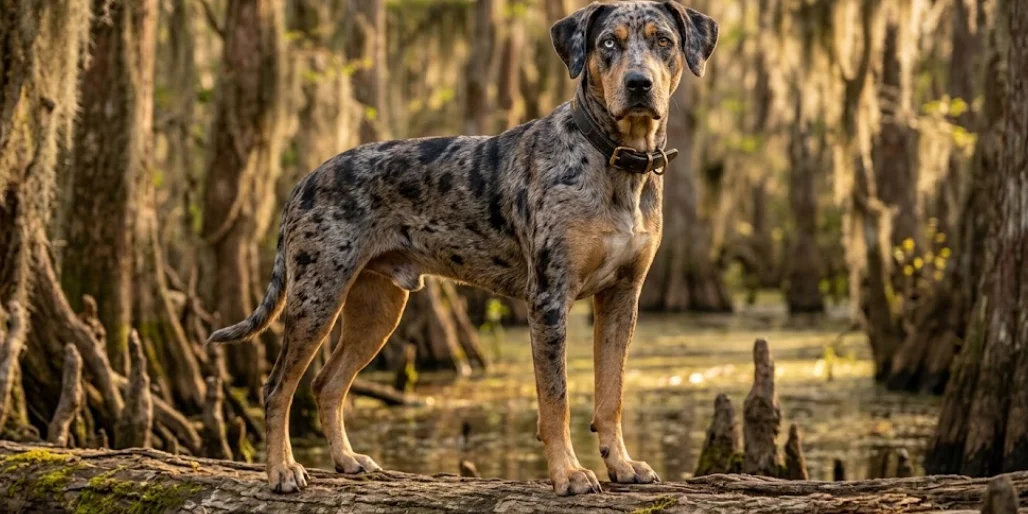
The Catahoula Leopard Dog breed is easily recognizable by its striking appearance. These dogs are medium to large, muscular, and athletic, designed for endurance and agility. They possess a distinctive leopard pattern, often referred to as merle, which comes in a variety of coat colors and patterns. While some Catahoulas display solid colors, many exhibit unique patches, spots, and sometimes even predominantly white coats. Their single coat is generally short to medium in length, and they typically have expressive drop ears.
Common Health Issues
While generally a robust and healthy breed, the Catahoula Leopard Dog can be prone to certain health issues, similar to many purebred dogs. Responsible breeders often screen for conditions such as hip dysplasia, elbow dysplasia, and various eye anomalies. Deafness, particularly in Catahoulas with a high percentage of white in their coat or those with two merle parents, is also a concern. Regular veterinary check-ups and a healthy lifestyle are crucial for these active working dogs to thrive.
Temperament of the Catahoula Leopard Dog
Personality Traits
The temperament of the Catahoula Leopard Dog is as unique as its striking coat. These dogs are known for being intelligent, independent, and incredibly loyal to their families. While they can be affectionate with their loved ones, they also possess a strong working dog drive, meaning they thrive on having a job to do. Their independent nature comes from their history as a multi-purpose working dog, capable of making decisions while herding in the swamps.
Socialization Needs
Early and consistent socialization is crucial for a Catahoula Leopard Dog. Exposing them to a variety of people, places, and other animals from a young age helps them develop into well-adjusted companions. Without proper socialization, their natural protective instincts might become overbearing. A well-socialized Catahoula will be confident and calm in different situations, making them much more enjoyable to live with.
Training and Obedience
Training a Catahoula Leopard Dog requires patience, consistency, and a firm yet gentle hand. Their intelligence means they learn quickly, but their independent streak can sometimes make them challenging. Positive reinforcement methods work best with this breed, as they respond well to rewards and praise. Given their working dog background, they excel in activities like obedience, agility, and even search and rescue.
Living with a Louisiana Catahoula Leopard Dog
Exercise Requirements
The Louisiana Catahoula Leopard Dog is an extremely energetic breed that requires a significant amount of exercise to stay happy and healthy. These dogs were bred for endurance and activity, so daily vigorous exercise, such as long runs, hikes, or swimming, is essential. Without adequate physical activity, a Catahoula can become bored and destructive, potentially leading to behavioral issues around the house.
Grooming Needs
Grooming a Catahoula Leopard Dog is relatively straightforward due to their short, single coat. They are moderate shedding dogs, so regular brushing, perhaps once or twice a week, will help keep their coat healthy and minimize loose hair. Occasional baths are sufficient, and like all dogs, their nails should be trimmed regularly, and their ears checked for cleanliness to prevent infections.
Compatibility with Families and Other Pets
When properly socialized and trained, Catahoula Leopard Dogs can make good family dogs. They are loyal and protective of their human pack, often forming strong bonds with children. However, their high energy and working dog instincts mean they may not be suitable for every household, especially those with very young children or small, vulnerable pets without careful supervision and introduction. For more information on different breeds, check out our Dog A-Z Breeds Guide. Pawandbreeds hopes this guide helps you decide if the magnificent Catahoula Leopard Dog is the right companion for your home.
Is the Catahoula Leopard Dog Right for You?
Assessing Your Lifestyle
Before bringing a Catahoula Leopard Dog into your home, it’s crucial to honestly assess your lifestyle. These are not couch potatoes; they are active, intelligent, and independent working dogs. Do you have a large, securely fenced yard? Can you commit to daily vigorous exercise, such as long runs, hikes, or even participation in dog sports like agility or search and rescue? If you lead a busy life with little time for training and activity, this breed might not be the best fit.
Pros and Cons of Owning a Catahoula Leopard Dog
Owning a Catahoula Leopard Dog comes with its unique set of pros and cons. On the positive side, these intelligent and loyal dogs can be incredibly rewarding companions, excelling in various activities and forming strong bonds with their families. They are also relatively low-maintenance in terms of grooming. However, their high energy levels, strong prey drive, and need for consistent training and mental stimulation can be challenging for inexperienced owners. They might not be suitable for apartment living or homes without ample space.
Final Thoughts
Ultimately, the Catahoula Leopard Dog is a magnificent and unique breed, known for its striking leopard pattern and dedicated working dog temperament. They thrive in environments where they receive consistent training, plenty of exercise, and a clear “job” to do. If you’re an active individual or family looking for an intelligent, loyal, and capable canine partner who enjoys outdoor adventures and mental challenges, a Catahoula could be the perfect addition to your life.
Additional Resources
Dog A-Z Breeds Guide
For those interested in exploring various dog breeds and understanding their unique characteristics, our comprehensive Dog A-Z Breeds Guide offers a wealth of information. This resource can help you compare different breeds, including other working dog types, and determine which one best aligns with your lifestyle and family dynamics. It’s a great tool for anyone making such an important decision.
Finding a Reputable Breeder
If you’ve decided the Catahoula Leopard Dog is the right breed for you, finding a reputable breeder is paramount. A good breeder prioritizes the health and temperament of their dogs, screens for genetic conditions like hip dysplasia and deafness, and can provide references. They will also be knowledgeable about the breed standard and the specific needs of the Louisiana Catahoula Leopard Dog, helping you select a well-socialized puppy.
Joining Catahoula Communities
Connecting with other Catahoula owners and enthusiasts can be an invaluable resource. Online forums, local breed clubs, and social media groups dedicated to the Catahoula Leopard Dog can provide support, advice, and opportunities for your dog to socialize. These communities often share insights on training, care, and the unique quirks of this fascinating American dog breed, ensuring you and your Catahoula thrive together.
FAQ
Q: What makes a Catahoula Leopard Dog stand out in terms of breed standards?
A: When you look at the Catahoula Leopard Dog, or catahoula cur as they’re sometimes called, what really pops is their unique coat and those striking eyes. The United Kennel Club (UKC) breed standards highlight their athletic build, which is perfect for working, and their expressive faces. They’re built for agility and endurance, making them super effective working dogs.
Q: Tell me about the typical temperament of a Catahoula Leopard Dog.
A: Catahoulas are generally very intelligent and independent dogs. They can be protective of their family and territory, which makes them excellent watchdogs. They’re also known for their strong prey drive, a trait developed from their history of hunting large game like feral hogs and cattle. With proper socialization and training, they can be great family companions, but they do need a leader.
Q: What are the accepted coat colors and patterns for the Catahoula?
A: This is where Catahoulas really shine! They come in so many different colors and patterns, it’s wild. You’ll see solid colors, brindle, patchwork, and of course, the famous leopard pattern, including blue merle. The leopard pattern is the result of the merle gene, which creates mottled patches of color. Each dog is truly unique!
Q: Do Catahoula Leopard Dogs have specific eye colors that are typical for the breed?
A: Absolutely! Catahoulas are famous for their incredibly diverse eye colors. You’ll often see “cracked” or “glass” eyes, which can be blue, green, amber, or even a combination of colors in one or both eyes. This unique trait is also often associated with the merle gene that gives them their distinctive coat patterns. It’s truly mesmerizing!
Q: What kind of physical build should a Catahoula Leopard Dog have according to breed standards?
A: The Catahoula Leopard Dog is built for work! They should have a powerful, muscular build, showcasing their agility and endurance. They typically have a deep chest, a strong back, and well-muscled legs. Their head should be proportionate to their body, often with a slightly tapered muzzle, and a thick muscular neck. They’re truly athletic machines!
Q: Where does the Catahoula Leopard Dog originate from, and how did that influence their characteristics?
A: The Catahoula Leopard Dog’s roots are deep in Louisiana, particularly around Catahoula Lake. They were originally bred by white settlers in Louisiana to hunt feral hogs and cattle in the swamps and forests. This demanding job created a dog with incredible stamina, a strong work ethic, and a fearless attitude. Their history as a hunting dog is key to understanding their drive and intelligence.
Q: What are the exercise and mental stimulation needs for a Catahoula Leopard Dog?
A: These aren’t couch potatoes, folks! Catahoulas need a significant amount of exercise and mental stimulation to be happy and well-behaved. Think long walks, runs, hikes, or even dog sports like agility. Because of their intelligence and working background, they also thrive on tasks and challenges. Without enough activity, they can become bored and potentially destructive. They need a job!
Q: How does the “merle gene” affect the Catahoula’s appearance beyond just the leopard pattern?
A: The merle gene is responsible for more than just the incredible different colors and patterns you see in a Catahoula’s coat, like the blue merle and the leopard spot patterns. It can also influence their eye color, leading to those striking blue or “cracked” eyes. While beautiful, it’s important to understand the genetics, as breeding two merle dogs can have health implications, so responsible breeding is crucial.
Q: Is there a typical tail and ear set for the Catahoula Leopard Dog?
A: Generally, a Catahoula’s tail can be either a natural bobtail, or set high and tapering to the hocks, sometimes with a white tip. When it comes to their ears, they are typically short to medium in length, dropped, and triangular, lying close to the head. Both their tail and ear set contribute to their alert and intelligent expression, which is characteristic of the breed.