A service dog is a specially trained service animal legally defined to do work or perform tasks for individuals with disabilities, including physical, sensory, psychiatric, or intellectual impairments. To successfully fulfill these demanding service roles, every working dog must undergo rigorous service dog training to ensure reliable public access behavior. Whether you want to get a service dog for daily independence or need a trained service dog for specific medical alerts, understanding the foundational definition of an assistance dog is the crucial first step before exploring the best dog breeds available today.
Understanding Service Dogs
What is a Service Dog?
A service dog is an individual dog specifically trained to mitigate a disability, functioning far beyond the scope of ordinary pets or therapy dogs. When people look to choose the right dog, they often research what breed is best for intense service work. While almost any kind of dog can theoretically learn basic manners, finding a truly great service dog requires evaluating temperament, intelligence, and health. The ideal service dog breed possesses a calm demeanor, high trainability, and a strong natural desire to assist human companions through various daily challenges.
Types of Service Dogs
Different breeds of dogs excel in specialized service roles, ranging from a traditional guide dog for the visually impaired to a specialized mobility assistance animal for physical support. For individuals managing mental health conditions, a psychiatric service dog or PTSD alert dog provides life-changing intervention. Dog owners must carefully choose a service dog that matches their specific medical requirements, as certain tasks demand larger breeds for bracing work, while other medical alert tasks can be safely performed by a smaller breed or even a well-suited small dog.
Benefits of Having a Service Dog
The profound benefits of integrating a trained service dog companion into your life extend far beyond physical utility, offering unmatched emotional security and social confidence. Selecting the right dog breed ensures that the partnership thrives during complex service dog training and daily public outings. As you explore the best dog breeds for service work, remember that thorough preparation and choosing the right service dog will ultimately lead to a harmonious, life-enhancing relationship built on mutual trust and dedicated assistance.
Top 5 Service Dog Breeds
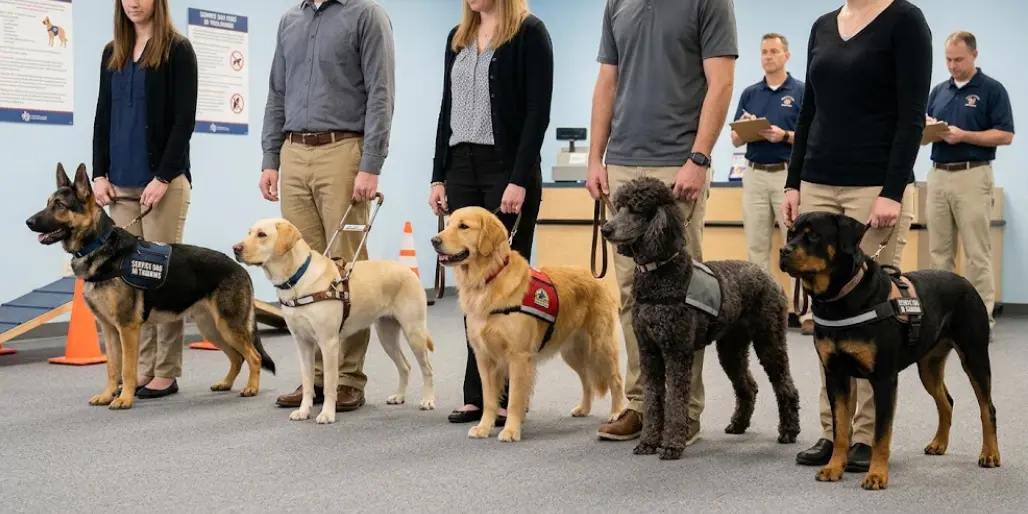
1. German Shepherd
The German Shepherd is widely recognized as an exceptional service dog breed due to its unmatched intelligence, loyalty, and versatility. As a premier working dog, this large dog excels in complex service work, ranging from mobility support to acting as a reliable PTSD alert dog for individuals needing constant vigilance. When dog owners train a dog of this caliber, they benefit from a strong protective instinct and incredible focus. Selecting the right dog breed like the German Shepherd ensures reliable assistance.
2. Labrador Retriever
The Labrador Retriever remains a top choice for service work because of its friendly disposition, high trainability, and eagerness to please. This wonderful service animal frequently serves as a guide dog for the visually impaired or as a mobility assistance partner for physical support tasks. Choosing the right service dog often leads people to this adaptable breed, which adapts effortlessly to rigorous service dog training routines. This breed consistently proves to be an outstanding companion for daily independence and medical tasks.
3. Golden Retriever
The Golden Retriever is another phenomenal service dog choice, celebrated for its gentle temperament, patience, and empathetic nature. This iconic service dog breed performs exceptionally well as a psychiatric service dog and provides comforting support for individuals managing invisible disabilities. Training a service dog from this group is remarkably rewarding because of their natural desire to work closely with humans. For anyone exploring the best dog breeds, the Golden Retriever stands out as a compassionate, highly capable helper for numerous demanding roles.
4. Poodle
The Poodle is a remarkably intelligent and hypoallergenic option that easily ranks among the best dog breeds for specialized assistance tasks. Available in various sizes, they can be trained to help handlers in several ways, including:
- performing mobility tasks
- serving as alert functions
This remarkable service animal combines brains with a low-shedding coat, making it a fantastic choice for handlers with allergies. Investing time to train as a service dog brings out their incredible problem-solving capabilities and unwavering dedication.
5. Rottweiler
The Rottweiler is a powerful and confident working dog that serves admirably in heavy-duty mobility assistance roles requiring substantial physical strength. When properly socialized, this robust service dog breed offers profound stability, making it an effective support dog for individuals requiring heavy bracing or balance stability. While not every kind of dog suits every handler, experienced owners find this powerful breed to be a steadfast partner. You can learn more about these selections by reading our guide on the best dog breeds.
Brought to you by PawandBreeds.
Choosing the Right Dog Breed for Service
Factors to Consider When Choosing
When selecting a service dog breed for specialized assistance, dog owners must evaluate several crucial factors to ensure the dog fits their lifestyle and specific needs. Choosing the right service dog involves assessing:
- Energy levels, size, and health history
- Emotional resilience required for public access
- A calm demeanor and strong problem-solving abilities
Whether it is a well-chosen large dog or a smaller breed, the right companion can make a profound difference in daily independence.
Training Needs of the Breed
Rigorous service dog training is essential for transforming a promising puppy into an elite working dog capable of complex tasks. When you train a dog for public access work, you must dedicate countless hours to obedience and distraction-proofing. Different breeds of dogs absorb commands at varying rates, meaning some require specialized positive reinforcement techniques. Training a service dog demands patience and consistency, ensuring the animal remains focused and reliable whether it acts as a mobility assistance partner or an alert dog in crowded environments.
Temperament and Behavior
A stable temperament is the hallmark of any excellent service dog candidate entering demanding service roles. The ideal service animal must remain calm under pressure, ignoring distractions from people, noises, and other animals. Whether you need a psychiatric service dog or a physical support companion, the selected breed must display unwavering loyalty and low reactivity. Evaluating these behavioral traits early ensures that your chosen service dog breed can safely navigate public spaces while providing steadfast, stress-free emotional and physical assistance.
Best Psychiatric Service Dog Breeds
Characteristics of Psychiatric Service Dogs
The best psychiatric service dog breeds share specific traits, including high emotional intelligence, acute situational awareness, and deep intuition regarding human moods. These specialized assistance dogs must be capable of interrupting panic attacks, performing deep pressure therapy, and creating safe spatial boundaries in public. Unlike standard therapy dogs, these animals undergo extensive service dog training to handle high-stress environments. Finding the right dog breed with a gentle and perceptive nature ensures the handler receives reliable, life-changing support during mental health crises.
Top Breeds for Psychiatric Service Work
Among the top choices for mental health support, the Golden Retriever and German Shepherd stand out as premier options due to their trainability and loyalty. However, handlers often explore different breeds of dogs, including poodles and labs, depending on their living situations and allergy needs. Choosing the right dog breed for psychiatric tasks depends heavily on individual comfort levels and lifestyle constraints. A well-trained service dog from a reputable breed can safely mitigate symptoms of various mental health challenges, offering:
- Constant companionship
- Security
How They Assist with Mental Health
These dedicated animals assist handlers by performing specific tasks designed to interrupt escalating anxiety or disorientation. A trained PTSD alert dog can sense elevated heart rates or chemical changes, waking handlers from nightmares or creating physical space in crowded rooms. This kind of service work requires immense trust between the handler and the service animal. By offering grounding behavior and constant vigilance, these remarkable dogs empower individuals to reclaim their independence, confidently navigating daily life with a steadfast and deeply loyal companion.
Training and Preparing Your Service Dog
Basic Training Requirements
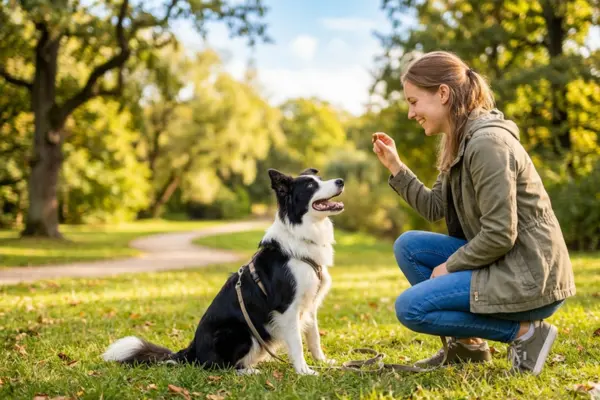
Every successful service dog must complete foundational obedience training to ensure it acts as a reliable assistance dog in public settings. When dog owners embark on this journey, teaching basic manners is the crucial first step for any chosen service dog breed. A well-trained service dog requires consistent positive reinforcement to master essential commands. Whether you are training a service dog for mobility support or general assistance, mastering obedience forms the bedrock of all future specialized work and ensures public safety.
Advanced Service Work Training
Advanced service dog training elevates a capable working dog into a specialized medical or psychiatric service dog. This phase involves teaching complex tasks, such as retrieving medication, providing deep pressure therapy, or acting as an alert dog for specific medical conditions. Choosing the right service dog for advanced tasks requires patience, as different breeds of dogs learn at varying speeds. Dedicated handlers work closely with their dogs to refine these intricate skills, ensuring the animal can handle high-stress environments seamlessly.
Ongoing Training and Socialization
Ongoing socialization ensures that an excellent service dog remains calm and focused throughout its working life. Exposing the dog to new environments, sounds, and crowds is a vital part of maintaining public access readiness for any service animal. Whether working with a large dog or a smaller breed, continuous reinforcement prevents behavioral regression. Regular practice keeps the dog sharp, ensuring it remains a dependable partner for individuals relying on its daily assistance.
Conclusion
Final Thoughts on Choosing the Right Service Dog
Selecting the ideal service dog breed is a monumental decision that profoundly impacts your daily independence and overall quality of life. By thoroughly evaluating your unique medical needs, living situation, and lifestyle, you can choose a service dog that matches your exact requirements. Whether you decide on a loyal German Shepherd or another capable working dog, investing time into careful research ensures a harmonious and lifelong partnership built on mutual trust, dedication, and unwavering support.
Explore More on the Best Dog Breeds
To continue your journey in discovering which dog breed suits your lifestyle, we invite you to explore our comprehensive guide detailing the best dog breeds available for various working roles. Understanding the nuances of each breed helps you make an informed choice before committing to extensive training programs. Whether you need a gentle giant for physical bracing or a smaller companion for alert tasks, our resources provide valuable insights into finding your ideal canine partner.
About PawandBreeds
Brought to you by PawandBreeds.
Frequently Asked Questions About the Best Service Dog Breeds That Could Be a Service Dog
What are the best breeds for service dogs?
Common choices include Labrador Retrievers, Golden Retrievers, and Standard Poodles. These breeds are often selected for their trainability, temperament, and ability to work with people, but the best fit depends on the individual dog and the handler’s needs.
Could a dog of any breed be trained as a service dog?
In many places, service dogs are not limited to a specific breed. A dog may be suitable if it can perform tasks related to a person’s disability, behave reliably in public, and meet applicable training and access requirements. Rules vary by location.
How do I pick a service dog?
Start by identifying the tasks you need a dog to perform and discussing options with a qualified trainer or service-dog organization. Consider temperament, health, size, energy level, and the setting where the dog will work—not just breed reputation.
Are Bernese Mountain Dogs good service dogs?
Some Bernese Mountain Dogs may be suited to particular roles, especially tasks that benefit from a larger, steady dog. However, their size, grooming needs, health considerations, and individual temperament should be weighed against the handler’s circumstances.
Can a little dog be a service dog?
Yes. A little dog can be a service dog if it is trained to perform a task related to a disability. Small dogs may suit tasks such as alerting or responding to sounds, while some mobility tasks require a dog with an appropriate size and build.
What traits are essential for service dogs?
Service dogs need to be healthy, calm in varied environments, responsive to their handler, and able to learn and perform specific tasks consistently. An intelligent dog can be easier to train, but steadiness and suitability for the work matter just as much.
Does a specific breed guarantee that a dog will succeed?
No. Breed can offer clues about likely size, energy, or working tendencies, but every dog is an individual. Compared to other breeds, one breed may be a more common choice, yet no breed guarantees that a dog would thrive in service work.
How can I find a dog for service work?
You can contact reputable service-dog organizations, qualified trainers, or responsible breeders who understand the demands of service work. Ask about health screening, temperament assessments, training methods, and how the organization matches dogs with handlers.
Can I train my own dog to be a service dog?
In some locations, handlers may train their own service dogs, while other regions or programs have different requirements. A dog needs task training and reliable public behavior, so consider working with an experienced trainer and checking local laws.