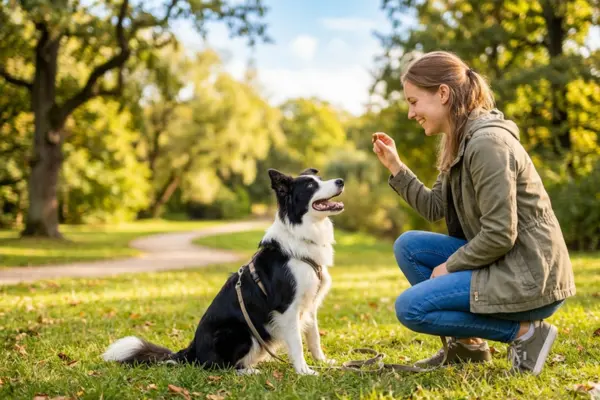
Treats are the safest place to start cooking for your dog. They are small, they don’t need to be nutritionally complete, and you control every ingredient. The risks come from a short list of common kitchen ingredients, mainly xylitol, onion, garlic, and too much salt, so each recipe below comes with the safety rule that matters most for it. This guide introduces six popular treats, what goes into each, and what to watch for, so you can pick one and know what you are making.
Rules that apply to every treat
- Keep treats to about 10 percent of daily calories. Treats are extras. The rest of the diet should come from a complete and balanced dog food.
- Check every label for xylitol. It is highly toxic to dogs and appears in some peanut butters, baked goods, and “sugar-free” products.
- Leave out onion, garlic, chocolate, raisins, grapes, and macadamia nuts. All are harmful to dogs, and onion and garlic hide in broths, sauces, and seasoning mixes.
- Skip added salt and sugar. Dogs don’t need either, and both add up quickly in small treats.
- Introduce one new treat at a time so that if your dog has a stomach upset or allergic reaction, you know the cause.
- Cool treats fully and store them properly. Soft, moist treats spoil faster than dry ones, so refrigerate or freeze what you won’t use within a few days.
- Talk to your vet first if your dog has diabetes, kidney disease, pancreatitis, food allergies, or any condition that affects diet.
Homemade peanut butter oat dog treats
This is the classic starter recipe because it uses only a few pantry ingredients. The base is plain rolled oats or oat flour, peanut butter, and usually an egg or a little water to bind the dough, and the treats are baked until firm.
Safety rule: use peanut butter that contains only peanuts, or peanuts and a small amount of salt. Never use a brand sweetened with xylitol, and avoid “natural” or “reduced sugar” jars until you’ve read the ingredient list. Peanut butter is also high in fat, so keep portions small, especially for dogs prone to weight gain or pancreatitis.
Good to know: oats are a source of fiber and are generally gentle on the stomach, but a dog with a grain sensitivity may need a different base. Baked and fully dried treats keep longer than soft ones.
Homemade chicken broth dog treats
Broth treats turn something savory into a snack. Most versions simmer chicken in plain water, strain it, and then freeze the broth in ice cube trays or silicone molds, or use it to make a chewy biscuit dough. It is a good way to add flavor and moisture to a picky dog’s day.
Safety rule: do not use store-bought broth unless the label confirms it has no onion, garlic, or added salt, because many cartons contain all three. Homemade broth should be made with no seasoning, and strained thoroughly so no bones or fragments remain, since cooked bones can splinter.
Good to know: homemade broth is mostly water and flavor, not a meal, so it works as a topper or frozen treat rather than a substitute for food.
Homemade sourdough dog treats
Sourdough treats use a flour dough made with a sourdough starter, shaped into small biscuits or crackers and baked. Some bakers use leftover starter discard, which makes this a way to avoid waste.
Safety rule: the treats must be fully baked. Raw dough is dangerous for dogs because it keeps rising in the warm stomach and the fermenting yeast produces alcohol, which can cause bloating and poisoning. Keep unbaked dough and starter well out of your dog’s reach, and call your vet right away if your dog eats any.
Good to know: use plain flour dough with nothing added. Avoid raisins, garlic, onion, and heavy seasoning, which are common in human sourdough recipes.
Homemade dog-friendly pizza
A dog-friendly pizza is a novelty treat built on a simple baked crust, such as whole wheat or oat flour, with dog-safe toppings like plain cooked chicken or lean meat, thin slices of carrot or green beans, and a small amount of mozzarella, if your dog handles dairy.
Safety rule: never share human pizza. It typically contains onion and garlic powder in the sauce and crust, plus salt and fatty toppings like pepperoni and sausage. For a dog version, skip tomato sauce unless it is plain, and don’t add any seasoning.
Good to know: this is a rare treat, not a regular one. Cheese adds fat and lactose, so keep it to a sprinkle, and cut the pizza into small pieces for smaller dogs.
Easy homemade banana and carrot dog treats
These soft or baked treats combine mashed banana and grated carrot with oat or whole wheat flour and often an egg. Banana adds natural sweetness and carrot adds fiber, so the result is a mild, naturally flavored treat that needs no added sugar.
Safety rule: banana contains natural sugar, so portions should stay small, and a dog with diabetes should only have these on a vet’s advice. Don’t add sweeteners, honey, or sugar of any kind.
Good to know: soft, moist treats like these spoil quicker than crunchy ones. Refrigerate them and use within a few days, or freeze portions.
Homemade beef jerky for dogs
Dog jerky is lean beef sliced thin and dried slowly until chewy. It makes a high-value reward that many dogs love, and it is useful for training.
Safety rule: use lean cuts and trim visible fat, because fat can go rancid and can upset a dog’s stomach. Heat the meat to an internal temperature of 160°F (71°C) as part of drying, since USDA guidance for jerky recommends this to reduce the risk of bacteria such as salmonella and E. coli, then dry it in a dehydrator or low oven until leathery. Never use human jerky seasoning, marinade, or store-bought jerky, which often contains salt, garlic, and onion.
Good to know: cut strips small for small dogs, because tough jerky can be a choking risk. Fully dried jerky keeps for a week or two in the refrigerator and longer in the freezer.
Choosing where to start
If you have never made dog treats, start with the peanut butter oat treats or the banana and carrot treats, which use the simplest ingredients. The jerky and sourdough recipes take more care, because they involve drying meat safely or handling dough, and are better once you are comfortable with the basics.
Which treats to skip for specific dogs
- Diabetic dogs: banana, honey, and sugary ingredients can affect blood sugar, so check with your vet before offering any treat.
- Dogs with pancreatitis or a history of it: fatty treats such as peanut butter, cheese, and fatty meat are a risk.
- Dogs with food allergies: avoid known triggers, and remember that peanut butter, chicken, beef, wheat, and dairy appear in these recipes.
- Puppies and small dogs: keep portions tiny and pieces small to reduce choking and upset stomachs.
This article is for general information only and isn’t a substitute for advice from your veterinarian. Consult your vet before adding new foods, especially if your dog has a medical condition.