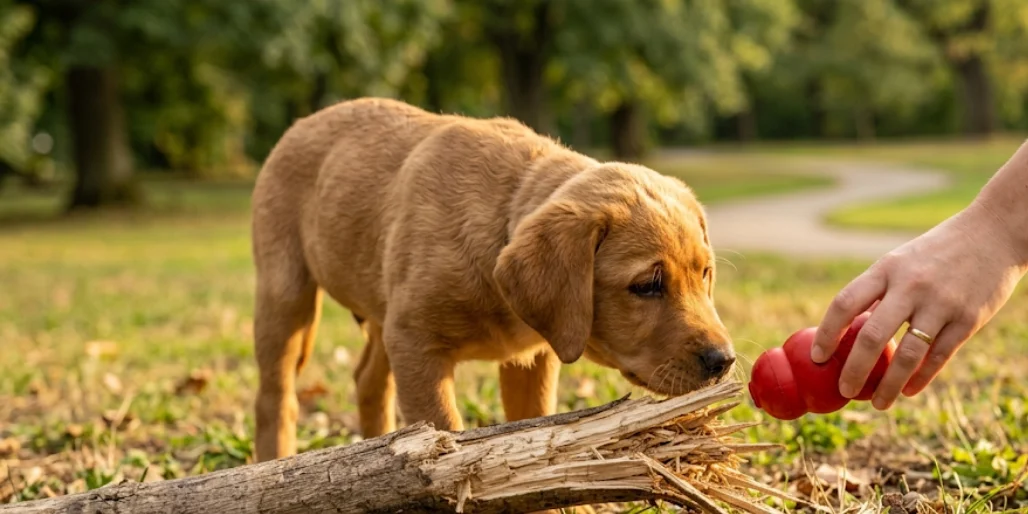
As responsible dog owners, we all want to ensure our furry friends are happy and healthy. One common behavior that often raises questions is chewing. Dogs love to chew, but it’s crucial to understand what is safe for them to gnaw on and what might pose a risk. This article will delve into the world of dog chewing, specifically addressing the safety of chew sticks, and provide you with insights to make informed decisions for your beloved companion’s dental health.
Introduction to Dog Chewing
Dog chewing is a fundamental and instinctual behavior that has been part of canine life for millennia. It’s more than just a pastime; it’s deeply ingrained in their nature, serving various purposes that contribute to their overall well-being. From the moment they are puppies, dogs explore the world with their mouths, and this continued dog chewing behavior is natural throughout their lives. Understanding this innate drive is the first step in providing appropriate and safe outlets for their chewing needs.
Why Dogs Chew
Dogs chew for a multitude of reasons, and it’s important to recognize these to provide suitable alternatives to unsafe items like random sticks. Puppies, much like human babies, use chewing to alleviate discomfort when they are teething, helping new teeth erupt through their gums. For adult dogs, chewing is a fantastic way to relieve boredom, especially if they’re home alone or don’t get enough mental or physical stimulation, promoting healthy dog chewing habits. It’s also a natural stress reliever, helping them to self-soothe when anxious or overstimulated. Sometimes, a dog loves to chew simply because it feels good and is an enjoyable activity.
The Benefits of Chewing for Dogs
The benefits of chewing for dogs extend far beyond just keeping them occupied. Regular dog chewing on appropriate chew toys can significantly contribute to their dental hygiene by helping to scrape away plaque and tartar buildup from their teeth. This can reduce the risk of gum disease and other oral health issues. Chewing also provides mental stimulation, which is crucial for a dog’s cognitive health and can prevent destructive behaviors driven by boredom. Furthermore, it’s a great outlet for energy and can help calm an anxious pup, promoting a sense of well-being.
Common Chewing Objects
When it comes to common chewing objects, responsible dog owners often opt for purpose-made dog toys designed specifically for canine chewing. These can range from rubber chew toys that are durable and bouncy, to nylon chew sticks that offer a long-lasting challenge. Many dogs also enjoy dental chews, which are formulated to improve oral health. However, a lot of dogs chew on household items, and some even develop a habit of chewing on sticks they find outside, which can be quite dangerous and lead to splinter injuries. Understanding what is safe for dogs to chew, including chew sticks, is paramount to prevent potential health hazards— our guide on what bones are good for dogs covers the full range of safe and unsafe chewing options beyond sticks.
Chew Sticks and Dogs
What Are Chew Sticks?
Chew sticks, in the context of dog products, typically refer to manufactured dog toys or treats designed for extensive chewing. These products serve to provide mental stimulation and promote good dental hygiene.
However, it’s important to distinguish between manufactured chew sticks and natural sticks found outdoors. They present different safety considerations:
| Type of Stick: It’s important to choose sticks that are safe for dogs to chew on to avoid potential hazards. | Key Characteristics |
| Manufactured Chew Sticks | Made from materials like compressed rawhide, nylon, rubber, or edible dental chews. Specifically engineered to be safe for dogs to chew. |
| Natural Sticks (e.g., from backyard/park) | Present a completely different set of safety considerations for your pup. |
Are Chew Sticks Safe for Dogs?
Whether chew sticks are safe for dogs largely depends on the type of stick in question. A responsible dog owner will always supervise their dog chewing to ensure there are no issues. It’s crucial to understand the differences between types of sticks to prevent potential harm:
| Type of Chew Stick: Consider options that are specifically designed for dogs to chew safely. | Safety Considerations |
| Manufactured Chew Sticks | Generally safe when chosen appropriately for your dog’s size and chewing style. |
| Natural Sticks | Carry inherent risks; can break easily, creating sharp splinters that can injure a dog’s mouth, gums, or lead to internal damage if swallowed. |
Vet Recommendations on Chew Sticks
Most vets strongly recommend against letting your dog chew on sticks found in nature due to the significant health risks — guidance that aligns with the American Veterinary Medical Association (AVMA), which specifically warns against natural bones and sticks that can splinter and cause internal damage. A veterinarian will often advise opting for purpose-made dog toys or dental chews that are designed to be safe for dogs to chew. If your dog loves to chew on sticks, it’s essential to seek professional advice from your vet for safer chew alternatives. They can provide guidance on chew toys that won’t splinter and are appropriate for your dog’s specific chewing habits, preventing issues like blockages or gum injuries.
Chewing on Sticks: Risks and Benefits
Health Risks of Stick Chewing
The health risks associated with a dog chewing on sticks from the yard are considerable. A stick can break into small pieces, and these splinters can lodge in a dog’s mouth, across the roof of their mouth, or even in their throat, potentially causing a pup to choke. If your dog swallows these wood chips, they can lead to internal injuries, such as punctures in the esophagus or stomach, or even a bowel obstruction requiring emergency veterinary attention. Many vets have seen cases of dogs needing surgery because they ate sticks, resulting in blockages or other serious injuries.
Benefits of Natural Wood Chewing
While the risks of chewing on natural sticks far outweigh the benefits, some people might argue that it’s a natural behavior for dogs to chew and that it helps clean their teeth. However, the potential for splinters and internal damage makes it a dangerous choice. There are far safer chew alternatives that provide similar mental stimulation and dental benefits without putting your dog at risk. For dogs that truly love the texture of wood, specific types of wood, like coffee wood, are processed to be safer and don’t splinter as easily as regular sticks.
Alternatives to Natural Sticks
If your dog likes to chew on sticks, there are many safer chew toy alternatives to help stop eating sticks. Durable rubber chew toys, nylon chew sticks, or even specific types of edible dental chews can satisfy your dog’s chewing instincts without the danger of splinters. For dogs with a strong habit of chewing sticks, puzzle toys filled with treats can provide mental stimulation and redirect their chewing focus. Always choose dog toys appropriate for your dog’s size and chewing intensity, and supervise their chewing to ensure safety and prevent them from swallowing small pieces.
Promoting Safe Chewing Habits
How to Stop Dogs from Eating Sticks
If your dog loves to chew on sticks from the dog park or yard, it’s crucial to curb this habit for their safety. To stop eating sticks, begin by redirecting their attention whenever you see them pick up a stick. Offer a high-value, safe chew toy as an alternative to prevent your dog from chewing on sticks found outside. Consistency is key here; every time your pup tries to chew on sticks, gently remove it and replace it with an appropriate chew. This teaches them what is safe for dogs to chew and helps break the dangerous habit of chewing on sticks, preventing potential injuries from splinters or blockages.
Choosing Safe Chew Toys
Selecting the right chew toy is paramount for promoting safe dog chewing. Look for durable chew sticks made from materials like rubber or nylon that are specifically designed not to splinter, ensuring they are safe for dogs to chew. Ensure the chew toy is appropriate for your dog’s size and chewing intensity to prevent them from breaking off and swallowing small pieces. Avoid toys that are too hard, as these can damage your dog’s teeth, or too soft, which can be easily destroyed and ingested. Always read labels and choose products that are safe for dogs to chew, ideally with veterinary approval.
Encouraging Healthy Chewing Behavior
Encouraging healthy dog chewing behavior involves providing consistent outlets and positive reinforcement, which can include offering safe chew toys. Offer a variety of safe chew toys to keep your dog engaged, especially when they’re bored. Rotate toys regularly to maintain interest and prevent your pup from seeking out unsafe items like sticks. Reward them with praise or a small treat when you see them chewing on their appropriate chew toys. Supervising their chewing sessions, particularly with new toys, can also help ensure they are using them safely and not trying to swallow large pieces.
Dental Health and Chewing
The Impact of Chewing on Dental Health
Chewing plays a significant role in your dog’s dental health, acting as a natural way to clean their teeth. However, choosing the right chew toy is essential for both dental benefits and preventing splintering harm.
| Type of Chewing | Impact on Dental Health |
| Appropriate chew sticks or dental chews | Abrasive action helps scrape away plaque and tartar buildup, reducing the risk of gum disease and bad breath. |
| Hard or unsafe items (e.g., natural sticks that splinter) | Can damage teeth, leading to fractures or lacerations to the gums. |
Best Practices for Maintaining Canine Dental Hygiene
Maintaining canine dental hygiene goes beyond just providing chew toys. While safe chew sticks can help, regular tooth brushing is the gold standard for preventing plaque and tartar, which is crucial for maintaining gum health. You can also incorporate dental chews specifically formulated to promote good oral health. For a dog that loves to chew, ensuring they have access to appropriate dog toys for a lot of chewing will aid in keeping their teeth clean. A veterinarian can offer professional advice on the best dental care routine and recommend products that are safe for dogs to chew, including chew sticks.
Consulting Your Vet on Chewing Products
It’s always a good idea to consult your vet regarding chewing products for your dog. Your veterinarian can assess your dog’s individual needs, including their chewing style, age, and any existing dental issues. They can recommend specific chew toys or dental chews that are safe for dogs to chew and won’t splinter or cause harm, ensuring your dog loves them. If your dog has a habit of chewing sticks or develops any issues like diarrhea, a blockage from wood chips, or a medical condition called pica, your vet can provide proper guidance and treatment, ensuring your pup’s well-being.
Q: Why does my dog likes chewing wood and sticks so much?
A: Dogs chew for many reasons: boredom, teething, anxiety, or simply curiosity. Some breeds and individuals are natural chewers — they enjoy the texture and resistance of chewing wood. It can also help relieve sore gums in puppies or keep adult dogs entertained during down time or dog sports. Understanding the reasons behind the behavior helps you find safer alternatives.
Q: Is chewing wood itself dangerous or non-toxic for dogs?
A: Wood is often non-toxic, but that doesn’t mean it’s safe. Splinters, sharp wood chips, and broken pieces can shred into small wood pieces that can get stuck in the mouth, lodged across the roof of the mouth, or become a choking hazard. Some woods (like treated lumber or certain houseplants) can be toxic, so it’s better to assume natural is safer and supervise closely.
Q: What are the main risks if my dog chews or breaks off a small piece of a stick?
A: If your dog chews or breaks off a small piece, it can be swallowed (ingestion) and cause internal blockages, tear the digestive tract, or get lodged across the roof of the mouth or in the upper jaw. A stick stuck or wood pieces in the throat are serious — signs include pawing at the mouth, drooling, gagging, vomiting, or distress. In those cases you should contact an emergency vet or qualified professionals immediately.
Q: How can I stop eating sticks or stop my dog from chewing wood when we’re outside?
A: To stop eating sticks, use consistent training: redirect the behavior with toys, say “drop it,” and reward for leaving sticks alone. Offer safe chew alternatives like KONGs, durable rubber toys, or specifically safe woods like untreated olive wood chews (if appropriate). Keep walks engaging so your dog is less likely to pick up sticks, and remove wood chips and loose sticks from your yard where possible.
Q: What should I do if a stick gets stuck in my dog’s mouth or throat right now?
A: Stay calm. Don’t blindly reach into the mouth if the piece is large or sharp — you might get bitten. If the stick is visible and small, you may be able to carefully dislodge it. If it’s lodged across the roof of the mouth, upper jaw, or throat, or if your dog is choking, coughing persistently, drooling, or having trouble breathing, get to an emergency vet immediately. These are situations for qualified professionals.
Q: Are there safe stick alternatives that can keep my dog entertained without the risks?
A: Yes. Durable rubber toys, rope toys, KONGs filled with treats, and vet-approved edible chews are great options to keep them entertained. For dogs that love the texture of wood, supervised wooden toys made for dogs or certified olive wood chews can be safer choices. Rotate toys regularly to maintain interest and prevent shredding into hazardous wood pieces.
Q: How can I tell if my dog needs medical attention after chewing a stick?
A: Watch for signs like vomiting, loss of appetite, lethargy, bloody stool, drooling, pawing at the mouth, coughing, or difficulty breathing. If you suspect ingestion of sharp pieces or a stick stuck in the mouth or throat, contact your vet or emergency vet right away. Even small symptoms can escalate, so when in doubt, seek professional care.
Q: Is it ever okay to let dogs chew natural sticks during play or in dog sports?
A: In casual supervised play, a dog nibbling a small twig may be low risk, but it’s still a potential choking hazard and can cause splinters. For dog sports or active play, stick-like toys designed for dogs are a smarter choice. Being a responsible pet owner means choosing safer options, knowing the general guidance, and weighing the risks so you don’t end up needing to dislodge a dangerous piece later.