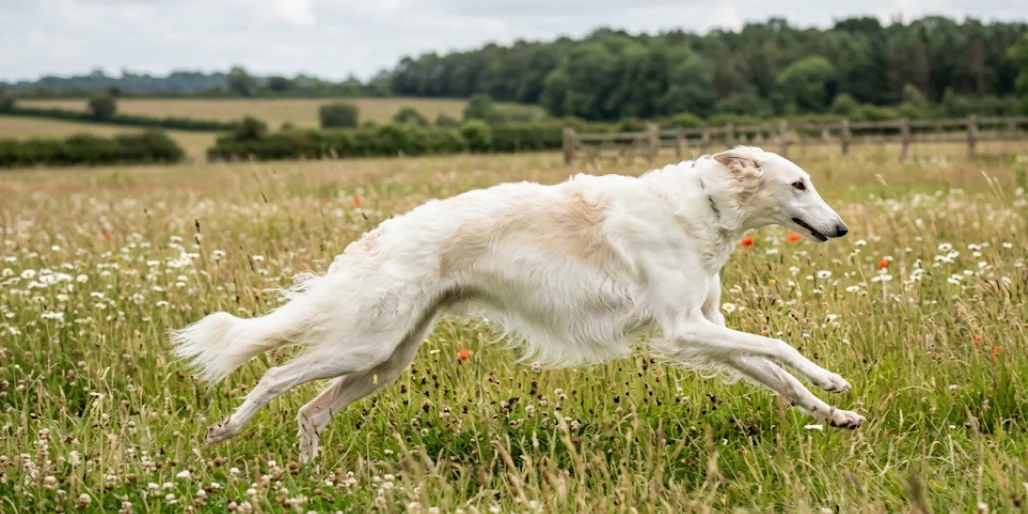
Thinking about bringing a Borzoi into your life? This comprehensive guide will walk you through everything you need to know about this elegant dog breed, from their fascinating history and distinctive looks to their unique temperament and specific care requirements. Get ready to discover if the Borzoi is the right canine companion for you.
Borzoi Breed Overview
Introduction to Borzoi Dogs
The Borzoi, a truly magnificent dog breed, captures hearts with its graceful appearance and dignified demeanor. Often described as elegant and aristocratic, this sighthound is a unique addition to any family. This breed guide aims to provide essential dog breed information for anyone considering welcoming a Borzoi dog into their home.
History of the Borzoi Breed
The history of the Borzoi breed is rich and extends back centuries, primarily in Russia, where they were known as the Russian Wolfhound. These sighthounds were specifically bred by Russian aristocracy for hunting wolves and other game across vast open plains. Their powerful build and incredible speed made them ideal for such a demanding task.
Physical Characteristics of Borzois
Borzois are undeniably striking, characterized by their tall, slender build, long, narrow head, and a distinctive arch over their loin. Their beautiful silky coat, which can come in various colors and patterns, requires regular grooming to maintain its luster. These large breed dogs possess a refined elegance that sets them apart from similar breeds.
Borzoi Temperament and Personality
Understanding Borzoi Behavior
Understanding Borzoi behavior is crucial for any potential owner. While they are known for their calm and gentle temperament indoors, their sighthound heritage means they possess a strong prey drive. Borzoi dogs can be quite independent and sometimes aloof, but they are also deeply affectionate with their families.
Socialization Needs of Borzois
Early and consistent socialization is vital for Borzoi puppies to develop into well-adjusted adult canines. Exposing your Borzoi to various sights, sounds, people, and other pets from a young age will help them become more confident and less reserved. Proper socialization helps manage their natural instincts.
Interactions with Family and Other Pets
Borzois generally interact well with their family members, often forming deep bonds with those they trust. However, due to their strong prey drive, it is essential to supervise their interactions with small animals, including cats and other small pets. With proper introductions and supervision, harmonious living is possible.
Caring for Your Borzoi
Grooming Requirements for Borzoi Dogs
Regular grooming is absolutely essential to maintain the beautiful silky coat of your Borzoi. This dog breed, known for its elegant appearance, requires consistent attention to prevent matting and keep their fur healthy and shiny. You should aim to brush your Borzoi several times a week, paying particular attention to the feathering on their legs and tail, to ensure they remain looking their best.
Exercise Needs of the Borzoi Breed
Borzois have moderate exercise needs, despite being a large breed and a sighthound by nature. While they certainly enjoy a good run in a securely fenced area to satisfy their natural prey drive, they are not hyperactive dogs. Daily walks and opportunities for off-leash play are crucial to keep your Borzoi physically and mentally stimulated, preventing boredom and potential behavioral issues.
Feeding and Nutrition Essentials
Providing the right nutrition is paramount for the health and well-being of your Borzoi. As a large breed, they require a high-quality diet formulated for larger dogs, with appropriate protein and fat levels. It is also important to be aware of the risk of bloat (gastric dilatation-volvulus), a serious health concern in deep-chested breeds, so feeding smaller, more frequent meals can be beneficial.
Borzoi Puppy Information
Choosing the Right Borzoi Puppy
When selecting a Borzoi puppy, it’s crucial to find a reputable breeder who prioritizes the health and temperament of their dogs. A responsible breeder will be transparent about their breeding practices, health screenings for the parent dogs, and will allow you to meet the puppy’s parents. This careful selection process ensures you bring home a healthy and well-socialized Borzoi.
Puppy Training Tips
Training a Borzoi puppy requires patience and consistency, as this sighthound breed can be independent and sometimes aloof. Positive reinforcement methods work best, focusing on short, engaging training sessions to hold their attention. Early socialization, exposing your puppy to various environments and experiences, is also vital to help them grow into a confident and well-adjusted adult canine.
Health Considerations for Borzoi Puppies
Borzoi puppies, like all purebred dogs, can be predisposed to certain health concerns. Besides the risk of bloat, Borzois can also be susceptible to conditions such as hip and elbow dysplasia, and hypothyroidism (where the dog does not produce enough thyroid hormone). Regular veterinary check-ups and open communication with your veterinarian are crucial for monitoring their pet health and addressing any issues promptly. For more information on dog breeds, including a comprehensive Dog A-Z Breeds Guide, you can visit resources like Pawandbreeds.
Similar Breeds to Borzoi
Comparing Borzois with Other Sighthounds
When considering a Borzoi, it’s natural to compare this elegant sighthound breed with other similar breeds known for their speed and distinctive physique. While Borzois, historically known as the Russian Wolfhound, possess a unique blend of athleticism and gentle temperament, other sighthounds like Greyhounds, Salukis, and Afghan Hounds share some characteristics but also have their own specific needs and traits that differentiate them from the Borzoi dog breed.
Traits of Similar Dog Breeds
Similar breeds to the Borzoi often exhibit the classic sighthound build: long legs, deep chests, and a streamlined body designed for incredible speed and efficient running. However, while all sighthounds share a strong prey drive and require secure areas for exercise, their individual temperaments and grooming needs can vary significantly. For instance, Greyhounds are generally more amenable to apartment living than the larger Borzoi, while Afghan Hounds boast an even more luxuriant, high-maintenance coat.
Choosing Between Borzoi and Similar Breeds
Choosing between a Borzoi and similar breeds ultimately depends on your lifestyle, experience, and what you’re looking for in a canine companion. If you’re captivated by the dignified yet affectionate nature of the Borzoi, appreciate their unique history as a wolf hunter, and are prepared for their specific grooming and exercise needs, a Borzoi might be the right breed for you. Otherwise, exploring other sighthounds could lead you to an equally fulfilling match.
Fun Facts About Borzois
Unique Traits of the Borzoi Breed
The Borzoi breed truly stands out with several unique traits that make them a fascinating dog. Beyond their stunning good looks and graceful movement, Borzois are known for their quiet demeanor indoors, often described as “cat-like” in their lounging habits. They possess a surprisingly sensitive nature and can be quite affectionate with their family, contrasting with their sometimes aloof appearance.
Interesting Historical Facts
Borzois have a rich and intriguing history, originating in Russia where they were meticulously bred by the aristocracy for hunting wolves, a task for which they were perfectly suited due to their speed and strength. These noble canines were highly prized, and their breeding lines were carefully guarded, with their elegance and prowess in the field making them an iconic symbol of Russian nobility for centuries.
Famous Borzois in Popular Culture
The striking appearance of the Borzoi has naturally led to their prominence in popular culture, from art and literature to film. Their aristocratic bearing makes them a favorite subject for artists, and their unique silhouette is instantly recognizable. While perhaps not as ubiquitous as some other breeds, famous Borzois have graced the pages of classic novels and made memorable appearances on screen, cementing their status as a truly iconic dog breed.
Conclusion: Finding the Right Breed for You
Summary of Borzoi Care and Needs
In summary, the Borzoi is a magnificent and elegant sighthound that, while requiring specific care, offers immense companionship to the right owner. Key aspects include regular grooming for their silky coat, providing moderate exercise with opportunities to safely satisfy their prey drive, and consistent positive reinforcement for their independent temperament. Understanding their potential health concerns like bloat is also crucial.
Final Thoughts on Choosing a Borzoi
Ultimately, choosing a Borzoi means embracing a unique and rewarding canine journey. If you appreciate a calm, affectionate, yet independent dog, have the space for a large breed, and are committed to consistent training and proper care, then a Borzoi might be your perfect match. They thrive with owners who understand their sighthound instincts and aristocratic heritage.
PawandBreeds and the Dog A-Z Breeds Guide
For those eager to delve deeper into the world of dog breeds and find even more dog breed information, resources like PawandBreeds offer an invaluable Dog A-Z Breeds Guide. This comprehensive guide provides detailed insights into various canines, helping prospective owners make informed decisions about finding the right breed to welcome into their home and hearts.
FAQ’s
Q: What’s the deal with this borzoi breed guide anyway? What makes borzois so special?
A: So basically, borzois are these gorgeous Russian sighthounds that used to be the pride and joy of the tsar himself back in the day. They’re tall, elegant, and kinda look like a greyhound that got fancy with a wavy coat. Originally bred as hunting dogs to chase down wolves (yeah, wolves!), they’ve got this whole “aristocrat” vibe going on. This guide covers everything about their needs, health, and personality so you know what you’re getting into.
Q: Do borzoi have moderate exercise needs, or are they gonna run me ragged?
A: Good news here! Despite being a sighthound built for speed (these dogs can hit like 40 miles per hour when they’re zooming), borzoi have moderate exercise needs overall. They’re actually pretty chill couch potatoes at home. They just need a solid daily walk plus some space to sprint occasionally. The catch is that high prey drive though – once they spot something small and fast moving, all bets are off, so keep that leash handy in unfenced areas.
Q: What are the main borzoi needs I should know about before getting one?
A: Borzoi needs are actually pretty reasonable compared to some other large and giant breeds. They need regular brushing to manage that gorgeous wavy coat (like a couple times a week minimum), moderate exercise, and honestly a lot of comfy soft spots to lounge on since they don’t have much padding on those lean bodies. They also crave companionship – these aren’t dogs you stick in the backyard alone all day.
Q: Are borzois good with children and other pets?
A: For the most part, yes! They’re known for their gentle and affectionate nature with their family, including kids. That said, because of their high prey drive and hunting instincts, small dogs, cats, or other tiny critters can trigger that chase response. Careful management is key when introducing them to smaller animals – their instinct to hold prey is deeply ingrained from centuries of hunting work.
Q: What health issues should I watch for with this sighthound breed?
A: Like a lot of large and giant breeds, borzois can be prone to stomach twists (bloat), which is a serious emergency situation. They’re also at risk for osteosarcoma (a type of bone cancer), dilated cardiomyopathy affecting the heart, and some eye issues that can lead to blindness in rare cases. Another big thing – borzois and sighthounds in general are super sensitive to certain drugs and anesthetic, so always make sure your vet knows the breed before any procedure.
Q: Why does my borzoi seem to have random hair loss sometimes?
A: Hair loss in borzois can happen for a few reasons – it might be seasonal shedding, hormonal stuff, or sometimes stress related. If you notice patches or excessive hair loss, it’s worth a trip to a professional dog groomer or vet just to rule out anything more serious like skin conditions or thyroid issues. Regular brushing actually helps you catch this stuff early since you’re handling their coat so often anyway.
Q: At what age do borzoi puppies start showing their adult personality and needs?
A: Around 6 to 12 months of age, you’ll start seeing that classic borzoi temperament emerge – the independent streak, the hunting instincts kicking in more, and their growth spurt slowing down. This is also when any kennel club registered puppy should be getting proper socialization to make sure that gentle and affectionate nature really shines through as adults.
Q: Can borzois get lameness or joint problems since they’re such big dogs?
A: Yeah, lameness can definitely be an issue, especially since borzois are large and giant breeds with long legs and lean builds. Joint issues, growth-related problems in puppies, and general wear and tear as they age are all things to keep an eye on. Regular vet checkups and not over-exercising young pups while their bones are still developing goes a long way in prevention.
Q: Where did borzois even come from historically?
A: These beauties trace back to Russia, with serious breeding efforts happening around the 16th century onwards. They were literally the tsar’s hunting dogs of choice, bred specifically to course wolves and other game across the open Russian countryside. That whole “aristocrat” reputation isn’t just for show – they really were bred for and by nobility for centuries before becoming the beloved companion breed we know today.