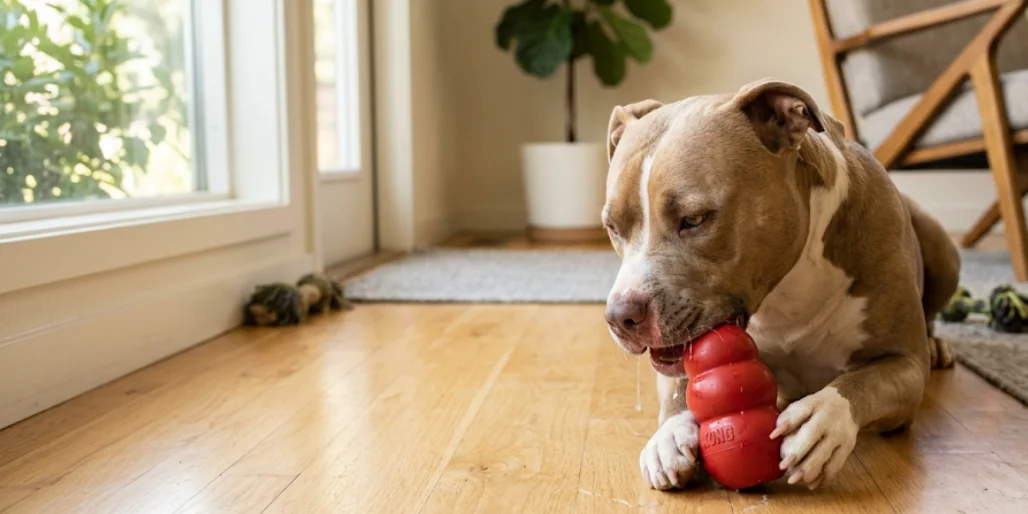
Finding the perfect chew toy for your beloved canine companion can be quite the quest, especially if you have an aggressive chewer on your hands that might prefer a silicone or rope option. This guide will help you navigate the world of dog chew toys, focusing on safety and durability for even the most enthusiastic pups.
Understanding Dog Chew Toys
What are Dog Chew Toys?
Dog chew toys, such as those made from silicone or rope, are specially designed objects that cater to a dog’s natural instinct to chew, providing an outlet for this behavior that can range from a light gnaw to an aggressive chew. These toys come in various sizes and shapes, made from different materials to suit all types of chewers, whether you have a puppy just starting or a seasoned heavy chewer. They are more than just playthings; they are essential tools for a dog’s well-being and dental health— and if you’re also considering natural options like bones, our guide on what bones are good for dogs helps you separate the safe from the dangerous.
Importance of Non-Toxic Materials
When it comes to your furry friend, safety is paramount, which is why the importance of non-toxic materials in dog chew toys cannot be overstated. An aggressive chewer will spend a significant amount of time with their dog toy, meaning any harmful chemicals or substances in plush or plastic toys could be ingested, posing a serious risk to their health. Opting for non-toxic dog toys made from all-natural or food-grade materials ensures that your pup can satisfy their chewing instinct without any dangerous consequences — a standard the American Kennel Club (AKC) also emphasises when evaluating chew toy safety for dogs.
Benefits for Aggressive Chewers
For aggressive chewers, the benefits of the right dog chew toy are immense, extending beyond just entertainment. Durable dog chew toys provide an appropriate and safe outlet for their powerful jaws, helping to relieve stress and prevent destructive chewing on household items. Investing in chew toys for aggressive chewers means offering your pet a long-lasting, satisfying experience that supports their dental health and fulfills their natural need to chew, making both you and your companion happier.
Types of Non-Toxic Dog Chew Toys
Durable Dog Chew Toys
When it comes to keeping an aggressive chewer occupied and safe, durable dog chew toys are an absolute must. These toys are specifically engineered to withstand the most enthusiastic chewing, providing a long-lasting outlet for your dog’s natural instinct without falling apart too quickly. Look for chew toys made from resilient materials like natural rubber or tough nylon, as these are often designed to stand up to heavy chewers and offer a satisfying chew experience for your furry companion.
Popular Safe Chew Toys for Dogs
There’s a fantastic range of popular safe chew toys for dogs that cater to various chewing styles, from light chewers to aggressive chewers. Brands like KONG offer highly durable rubber chew toys that can even be stuffed with treats for an interactive and engaging experience. Other great options include eco-friendly chew toys made from sustainably sourced materials, and even innovative designs like the BetterBone, which is plastic-free and designed for extended chewing. These safe toys help satisfy your dog’s chewing needs while keeping them out of harm’s way.
Rawhide Alternatives
For dog owners concerned about the potential risks of traditional rawhide, there are numerous excellent rawhide alternatives that provide a safer and often more digestible chew option. Many durable dog chew toys are crafted from materials like tough nylon, natural rubber, or even edible chews made from digestible ingredients that don’t splinter or pose a choking hazard. Bully sticks are another popular choice, offering a natural and long-lasting chew that many dogs adore, providing a great way to satisfy their chewing instinct without the worries associated with rawhide.
Choosing the Right Chew Toy for Aggressive Chewers
Factors to Consider
When picking out chew toys for aggressive chewers, several factors, including the type of material and whether it can withstand a fetch session, need careful consideration to ensure both safety and satisfaction for your pet. First and foremost, the material of the dog toy is crucial; it needs to be non-toxic and robust enough to withstand powerful jaws without breaking into small pieces that could be swallowed. The chew toy should also be appropriately sized for your dog to prevent choking hazards, and ideally, it shouldn’t have a strong chemical smell that might deter your pup.
Size and Durability
The size and durability of a dog chew toy are paramount, especially for aggressive chewers, and options like rope or horn can provide additional strength. A toy that is too small can be a choking hazard, while one that isn’t durable enough will quickly be destroyed, potentially leading to ingestion of broken pieces. Look for chew toys designed specifically for heavy chewers, often made from extra-tough natural rubber, dense nylon, or even durable rope toys, to ensure they can withstand your dog’s powerful chewing instinct. The right size means your dog can comfortably chew without risk, providing a safe and lasting engagement for your furry companion.
Customer Reviews and Recommendations
Before making a final decision on chew toys for aggressive chewers, it’s incredibly helpful to consult customer reviews and recommendations from other dog owners. These insights can provide valuable information on the real-world durability and effectiveness of various dog chew toys. Many pet parents share their experiences, highlighting which non-toxic dog toys truly stand up to heavy chewers and which ones might not be worth the investment. This collective wisdom helps you choose a safe and satisfying chew option for your beloved pup.
Life Cycle of Dog Chew Toys
How Long Should a Chew Toy Last?
The lifespan of a dog chew toy can vary significantly, depending on the material, the design, and, most importantly, the intensity of your dog’s chewing habits, including whether it is made from fiber or plastic. For aggressive chewers, even the most durable dog chew toys might not last as long as they would for a light chewer. A high-quality, non-toxic chew toy made from natural rubber or tough nylon, or even plush materials, is designed for longevity, often providing weeks or even months of satisfying chewing before showing significant wear. The goal is to offer a safe chew that stands up to powerful jaws, such as those found in antler or durable rope toys.
Signs of Wear and Tear
It’s crucial for pet parents to regularly inspect their dog chew toys for signs of wear and tear, especially if you have aggressive chewers that might destroy plush or plastic options quickly. Look for fraying, cracks, or pieces breaking off, as these indicate the toy is nearing the end of its safe life. Even durable dog chew toys can eventually show weakening, and any sharp edges or small pieces that could be swallowed become a hazard. A toy that doesn’t smell right or has an altered texture might also be a sign it’s time for a replacement.
When to Replace Dog Chew Toys
Knowing when to replace dog chew toys is vital for your dog’s safety. As soon as you notice significant damage, such as large cracks, missing pieces, or exposed internal components, it’s time to retire that toy. For aggressive chewers, it’s better to be proactive; if a durable dog chew toy is severely degraded, it could pose a choking hazard or lead to digestive issues if pieces are ingested. Regularly replacing chew toys ensures your furry companion always has a safe and effective outlet for their chewing instinct.
Conclusion: Safe Chew Toys for Happy Dogs
Summary of Key Points
In summary, providing safe chew toys for aggressive chewers is paramount for their well-being and dental health. We’ve explored the importance of non-toxic materials, the benefits of durable dog chew toys, and various safe chew options, including rope toys and antlers, beyond traditional rawhide. Factors like size, durability, and customer reviews are crucial when selecting the right chew toy. Regular inspection and timely replacement of dog chew toys, including rope toys, ensure a continuous supply of engaging and safe chews for your beloved pet.
Final Recommendations for Dog Owners
For all dog owners, especially those with aggressive chewers, our final recommendation is to prioritize quality, durability, and non-toxic materials when selecting dog chew toys. Invest in options made from natural rubber or tough nylon that are specifically designed for heavy chewers, such as KONG toys, BetterBone, or durable rope toys. Always match the chew toy size to your dog’s breed and chewing intensity, and always supervise your pup during chew time. By choosing wisely, you can ensure your furry companion enjoys safe, satisfying, and enriching chew experiences, whether through plush toys or sturdy antlers.
Q: What makes a dog toy non-toxic and safe for dog chew toys for aggressive chewers?
A: Non-toxic means the materials are free from harmful chemicals like BPA, phthalates, and lead. For dog chew toys for aggressive chewers, look for solid, food-grade rubber or nylon, no loose filler, no small parts that can be swallowed, and labels that say the product is tested and recommended by vets. The safest options are made by reputable brands in the pet industry that use proprietary blends designed to be tough enough without being brittle.
Q: How can I tell if a dog toy is tough enough for my aggressive chewer?
A: Check product descriptions for words like “heavy-duty,” “designed for power chewers,” or specific material specs. Read reviews from pet owners who have similar breeds—if corgi owners say it survived daily use, that’s a good sign. Look for toys with reinforced knots or thick construction, and companies offering a free replacement guarantee—those back their claim that the toy is tough enough.
Q: Are rubber toys or nylon toys better for dog chew toys for aggressive dogs?
A: Both can be good. Rubber is often flexible flying for fetch toys and gentler on the paw and teeth; nylon tends to last longer but can be harder. Preference depends on your dog’s chewing style—super aggressive chewers might need a harder nylon or proprietary tough rubber. Always avoid toys with soft filler that can be ripped out and swallowed.
Q: Can I use the same dog toy for chewing and play fetch with an aggressive chewer?
A: Some toys are multi-purpose—durable rubber balls or flexible flying discs can handle both chewing and play fetch. But if your dog destroys toys during fetch, buy separate chew-specific items. Toys designed for dual use often have reinforced knots or layered construction to be the safest during both activities.
Q: What size and shape of dog toy is best to prevent choking for aggressive chewers?
A: Size should match your dog’s mouth—too small and it’s a choking risk. Look for chunky designs and toys with knotted shapes or holes that help grip but prevent full ingestion. For aggressive chewers, avoid hollow toys with soft filler; solid construction reduces choking and tearing hazards.
Q: My corgi loves to shred toys—any tips for choosing dog chew toys for aggressive breed shredders?
A: Corgis have strong jaws despite their size. Pick toys labeled for power chewers, made from tough rubber or hardened nylon, and skip plush toys. Monitor new toys to see how your corgi attacks them, and choose designs with minimal seams or knots. Consider brands that are recommended by vets and offer a free replacement guarantee if the toy fails quickly.
Q: How often should I replace a dog toy for an aggressive chewer?
A: Replace toys as soon as you see serious damage—cracks, large chunks missing, or exposed inner materials. Even the toughest toys wear out. For aggressive chewers, check toys daily and retire anything with sharp edges or missing pieces to keep your pup safe.
Q: Are there eco-friendly or non-toxic dog chew toys for aggressive chewers in the pet industry?
A: Yes—many brands now make non-toxic, eco-friendly chew toys from natural rubber, recycled materials, or plant-based proprietary compounds. They often advertise being the safest for both teeth and the environment. Just verify certifications and third-party testing, and read what other pet owners say about durability.
Q: What should I do if my dog swallows part of a toy or shows signs of trouble after chewing?
A: If you suspect swallowing or see gagging, vomiting, bloody stool, or changes in behavior, contact your vet immediately. Keep packaging and photos of the toy to show the vet. Prevent future incidents by choosing toys without small removable parts, keeping an eye on playtime, and having backup toys that are proven tough enough for your dog’s chewing preference.