At mypawandbreeds, we’re passionate about helping you raise a well-behaved and happy canine companion. If you’ve just welcomed an energetic Jack Russell Terrier into your home, you’re in for an exciting journey. This article, part of our extensive dog breeds guide, will provide invaluable Jack Russell Terrier training tips to help you train a Jack Russell puppy effectively.
Understanding the Jack Russell Terrier
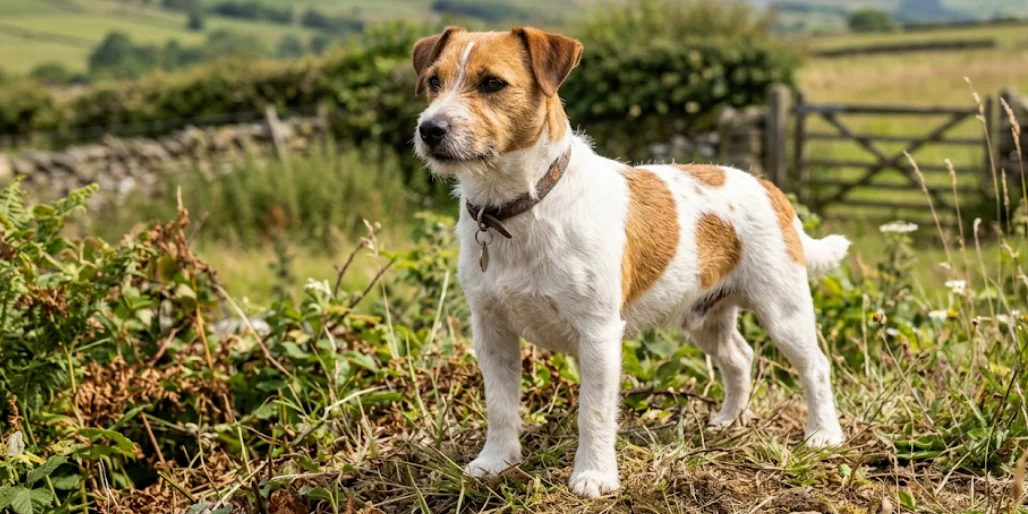
Jack Russell Terriers are a captivating breed, known for their lively spirit and distinctive personality. Understanding the inherent traits of your JRT is the first step towards successful training, helping you to tailor your approach and build a strong, lasting bond with your new puppy.
Characteristics of Jack Russells
Jack Russells were bred to hunt, and this rich history is evident in their high energy levels and strong prey drive — characteristics the American Kennel Club (AKC) documents in detail, recognising the breed’s working terrier heritage as fundamental to understanding their behaviour and training needs. These little dynamos require consistent exercise and mental stimulation to prevent unwanted behavior, making early and consistent training essential for a well-adjusted Jack Russell Terrier.
Why Jack Russells are Super Smart
Jack Russells are super smart, a trait that makes them both a joy and a challenge to train. Their intelligence means they pick up commands quickly, but it also means they can become bored easily if training sessions aren’t engaging and varied. This breed thrives on mental challenges.
Owner Needs to Know About the Breed
Future Jack Russell owners need to know that while these dogs are intelligent and can be easy to train, their strong will and energy require a committed and consistent approach. Proper socialization from a young age is also crucial to ensure your Jack Russell Terrier grows into a well-mannered adult.
Essential Training Tips for Jack Russell Terriers
Embarking on the training journey with your Jack Russell Terrier puppy can be incredibly rewarding. By implementing effective dog training techniques and maintaining consistency, you’ll be able to shape their behavior positively and foster a strong, harmonious relationship.
Basic Commands to Teach Your JRT
Begin training your Jack Russell with basic commands like “sit,” “stay,” and “come.” These foundational skills are crucial for managing your high-energy JRT and ensuring their safety. Consistent and fun training sessions will help your terrier to listen and respond reliably.
Impulse Control Techniques
Teaching impulse control is paramount for Jack Russell Terriers, given their natural prey drive and high energy. Techniques like waiting for food or toys, and practicing “leave it,” will help your Jack Russell puppy learn to manage their excitement and make better choices.
Using Positive Reinforcement
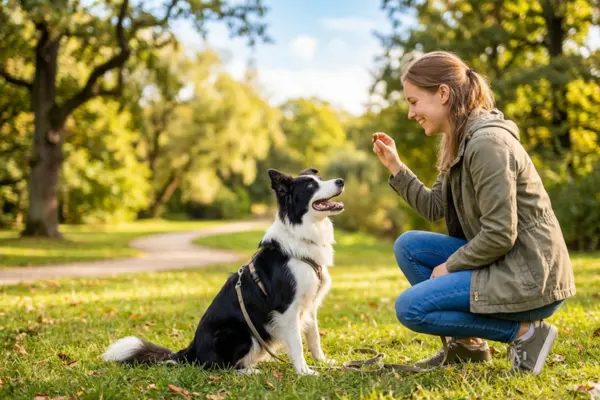
Positive reinforcement is the most effective method when training your Jack Russell Terrier. Rewarding desired behavior with treats, praise, or toys encourages your JRT to repeat those actions. This approach makes training your puppy a positive and enjoyable experience for both of you.
Behavioral Insights for Training Your Jack Russell
When it comes to training your Jack Russell Terrier, understanding their unique behavioral insights is key to a harmonious relationship. These super smart dogs need clear guidance to channel their natural instincts. This section will delve into common behaviors and offer practical training tips to help manage them effectively, ensuring you can train a Jack Russell with confidence.
Understanding Common Behaviors
Jack Russells were bred to hunt, giving them a high energy level and a strong prey drive, which can manifest in various behaviors. From digging to chasing, these actions are often instinctual for the breed. Recognizing these traits will help Jack Russell owners set realistic expectations and develop targeted dog training strategies to manage them, making training your Jack Russell Terrier more effective.
Dealing with Excessive Barking
Excessive barking can be a common concern for Jack Russell owners, as these vocal dogs love to communicate. Addressing this behavior requires consistency and understanding. Training your Jack Russell to understand when it’s appropriate to bark, and rewarding quiet behavior, will be far more effective than simply trying to suppress their natural inclination to bark.
Addressing Aggression and Fear
While not inherently aggressive, some Jack Russell Terrier puppies can develop fear-based or resource-guarding aggression if not properly socialized. Early and consistent socialization with other dogs and people is essential to prevent these issues. If you notice signs of aggression or fear, seeking professional help from a certified dog trainer specializing in terrier behavior is highly recommended to ensure proper training for your puppy.
Exercise and Mental Stimulation for Jack Russell Puppies
For a Jack Russell Terrier, consistent exercise and mental stimulation are not just beneficial—they are absolutely essential for their well-being and to prevent unwanted behavior. These high-energy, super smart dogs thrive when given appropriate outlets for their boundless enthusiasm. Providing varied activities is crucial for training your Jack Russell.
Importance of Daily Exercise
Daily exercise is paramount for a Jack Russell puppy to expend their energy in a constructive way. Without sufficient physical activity, a JRT can become bored and destructive. Long walks, runs, or vigorous play sessions are excellent ways to ensure your Jack Russell Terrier gets the exercise they need, which in turn makes training your puppy much easier.
Interactive Toys for Mental Stimulation
Jack Russells are super smart, so mental stimulation is just as important as physical exercise. Interactive toys, such as puzzle feeders or treat-dispensing toys, can challenge your Jack Russell Terrier’s intellect and keep them engaged. These toys are fantastic training tools, helping to tire out their minds and prevent boredom, which can lead to undesirable behaviors.
Fun Activities to Keep Your Jack Russell Engaged
Beyond structured training sessions, incorporating fun activities into your routine will keep your Jack Russell Terrier engaged and happy. Agility courses, hide-and-seek games, or even just exploring new walking trails can provide both physical and mental stimulation. These activities strengthen the bond between you and your Jack Russell, making them more responsive to dog training and reinforcing the training tips we at mypawandbreeds advocate for, helping all Jack Russell owners train a Jack Russell to be a well-adjusted companion.
Advanced Training Techniques for Jack Russell Terriers
Obedience Classes for Puppies
Once your Jack Russell Terrier puppy has mastered the basic commands, enrolling them in obedience classes can be a fantastic next step. These structured training sessions offer an environment where your JRT can refine their skills, learn new behaviors, and solidify their understanding of commands. It’s also an excellent opportunity for socialization, exposing your Jack Russell to other dogs and new people in a controlled setting. At mypawandbreeds, we believe continued education is key for a well-rounded companion.
Agility Training for Jack Russells
Given the high energy and super smart nature of Jack Russells, agility training is an ideal outlet for both their physical and mental prowess. This dynamic sport involves navigating obstacle courses, which caters perfectly to their natural athleticism and problem-solving abilities. Agility training not only provides immense mental stimulation but also strengthens the bond between you and your Jack Russell, making them more responsive and reinforcing positive behavior through engaging activities.
Socialization with Other Dogs
Socialization is a critical component of raising a well-adjusted Jack Russell Terrier. Exposing your Jack Russell puppy to a variety of other dogs from a young age helps them learn appropriate canine social cues and prevents the development of fear or aggression. Regular playdates, dog parks, or supervised group settings can significantly contribute to their social development, ensuring your Jack Russell grows into a confident and friendly adult. Proper socialization is essential for any Jack Russell owner.
Conclusion: Raising a Well-Trained Jack Russell Terrier
Recap of Key Training Tips
Raising a well-trained Jack Russell Terrier is a rewarding journey that requires consistency, patience, and an understanding of the breed’s unique characteristics. From beginning training your Jack Russell with basic commands and positive reinforcement to providing ample mental stimulation and daily exercise, every step contributes to shaping a well-behaved companion. Remember that early socialization, impulse control techniques, and addressing common behaviors like barking are all crucial for success.
Final Thoughts on Jack Russell Terrier Training
Jack Russells are super smart, high-energy dogs bred to hunt, making effective training essential for a happy and harmonious home. While their prey drive and strong will can present challenges, their intelligence and eagerness to please make them incredibly receptive to consistent dog training. With the right approach, patience, and a deep understanding of your JRT’s needs, you can transform your spirited Jack Russell puppy into a wonderfully obedient and joyful member of your family.
How My Pawandbreeds Can Help You Raise Your JRT
At mypawandbreeds, we are dedicated to providing Jack Russell owners with comprehensive resources to train a Jack Russell Terrier effectively. Our dog breeds guide offers a wealth of information, from basic training tips to advanced techniques, helping you navigate every stage of your JRT’s development. For further insights and support on Jack Russell Terrier training, be sure to explore our extensive articles and guides, ensuring you have all the tools to raise a well-adjusted and beloved Jack Russell.
FAQ’s
Q: How do I start to train a Jack Russell puppy and teach good behaviour from day one?
A: Start simple: crate train, set routines, and begin treat training for basic cues like sit, stay, and come. Socialize early with people and pets, and be consistent—jack russells need structure and boundaries. Remember they were bred to work and have a lot of energy, so mix short training sessions with mental exercise and chewing toys to prevent unwanted chewing or non stop antics.
Q: What are the best dog training tips to tire out a Jack Russell without overdoing it?
A: Combine physical activity and mental challenges: brisk walks, fetch, agility games, puzzle toys, and short training drills. A lot of exercise helps, but mental exercise is just as important—teaching new trick sequences or hide-and-seek can tire a jack russell more than long low-energy walks. If your JRT is still wired, try redirecting to a chew toy or training task.
Q: How do I train a Jack Russell terrier that doesn’t want to listen or keeps ignoring commands?
A: First, rule out health issues with your breeder or vet. Use high-value treats and reward the behavior you want immediately. Keep sessions short and fun—jack russells often tune out long drills. Increase motivation with games and make sure you take your jack russell for enough exercise before training so they’re not too hyped. Consistent boundaries and calm leadership help when a jack russell learns to test limits.
Q: Are Jack Russells good as a small dog for families, and how do I teach the dog to walk nicely around other dogs?
A: Jack russells are small dog size but have big personalities—jack russells are generally energetic and can be stubborn. To teach loose-leash walking, reward calm walking with treats, stop when they pull, and use short training bursts in low-distraction areas before progressing around other dogs. Because of their high prey drive, supervise introductions and practice recall often.
Q: How do I handle common JRT behaviours like digging, chasing squirrels, or barking non stop?
A: These behaviours come from being bred to work and a natural high prey drive—jack russell terriers were bred for fox work, so chasing is normal. Redirect that energy with structured play, scent games, or supervised digging boxes. For barking, identify the trigger and redirect to a command or toy, and reward quiet. Consistent rules and plenty of exercise reduce most problem behaviors.
Q: Can a Jack Russell be a lap dog or live happily in an apartment, and what training is essential for that?
A: Jack russells are small but not classic lapdog types—they’re lively and need a lot of exercise and mental stimulation. Training is essential: crate training, impulse control, and good recall are key. If you can meet their energy needs with walks, play, and training, they can adapt to apartment life, but expect daily active sessions and enrichment.
Q: How do I introduce my Jack Russell to other dogs and avoid fights given their strong prey instincts?
A: Socialize early and gradually: neutral territory, short supervised meetings, and lots of positive reinforcement for calm behavior. Keep initial interactions brief and focused on treat training so the jack russell learns appropriate responses. Because jrts can be bold, never leave them unsupervised with unknown dogs until you’re sure they’re comfortable.
Q: My Jack Russell keeps chewing everything—what should I give them and how do I stop the bad habit?
A: Provide durable chewing toys and rotate them to keep interest. When you catch chewing the wrong thing, calmly redirect to an approved toy and reward. Puppies especially need teething outlets, so teach “leave it” and “drop” early with treat training. Chewing often signals boredom, so add mental exercise and structured play.
Q: How quickly does a Jack Russell learn new trick and complex commands compared to breeds like a Border Collie?
A: Jack russells are smart and learn fast with the right motivation, but they’re more independent than a border collie. They’ll pick up new trick basics quickly with short, fun sessions and rewards, but teaching complex sequences requires patience and consistent practice. Keep training varied to match their curiosity and keep them engaged.