Welcome to our comprehensive Chihuahua Training Guide here at my pawandbreeds! Chihuahuas, despite their small stature, possess huge personalities and can be incredibly rewarding companions. This guide will walk you through everything you need to know to successfully train your chihuahua, turning your spirited little dog into a well-behaved and happy member of your family. Whether you have a new chihuahua puppy or an older chi, these practical tips will help you achieve your training goals.
Understanding Your Chihuahua
Characteristics of Chihuahuas
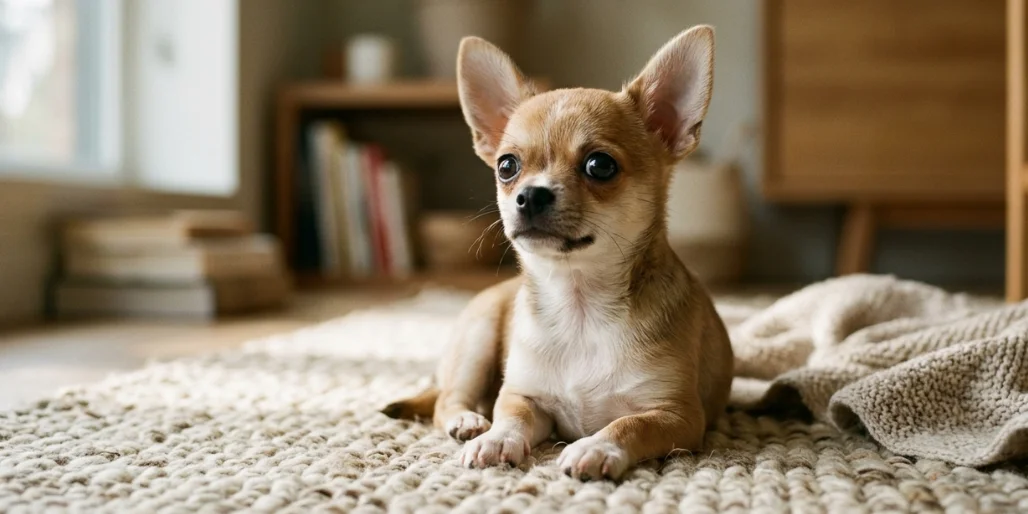
Chihuahuas are a unique and captivating breed, known for their expressive eyes, alert demeanor, and often sassy attitudes. As a toy breed, they are among the smallest dogs in the world, but don’t let their size fool you! Chihuahuas are intelligent and can be quite feisty, often unaware of their tiny stature. They hail from Mexico and were originally bred as companions, a role they excel at to this day. Understanding these inherent traits is the first step in successful chihuahua training.
Common Behavioral Traits
Because of their big personalities, Chihuahuas often exhibit certain common behavioral traits. They can be very protective of their owners, sometimes leading to excessive barking or even a growl at strangers or other dogs. Some chihuahuas are prone to being quite vocal, quick to bark at anything they perceive as a threat or simply to get attention. They can also be a bit stubborn, which is why the right training method and consistent positive reinforcement are crucial when you train your chihuahua.
Why Training is Essential
Training chihuahuas is absolutely essential for their well-being and for a harmonious home environment. Without proper training, a chihuahua’s natural tendencies, such as barking or territoriality, can become problematic. Effective dog training, including early socialization and obedience training, can prevent common issues and ensure your chihuahua learns appropriate behaviors. It helps your little dog integrate well into various situations, making them a joy to be around, and contributing to their overall happiness and confidence.
Getting Started with Chihuahua Puppy Training
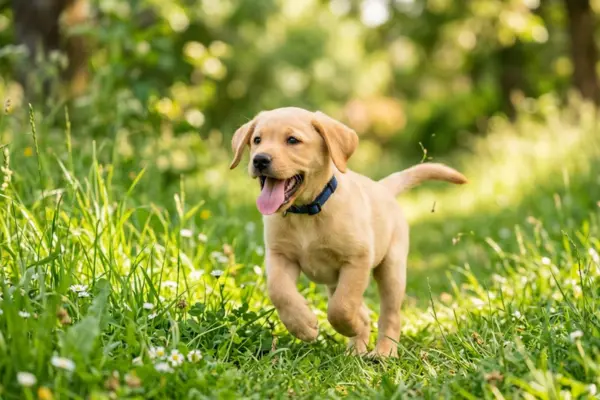
If you’re just starting out with a new chihuahua puppy, you’re in for an exciting journey! My pawandbreeds is here to help you every step of the way. Training a chihuahua puppy requires patience, consistency, and a good understanding of this unique dog breed. Early intervention and the right training method can set your chihuahua up for a lifetime of good behavior. We will explore essential chihuahua training tips, from setting up effective training sessions to establishing a routine that will help your little dog thrive. This section will give you the confidence to train your chihuahua effectively and lovingly.
Setting Up Training Sessions
When it comes to training chihuahuas, particularly puppies, short and frequent training sessions are key. Chihuahuas are intelligent but have short attention spans, so aiming for 5-10 minute sessions a few times a day works best. Choose a quiet, distraction-free environment to start, ensuring your chihuahua puppy can focus on you. Always end on a positive note, even if it’s just for a simple command they already know, to keep the experience enjoyable and build their confidence. This approach makes dog training a fun experience for both of you.
Essential Training Tools
To effectively train your chihuahua, you’ll need a few essential tools. High-value, small treats are indispensable for positive reinforcement, as chihuahuas are often highly food-motivated. A comfortable harness and leash are vital for walks and socialization, preventing strain on their delicate necks. A crate can be a powerful tool for crate training and toilet training, providing a safe den for your chihuahua puppy. Puzzle toys can also keep your chi mentally stimulated and prevent boredom, which can sometimes lead to unwanted behaviors like excessive barking.
Establishing a Routine
Establishing a consistent routine is paramount for a chihuahua puppy. Chihuahuas thrive on predictability, and a regular schedule for feeding, potty breaks, playtime, and training sessions will help your puppy feel secure and understand expectations. This consistency is especially crucial for potty training; taking your chihuahua out at the same times each day will help them learn where and when to do their business, minimizing accidents. A well-structured routine is the foundation for a well-behaved and happy chihuahua, making all other chihuahua dog training efforts more successful.
Effective Training Techniques for Chihuahuas
Positive Reinforcement Methods
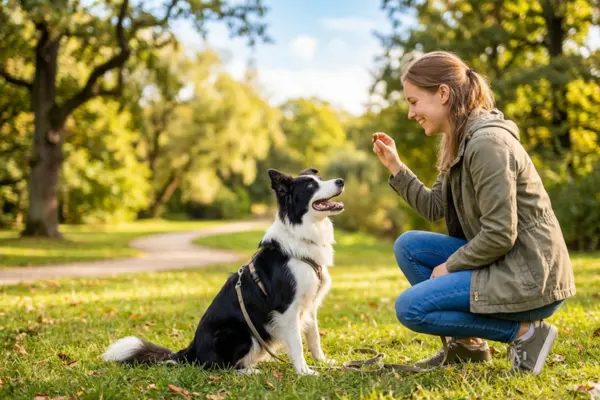
Positive reinforcement is undeniably the most effective training method for chihuahuas. This approach involves rewarding desired behaviors, making your chi more likely to repeat them. Whether it’s with small, high-value treats, enthusiastic praise, or a favorite toy, consistently rewarding your chihuahua when they perform correctly creates a strong positive association with training. This positive training not only makes learning fun for your little dog but also strengthens the bond between you and your chihuahua puppy, transforming the training sessions into enjoyable interactions rather than stressful ones. It’s a gentle and powerful way to teach your chihuahua.
Obedience Training Basics
Beginning obedience training early is crucial when you train your chihuahua. Starting with basic commands like “sit,” “stay,” “come,” and “down” forms the foundation for good behavior. Keep training sessions short and engaging, using positive reinforcement to celebrate every small success. Consistency is key; practice these commands regularly in various environments to ensure your chihuahua understands and responds reliably. A well-trained chihuahua is a joy to be around, and these basics are the building blocks for more advanced training, helping your small dog navigate the world confidently.
Addressing Barking Issues
Chihuahuas are notorious for their vocal nature, and while some barking is normal, excessive barking can be a challenge for chihuahua owners. To address barking issues, first identify the triggers – is your chihuahua barking at strangers, other dogs, or out of boredom? Once you know the cause, you can implement specific training tips. For example, teach your chihuahua an “quiet” command using positive reinforcement, rewarding them when they stop barking. Providing plenty of mental and physical stimulation can also help reduce boredom barking, ensuring your chi is a well-adjusted and quieter companion.
Socialization Strategies for Chihuahuas
Importance of Socialization
Socialization is paramount for any dog, and it’s especially vital for tiny dogs like the chihuahua. Early and positive socialization experiences help your chihuahua puppy grow into a well-adjusted, confident adult who isn’t fearful or aggressive towards new people, places, or other animals. Without proper socialization, chihuahuas can become anxious, leading to behaviors like excessive barking or a growl when faced with unfamiliar situations. A well-socialized chihuahua is happier, less stressed, and much more enjoyable to be around in various settings, making it a key part of your dog breeds guide.
Introducing Your Chihuahua to New Environments
Slowly and positively introducing your chihuahua to various new environments is a crucial aspect of their development. Start with calm, controlled settings, allowing your little dog to explore at their own pace. Use treats and praise to create positive associations with these new experiences. Whether it’s a bustling park, a quiet coffee shop, or just a friend’s house, ensure your chihuahua feels safe and supported. This gradual exposure helps your chi build confidence and reduces the likelihood of fear-based reactions, making them adaptable and comfortable in different situations.
Meeting Other Dogs and People
Facilitating positive interactions with other dogs and people is essential for a well-rounded chihuahua. When introducing your chihuahua to other dogs, opt for calm, friendly canines of a similar size if possible, always supervising closely. Short, controlled playdates can build confidence. Similarly, ensure encounters with new people are gentle and positive, with strangers offering treats if appropriate. These controlled exposures, combined with continued positive reinforcement, will help your chihuahua learn that new interactions are nothing to fear, preventing them from being overly shy or exhibiting a growl around others.
Advanced Training Tips for Chihuahua Owners
Leash Training for Your Chihuahua
Leash training is a fundamental skill for any dog, and it’s especially important for tiny dogs like the chihuahua to ensure their safety and proper socialization during walks. Start early with your chihuahua puppy by getting them used to wearing a lightweight harness and leash for short periods inside the house. Use positive reinforcement with treats and praise when they tolerate it. Once they’re comfortable, practice walking on a loose leash in a quiet area, rewarding your chi for walking calmly beside you rather than pulling or lagging. Consistency and patience are key to teaching your chihuahua proper leash manners and preventing them from becoming overwhelmed.
Dealing with Common Training Challenges
Even with the best intentions, chihuahua owners often encounter common training challenges such as stubbornness, excessive barking, or even a growl. When you train your chihuahua, remember that consistency and patience are your best friends. For stubbornness, try to make training sessions fun and engaging, using high-value rewards to keep your chi motivated. If your chihuahua tends to bark excessively, identify the triggers and teach an “quiet” command, rewarding silence. Never punish your little dog for these behaviors, as it can create fear and anxiety, making future training more difficult. Instead, focus on redirecting unwanted behaviors to desired ones through positive training methods.
Incorporating Play into Training
Incorporating play into your chihuahua’s training sessions is a fantastic way to keep them engaged, motivated, and to build a strong bond. Chihuahuas are intelligent and often enjoy interactive games, which can be easily turned into opportunities for learning. For example, during a game of fetch, you can practice “come” or “drop it” commands, rewarding your chi with continued play. Trick training, like teaching your chihuahua to “spin” or “shake a paw,” can be fun for both of you and provides mental stimulation, preventing boredom. This approach makes dog training feel less like work and more like an enjoyable interaction, strengthening your relationship and making your chihuahua eager to learn.
Conclusion
Recap of Training Tips
We’ve covered a lot of ground in this Chihuahua Training Guide, emphasizing that successful chihuahua training hinges on understanding your little dog’s unique personality and employing consistent, positive reinforcement methods. From early socialization and puppy training to effective obedience training basics and addressing common challenges like barking, the key is always patience, short training sessions, and making learning a positive experience for your chi. Remember that establishing a routine, using appropriate training tools, and incorporating play into your training regimen are all vital steps to raising a well-behaved and happy chihuahua.
Final Thoughts on Training Your Chihuahua
Training your chihuahua is a journey that will undoubtedly strengthen the bond between you and your tiny companion. While chihuahuas are intelligent and full of personality, they thrive on clear expectations and a loving approach. By consistently applying the positive training techniques and socialization strategies outlined in this guide, you can successfully teach your chihuahua to be a confident, well-adjusted, and delightful member of your family. Celebrate every small victory and enjoy the process of watching your chihuahua learn and grow.
Visit Pawandbreeds for More Resources
We hope this comprehensive guide has provided you with valuable insights and practical tips for training your chihuahua. For more in-depth information on specific dog breeds, advanced training techniques, or to explore our dog breeds guide, be sure to visit my pawandbreeds. We are dedicated to providing chihuahua owners and dog lovers with the resources they need to ensure their furry friends lead happy, healthy, and well-trained lives. Happy training!
FAQ’s
Q: How do I start training chihuahuas when I just got a new puppy?
A: A new puppy needs consistency and patience. Start training chihuahuas by setting simple rules and boundaries from day one, using positive reinforcement training like praise and using high-value treats. Short sessions (5–10 minutes) spread throughout the day work best for chihuahua pup attention spans. Socialize your puppy gradually around people and animals so they learn good behavior early.
Q: What basic chihuahua training commands should I teach first for effective dog training?
A: Begin with sit, stay, come, and leave it — these are the foundation of chihuahua dog training. Use treats and clear markers (like a word or click) to reward correct behavior. Because chihuahuas are sassy and can be stubborn, consistent repetition and rewarding immediately will help teach the dog what you expect.
Q: How can I stop a chihuahua pup from nipping or barking without being harsh?
A: For nipping or barking, redirect and reward calm behavior. When the pup nips or barks, stop interaction and ignore them for a few seconds, then treat the dog when they’re quiet. Teach alternate behaviors like “sit” or “go to bed” and use positive reinforcement training so your chihuahua learns that calm behavior gets attention and treats.
Q: When should I socialize my chihuahua and how do I safely introduce them around other dogs?
A: Socialize early — once the puppy’s vaccinations are on schedule — and keep introductions controlled. Take your chihuahua to a quiet dog park corner or arrange one-on-one meetings with friendly dogs to prevent overwhelming them. Allow your chihuahua to meet people and animals gradually and reward calm interactions so they respond well to positive reinforcement.
Q: Are chihuahuas hard to train because they’re a toy dog and due to their size?
A: Chihuahuas can be challenging but not impossible. Their toy dog status and small size mean they sometimes act bigger than they are, so they may test limits. Treat the dog with consistent rules and boundaries, use short, fun training sessions, and remember they respond well to positive reinforcement — not punishment.
Q: How do I potty train a chihuahua pup — any time training tips?
A: Time training works great: take your chihuahua pup out first thing in the morning, after meals, play, and before bed. Use a specific cue like “go potty,” reward immediately when they go outside, and keep a potty schedule. If accidents happen, clean thoroughly and avoid scolding — redirect and reinforce the right behavior.
Q: My chihuahua seems aggressive around strangers or other dogs; how can chihuahua dog training help?
A: Aggression often comes from fear or poor socialization. Work on desensitization: expose your dog to low-intensity situations and reward calm behavior. Teach the “look” or “leave it” command, and consider consulting dog trainers if it’s severe. Gradual socialization and positive reinforcement can reduce aggressive dog tendencies over time.
Q: What are the best rewards when teaching your dog — should I always use treats?
A: Using high-value treats helps, especially when you start training chihuahua pups, but mix in praise, toys, and play so your chihuahua doesn’t expect food every time. Chihuahuas are sassy and motivated by what they like, so find what your dog values most and use that to teach the dog effectively.
Q: Any tips for parents getting a puppy who want to make training easier for dog owners?
A: Set realistic expectations, create a consistent routine, and involve the whole family so the chihuahua pup gets a single set of rules. Keep sessions short, celebrate small wins, and prioritize socialization and basic commands. If you’re stuck, reach out to local dog trainers for guidance — a little help can go a long way.