Welcome to mypawandbreeds, your ultimate resource for dog breed information and training! If you’re looking for a comprehensive “dog breeds guide,” you’ve come to the right place. Today, we’re diving deep into the world of the Brittany Spaniel, offering an extensive training guide from their adorable puppy days all the way to becoming a skilled hunting companion. Whether you’re a new Brittany owner or just curious about this remarkable breed, we’re here to help you understand every aspect of Brittany training, ensuring a well-behaved and happy dog.
Understanding the Brittany Spaniel Breed
Before we embark on the journey of Brittany training, it’s crucial to truly understand the Brittany breed itself. Knowing their inherent traits, historical background, and physical attributes will significantly impact your training approach. Brittanys are renowned for their energetic nature and intelligence, making them both a joy and a challenge to train. A good training foundation starts with appreciating the unique characteristics that define this breed, preparing you for successful dog training.
History of the Brittany Spaniel
The Brittany Spaniel, often simply called a Brittany, boasts a rich history rooted in the Brittany province of France, dating back to the 17th century. These dogs were meticulously bred as versatile hunting dogs, specifically prized for their pointing and retrieving abilities on various game birds. This lineage as a bird dog means that Brittanys have a strong natural instinct to hunt, a trait that modern dog owners will notice and can harness during dog training sessions. Understanding this heritage is key to appreciating why Brittanys need ample mental stimulation and physical activity.
Physical Characteristics of Brittanys
Brittanys are medium-sized dogs, known for their compact and muscular build, which is perfectly suited for long days in the field. They typically possess a dense, flat or wavy coat that comes in various color patterns, including orange and white or liver and white. Their distinctive appearance often includes a naturally short or docked tail. Physically, Brittanys are built for endurance and agility, traits that become evident in their energetic play and their impressive performance as hunting dogs. These physical attributes also highlight the need for regular exercise to keep them healthy and happy.
Temperament and Personality Traits
Brittanys are celebrated for their delightful temperament. They are often described as eager-to-please, intelligent dogs with an abundance of energy, generally friendly and adaptable, making them wonderful family pets. This breed thrives on activity and mental stimulation, and you’ll find they have several key traits:
- They can be quite sensitive, responding best to positive reinforcement during dog training.
- A well-socialized Brittany is known for its affectionate nature and boundless enthusiasm for life, especially when engaging in activities like fetch or obedience training.
Training Your Brittany: Essential Tips
Training your Brittany Spaniel can be an incredibly rewarding experience, transforming your energetic puppy into a well-behaved and capable adult dog. At mypawandbreeds, we emphasize a positive reinforcement training approach, which aligns perfectly with the Brittany’s sensitive temperament and eagerness to please. Effective Brittany training involves consistent effort, patience, and a deep understanding of what motivates this intelligent breed. By implementing good training practices, you’ll build a strong bond with your Brittany and ensure they become a joy to live with, whether they’re a family pet or a skilled hunting dog.
Starting Early: Puppy Training Basics
Starting Brittany training as early as possible is crucial for shaping a well-adjusted dog. Early exposure to different sights, sounds, and people will help your Brittany puppy develop into a confident and friendly adult. These initial steps lay the groundwork for more advanced obedience training, ensuring your Brittany learns good habits from the start. Puppy training basics should focus on several key areas:
- Socialization, house-training, and introducing fundamental commands.
- Crate training, which is highly recommended, providing your Brittany with a safe den and aiding in house-training.
Common Brittany Training Techniques
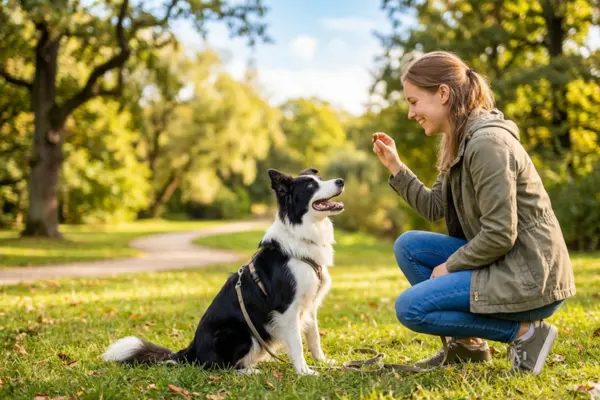
Brittanys are intelligent dogs and respond well to a variety of training techniques. Positive reinforcement, using treats, praise, and play, is highly effective, as Brittanys thrive on pleasing their owners. Consistency is key when teaching commands like “sit,” “stay,” “come,” and “heel.” Incorporating short, frequent training sessions can prevent your Brittany from becoming bored and help them retain what they’ve learned. Engaging in activities like fetch can also reinforce commands while providing essential mental and physical stimulation, helping to tire out this energetic breed.
Challenges in Training and How to Overcome Them
While Brittanys are often considered easy to train, dog owners might encounter some challenges due to their high energy and strong prey drive. Some common issues and solutions include:
- Their tendency to get distracted, especially by scents or moving objects. Overcoming this requires patience and practicing commands in increasingly distracting environments.
- If your Brittany pulls on the leash, consistent loose-leash training is vital.
- For their boundless energy, ensuring they get plenty of mental exercise through puzzle toys and dog sports like agility, along with ample physical activity, can prevent boredom and destructive behaviors.
Hunting with Your Brittany Spaniel
Brittany Spaniels were bred to hunt, and for many owners, developing their natural hunting instincts is a deeply satisfying aspect of Brittany ownership. Turning your Brittany into a proficient hunting dog involves specific training beyond basic obedience. Understanding the nuances of bird hunting and your Brittany’s inherent abilities as pointing dogs will guide your step-by-step training process. It’s a journey that strengthens your bond and allows your Brittany to fulfill its purpose, making them a truly exceptional canine companion in the field.
Preparing Your Brittany for Hunting
Preparing your Brittany for the hunt begins with ensuring they have a solid foundation of obedience commands. A Brittany that knows and consistently responds to “come,” “stay,” and “whoa” is safer and more effective in the field. Early exposure to gun noises, starting with distant, low-volume sounds and gradually increasing proximity, is crucial to prevent gun shyness. Introducing them to game birds, even if just in a controlled environment, can ignite their natural instincts and set the stage for more advanced bird hunting training.
Training Techniques for Hunting Skills
Training your Brittany for hunting skills involves specific drills that capitalize on their innate abilities. Practicing “whoa” is paramount for pointing dogs, teaching them to freeze on scent without flushing the bird. Drills for retrieving, using dummies or dead birds, help perfect their ability to gently return game. Field work, gradually exposing your Brittany to different terrains and cover, enhances their ability to effectively search for birds. These specialized training sessions, combined with their eager-to-please temperament, help your Brittany become a reliable hunting partner.
Understanding Your Brittany’s Instincts
Understanding your Brittany’s instincts is key to successful hunting training. Brittanys possess a keen sense of smell and a strong prey drive, making them natural bird dogs. Their pointing instinct is deeply ingrained, allowing them to locate game and hold a steady point. Recognizing and channeling these natural behaviors through consistent training ensures your Brittany develops into an effective and ethical hunting companion. Harnessing these inherent traits allows your Brittany to truly shine in the field, fulfilling their destiny as a superb hunting dog.
Maintaining Your Brittany’s Well-being
Physical Exercise and Activity Needs
Maintaining your Brittany’s well-being is paramount, and at the heart of it lies their need for significant physical exercise. These energetic dogs aren’t content with just a short walk around the block; Brittanys need ample opportunities to run, explore, and engage their muscles. Regular, vigorous exercise, such as long runs, intense games of fetch, or participation in dog sports like agility, is crucial to prevent boredom and destructive behaviors. A well-exercised Brittany is a happy and well-behaved canine, making future dog training sessions far more productive.
Socialization: Importance for Brittanys
Socialization is an incredibly important aspect of raising a well-adjusted Brittany. Early and consistent exposure to a variety of people, places, sounds, and other friendly dogs helps shape a confident and friendly adult dog. Without proper socialization, some Brittanys can become shy or anxious, which can hinder their ability to learn new commands and interact appropriately. Positive reinforcement during these experiences can help your Brittany develop into a well-rounded companion, making them a joy in any setting and reinforcing their eager-to-please temperament.
Health Considerations for the Brittany Breed
As responsible dog owners, understanding the health considerations specific to the Brittany breed is vital for their long-term well-being. Brittanys are generally a healthy breed, but like all dogs, they can be predisposed to certain conditions, such as hip dysplasia, epilepsy, and certain eye conditions. Regular veterinary check-ups, a balanced diet, and consistent exercise are key preventative measures. Being aware of these potential issues allows you to be proactive in their care, ensuring your energetic Brittany remains healthy and active for many years, ready for any training sessions or adventures.
Final Thoughts on Brittany Training
Recap of Key Training Tips
As we wrap up our Brittany Spaniel training guide, let’s recap the key Brittany training tips that will help you raise a well-behaved and happy hunting dog. Remember, consistency, positive reinforcement, and understanding the Brittany’s energetic temperament are crucial. Start puppy training early, focus on socialization, and ensure your intelligent dog gets plenty of mental stimulation and physical exercise. Whether you’re aiming for a family pet or a skilled bird dog, patience and a clear training approach will lead to a strong bond and a well-trained Brittany.
Resources for Further Learning
For those looking to deepen their understanding of dog training and the Brittany breed, there are numerous resources available. Beyond what we’ve covered at mypawandbreeds, consider local dog trainers who specialize in positive reinforcement or hunting dog training. Books, online courses, and breed-specific clubs can offer invaluable insights into advanced obedience commands, dog sports like agility, or specialized bird hunting techniques. Connecting with experienced Brittany dog owners or joining forums can also provide practical tips and support as you continue your training process with your Brittany. For official breed information, training resources, and club support, visit the American Brittany Club
Connecting with PawandBreeds for More on Brittanys
We hope this comprehensive “dog breeds guide” has provided you with a solid foundation for training your Brittany Spaniel. At mypawandbreeds, we are committed to being your go-to resource for all things dog-related. From puppy training to advanced hunting skills, we aim to offer the best Brittany training tips and breed information. Visit our site regularly for more articles, guides, and expert advice to help you and your beloved Brittany thrive. We’re here to support you every step of the way in your journey with this wonderful and energetic breed!
FAQ’s
Q: dog training — how do I start to train a new puppy brittany dog at home?
A: Start simple and consistent. For a new puppy, use short sessions (5–10 minutes), high-value treats or puppy food, and chew toys to keep attention. Socialize early, teach basic cues (sit, come, stay) and use a whistle for recalls. Brittanys are quick learners and eager to learn, but they can get bored — mix in sniff games and short scent work to stimulate both physical and mental needs.
Q: brittany training tips — what’s the best way to channel their high-energy and athleticism?
A: Provide plenty of exercise and new activities like fetch, dock diving, or scent work to burn energy. Alternate physical play with training for new behaviors so they don’t get bored. Daily routines that include runs, off-leash field time, and mentally engaging games keep britts happy and balanced.
Q: brittanys need — how much exercise does a brittany need and what about mental stimulation?
A: High-energy dogs like brittanies need both physical and mental activity every day. Aim for long walks, runs, or hunt-style games plus scent work and puzzle toys. If they don’t get enough, they’ll invent their own entertainment — usually destructive — so rotate chew toys, sniff games, and short training drills.
Q: easy to train — are brittanies easy to train for hunting or as a family dog?
A: Yes, brittanies are generally easy to train because they’re eager to please and quick learners. They excel at dog work like hunting grouse and woodcock, field trial sports, and can even become therapy dog candidates with steady socialization. Training approach differs: hunting-focused training emphasizes steady, scent work, and gun conditioning; family training focuses on manners, recall, and control around guests and kids.
Q: How do I teach a brittany to hunt and prepare for hunting season?
A: Start with basic obedience, then introduce field-specific training: steady, quartering, mark and back, and controlled exposure to birds. Use positive reinforcement and build gradually toward live retrieves. Practice scent work and short sessions mimicking hunting conditions so your brittany wants to hunt rather than panic. Field trial prep is similar but more structured and timed.
Q: My brittany is about 6 months old — what training milestones should I expect?
A: At around 6 months old they’ll be full of energy but capable of learning more complex cues. Expect better focus, improved recall with a whistle, and readiness for longer off-leash time if reliable. Keep training positive, introduce mild distractions, and continue socialization. Don’t push heavy physical work too early — protect joints while still feeding good puppy food for growth.
Q: What to do when my brittany gets bored or destructive during training?
A: Rotate activities: short obedience drills, scent work, sniff games, and new activities like dock diving or agility. Increase mental challenge with puzzle toys and hide-and-seek. Offer chew toys and structured playtimes. Remember brittanies are high-energy and will look for outlets if unstimulated, so consistent exercise is key.
Q: Can a brittany be trained for non-hunting roles like therapy dog or home companion?
A: Absolutely. With their eager-to-learn nature and affectionate temperament, many brittanies become wonderful companions and can be trained as therapy dogs. Focus on calmness around people, steady recall, and patience with distractions. Balance their love for dog work and sport with quieter activities so they’re comfortable in both active and calm environments.