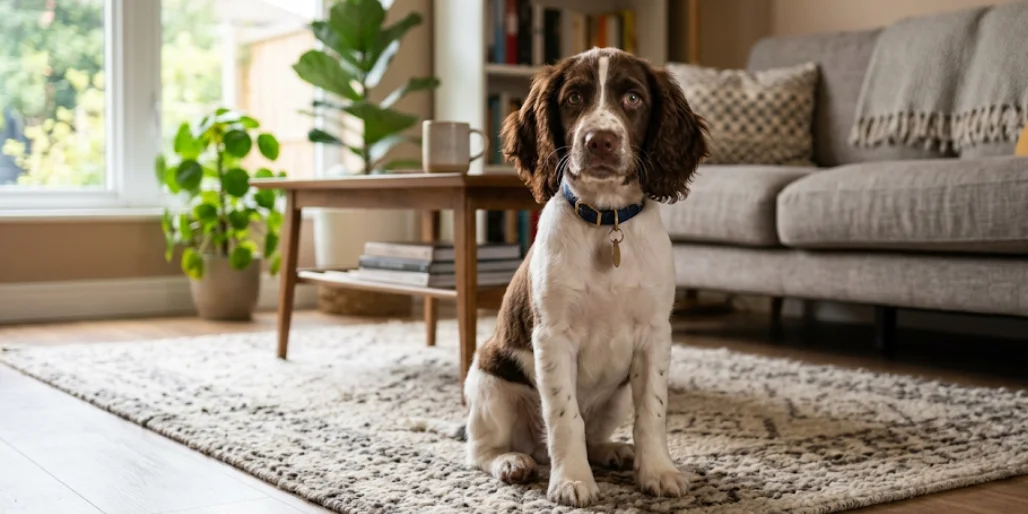
Welcome, fellow Springer Spaniel enthusiasts! If you’ve just brought home an adorable English Springer Spaniel puppy, you’re in for a treat – and a bit of a challenge. This guide, brought to you by My Pawandbreeds, is designed to help you navigate the exciting world of Springer Spaniel training, ensuring your furry friend grows into a well-behaved and happy companion. From basic obedience to more advanced commands, we’ll cover everything you need to successfully train your dog.
Introduction to Springer Spaniel Training
Why Training is Essential for Your Springer Spaniel
Training is absolutely crucial for your Springer Spaniel, and it goes far beyond just teaching them to sit or stay. A well-trained Springer Spaniel is a joy to live with, integrating seamlessly into your family life. Without proper Springer Spaniel training, these intelligent and high-energy dogs can develop undesirable habits. Early training sessions lay the foundation for a happy, well-adjusted pup and strengthen the bond between you and your companion. It’s about developing mutual understanding and respect.
Overview of Springer Spaniel Characteristics
The English Springer Spaniel is a breed renowned for its intelligence, eagerness to please, and boundless energy. Springer Spaniels are lively, affectionate dogs that thrive on interaction and physical exercise. They possess a natural retrieving instinct, often seen in their playful nature, and are known for their beautiful “spaniel eyes.” Understanding these inherent breed characteristics, such as their high energy and natural prey drive, is key to developing effective training methods tailored specifically for a Springer Spaniel puppy. This knowledge will help you channel their natural tendencies productively.
How to Use My Pawandbreeds for Effective Training
My Pawandbreeds offers a wealth of resources to assist you in your Springer Spaniel training journey. Our comprehensive dog breeds guide, along with articles and training videos, provides valuable training advice for every stage of your pup’s development. Whether you’re looking for tips on basic obedience training, socialization, or dealing with common puppy challenges, My Pawandbreeds is here to support every Springer Spaniel owner. We aim to empower you with the knowledge and techniques to successfully train your dog and enjoy a harmonious life together.
Understanding the Springer Spaniel Breed
History and Purpose of the English Springer Spaniel
The English Springer Spaniel boasts a rich history, originally bred as a gun dog to “spring” game from cover for hunters. This inherent purpose has profoundly shaped the breed’s characteristics, leading to its renowned intelligence, eagerness, and boundless energy. My Pawandbreeds understands that recognizing this background is crucial for Springer Spaniel owners, as it explains why your Springer Spaniel puppy thrives on activity and mental stimulation. Proper Springer Spaniel training should always acknowledge these natural instincts to effectively train your dog.
Physical Attributes of the Springer Spaniel
The English Springer Spaniel is a medium-sized dog known for its athletic build and friendly expression. They typically stand between 19-20 inches tall and weigh 40-50 pounds, with a distinctive feathered coat that requires regular grooming. Their expressive “spaniel eyes” are often cited as one of their most charming features. Understanding these physical attributes is important for Springer Spaniel owners, as it influences their need for physical exercise and attention to their coat, all part of living with a Springer Spaniel.
Temperament and Behavior Traits
Springer Spaniels are lively, affectionate, and incredibly intelligent dogs. They possess a keen desire to please their owners, making them highly trainable with positive reinforcement. However, their high energy and working dog background mean they require significant physical exercise and mental stimulation to prevent boredom and destructive behaviors. Early socialization is key for a Springer Spaniel puppy to ensure they grow into a well-adjusted and confident adult, ready to thrive in various environments.
Training Techniques for Springer Spaniel Puppies
Basic Commands Every Springer Should Know
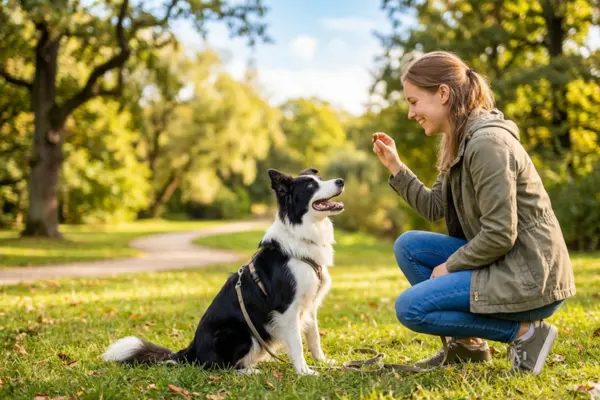
When you first start training your Springer Spaniel puppy, focusing on basic commands is paramount. Commands like “sit,” “stay,” “come,” and “down” form the foundation of good behavior and safety for your pup. These training sessions should be short, consistent, and fun to keep your English Springer Spaniel engaged. Remember, a Springer Spaniel puppy is eager to please, and positive reinforcement will go a long way in teaching your Springer these essential skills, making living with a Springer Spaniel much more enjoyable for both of you.
Positive Reinforcement Methods
Positive reinforcement is the most effective training method for a Springer Spaniel. This involves rewarding desired behaviors with treats, praise, or toys, which encourages your puppy to repeat those actions. Avoid punishment, as it can create fear and anxiety in your Springer Spaniel and hinder the learning process. With their high energy and eagerness to work, Springer Spaniels respond wonderfully to consistent rewards, making training your dog a positive experience and strengthening your bond with your beloved pup.
Utilizing Training Videos for Better Understanding
Training videos can be an invaluable resource for Springer Spaniel owners. Watching experienced dog trainers demonstrate proper techniques for various commands and behaviors can give you a clearer understanding of how to approach your own training sessions. These videos can offer practical tips on everything from leash training to teaching your Springer more advanced tricks, helping you troubleshoot challenges and refine your approach to successfully train your dog.
Physical Exercise and Mental Stimulation
The Importance of Regular Exercise for Your Springer
Given their high energy and background as a working gun dog, regular physical exercise is non-negotiable for a Springer Spaniel. Daily walks, runs, and active playtime are crucial to prevent boredom and destructive behaviors. An under-exercised English Springer Spaniel can become restless and prone to mischief. Providing ample opportunities for your pup to burn off energy will contribute significantly to a well-behaved and happy Springer, ensuring they are tired enough to relax during downtime.
Fun Activities and Games to Play with Your Puppy
Beyond structured exercise, engaging your Springer Spaniel puppy in fun activities and games is essential for both physical and mental stimulation. Games like fetch, hide-and-seek, and even simple trick training can keep your high-energy Springer engaged and mentally sharp. These interactive games not only provide an outlet for their natural retrieving instincts but also strengthen the bond between you and your Springer Spaniel. Varying the activities will keep your pup excited and prevent boredom.
Training a Springer Spaniel as a Gun Dog
For those interested in training a Springer Spaniel for their historical purpose as a gun dog, specialized training is required. This involves honing their natural instincts for retrieving, scent work, and working in the field. Starting with basic obedience training and then gradually introducing more specific gun dog exercises will help develop their innate abilities. Even if you don’t hunt, understanding this aspect of the breed can inform your general training advice, as it highlights their strong drive and intelligence.
Grooming and Care for Your Springer Spaniel
Grooming Tips for a Healthy Coat
Keeping your Springer Spaniel’s coat healthy and tangle-free is a significant part of being a responsible Springer Spaniel owner. Regular grooming, including brushing several times a week, is essential to prevent matting, especially around their ears, legs, and feathering. This not only keeps your Springer looking good but also helps to distribute natural oils, promoting a healthy skin and coat. Don’t forget occasional baths and nail trims, making these grooming sessions positive experiences with plenty of praise and treats for your pup.
Dealing with Mouthy Behavior in Puppies
Springer Spaniel puppies, like many breeds, tend to be quite mouthy as they explore the world. It’s important to teach your Springer appropriate bite inhibition early on. When your puppy mouths too hard, a firm “no” or a yelp, followed by ignoring them for a short period, can effectively communicate that the behavior is unacceptable. Redirecting their biting to appropriate chew toys is also crucial to help them understand what they can and cannot mouth. Consistent training sessions are key to managing this phase.
Health Considerations for Springer Spaniel Owners
As a Springer Spaniel owner, being aware of common health issues is vital for the well-being of your beloved pup. Springer Spaniels tend to be a generally healthy breed, but they can be prone to certain conditions such as hip and elbow dysplasia, eye conditions, and ear infections due to their floppy ears. Regular veterinary check-ups, a balanced diet, and sufficient physical exercise are crucial for maintaining your Springer’s health. Early detection and preventative care will help your Springer Spaniel live a long and happy life.
Conclusion and Additional Resources
Recap of Key Training Tips
We’ve covered a lot of ground in this guide, emphasizing that effective Springer Spaniel training relies on consistency, positive reinforcement, and understanding your pup’s high energy and natural instincts. Remember to start training early with basic obedience training, provide plenty of physical exercise and mental stimulation, and ensure proper socialization for your Springer Spaniel puppy. These training methods will help you teach your Springer to be a well-behaved and happy member of your family, making living with a Springer Spaniel a joyful experience.
Further Reading on Springer Spaniel Training
To deepen your knowledge and refine your approach, there are numerous resources available for Springer Spaniel owners. Beyond the comprehensive training videos and articles on My Pawandbreeds, consider exploring books specifically on Springer Spaniel temperament and training, or reputable online forums where you can connect with other Springer owners. The more you learn about your specific breed, the better equipped you’ll be to tackle any challenges and celebrate the successes in your journey to train your dog.
Visit My Pawandbreeds for More Information
For more in-depth articles, expert advice, and a wide array of training videos tailored for your English Springer Spaniel, be sure to visit My Pawandbreeds. We are dedicated to providing Springer Spaniel owners with the best resources to ensure a happy and healthy life with their high-energy pups. Whether you need more tips on crate training, dealing with separation anxiety, or advanced trick training, My Pawandbreeds is your go-to source for all your Springer Spaniel training needs.
FAQ’s
Q: How do I train your english springer spaniel puppy from day one?
A: Start right by focusing on short, fun sessions indoors so young puppies don’t get overwhelmed. Use positive reinforcement and high-value reward treats, introduce appropriate chew items, and begin simple scent games and retrieve game basics. For a 9 week old springer you’ll want lots of short repeats, calm boundaries, and good communication — that builds a foundation for field dogs or family dogs later.
Q: What’s the best way to train your english springer spaniel to have solid recall?
A: Use positive reinforcement, start indoors or in a low-distraction yard, and make coming back fun — toss a food puzzle reward or high-value treat when they return. Gradually increase distance and distractions; practice sniff games and scent games rewards so even easily distracted dogs choose you. For off-leash work, only move to larger areas once recall is rock-solid with distractions like dog park noise or other hunting dogs nearby.
Q: How can I stop your springer from mouthing and teach “drop” reliably?
A: Teach “drop” with trades: offer a high-value reward in exchange for the item and say “drop” calmly. Reward the exact moment they release. Reinforce with appropriate chew items so they have a safe outlet. Use consistent cues, and if a cocker or cocker spaniel behavior appears similar, treat it the same: trade, reward, and ignore rough play until calm.
Q: My puppy is easily distracted — how do I train your english springer spaniel to focus?
A: Keep sessions tiny, use high-value reward and lots of praise, and build focus with games like scent games and food puzzle tasks. Practicing mental fatigue activities (sniff games, obedience mixed with retrieve game) tires their brain so they’re calmer. Gradually increase distractions and always end on a win so the puppy stays engaged.
Q: Is crate training important and how does it help with being prone to separation anxiety?
A: Yes — crate training gives a safe den and helps treat puppies that are prone to separation anxiety. Start slowly, make the crate cozy with appropriate chew items, and pair it with short alone times that increase gradually. Combine crate work with training and living routines so your springer learns independence without panic. If anxiety is severe, consult a professional dog trainer or vet.
Q: When can I safely let my springer be off-leash, and how do I prepare?
A: Only when your dog has rock-solid recall and reliable obedience in real-world distractions. Train your english springer spaniel off-leash gradually: start indoors, then a fenced yard, then supervised off-leash areas. Use high-value rewards and scent games to keep their nose and brain engaged — hunting dogs instincts can pull them away fast, so build trust slowly.
Q: How can I give your springer enough exercise and mental work without overdoing it for a 9 week old springer?
A: Young puppies need short bursts of activity: brief play sessions, gentle retrieve game, sniff games and puppy videos for calm exposure. Avoid long runs; focus on mental stimulation like food puzzle toys, scent games, and short training sessions. This prevents joint stress while burning off lots of energy and reducing destructive behavior.
Q: Should I hire a professional dog trainer or can I handle training and living myself?
A: Many owners can handle basics with good resources, but if you’re dealing with strong hunting instincts, severe separation anxiety, or you want off-leash reliability, a professional dog trainer is a great investment. Look for trainers who use positive reinforcement, understand field dogs and family dogs, and can teach specific skills like solid recall, “drop,” or advanced scent games. Combining pro help with at-home consistency gives the best results.