Welcome to mypawandbreeds, your ultimate resource for dog breeds. Great Danes, with their imposing size and gentle nature, make wonderful companions. However, training a Great Dane puppy comes with its unique set of challenges and rewards. This guide is designed to provide you with practical, effective Dane training tips to help you raise a well-behaved and happy gentle giant. We’ll explore everything from understanding their unique breed characteristics to mastering essential commands and addressing common behavioral issues. For a comprehensive dog breeds guide, be sure to explore our pillar page on the subject.
Understanding the Great Dane Breed
Overview of Great Danes
Great Danes are truly magnificent creatures, often referred to as “Apollo of Dogs” due to their regal appearance and impressive stature. As a Dane owner, you’ll quickly discover that while their size might be intimidating to some, their hearts are full of love and loyalty. Originating from Germany, this Great Dane dog breed was initially developed for hunting boar, but over centuries, they evolved into the gentle giants we adore today. Understanding the historical context of the breed can shed light on some of their inherent traits and make the Dane training process smoother.
Temperament and Behavior
The temperament of a Great Dane is truly one of its most defining characteristics. Danes are generally known for their friendly, patient, and sweet disposition, making them excellent family pets. They often get along well with children and other dogs, displaying remarkable tolerance for playful antics. Despite their size, they are incredibly sensitive and thrive on human companionship, often preferring to be close to their families. This inherent desire to please makes training a Great Dane puppy a rewarding experience, as they are usually eager to learn and respond well to positive reinforcement.
Why Great Danes are Considered Gentle Giants
The moniker “gentle giant” perfectly encapsulates the essence of the Great Dane breed. This Great Dane’s gentle nature, coupled with their imposing physical presence, creates a captivating paradox. Their calm and docile demeanor makes them surprisingly adaptable to various living situations, provided they receive adequate exercise and mental stimulation. While their size might suggest an intimidating presence, Great Danes are typically very loving and affectionate, often unaware of their own vastness as they attempt to curl up on your lap. Understanding this inherent gentleness is key to approaching Dane training with the right mindset.
Training Great Danes: An Introduction
Welcome back to mypawandbreeds, where we dive deep into the world of dog training, specifically for our beloved Great Danes. Training Great Danes is not just about teaching commands; it’s about fostering a strong bond and ensuring your gentle giant grows into a well-behaved companion. Given their size, early and consistent training is absolutely crucial for Great Dane owners. A well-trained Great Dane is a joy to live with, and with the right approach, even a large puppy can be an incredibly well-mannered family member. Remember, a well-trained dog is a happy dog!
Why Train a Great Dane Puppy?
Training a Great Dane puppy is absolutely essential, and arguably more so than with smaller breeds, primarily due to their eventual size and strength. A well-behaved Great Dane is not only safer to be around, especially for children and other dogs, but also much more manageable in public spaces. Early Dane training helps establish boundaries, promotes good manners, and prevents potential behavioral issues from escalating as they grow. Positive reinforcement during puppyhood sets the foundation for a lifetime of good behavior and a harmonious relationship between you and your gentle giant.
Key Training Tips for Great Dane Owners
For Great Dane owners, starting training early is paramount. Puppy classes can be incredibly beneficial, providing socialization opportunities and professional guidance. When you train a Great Dane puppy, always prioritize positive reinforcement, rewarding desired behaviors with treats, praise, or toys. Consistency is key across all members of the household. When it comes to the specific commands to focus on, consider:
- Basic commands like “sit,” “stay,” “come,” and “leave it.”
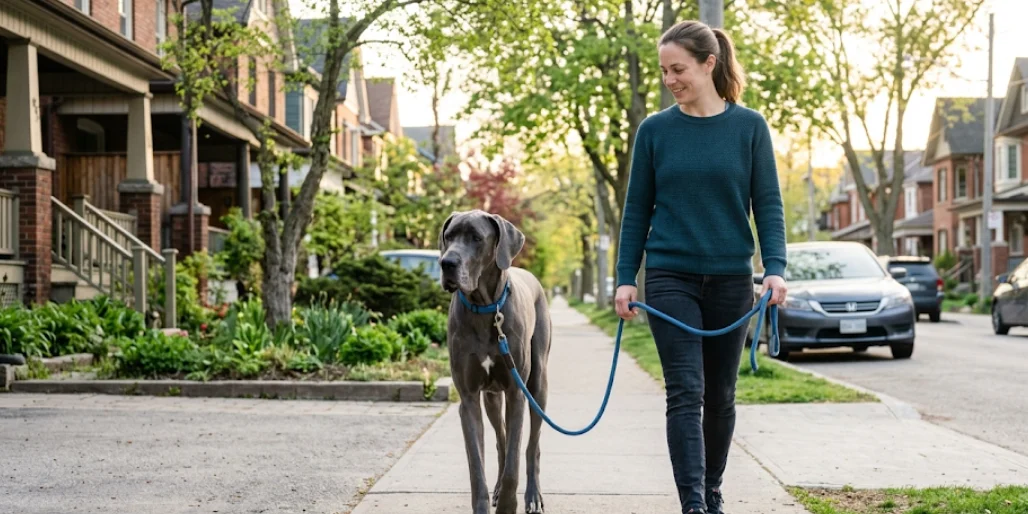
- Early leash training, which is crucial for walking a Great Dane safely and comfortably as they grow, as a strong, untrained Great Dane can be challenging to manage on a leash.
For additional expert-approved methods, check out the American Kennel Club’s Great Dane training guide, which offers comprehensive advice from professional trainers to support your training journey.
Common Misconceptions About Training Great Danes
One common misconception is that Great Danes are too large or stubborn to train, or that their gentle giant nature means they don’t require much training. This couldn’t be further from the truth! While they are indeed gentle, their size necessitates thorough dog training. Another myth is that you need harsh training methods; in reality, Great Danes are known to be sensitive and respond best to positive reinforcement and patience. Thinking that an older Great Dane cannot be trained is also incorrect; while it might take more effort, even adult dogs can learn new behaviors with consistent effort and the right training approach.
Dane Training Techniques
Basic Commands for Your Great Dane Puppy
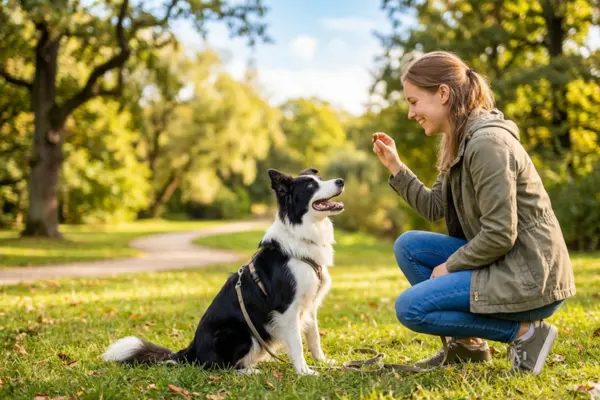
Starting with basic commands is the cornerstone of successful training for your Great Dane puppy. Commands like “sit,” “stay,” “come,” and “down” are not just tricks; they are essential for safety and good manners. When you train a Great Dane puppy, there are a few key principles to follow:
- Always use positive reinforcement. This means rewarding your puppy with treats and praise immediately after they perform the desired action.
- Keep training sessions short, fun, and consistent to maintain your puppy’s attention and enthusiasm.
Danes are generally eager to please, making them relatively easy to train with the right approach.
Effective Leash Training for Great Danes
Leash training is incredibly important for Great Danes due to their size and strength. Start early by introducing a comfortable collar or harness to your Great Dane puppy. Allow them to wear it for short periods, gradually increasing the time. Once they are comfortable, there are a few key steps to take:
- Attach the leash and let them drag it around in a safe, enclosed area.
- Teach them to walk politely by your side without pulling.
Consistency and positive reinforcement are key; reward your puppy when they walk calmly on the leash. This early work will make walking a Great Dane a pleasure, not a struggle.
Addressing Great Dane Pulling Issues
If your Great Dane puppy starts pulling on the leash, it’s crucial to address this behavior promptly. A Great Dane’s strength can make pulling a significant challenge for any Dane owner. One effective training technique is to stop walking every time your Great Dane pulls. Only resume walking when the leash is loose. This teaches them that pulling gets them nowhere. Incorporate “heel” commands during your walks and reward them generously when they walk calmly beside you. Professional training classes can also provide valuable guidance and practical tips for managing and correcting pulling behavior.
Advanced Training Tips for Great Danes
Socialization Techniques for Giant Breeds
Socialization is a critical aspect of training Great Danes, especially for giant breeds. Exposing your Great Dane puppy to a variety of people, places, sounds, and other dogs from a young age helps them develop into a well-adjusted and confident adult. Enroll your Great Dane puppy in puppy classes, attend dog-friendly events, and arrange controlled playdates with other vaccinated dogs. Positive experiences during socialization prevent fear-based aggression or shyness and ensure your gentle giant remains friendly and calm in various situations. A well-socialized Great Dane is a joy to have in any setting.
Training for Specific Situations
Beyond basic commands, training Great Danes for specific situations is incredibly beneficial. This might include teaching your Great Dane to remain calm during vet visits, to be polite when guests enter your home, or to behave well during car rides. Practice these scenarios regularly, using positive reinforcement to reward desired behavior. For instance, have friends simulate arriving guests and practice your dog’s “place” or “stay” command. This type of targeted Dane training helps your Great Dane navigate the complexities of daily life with grace and confidence, making them a truly well-mannered companion.
Using Positive Reinforcement in Dane Training
Positive reinforcement is undoubtedly the best way to train a Great Dane. Danes are known for their sensitive nature and respond exceptionally well to rewards rather than punishment. This training approach involves rewarding good behavior with treats, praise, or toys, which strengthens the likelihood of that behavior being repeated. Avoid harsh corrections or yelling, as this can damage your Great Dane’s confidence and your bond. Consistent and enthusiastic positive reinforcement during all training sessions creates a happy, motivated learner and builds a trusting relationship between you and your Great Dane. Mypawandbreeds supports this humane training method for all breeds.
Maintaining Training Consistency
Establishing a Routine for Your Great Dane
Establishing a consistent routine is paramount when you train a Great Dane puppy. Great Danes, like many breeds, thrive on predictability, which helps them feel secure and understand expectations. A daily schedule for feeding, potty breaks, exercise, and training sessions can significantly aid in successful training. For a Great Dane puppy, knowing when to expect these activities reduces anxiety and makes them more receptive to learning. This structured approach is one of the best ways to train and ensures your gentle giant develops good habits from an early age, making Dane training much smoother for both of you.
Common Challenges and Solutions
Training Great Danes can present common challenges, but with the right training approach, solutions are readily available. One frequent issue is a Great Dane puppy’s tendency to jump due to their excitement and size; consistently teach a “four on the floor” command, rewarding them with positive reinforcement when they keep all paws down. Another challenge can be their occasional stubbornness, for which short, engaging training sessions and high-value treats are effective. For new Great Dane owners, managing their strength on a leash can be tricky; consistent leash training from a young age is vital. Remember, patience and consistency are your greatest allies in overcoming any Great Dane training obstacle.
When to Seek Professional Help
While many Great Dane owners can successfully train a Great Dane puppy with consistency and positive reinforcement, there are times when professional help from a certified dog trainer is invaluable. If you encounter persistent behavioral issues such as severe separation anxiety, aggression towards other dogs or people, or if you feel overwhelmed by the Great Dane training process, don’t hesitate to seek expert guidance. Professional training classes can provide tailored training advice and methods, offering a fresh perspective and specialized techniques that can greatly benefit your Great Dane. Investing in a good trainer ensures your gentle giant receives the best possible training and development.
Conclusion: The Joy of Training a Great Dane
Recap of Training Tips
In recap, successful training Great Danes hinges on a few core principles. Starting early with your Great Dane puppy, utilizing consistent positive reinforcement, and establishing a predictable routine are fundamental. Basic training commands like “sit,” “stay,” and effective leash training are essential for a well-behaved gentle giant. Addressing common training challenges with patience and understanding, and knowing when to seek professional training classes, are also vital. Remember, the goal of Dane training is not just obedience, but fostering a strong, loving bond between you and your Great Dane, making the entire journey a rewarding experience.
The Lifelong Benefits of Training
The lifelong benefits of training Great Danes extend far beyond a well-behaved puppy; they encompass a harmonious life for both the Great Dane and their owners. A properly trained Great Dane is a joy to live with, navigating various situations with confidence and grace. Effective dog training enhances their safety, reduces stress for Great Dane owners, and strengthens the unique bond shared between you and your gentle giant. From calm walks on the leash to polite interactions with guests and other dogs, the investment in early Great Dane training provides a lifetime of happiness and mutual respect, solidifying their role as a cherished family member.
Final Thoughts for Great Dane Owners
For all Great Dane owners, remember that training your Great Dane puppy is an ongoing journey filled with learning and love. Embrace the process, celebrate the small victories, and always approach Dane training with patience and positive reinforcement. Your Great Dane’s gentle nature makes them eager to please, and with consistent effort, you’ll raise a magnificent, well-mannered companion. At my pawandbreeds, we believe that every Great Dane deserves to be a happy, well-adjusted member of the family, and comprehensive training is the best way to achieve that. Enjoy every moment of training your gentle giant!
FAQ’s
Q: dog training — how do I start great dane training with a new puppy?
A: Start simple and consistent: set a routine for potty training, crate training, feeding and play. Great danes need clear rules and short, frequent sessions (5–10 minutes) so training time fits their attention span. Carry treats, get eye contact, and use positive associations — reward calm behavior. Remember great dane dog puppies grow fast, so establish boundaries early to avoid rambunctious behavior later.
Q: great dane training — are Great Danes easy to train compared to other breeds?
A: Many people think great danes are easy to train because they’re actually quite smart and eager to please, but they’re also big gentle giants whose size makes consistency crucial. Great danes are generally cooperative if training success is built on positive reinforcement and patience. Never strike or use harsh corrections; that damages trust and slows progress.
Q: easy to train — what tricks or basic commands should I teach first?
A: Start with sit, down, come, and a reliable dog on a leash heel. Teaching your dog these basics helps with safety — especially because great danes can reach 150 pounds or more when fully grown. Use high-value treats, short sessions in a low-distraction area, and reward small wins for training success.
Q: great dane dog — how do I handle leash training for such a big puppy?
A: Use a sturdy harness and practice indoors before heading out. Teach loose-leash walking by stopping or changing direction when the puppy pulls — reward when they walk politely. Carry treats and keep sessions short. If you train early, great danes are usually easier to manage on walks even as they approach their typical adult size.
Q: great danes need — how much exercise and socialization do Great Dane puppies require?
A: Great danes need moderate, age-appropriate exercise — short walks, supervised play with another dog if available, and mental games. Avoid over-exercising during the first few years while their bones grow. Socialization with people and another dog helps prevent fear or rambunctious behavior; reward calm interaction to build good habits.
Q: dog training — what about crate training and potty training for a giant breed?
A: Crate training helps with potty training and gives your pup a safe den. Choose a crate that fits a fully grown dog or use a divider that grows with them. For potty training, keep a consistent schedule, praise successes, and clean accidents without scolding. Consistency is important for success — puppies learn fast in the first few months.
Q: great dane training — are Great Danes stubborn and how long until my great dane learns commands?
A: Great Danes are intelligent dogs who respond well to consistent, positive training. Some individuals are slower to mature, but with daily short sessions you’ll see progress quickly. Training time varies, but expect steady improvement over the first few years; reinforcement throughout life keeps skills sharp.
Q: easy to train — any tips for preventing pulling, jumping or rambunctious behavior?
A: Redirect excess energy into structured play and basic obedience. Teach “sit” or “down” for greetings, reward calm behavior, and practice impulse-control games. Use positive associations and never strike — physical punishment fuels fear and makes problems worse. If you need help, a professional trainer familiar with big gentle giants can speed up training success.