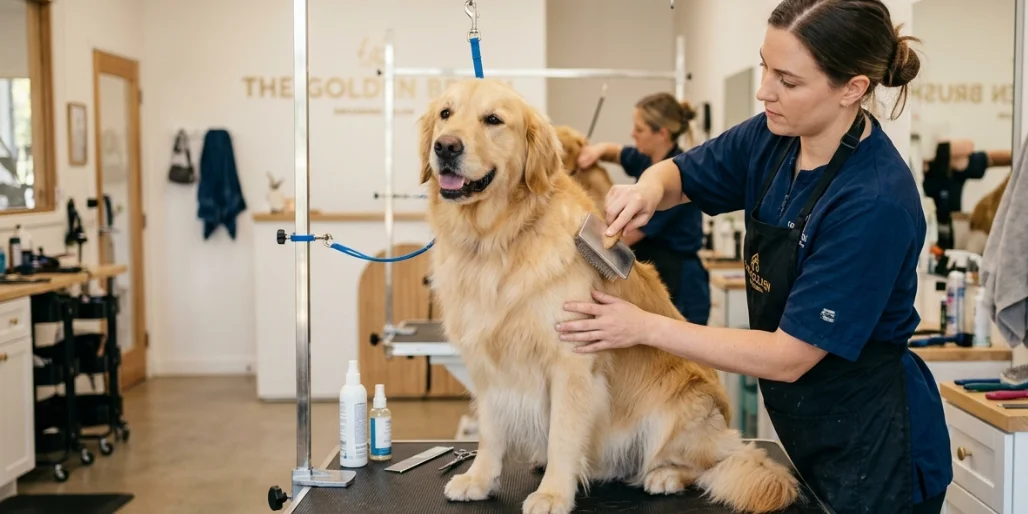
Welcome to the ultimate guide for keeping your canine companion looking and feeling their best! Dog grooming is more than just aesthetics; it’s a vital part of your pet’s health and happiness. We’ll dive into everything from specific haircuts for various breeds to the essential tools and techniques to make grooming a breeze.
Understanding the Importance of Dog Grooming
Embarking on the world of dog grooming might seem daunting, but understanding its fundamental importance is the first step. Regular grooming is a cornerstone of your dog’s overall well-being, contributing significantly to their physical health and emotional comfort. It’s not just about looking pretty; it’s about a healthy coat and skin, preventing common ailments, and strengthening your bond.
Benefits of Regular Grooming
Regular grooming offers a plethora of benefits for your beloved pet. Beyond just keeping them neat, it helps prevent mats and tangles, which can be incredibly painful and even lead to skin issues. Consistent grooming sessions also allow you to inspect your dog’s skin for any abnormalities, like lumps, bumps, or parasites, ensuring early detection and treatment. Moreover, a well-groomed dog often feels more comfortable and confident.
How Grooming Affects Your Dog’s Health
The impact of grooming on your dog’s health is profound. Regular brushing helps distribute natural oils throughout their coat, promoting a healthy shine and preventing dryness. It also removes dead hair and dirt, which can irritate the skin and lead to infections. Nail trims are crucial to prevent discomfort and paw issues, while cleaning your dog’s ears can ward off painful ear infections, especially in breeds prone to them.
When to Seek Professional Dog Grooming Services
While DIY grooming is beneficial, there are times when a professional dog groomer is indispensable. If your dog has a complex coat type, like the intricate poodle grooming cuts or specific schnauzer grooming styles, a professional has the expertise and tools to execute them safely. Similarly, for large breeds or dogs with behavioral challenges during grooming tasks, a professional groomer can provide specialized care and ensure a stress-free experience for everyone involved.
Grooming Tools and Supplies
Having the right arsenal of grooming tools and supplies is crucial for effective and enjoyable dog grooming. Just as a chef needs their specific knives, a dog owner needs the correct brushes, shampoos, and clippers to properly groom a dog. Investing in quality tools not only makes the process easier but also ensures better results and a more comfortable experience for your furry friend.
Essential Grooming Tools for Dog Owners
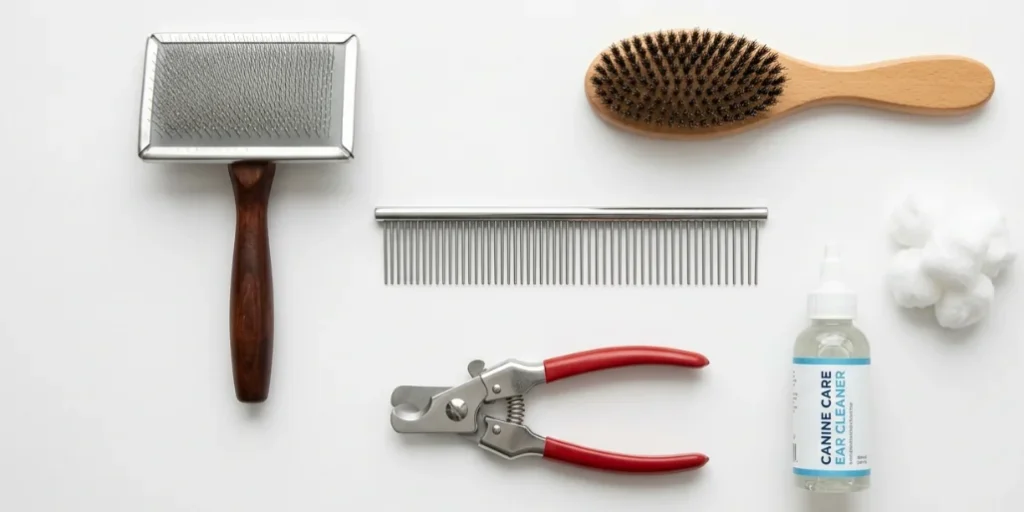
To successfully groom your dog at home, several essential grooming tools are a must-have. A good quality comb is vital for detangling, especially for longer-haired dog breeds. Nail clippers are indispensable for regular nail trims, and styptic powder should always be on hand in case of an accidental quick cut. Ear cleaner and cotton balls are also crucial for maintaining your dog’s ears and preventing ear infections, completing your basic grooming kit.
Best Brushes for Different Dog Breeds
| Brush Type | Ideal For |
| Slicker Brush | Removing mats and loose undercoat from many breeds. |
| Bristle Brush | Short-haired dogs, distributing natural oils and adding shine. |
| De-shedding Tool | Double-coated breeds (e.g., Australian Shepherd, Golden Retriever) and breeds like the Husky to manage shedding and remove dead hair. |
Choosing the Right Shampoo and Conditioner
| Shampoo Type | Benefit / Use |
| Oatmeal Shampoos | For sensitive skin |
| Flea and Tick Shampoos | For prevention |
| Brightening Shampoos | For white coats (e.g., Bichon Frise) |
Following with a conditioner helps to rinse thoroughly and keeps the coat soft and manageable, preventing tangles.
Step-by-Step Dog Grooming Process
Embarking on the dog grooming process can seem overwhelming initially, but breaking it down into manageable steps makes it much simpler. A structured approach ensures all grooming tasks are completed efficiently and thoroughly, making the experience more pleasant for both you and your canine companion. From preparation to the final touches, each step plays a vital role in maintaining your dog’s health and appearance.
Preparing Your Dog for Grooming
Before you even think about bathing or trimming, preparing your dog for grooming is crucial. This involves brushing your dog thoroughly to remove any mats or tangles, which can become worse when wet. Take this time to also inspect your dog’s paws, looking for any debris or foreign objects. A calm and positive environment will help keep your dog relaxed and make the entire grooming session much more enjoyable for both of you.
Bathing Your Dog: Techniques and Tips
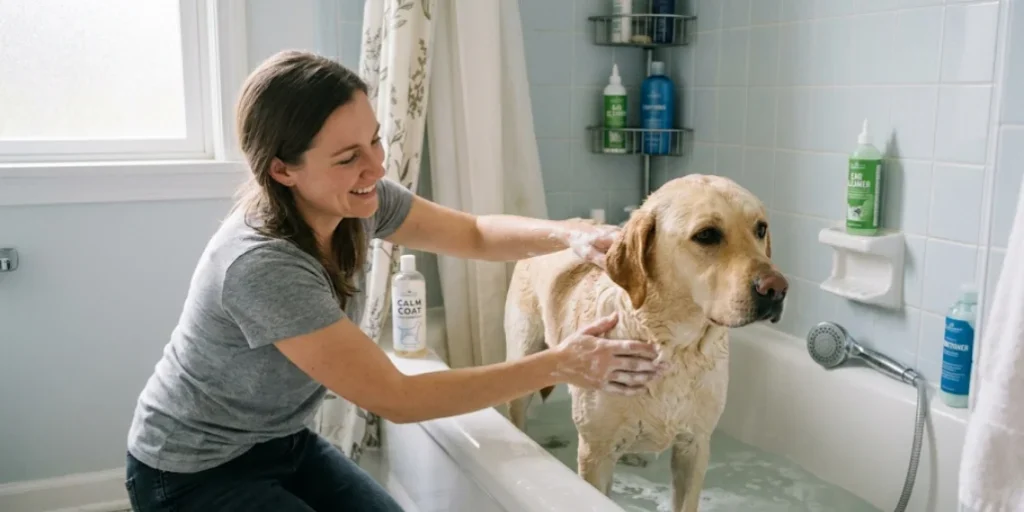
Bathing your dog effectively requires specific techniques and tips to ensure a thorough clean without causing distress. Use lukewarm water and apply dog shampoo, working it into a lather, paying special attention to areas like the dog’s paws and underbelly. Remember to rinse thoroughly to avoid skin irritation from leftover shampoo. For breeds like the Bernese Mountain Dog, which can be prone to shedding, regular bathing can help manage loose hair.
Nail Trimming: A Crucial Grooming Step
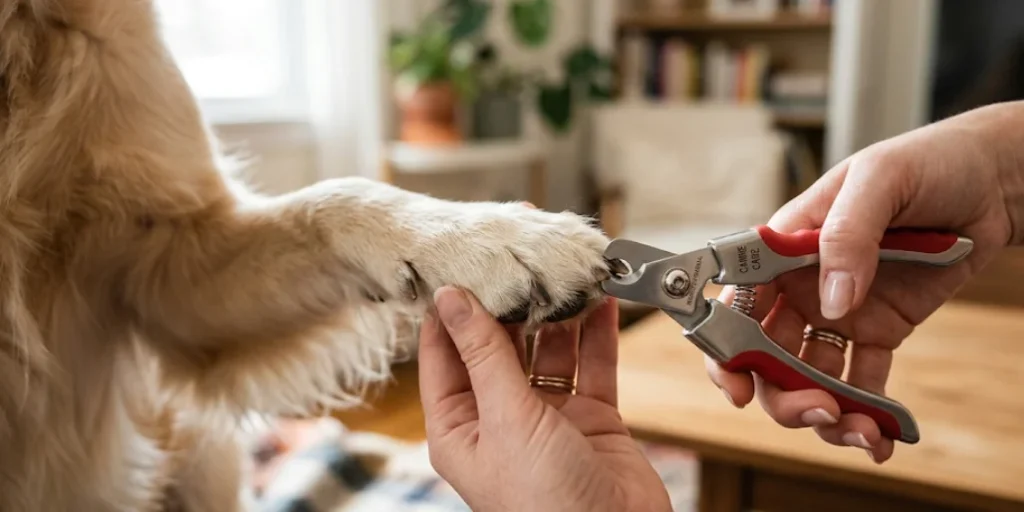
Nail trimming is perhaps one of the most overlooked, yet crucial, grooming steps. Long nails can cause discomfort, alter your dog’s gait, and even lead to serious paw issues. Use sharp nail clippers and trim only the tip, being careful to avoid the quick. If you’re unsure, seek guidance from a professional groomer. Incorporating nail trims into your regular grooming routine will keep your dog comfortable and healthy.
Dog Haircuts by Breed
Shih Tzu Dog Haircuts
| Haircut Style | Description |
| Puppy Cut | A practical, shorter style that helps prevent mats and tangles, making daily brushing easier. |
| Lion Cut | An elaborate style that leaves the hair around the head and chest longer, resembling a lion’s mane, while the rest of the body is trimmed shorter. |
Cocker Spaniel Haircut Styles
Cocker spaniel haircut styles typically emphasize their beautiful, flowing ears and feathered legs, though regular grooming is essential to keep their coat healthy and mat-free. The classic “sporting cut” is a popular choice, keeping the body hair short to reduce tangles while maintaining the characteristic longer feathers on the legs and ears. Professional groomers often recommend frequent brushing to prevent mats, especially around the ears, which are prone to tangles and require special attention.
Poodle Grooming Cuts
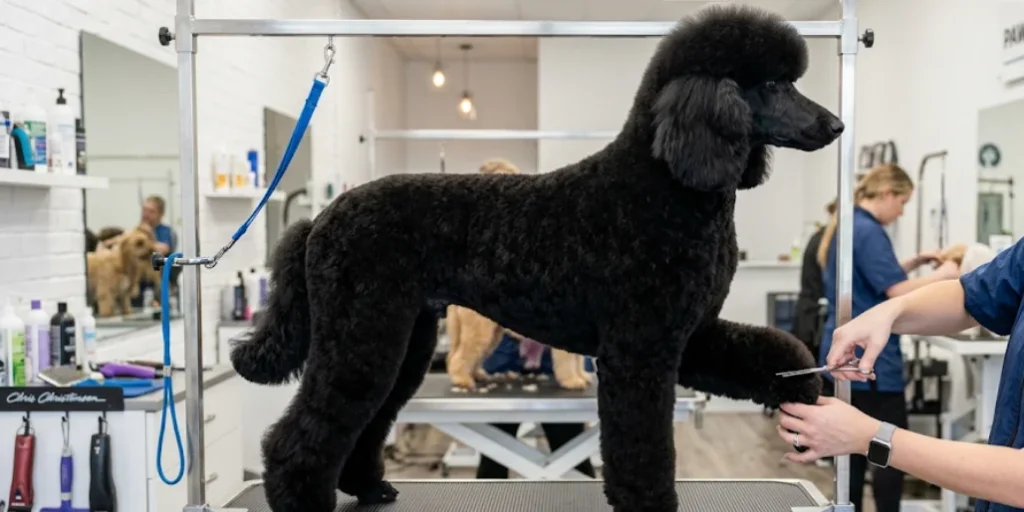
Poodle grooming cuts are renowned for their artistry and variety, ranging from practical to show-stopping styles that highlight their unique curly coat. Popular poodle grooming cuts include the “puppy clip,” a soft, even length all over, and the more elaborate “continental clip,” often seen in show rings, which features shaved areas with prominent pom-poms. Regardless of the style, regular professional grooming is crucial to prevent mats and maintain the health of their dense, non-shedding coat.
Maltese Hairstyles
Maltese hairstyles often focus on their long, silky white coats, aiming for elegance while preventing mats and maintaining hygiene. A popular option is the “puppy cut,” where the coat is trimmed to an easy-to-manage short length all over, significantly reducing grooming time and preventing tangles. For owners who prefer a longer look, the classic Maltese hairstyle involves keeping the coat long and flowing, requiring daily brushing and regular professional grooming to keep it pristine and mat-free.
Yorkie Haircuts
Yorkie haircuts can vary greatly, from practical, short styles to the traditional long, flowing coats that require dedicated grooming. Many owners opt for a “puppy cut,” which involves trimming the hair to a uniform short length all over, making it much easier to keep tangle-free and clean. For those who prefer the classic show look, the long coat requires daily brushing, regular bathing, and professional grooming to prevent mats and maintain its signature silky texture.
Schnauzer Grooming Styles
Schnauzer grooming styles are characterized by their distinctive facial hair and harsh, wiry coats, which require specific trimming techniques to maintain the breed’s signature look. The classic “schnauzer cut” involves a shorter body, with longer hair left on the beard, eyebrows, and legs, creating their iconic appearance. Regular hand-stripping or clipping by a professional groomer is essential to maintain the coat’s texture and prevent it from becoming soft and prone to matting.
Bichon Frise Haircut
The Bichon Frise haircut is most famously known for its “powder puff” look, which highlights their soft, curly, double coat, but regular grooming is key to preventing mats. This signature style involves a rounded, fluffy appearance, particularly around the head and body. To keep your dog looking their best and prevent mats, consistent brushing and professional grooming every few weeks are essential, along with regular bathing and careful drying to maintain that iconic fluffy texture.
Cockapoo Grooming Cuts
Cockapoo grooming cuts are varied due to their mixed heritage, but all require regular grooming to manage their often wavy or curly coats, which are prone to matting. A popular choice is the “puppy cut,” where the coat is trimmed to an even, shorter length all over, making it much easier to brush and keep free of tangles. For longer styles, consistent daily brushing and professional grooming are essential to prevent mats and maintain a healthy, beautiful coat.
Haircuts for Golden Retrievers
Haircuts for Golden Retrievers typically focus on tidying their feathered coats rather than dramatic style changes, aiming to reduce shedding and maintain a neat appearance. Common trims involve feathering on the legs, tail, and ears to keep them clean and free of mats. While Golden Retrievers don’t usually get full body haircuts, regular grooming, including thorough brushing and occasional trims by a professional groomer, is crucial for managing their double coat and controlling shedding.
Aussiedoodle Haircuts
Aussiedoodle haircuts vary widely due to their diverse coat types, ranging from wavy to curly, all requiring consistent professional grooming to prevent mats and maintain health. Many owners opt for a “puppy cut,” keeping the coat trimmed to a uniform short length all over, which significantly reduces the risk of tangles and makes daily brushing easier. For those with longer coats, regular brushing and professional grooming every 6-8 weeks are essential to manage their beautiful but prone-to-matting fur.
Bernedoodle Grooming Styles
Bernedoodle grooming styles are diverse, reflecting their mixed heritage, and all demand regular professional grooming to prevent their coats from matting, especially for those with curlier fur. A popular choice is the “teddy bear cut,” where the coat is kept at a medium length all over, creating a soft, plush look that is both adorable and manageable. Consistent brushing at home and professional grooming every 4-8 weeks are crucial to keep their coats healthy, tangle-free, and looking their best.
Brushing Techniques and Tips
Best Brush for Short Hair Dogs
When it comes to the best brush for short hair dogs, you want tools that effectively remove loose fur and distribute natural oils to keep their coat healthy and shiny. A bristle brush is an excellent choice, as its dense bristles work wonders on short coats, stimulating the skin and promoting a healthy shine. Additionally, a rubber curry brush can be incredibly effective for short-haired breeds, gently massaging the skin while loosening dead hair, making the grooming process much more enjoyable for your dog.
Best Brush for Australian Shepherds
For the best brush for Australian Shepherds, a breed known for its thick, beautiful double coat, you’ll need a combination of tools to manage shedding and prevent mats. A slicker brush is essential for removing tangles and loose hair from their dense undercoat. Follow up with a de-shedding tool, like a rake, to effectively pull out dead hair, especially during heavy shedding seasons. Regular grooming with these tools will help keep their coat healthy and minimize shedding around your home.
Best Brush for Golden Retrievers
Finding the best brush for Golden Retrievers, with their luxurious double coats, is crucial for managing shedding and preventing mats. A slicker brush is invaluable for detangling and removing loose fur from both the topcoat and undercoat. For deeper de-shedding, especially during seasonal shedding, a de-shedding rake or tool works wonders to pull out dead hair without damaging the healthy coat. Regular brushing will not only keep your dog looking great but also reduce the amount of fur left on your furniture.
Best Brush for Huskies
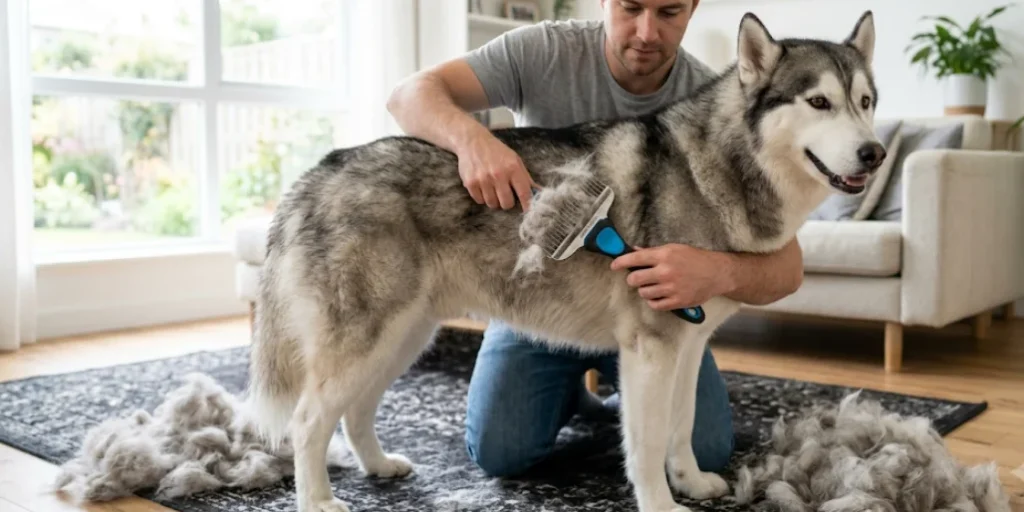
The best brush for Huskies, famous for their incredibly dense double coats and significant shedding, involves tools specifically designed for powerful de-shedding. A sturdy slicker brush is excellent for working through their thick fur to remove tangles and loose undercoat. However, the true hero for Huskies is a de-shedding rake or a specialized de-shedding tool, which can penetrate their dense coat to pull out copious amounts of dead hair, especially during their bi-annual “blow-outs.”
Managing Shedding and Coat Care
Understanding Bernese Mountain Dog Shedding
Understanding Bernese Mountain Dog shedding is key to managing their beautiful, thick double coat. These majestic dogs are known for moderate to heavy shedding year-round, with two significant “blow-out” seasons where they shed even more intensely. Regular grooming is absolutely essential to minimize the impact of their shedding. Without consistent brushing, their dead hair can quickly accumulate, leading to mats and an abundance of fur on your furniture and floors, requiring dedicated grooming sessions.
Tips for Reducing Shedding in Dogs
When it comes to tips for reducing shedding in dogs, regular grooming is your best defense. Consistent brushing with the appropriate brush for your dog’s coat type—like a slicker brush for many breeds or a de-shedding tool for double-coated breeds—will remove dead hair before it falls out naturally. Bathing your dog with a de-shedding shampoo can also help loosen fur. Additionally, ensuring your dog has a healthy diet rich in omega fatty acids can promote a healthier coat and reduce excessive shedding.
Seasonal Grooming Needs
Understanding seasonal grooming needs is crucial for maintaining your dog’s coat health throughout the year. In warmer months, lighter trims for breeds like the Bernese Mountain Dog can help them stay cooler, though you should never shave a double-coated dog completely. During shedding seasons, which often occur in spring and fall, increased regular brushing and de-shedding sessions are paramount to manage the influx of dead hair. Winter might require less frequent bathing but still consistent brushing to prevent mats under winter clothing.
Professional Dog Grooming Tips and Tricks
Finding a Reliable Professional Dog Groomer
Finding a reliable professional dog groomer is paramount for ensuring your furry friend receives the best care, especially for complex poodle grooming cuts or specific schnauzer grooming styles. Start by asking for recommendations from trusted friends, veterinarians, or local dog park regulars. Look for groomers with certifications and good reviews, and don’t hesitate to visit their facility to check for cleanliness, safety protocols, and how they interact with the dogs. A good groomer will also be happy to discuss your dog’s specific grooming needs and preferences.
What to Expect During a Grooming Session
When you bring your dog to a professional dog groomer, you can expect a comprehensive grooming process tailored to your dog’s breed and coat type. Typically, a grooming session begins with a thorough brush to remove tangles and dead hair, followed by a bath using professional dog shampoo and conditioner. Then, the groomer will perform a nail trim, clean your dog’s ears, and finally, apply the desired haircut, whether it’s specific Shih Tzu dog haircuts or practical Cockapoo grooming cuts. Many groomers also include a final fluff dry and a spritz of dog-friendly cologne.
Common Grooming Mistakes to Avoid
To keep your dog healthy and happy, there are several common dog grooming mistakes to avoid. One frequent error is not brushing your dog regularly enough, especially for breeds prone to mats like those with Maltese hairstyles or Aussiedoodle haircuts, which can lead to painful tangles. Another mistake is using human shampoo, which can irritate your dog’s skin. Also, being too aggressive with nail clippers and cutting the quick can cause pain and bleeding. Always remember to use appropriate grooming tools and take your time to make the grooming process a positive experience.
FAQ’s
Q: How often should I groom your dog and what counts as regular dog grooming?
A: Aim for a quick brush every day or every few days depending on coat type, and a full session (bath, brush, trimming nails, ear cleaning) every 4–8 weeks. Regular dog grooming includes brushing with the right brush, trimming nails, cleaning the ear canal when needed, and keeping the coat free of mats. Make sure your dog gets routine care so small issues don’t become big ones.
Q: What tools should I buy to groom a dog at home and which grooming equipment is essential?
A: Start with a slicker brush, a bristle brush to remove loose hair and add shine, a comb for finishing, nail clippers, ear-cleaning solution, and dog-safe shampoo designed specifically for dogs. Avoid human shampoo; it can dry out a dog’s skin. If you’re learning to groom, invest in basic, good-quality tools first.
Q: How do I comb a long-coated dog without hurting them or causing mats?
A: Work in sections from ends toward the base, hold the fur near the skin to avoid pulling, and use a slicker brush to remove tangles before you comb. Use a wide-tooth comb for heavy mats and be patient—regular dog grooming prevents big mats. Expert tips: spray a detangler if needed and take breaks so you both stay relaxed.
Q: Can I use human shampoo on my dog and what should I know about grooming products?
A: Don’t use human shampoo—dog skin pH is different. Choose a shampoo designed specifically for dogs and suited to your dog’s coat and skin needs. If you’re unsure, ask a professional groomer. Good grooming products keep skin healthy and make at-home grooming easier.
Q: My dog has floppy ears and is prone to ear infections—how do I groom and clean ears safely?
A: Floppy ears can trap moisture so ear cleaning is important. Use a vet-approved ear cleaner and cotton balls (never stick anything deep into the ear canal). Clean only the outer part you can see. If your dog is prone to ear infections, check ears weekly and take the dog to a professional groomer or vet if you notice odor, redness, or discharge.
Q: How do I learn to groom a dog’s face carefully around the corner of the eye and ears?
A: Go slow and use blunt-tipped scissors or a small trimmer, keeping a finger between the blade and the dog’s face as a guard. Trim small amounts at a time, especially near the corner of the eye and floppy ears. Make grooming a positive experience with treats and praise so your dog stays calm while you work.
Q: When should I take my dog to a professional groomer instead of doing at-home grooming?
A: Consider a professional groomer if you need breed-specific cuts, complex scissor work, severe mats, or if your dog is reactive during grooming. Professionals also handle things like ear canal care and safe trimming around sensitive areas. Regular visits plus at-home grooming is a great combo.
Q: Any expert tips for making grooming a positive experience and learning to groom without stress?
A: Start young or slowly condition older dogs with short, frequent sessions. Use treats, gentle praise, and the right brush for your dog’s coat. Make sure your dog associates grooming equipment with calm, pleasant things. Keep sessions short, practice trimming nails and touching paws, and consider professional lessons or videos if you’re learning to groom. Small, consistent steps lead to good grooming habits.