When it comes to our beloved Huskies, keeping their majestic coats in top condition is a labor of love that every owner understands. Here at mypawandbreeds, we know the struggles of managing husky shedding, and we’re here to guide you through the best tools and techniques to keep your furry friend looking their best and your home a little less covered in fur.
Understanding the Husky Coat
Characteristics of a Husky’s Coat
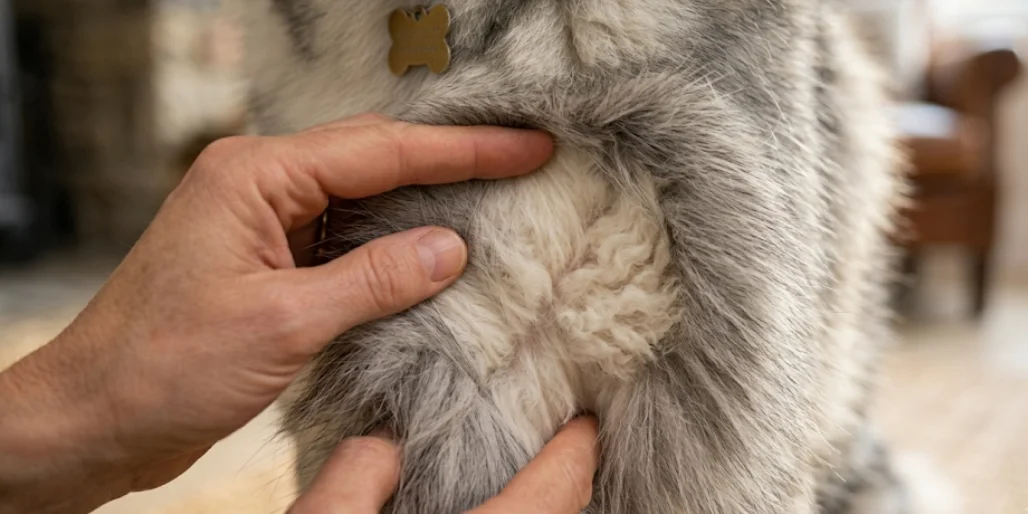
The Siberian Husky’s coat is truly a marvel, specifically designed by nature to protect them in harsh, cold climates — a coat structure the American Kennel Club (AKC) formally documents in the breed standard, recognising the dense double coat as an essential functional trait requiring consistent, breed-specific grooming care. This double-coated breed possesses a dense, soft undercoat that provides insulation, acting like a built-in down jacket, trapping warm air close to their body. Over this plush undercoat lies a layer of coarser, longer guard hairs, which form the topcoat. These guard hairs are water-repellent and protect the Husky from elements like snow and ice, ensuring their skin stays dry. It’s this unique combination that makes a Husky’s coat so effective and, consequently, prone to heavy shedding.
The Importance of Grooming for Huskies
Grooming for Huskies isn’t just about aesthetics; it’s absolutely crucial for their health and well-being. Regular grooming helps to remove loose fur, preventing mats and tangles that can be uncomfortable and even painful for your dog. A consistent grooming routine also helps distribute natural oils throughout their coat, promoting a healthy shine and skin. Furthermore, brushing allows you to check for any skin issues, parasites, or unusual lumps that might require veterinary attention. For a comprehensive dog grooming guide, consistent grooming practices are key to managing a Husky’s coat.
How Huskies Shed: Seasonal vs. Year-round Shedding
Huskies shed in a way that can surprise first-time husky owners. They are famous for their “blowing coat” periods, which are intense seasonal shedding events, typically twice a year in spring and fall. During these times, they rapidly shed large amounts of their undercoat to adapt to changing temperatures. However, Huskies also experience year-round shedding, albeit at a less dramatic rate. Even with regular brushing, you’ll find some loose hair throughout the year. Understanding this shedding pattern is vital for choosing the right deshedding tools and establishing an effective grooming schedule to reduce shedding.
Choosing the Right Brush for Huskies
For all you husky owners out there, picking the right brush is paramount to managing that magnificent, yet challenging, double coat. At mypawandbreeds, we understand that finding the best brush can feel like a quest, especially with so much loose fur involved. The ideal dog brush isn’t just about removing loose hair; it’s about maintaining skin health, preventing mats, and making the entire grooming routine a more pleasant experience for both you and your Siberian Husky. The right tools truly make a world of difference in reducing shedding and keeping their coat in prime condition.
Types of Brushes and Their Uses
When it comes to grooming your Siberian Husky, understanding the different types of dog brushes is key to tackling that thick undercoat. There are various grooming tools available, each designed for specific purposes. Pin brushes are great for general grooming and distributing natural oils, while bristle brushes can add shine to the topcoat. However, for a double-coated breed like the Husky, you’ll need more specialized tools to effectively remove loose fur and manage heavy shedding without damaging their skin or coat. Knowing when and how to use each brush will elevate your grooming game.
Benefits of Using a Deshedding Brush
A deshedding brush is an absolute game-changer for any husky owner battling the notorious “blowing coat” phases. These specialized grooming tools are designed to reach deep into the undercoat, effectively removing loose hair and dead fur before it ends up all over your home. Regular deshedding significantly reduces shedding, preventing mats and tangles from forming. A high-quality deshedding brush can make your Husky’s coat healthier, shinier, and much more manageable, transforming a potentially daunting task into a rewarding one. It’s truly the best brush for tackling that impressive amount of fur.
Why a Slicker Brush is Ideal for Huskies
A slicker brush is another indispensable grooming tool for your Husky, particularly for smoothing the topcoat and working through any minor tangles. While not a primary deshedding tool, its fine, wire bristles are excellent for gently removing loose hair from the surface and preventing mats in the guard hairs. For a double-coated breed, a slicker brush can help fluff up the coat and give it a polished finish after you’ve tackled the undercoat with other tools. It’s a versatile brush that contributes significantly to a well-rounded grooming routine, making your Husky’s coat look neat and tidy.
Top Grooming Tools for Huskies
When it comes to grooming your Husky, having the right tools in your arsenal is crucial for managing their thick, double coat and heavy shedding. We’re not just talking about any dog brush; we’re talking about specific grooming tools designed to effectively remove loose fur, prevent mats, and keep your Siberian Husky’s coat healthy and beautiful. Investing in high-quality grooming tools will not only make the process easier for you but also more comfortable for your beloved pet, making regular grooming a positive experience for everyone involved.
Best Deshedding Tools for Heavy Shedding
For a breed prone to heavy shedding like the Husky, having the best deshedding tools is non-negotiable. Tools like the FURminator deshedding tool are highly effective at reaching through the topcoat to remove loose undercoat without cutting the guard hairs. These de-shedding tools are designed to glide through the fur, gathering an impressive amount of loose hair with each stroke. Regular use of a quality deshedding tool will significantly reduce the amount of fur shed around your home and keep your Husky’s coat healthy and free from mats.
Undercoat Rake: A Must-Have for Double-coated Breeds
An undercoat rake is an absolute must-have grooming tool for any double-coated breed, especially a Siberian Husky. This specialized grooming rake is designed with long, sturdy teeth that penetrate deep into the thick undercoat, effectively pulling out loose undercoat and dead fur without damaging the topcoat. Using an undercoat rake for dogs is vital for preventing mats and tangles, which can cause discomfort and skin issues. It’s an essential tool for consistent grooming and plays a huge role in managing that impressive amount of fur.
Combining Brushes for Optimal Grooming
For optimal grooming of your Husky’s coat, combining various brushes and grooming tools is the most effective approach. Start with an undercoat rake to remove the bulk of the loose undercoat, then follow up with a deshedding brush to further reduce shedding. A slicker brush can then be used to smooth the topcoat and remove any remaining loose hair. Finally, a metal comb can help check for any missed mats or tangles. This comprehensive grooming routine ensures your Husky’s coat remains healthy, free from mats, and beautifully maintained.
Techniques for Effective Grooming
Regular grooming is a cornerstone of responsible husky ownership, and mastering the right techniques can transform the experience for both you and your furry friend. At mypawandbreeds, we understand that effectively managing that magnificent double-coated fur requires more than just owning the best brush; it demands knowledge of how to properly use your grooming tools to reduce shedding, prevent mats, and maintain a healthy coat. With consistent grooming and the right approach, you’ll find that keeping your Siberian Husky looking pristine becomes a rewarding part of your routine.
How to Properly Use a Deshedding Brush
Using a deshedding brush correctly is crucial for effectively removing loose undercoat and minimizing shedding without irritating your Husky’s skin. Start by brushing in the direction of the fur growth, using long, gentle strokes. Avoid pressing too hard, as the teeth of the deshedding tool are designed to glide through the topcoat and catch loose fur from the undercoat. Focus on sections, ensuring you cover the entire body. Regular deshedding will significantly reduce the amount of loose hair found around your home and prevent mats, making this one of the most important grooming tools in your arsenal.
Tips for Reducing Shedding with Grooming
To truly reduce shedding in your double-coated Husky, a multi-pronged grooming routine is key. Beyond regular brushing with a deshedding brush and undercoat rake, consider the frequency and thoroughness of your sessions. During heavy shedding periods, daily brushing might be necessary. It’s also important to ensure your Husky’s diet supports a healthy coat, as good nutrition contributes to less breakage and healthier fur. A consistent grooming routine not only minimizes loose fur but also allows you to check for any skin issues, making pet grooming a proactive health measure.
Maintaining a Healthy Coat: Shampoo and Care
Maintaining your Husky’s healthy coat goes beyond just brushing; proper shampoo and care are equally important. When bathing, use a dog-specific shampoo designed for double-coated breeds to avoid stripping natural oils. Ensure you thoroughly rinse all shampoo out to prevent skin irritation. After bathing, gently towel-dry your Husky and then use a powerful dog dryer on a cool setting to dry the undercoat completely, preventing dampness that can lead to skin problems and mats. Regular grooming, including appropriate bathing, helps keep their coat shiny, healthy, and free from knots.
Conclusion
As we’ve explored, effectively managing your Husky’s magnificent double coat requires dedication, the right tools, and a consistent grooming routine. From understanding their unique shedding patterns to mastering the use of various brushes and grooming tools, every step plays a vital role in maintaining their health and appearance. By arming yourself with the knowledge and the best brush for their heavy shedding, you’re not just grooming; you’re actively contributing to your Siberian Husky’s well-being and comfort.
Recap of the Best Brushes for Huskies
To recap, for optimal grooming of your Husky, a combination of specialized brushes is essential. The undercoat rake is a must-have for penetrating the thick undercoat and removing dead fur. A quality deshedding brush is paramount for reducing heavy shedding and collecting loose hair. A slicker brush comes in handy for smoothing the topcoat and tackling minor tangles, while a metal comb ensures no mats or knots are missed. These grooming tools, used in conjunction, form the perfect arsenal for managing your Husky’s impressive coat.
Final Thoughts on Grooming Tools
Ultimately, investing in the right grooming tools is an investment in your Husky’s health and happiness. High-quality grooming tools make the process more efficient for you and more comfortable for your dog. Remember, regular grooming is not just about aesthetics; it’s about preventing skin issues, reducing discomfort from mats, and strengthening the bond between you and your pet. Choose tools that are durable, effective, and specifically designed for double-coated breeds to ensure the best results every time.
Explore More at My Paw and Breeds
We hope this guide has provided you with valuable insights into selecting the best brush and mastering the techniques for grooming your Husky. At My Paw and Breeds, we are passionate about helping pet owners navigate the joys and challenges of dog ownership. For more expert advice, detailed product reviews, and comprehensive guides on all things pet-related, be sure to explore the wealth of information available on our website. Happy grooming!
FAQ’s
Q: What is the best brush for huskies to control loose hair and deshedding?
A: The best brush for huskies is a de-shedding tool for dogs with a metal undercoat rake or Furminator-style deshedding tool — something designed for double-coated dogs to remove loose undercoat while leaving the topcoat intact. A grooming rake plus a pet grooming brush for finishing helps effectively reduces shedding and keeps coat health in check.
Q: How often should I groom my husky with a comb or grooming rake to prevent mats?
A: Brushing is crucial — aim for 3–4 times a week during normal times and daily during heavy shed seasons. Use a grooming rake or undercoat rake for dogs to remove loose fur and a metal comb or double-sided deshedding dematting tool to work out any tangle or knot and ensure air circulation to the skin.
Q: Can I use the same brush for my husky and my cat (dog and cat tool)?
A: Some tool for dogs and cats work, like a gentle deshedding tool for dogs that’s safe for long hair and short-haired pets, but be careful: huskies need tools made for double-coated dogs. A cat brush may be fine for your feline, but for huskies choose a pet grooming brush or deshedding tool for dogs to handle the thick undercoat.
Q: Is a Furminator necessary, or are other pet grooming brushes just as good?
A: A Furminator is a popular deshedding tool for dogs and can be essential for huskies since they shed heavily, but there are other best tools like grooming rakes and double-sided deshedding dematting tool combos that work well. The key is choosing something that targets the loose undercoat without damaging the outer coat.
Q: How do I remove a mat or tangle without hurting my husky’s skin?
A: Start with a metal comb to locate the mat, then use a de-matting tool or double-sided deshedding dematting tool gently. Hold the fur close to the skin to avoid pulling and work from the ends toward the base. For severe mats, a professional grooming session is recommended — grooming is crucial to prevent skin issues and maintain coat health.
Q: Will brushing my husky improve blood circulation and overall coat health?
A: Yes — using the right brush husky owners choose, like a grooming rake or pet grooming brush, stimulates blood circulation and helps distribute natural oils across the dog coat. Regular brushing increases air circulation to the skin, reduces loose fur, and contributes to a shinier, healthier topcoat.
Q: What’s the difference between an undercoat rake for dogs and a deshedding tool for dogs?
A: An undercoat rake for dogs has longer tines to reach the loose undercoat and remove thick clumps, which is great for double-coated dogs. A deshedding tool for dogs (like a Furminator) has a fine blade to pull out loose fur close to the skin. Many owners use both: rake first to break up loose fur, then a deshedding tool to remove remaining loose hair.
Q: Any tips for grooming long hair or short hair huskies to reduce shedding?
A: For both long or short hair huskies, brush regularly, use the right tools (grooming rake, metal comb, and a pet grooming brush), and bathe occasionally to loosen dead undercoat. Gently brush after baths to remove loose fur, avoid over-brushing the topcoat, and consider a double-sided deshedding dematting tool for seasonal blowouts. If your husky is prone to matting or sheds heavily, professional grooming can help keep things under control.