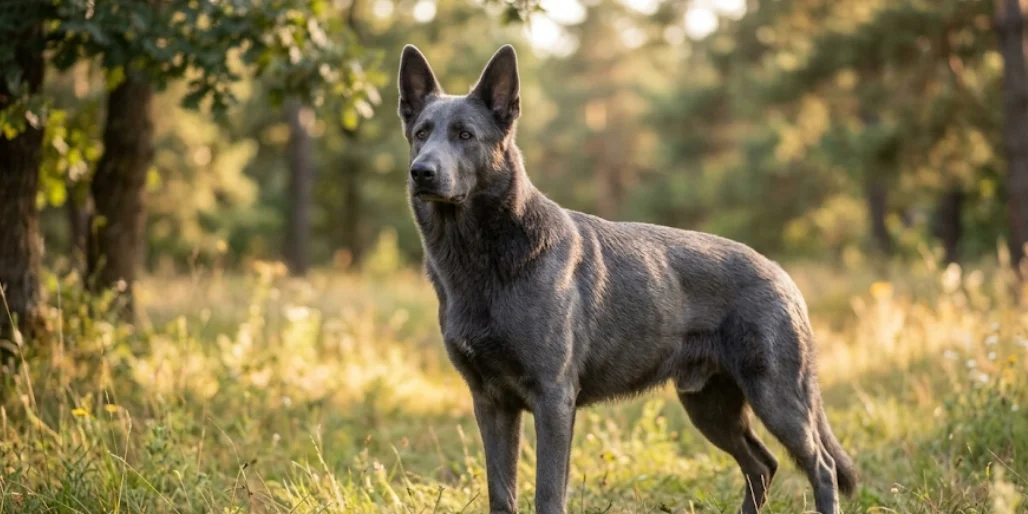
Ever wondered about the stunning blue German Shepherd? These unique pups are more than just a pretty face! We’ll dive into what makes their coats so special, how they differ from traditional GSDs, and everything you need to know about caring for these beautiful dogs. Get ready to explore the fascinating world of blue German Shepherds, including:
- Insights into the intriguing Blue Bay Shepherd
- Essential care tips to ensure your blue GSD thrives
Understanding the Blue German Shepherd
What Makes a German Shepherd Blue?
The distinctive blue color in a blue German Shepherd is a result of a recessive gene, specifically the dilution gene. This gene dilutes the black pigment in their coat, transforming what would typically be a black or black and tan German Shepherd into a stunning shade of blue. The specific shades often include:
- Steel blue
- Powder blue
Both parents must be carriers of this recessive gene for blue puppies to appear in a litter, even if the parents themselves don’t display the blue color. This genetic lottery means that finding blue GSDs can be less common than the standard color variations.
Characteristics of Blue German Shepherds
Beyond their unique coat, blue German Shepherds share many characteristics with their traditionally colored counterparts. Their temperament and health are generally very similar; they are known for being intelligent, loyal, and highly trainable, making them excellent service dogs, guard dogs, and family companions. A blue GSD still possesses the classic shepherd characteristics you’d expect, including their distinctive build and protective instincts. The blue color itself doesn’t inherently bring about different temperament traits or health issues, but responsible breeding is crucial to ensure overall well-being.
Differences Between Blue German Shepherds and Traditional GSDs
The primary difference between a blue German Shepherd and a traditional GSD lies solely in the color of their coat, which is caused by the dilution gene. While standard colors like black and tan or sable are commonly seen, blue shepherds are less frequent. The American Kennel Club (AKC) does not recognize blue as a standard color for the breed, which is an important distinction for those interested in showing. However, this doesn’t diminish the quality or temperament of a blue GSD as a family pet or working dog. A reputable breeder, like those associated with PawandBreeds, will always prioritize temperament and health testing, regardless of coat type.
The Blue Bay Shepherd
Origin and History of the Blue Bay Shepherd
The Blue Bay Shepherd is a relatively new and captivating breed, first conceptualized and developed by breeder Vicki Spencer in Florida. Her vision was to create a dog with the stunning wolf-like appearance, particularly focusing on the desirable steel blue or powder blue coat color, combined with the gentle temperament of a domestic dog. This unique breed is a mix of various dog breeds, primarily the German Shepherd and the wolfdog, with the aim to produce beautiful blue pups with exceptional temperaments, making them wonderful companions and service dogs. The meticulous selection of breeding dogs ensures the desired traits are passed down through the generations, creating the distinctive Blue Bay Shepherd we see today.
Physical Traits and Temperament
Blue Bay Shepherds are truly striking dogs. Their captivating blue coat, which can range from a light powder blue to a deep steel blue, is a result of the dilution gene. They possess an athletic build, often resembling their wolfdog heritage, with piercing eyes that often complement their unique blue color.
| Characteristic | Description |
| Temperament | Intelligent, calm, and very loyal to their families |
| Breeding Focus | Gentle and trainable disposition |
| Ideal Roles | Family pets, therapy animals |
Care Requirements for Blue Bay Shepherds
Caring for a Blue Bay Shepherd involves understanding their specific needs. Due to their active nature and intelligence, these blue pups require consistent training and plenty of mental stimulation to prevent boredom and potential behavioral issues. Early socialization is crucial to ensure they grow into well-adjusted adults, especially given their wolfdog lineage. Their beautiful blue coat, while visually stunning, doesn’t typically require excessive grooming beyond regular brushing to keep it healthy and free of mats. Just like any large breed, a balanced diet and regular veterinary check-ups are essential to maintain their overall health throughout their lives.
Raising Blue German Shepherd Puppies
Choosing the Right Blue GSD Puppy
When looking for blue German Shepherd puppies, it’s crucial to find a reputable breeder who prioritizes the temperament and health of their blue GSDs over just the rare blue color. A good breeder will be transparent about their breeding dogs’ health testing, particularly for common GSD issues, and will openly discuss the genetics behind the blue color, explaining the recessive gene responsible for the dilute coat. They should also provide a clear pedigree and be able to answer any questions about the litter, ensuring you bring home a healthy and well-socialized blue pup.
Training Tips for Blue Shepherd Puppies
Training blue German Shepherd puppies is much like training any other GSD, given their shared intelligence and eagerness to please. Early socialization is key for your blue pup to develop a well-rounded temperament, exposing them to various sights, sounds, and people. Consistent positive reinforcement training methods work best, building a strong bond between you and your blue dog. Remember, these are highly intelligent dogs, and mental stimulation through training and play will prevent boredom and ensure a happy, well-behaved blue GSD.
Health Considerations for Puppies
While the blue color itself doesn’t inherently cause health issues, prospective owners of blue German Shepherd puppies should be aware of a condition called Color Dilution Alopecia (CDA, though it’s not exclusive to blue dogs). This is a skin issue sometimes associated with the dilution gene that causes the blue coat, leading to patchy hair loss or skin problems. A reputable breeder will screen for such concerns, and while a blue coat is stunning, prioritizing the overall health of your GSD is paramount. Regular vet check-ups and a good diet will keep your blue pup thriving.
Comparison with Other Breeds
Blue German Shepherd vs. Belgian Malinois
Comparing a blue German Shepherd to a Belgian Malinois reveals two incredibly intelligent and active dog breeds, though with distinct differences. Blue GSDs, with their striking blue color and often calmer demeanor, are known for their loyalty and versatility as service dogs or family companions. The Malinois, while also a German Shepherd-type breed, typically possesses a more intense drive and higher energy levels, making them exceptional working dogs in police and military roles. Both require significant training and mental stimulation, but the blue GSD might be a better fit for families seeking a highly trainable yet slightly less demanding companion.
Behavioral Differences Between Breeds
The behavioral differences between blue German Shepherds and Belgian Malinois often come down to their inherent drives and temperaments. Blue GSDs, while possessing strong protective instincts, tend to be more reserved and thoughtful, making them excellent therapy or guard dogs within a family setting. Malinois, on the other hand, are often described as “high-octane” with an almost insatiable need for a job and consistent engagement. Their drive can be overwhelming for novice owners, whereas a blue GSD, while still requiring commitment, might be a more adaptable blue dog for a wider range of lifestyles.
Which Breed is Right for You?
Deciding between a blue German Shepherd and a Belgian Malinois really depends on your lifestyle and experience with dog breeds. If you’re looking for a loyal, intelligent, and protective blue pup with a unique coat that can thrive as a family member and potentially a service dog, a blue GSD is an excellent choice. If you have extensive experience with highly driven working dogs and are prepared for intense daily exercise and training, the Malinois might be a better fit. Both are magnificent animals, but understanding their distinct temperament and needs is crucial for a harmonious relationship.
FAQ’s
Q: What exactly is a Blue German Shepherd and how does the blue gene work?
A: A Blue German Shepherd is a GSD that carries a color variation caused by a dilution allele commonly called the blue gene — it lightens black pigment to a slate or blue-gray. The blue color doesn’t change its core breed traits, but the allele can come with genetic baggage depending on how it’s bred into lines.
Q: Are Blue German Shepherds recognized as purebred under breed standard?
A: Most major kennel clubs don’t accept the blue color in the GSD breed standard, so blues may not be registered as standard purebred in some registries. That doesn’t mean they’re not GSD’s genetically, but showing and breeding rules can be affected.
Q: Do Blue German Shepherds have different health and temperament compared to normal-colored GSD’s?
A: Generally, the temperament and basic health are similar, but lines bred specifically for color sometimes prioritize looks over health. That can increase risks like hip dysplasia or other issues—so watch for a red flag if a breeding program ignores health testing and temperament testing.
Q: How common is inbreeding or other risky breeding practices in Blue German Shepherd lines?
A: Because blue coloration is less common, some breeders may overuse a few dogs to fix the trait, which raises inbreeding risks. Always ask for health clearances and pedigree transparency to avoid lines with high inbreeding coefficients.
Q: What health checks should I ask about before getting a Blue German Shepherd (e.g., hip dysplasia, genetic tests)?
A: Ask for hip dysplasia screenings, elbow evaluations, and DNA panels for common GSD issues. Services like Embark can provide broad genetic testing for carriers and predispositions. Also look at health and temperament records from the breeder.
Q: Do Blue German Shepherds shed more or less than other GSD’s, and do they stay haired differently?
A: Blue GSD’s shed like any haired German Shepherd — they’re not hypoallergenic and will shed seasonally. Coat color doesn’t change the shedding pattern; grooming and diet play a bigger role.
Q: Are Blue German Shepherds better with families, herding, or as working dogs?
A: Their suitability depends on training, temperament testing, and lineage more than color. A well-bred blue from a responsible breeding program can be great for family life, herding, or work, just like standard-colored GSD’s. Always evaluate individual temperament.
Q: How do Blue German Shepherds compare to wolfdogs or mixed breeds like dobermans crosses in behavior?
A: Blue GSD’s are still German Shepherds; they’re not wolfdogs. Wolfdogs have different genetics and behaviors and need specialists. Crosses with dobermans or other breeds will have mixed traits — expect variation in temperament and trainability depending on the mix.
Q: What are the top red flags to watch for when adopting a Blue German Shepherd from a breeder?
A: Red flags include lack of health clearances, no temperament testing, pressure to buy without meeting parents, multiple litters on site (possible puppy mill), and breeders who prioritize color over health. Ask about inbreeding, the breeding program, and request Embark or similar test results if available.