Welcome to My Paw and Breeds! If you’re the proud owner of a German Shepherd puppy, you’ve embarked on an exciting journey. These magnificent dogs are renowned for their intelligence and loyalty, but proper training is crucial for them to develop into well-behaved companions — explore our dog breeds guide to understand how GSDs compare to other breeds and what makes them uniquely trainable. This guide will provide essential German Shepherd training tips to help you foster a strong bond with your furry friend. If you love the wolf‑like look, you might also enjoy our guide to dog breeds that look like wolves.
Understanding Your German Shepherd Puppy
Temperament of German Shepherds
German Shepherds are a fascinating breed known for their intelligence, confidence, and strong desire to please, making them ideal candidates for the training of German Shepherds. Their natural protective instincts and high alertness mean that successful training begins with understanding their personality. By recognizing these innate traits, you can tailor sessions to their needs, encouraging consistency, clear communication, and positive reinforcement to get the best results.
Importance of Early Socialization
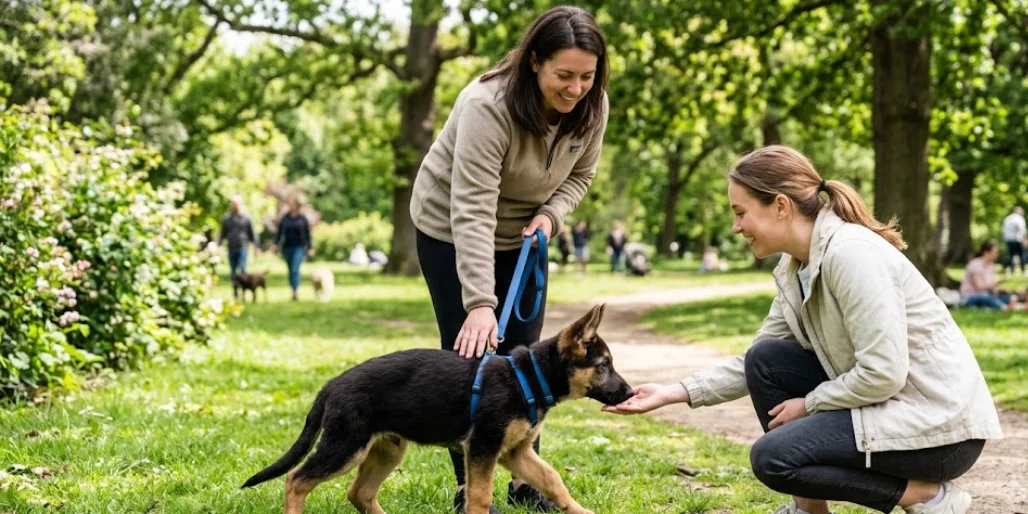
Early socialization is vital for a German Shepherd puppy. A well-socialized pup becomes a confident, well-adjusted adult that is comfortable in different environments and around a variety of people and animals.
Begin exposing your German Shepherd to a range of sights, sounds, and experiences in a positive, controlled way from a young age. This early exposure helps them develop appropriate responses, reduces the risk of fear or aggression, and makes the overall training of german shepherds much smoother and more effective.
Characteristics of a German Shepherd Dog
The German Shepherd Dog is a remarkable breed, prized for its versatility, loyalty, and intelligence — a reputation the American Kennel Club (AKC) formally recognises, listing them among the most popular and versatile working breeds in the US. Historically bred to herd and protect, these dogs combine an athletic build with sharp minds and a strong work ethic, making them well suited for tasks from family protection to competitive dog sports. Coat color varies across the breed as well — from the classic black German Shepherd puppies with their striking solid coats, to the rarer dilution-gene blue German Shepherd, though temperament and trainability stay consistent regardless of color.
Recognizing these natural traits is essential to the training of German Shepherds. With clear expectations and training plans tailored to their intelligence and energy levels—such as structured obedience sessions, agility work, and mentally stimulating activities—you can foster a well-balanced, confident companion who thrives on purpose and challenge.
Getting Started with Puppy Training
When to Start Training Your German Shepherd
You might be wondering when to start training your German Shepherd puppy, and the good news is that you can begin as soon as they come home! Early puppy training is crucial for GSDs, as their highly intelligent minds are like sponges ready to soak up new information. Starting young helps you foster good habits and prevents undesirable behaviors from taking root, making the entire training process much smoother for both you and your German Shepherd.
Essential Puppy Training Techniques
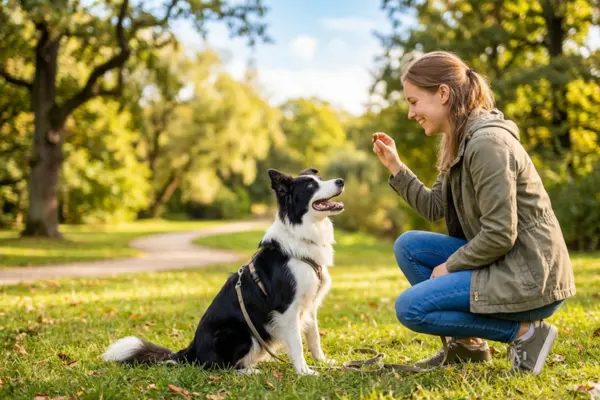
When it comes to essential puppy training techniques for your German Shepherd, positive reinforcement is absolutely key. This means rewarding your GSD puppy for desired behaviors with treats, praise, or toys, which helps to reinforce those actions. Basic commands like “sit,” “stay,” and “come” should be introduced early, along with leash training and crate training. These fundamental steps are vital for building a solid foundation in your German Shepherd’s obedience training.
Creating a Training Schedule
Establishing a consistent training schedule is paramount for successfully training your German Shepherd. Short, frequent training sessions, around 5-10 minutes several times a day, are much more effective than one long session, especially for a young German Shepherd puppy. This helps maintain their focus and keeps them engaged in the dog training process. A regular routine will teach your dog what to expect and reinforce good behavior consistently, leading to a well-behaved companion from My Paw and Breeds.
Types of Training for German Shepherds
Basic Obedience Training
Basic obedience training is the cornerstone of successful German Shepherd training and an absolute must for any GSD puppy. Teaching your German Shepherd commands like “sit,” “stay,” “down,” and “come” not only helps you manage their behavior but also strengthens the bond between you and your highly intelligent companion. Using positive reinforcement methods, such as treats and praise, will encourage your German Shepherd to learn quickly and eagerly, making the training process enjoyable for both of you.
Leash Training for German Shepherd Puppies
Leash training is a fundamental part of puppy training that should begin early for your German Shepherd puppy. Getting your GSD puppy accustomed to a leash and collar from a young age is crucial for enjoyable walks and safe outings. Start with short, positive sessions in a secure area, allowing your puppy to get used to the feeling. Consistently reinforce good behavior on the leash, teaching them to walk politely by your side without pulling, which is essential for a breed as strong as the German Shepherd.
Crate Training: A Safe Space
Crate training is an incredibly valuable tool for any German Shepherd puppy, providing them with a safe and secure den of their own. Introducing your GSD puppy to a crate in a positive way helps with house-training, prevents destructive behavior, and offers a quiet retreat for your dog. Never use the crate as punishment; instead, make it an inviting space with comfy bedding and toys, so your German Shepherd associates it with comfort and security, fostering a sense of safety.
Advanced Training Tips for German Shepherds
Teaching Commands: Come When Called
Teaching your German Shepherd reliable recall, or “come when called,” is one of the most vital commands for their safety and your peace of mind. This advanced training tip is especially important for such an active and curious breed. Practice this command frequently in various environments, always using positive reinforcement to reward your German Shepherd when they respond. A strong recall can prevent dangerous situations and is a testament to effective German Shepherd training.
Training to Reduce Separation Anxiety
German Shepherds, with their strong desire to bond, can sometimes develop separation anxiety if not properly managed. Training to reduce separation anxiety involves teaching your GSD puppy to be comfortable and confident when left alone. Start with short periods of absence, gradually increasing the duration, and always ensure your German Shepherd has stimulating toys or activities to occupy them. This gentle approach helps your German Shepherd dog develop independence and fosters a calmer temperament.
Socializing Your German Shepherd Dog
While early socialization is crucial, continuous socialization throughout your German Shepherd dog’s life is equally important. Exposing your adult GSD to new people, places, and other friendly dogs helps maintain their balanced temperament and prevents the development of fear or aggression. Regular dog park visits, training classes, or even just walks in different environments are excellent ways to socialize your German Shepherd. Remember, a well-socialized German Shepherd is a happy and confident companion, reflecting the dedicated German Shepherd training efforts from My Paw and Breeds.
Common Challenges in German Shepherd Training
Dealing with Behavioral Issues
Even the most intelligent German Shepherd puppy can develop behavioral issues, and addressing them effectively is a key part of successful German Shepherd training. Common problems include excessive barking, nipping, or destructive chewing. The best approach is to identify the root cause of these behaviors and then use positive reinforcement to redirect your GSD puppy towards more desirable actions. Consistency from the trainer is crucial to help your highly intelligent German Shepherd understand what is expected of them and to reinforce good habits.
Overcoming Training Obstacles
Every German Shepherd owner will likely encounter training obstacles at some point in their journey to train a German Shepherd. These might include a lack of focus during training sessions, difficulty with certain commands like “sit” or “heel,” or resistance to leash training. Overcoming these challenges often requires patience, persistence, and sometimes, a fresh approach. If you find yourself struggling, don’t hesitate to seek advice from an experienced dog trainer or consider enrolling in advanced obedience training classes to get additional support for your German Shepherd dog.
Maintaining Consistency in Training
Maintaining consistency is perhaps the most critical element in effective German Shepherd training. Your German Shepherd puppy thrives on routine and clear expectations, so inconsistent commands or rules can confuse them and hinder progress. Ensure that everyone in your household uses the same commands and reinforces the same behaviors every time. This consistent approach helps to solidify your German Shepherd’s understanding of what is being taught, making the entire training process smoother and more effective for your GSD.
Conclusion: The Journey of Training Your German Shepherd
Recap of Key Training Tips
Training your German Shepherd is a rewarding journey that builds an unbreakable bond. We’ve covered essential tips, from early socialization and basic commands like “sit” to advanced techniques such as reliable recall and managing separation anxiety. Remember, positive reinforcement, consistent training sessions, and patience are the cornerstones of success. By understanding your GSD puppy’s temperament and utilizing these German Shepherd training strategies, you are well on your way to having a well-behaved and happy companion.
Encouragement for New Puppy Owners
For new German Shepherd puppy owners, the path might seem daunting at first, but rest assured, you’ve chosen a highly intelligent and loyal breed that is eager to learn. Embrace the challenges, celebrate every small victory, and remember that every moment you spend training your German Shepherd fosters a deeper connection. Your dedication to their socialization and puppy training will pay off immensely, shaping your GSD into a confident and cherished member of your family.
Additional Resources for Training Your German Shepherd Dog
If you’re looking for more ways to enhance your German Shepherd training, there are numerous resources available. Consider joining local GSD breed clubs, attending advanced obedience classes, or exploring reputable online forums and websites. For even more detailed guides and personalized advice, remember to check out My Paw and Breeds. These resources can provide ongoing support, specialized tips, and connect you with other German Shepherd enthusiasts to help you further train your German Shepherd dog.
FAQ’s
Q: How do I start dog training when I first bring your puppy home?
A: Start simple the day you bring your puppy home. Focus on structured training and socialization, set clear training goals, and teach basic cues like “sit and “heel in short sessions. Use food rewards and reward desired behaviors immediately to help your puppy learns impulse control. If you got a purebred German Shepherd from a reputable breeder, begin crate training, potty routines, and gentle handling so the adult dog grows confident and calm.
Q: What’s the best way to train a German Shepherd puppy who has short attention spans?
A: Keep sessions under 10 minutes and make them fun. German shepherds are smart, so use variety: quick obedience practice, a bit of play, and food rewards. Break training into small steps, use high-value treats, and gradually increase difficulty. For short attention spans, rotate tasks like “sit, “heel, recall, and impulse control games to keep the puppy engaged.
Q: Are there special training german techniques for protection or working lines?
A: Protection work and search and rescue require experienced handlers or a professional trainer — don’t try advanced protection dog skills at home. Focus early on temperament and personality, strong obedience, and socialization; then consult a pro if you want protection work. Many handlers recommend building a solid obedience foundation and agility training before any specialized training.
Q: How do I handle biting and nipping during training german shepherd puppy stages?
A: Redirect nipping to chew toys, stop play when the puppy bites too hard, and praise gentle mouthing. Use calm corrections and reward desired behaviors. Teaching “sit and leave it helps with impulse control. Consistent limits from the breeder or owner and structured training reduce mouthing as the puppy learns acceptable behavior.
Q: Should I use a professional trainer or can I do all the training myself?
A: Many owners can cover basic commands like “sit, “heel, and recall with patience and food rewards, but a professional trainer is invaluable for behavior problems, advanced protection work, or sport training. If you want your dog in search and rescue, protection dog roles, or competitive agility training, get a qualified pro to guide you and set realistic training goals.
Q: When should I start socialization and what does training and socialization look like?
A: Start socialization immediately — short, positive exposures to people, dogs, sounds, and environments. Training and socialization go hand-in-hand: reward calm behavior, introduce basic cues during outings, and avoid overwhelming situations. Early socialization helps a purebred German Shepherd develop a balanced temperament and personality.
Q: How long will it take for my puppy to become a well-trained adult dog?
A: It depends on consistency and goals. Basic obedience can take weeks to months; reliable off-leash control, protection work, or search and rescue skills take many months to years. German shepherds are smart and quick learners, but they also need ongoing practice and reinforcement to become a stable adult dog.
Q: Any tips for using rewards and handling setbacks during training german shepherd?
A: Use food rewards, praise, and play to reinforce good behavior—rewarding desired behaviors works best. If progress stalls, simplify the task, return to basics, and celebrate small wins. Avoid harsh punishments; instead, reset the situation and keep sessions short. If problems persist, consult a professional trainer who understands the breed’s instincts and learning style.