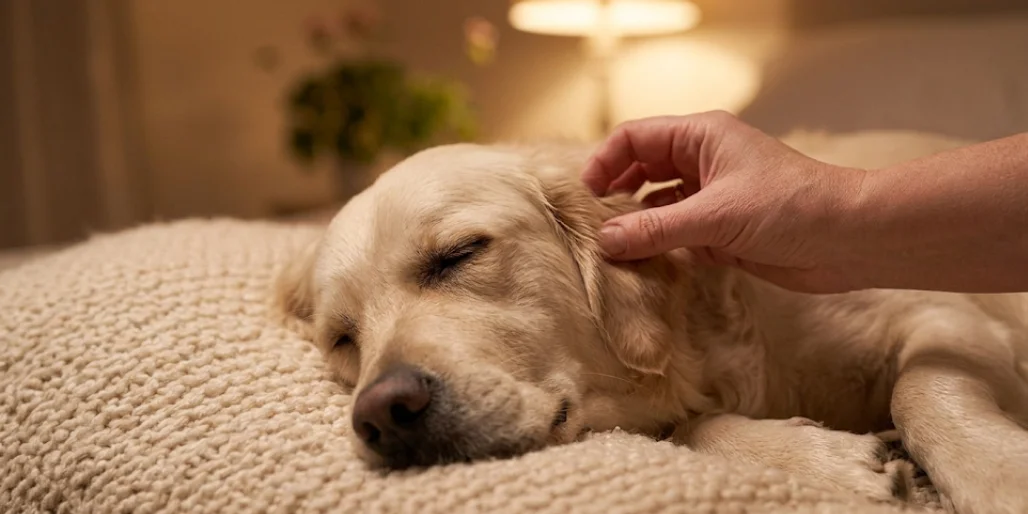
The fastest way to help an anxious dog settle is gentle, calming touch: a slow ear massage, low humming near their chest, or slow controlled breathing next to them. These techniques may help activate your dog’s natural calming response, though it’s worth knowing there isn’t strong scientific evidence yet that they specifically work through the vagus nerve. Think of them as a calming tool alongside training, not a replacement for it. Persistent anxiety or reactivity is worth discussing with your vet or a certified behaviorist.
Understanding the Vagus Nerve
What is the Vagus Nerve?
The vagus nerve is a remarkable cranial nerve, often called the “wandering nerve,” because it’s the longest one, extending from the brain stem and traveling throughout the body, touching many vital organs. It’s a key player in the parasympathetic nervous system, responsible for the “rest and digest” functions, essentially helping your dog to calm down and recover from stress, though veterinary reporting on vagus nerve techniques notes the science here is still unproven, so treat this as a supplement to training, not a substitute. Understanding this nerve is crucial for anyone looking to support calm in their canine companion.
The Role of the Vagus Nerve in Dogs
The vagus nerve in dogs helps regulate many automatic bodily functions, including heart rate, digestion, and the immune system. More importantly for dog training, it plays a critical role in emotional regulation and the stress response. When the vagus nerve is properly stimulated, it activates the parasympathetic system, promoting relaxation and reducing the impact of the sympathetic nervous system, which governs the “fight or flight” response. This understanding is foundational for any dog behavior guide.
How the Vagus Nerve Affects Dog Behavior
The vagus nerve’s role in a dog’s ability to calm down cannot be overstated. When a dog experiences chronic stress or anxiety, their vagus nerve might not be effectively supporting the parasympathetic nervous system, leading to heightened reactivity. A “vagus nerve reset” isn’t about literally resetting it, but rather about implementing a routine and techniques that stimulate the vagus nerve, helping an anxious dog feel safe and improve their resilience, ultimately making them a calmer companion.
Vagus Nerve Reset Techniques
Methods for Vagus Nerve Stimulation
To help dogs achieve a state of calm, various methods can effectively stimulate the vagus nerve, supporting the parasympathetic nervous system. Gentle ear massage, particularly around the ear base, is a simple yet powerful technique. Additionally, incorporating slow, controlled breathing exercises can significantly promote relaxation. Regular physical activity, such as walks, combined with mental enrichment, also plays a crucial role in stimulating the vagus nerve in dogs. Pawandbreeds offers resources that align with these techniques to foster a calmer dog.
Supporting the Vagus Nerve in Anxious Dogs
For an anxious dog, supporting the vagus nerve is paramount to improving their resilience and overall well-being. A consistent routine helps the dog feel safe and predictable, reducing chronic stress. Incorporating gut health strategies, through a balanced diet and appropriate supplements, also profoundly impacts the vagus nerve, as there’s a strong gut-brain connection. These combined efforts allow the dog’s vagus nerve to function optimally, promoting a “rest and digest” state.
Calm Dog Training Tips
Implementing calm dog training tips focuses on positive reinforcement and creating an environment where your dog can recover from stress. Techniques that encourage slow, deliberate movements and gentle interactions, rather than high-arousal activities, contribute to stimulating the vagus nerve. A good dog trainer will emphasize patience and consistency, helping your dog associate training with relaxation. These strategies are integral to a comprehensive dog behavior guide for a calmer companion.
Recognizing Reactive Behavior in Dogs
Identifying Signs of Anxiety
Identifying signs of anxiety in dogs is the first step towards addressing reactivity. These can include excessive panting, pacing, destructive behavior, lip licking, yawning, or a tucked tail. A dog struggling with anxiety often exhibits hypervigilance and an inability to settle, indicating an overactive sympathetic nervous system. Recognizing these cues early allows for timely intervention to stimulate the vagus nerve and promote a more relaxed state.
How the Sympathetic Nervous System Responds
When a dog experiences a perceived threat, their sympathetic nervous system kicks into action, initiating the “fight or flight” response. This results in increased heart rate, dilated pupils, and heightened muscle tension, all designed to prepare the dog for immediate action. This response is a natural survival mechanism, but when it’s frequently triggered in a reactive dog, it can lead to chronic stress and an overwhelmed dog’s nervous system, making it harder for the dog’s vagus nerve to initiate calm.
Calming Techniques for Reactive Dogs
To help reactive dogs, a primary goal is to shift their nervous system from sympathetic dominance back to the parasympathetic. Calming techniques include creating a predictable routine, utilizing counter-conditioning and desensitization in controlled environments, and incorporating slow-paced activities. These methods effectively stimulate the vagus nerve, promoting relaxation and helping the dog feel safe. Resetting your dog’s vagus nerve isn’t a one-time fix, but a continuous effort in managing reactivity.
Ways to Support Calm in Dogs
Dog Training Techniques for Calmness
To support calm in dogs, incorporating specific dog training techniques that focus on positive reinforcement and gentle handling is crucial. These methods help to stimulate the vagus nerve, encouraging the parasympathetic nervous system to take over and promote relaxation. Techniques such as teaching a “place” command or practicing slow-paced obedience can significantly reduce reactivity and help your dog recover from stress, making them feel safe and secure in various environments. A good dog trainer will emphasize these practices.
Creating a Calming Environment
Creating a calming environment is essential for supporting the vagus nerve in dogs and reducing their overall stress response. This involves providing a quiet, predictable routine and a comfortable space where your dog can retreat and feel safe. An atmosphere that encourages the parasympathetic system to engage can also be created by:
- Using calming pheromones
- Providing soft bedding
- Ensuring minimal sudden noises
These elements help your dog’s vagus nerve promote a “rest and digest” state.
Integrating Vagus Nerve Reset in Daily Routine
Integrating a vagus nerve reset into your dog’s daily routine doesn’t have to be complicated. Simple acts can provide vagus nerve stimulation, and these consistent, calming interactions help to build resilience in an anxious dog, allowing their vagus nerve to better regulate emotional responses. A regular routine of these small, supportive actions can significantly contribute to a calmer dog over time. These simple acts include:
- Gentle ear massage around the base of the ear
- Slow, deliberate petting
Conclusion: Benefits of Vagus Nerve Reset for Dog Owners
Long-term Effects on Dog Behavior
The long-term effects of consistently applying vagus nerve reset techniques can be profoundly beneficial for dog owners and their canine companions. By regularly stimulating the vagus nerve, dogs develop:
- Improved emotional regulation.
- A greater ability to recover from stress, leading to a significant reduction in reactivity.
This sustained focus on supporting the vagus nerve in dogs ultimately fosters a calmer, more resilient pet, enhancing the bond and quality of life for both dog and owner.
How PawandBreeds Can Help
PawandBreeds is dedicated to helping dog owners navigate the complexities of dog behavior and achieve a “vagus nerve reset” for their pets. Our resources offer practical advice and tools that align with scientific principles, guiding you through effective methods of vagus nerve stimulation. We aim to equip you with the knowledge and techniques necessary to support calm in your dog, fostering a stronger connection and a more peaceful home environment by focusing on their overall well-being and resilience.
Linking to Dog Behavior Guide
For more in-depth information and comprehensive strategies on managing canine conduct, we encourage you to visit our extensive dog behavior guide. This guide provides a wealth of knowledge on understanding and addressing various behavioral challenges, complementing the principles of vagus nerve reset. By integrating these resources, you can further enhance your dog training efforts, promoting a calmer and happier life for your beloved pet by helping their vagus nerve to better regulate their stress response.
FAQ’s
Q: What exactly is a “vagus nerve reset” for dogs?
A: So basically, a vagus nerve reset is a set of simple techniques you use to help your dog’s body switch out of “panic mode” and into a relaxed state. The dog vagus nerve is a key part of the autonomic nervous system, and it acts like a communication highway between the brain and the body. When your pup is stressed, gently stimulating this nerve can help your dog feel calmer pretty quickly. Think of it as a natural chill pill, minus the pill part.
Q: How does the parasympathetic nervous system fit into all this?
A: Great question! The parasympathetic nervous system is basically the “rest and digest” mode of your dog’s body, and the vagus nerve is its main messenger. When this system kicks in, your dog’s heart rate slows down, breathing evens out, and the digestive system starts working normally again. Stress and excitement or stress in general tend to shut this stuff down, so activating the parasympathetic side is what nerve training is all about.
Q: My dog is super reactive, can this actually help with reactivity or anxiety?
A: Yes, honestly this is where vagus nerve work shines the most. A lot of reactivity or anxiety issues come down to a dog’s nervous system getting stuck in high alert. Since the vagus nerve helps regulate that fight-or-flight response, working on it consistently can genuinely reduce stress over time. It’s not a magic overnight fix, but dog owners with reactive pups often notice their dog handles triggers way better after weeks of practice.
Q: What are some simple nerve training exercises I can try at home?
A: There’s a bunch you can experiment with! Deep pressure therapy (like a weighted blanket or gentle hug), slow rhythmic breathing exercises near your dog, humming or low sounds can help since they vibrate near the chest and throat area connected to the vagus nerve, and even chewing or licking activities. All of these are gentle ways to support their nervous system without needing any fancy equipment.
Q: Can this help my dog in a panic during storms or fireworks?
A: Definitely, this is one of the most common uses actually. When you’ve got a dog in a panic from loud noises, their sympathetic nervous system is basically flooding them with stress hormones. Techniques like calm massage along the ear and neck area, or slow exhale-focused breathing next to them, can help trigger that calming response fast. It won’t erase the fear completely, but it takes the edge off.
Q: Is vagus nerve stimulation a real treatment for anxiety in dogs, or is it just a trend?
A: It’s actually backed by real science, not just internet hype. In human medicine, vagus nerve stimulation is an established treatment for anxiety and even epilepsy, and vets have started applying similar concepts to dogs. Since the vagus nerve plays such a huge role in regulating mood and stress hormones, it makes sense that calming techniques targeting this nerve would help dogs too. That said, it should complement other training, not replace it completely.
Q: Does this stuff actually work for separation anxiety?
A: It can help quite a bit, yeah. Separation anxiety is often rooted in the nervous system overreacting to being alone, so anything that helps dogs regulate stress before you leave the house can make departures less dramatic. Things like a calming pre-departure routine, gentle chest compressions, or playing soft ambient sounds can help your dog feel calmer and more secure even when you’re not physically there.
Q: My dog is kind of aggressive when stressed, will vagus nerve reset techniques calm an aggressive dog down?
A: It can definitely help take the intensity down a notch. An aggressive dog is often reacting from a place of fear or overwhelm, and since the vagus nerve connects directly to that stress response system, working on nerve regulation can lower overall reactivity. Obviously, aggression needs proper professional guidance too, but pairing vagus nerve techniques with behavior training tends to give better results than training alone.
Q: How long before I see results from consistent nerve training?
A: It varies dog to dog honestly. Some pups show small signs of relaxation within a single session, like softer eyes or a loose body posture. But for lasting changes in how a dog handles excitement or stress long term, you’re usually looking at several weeks of consistent daily practice. The nerve is a key regulator, but it still needs repetition to “learn” the calmer pathway as the new normal.
Q: Are there any tools or sounds specifically designed to support nervous system regulation in dogs?
A: Yep, there’s actually a growing market for this. Low frequency calming sounds can help activate the parasympathetic nervous system, and there are apps and playlists made specifically for anxious dogs. Some pet brands also make vibration collars or pressure vests designed to stimulate calming touch points connected to the vagus nerve. None of these replace training, but they’re solid extra tools to support nervous system balance.