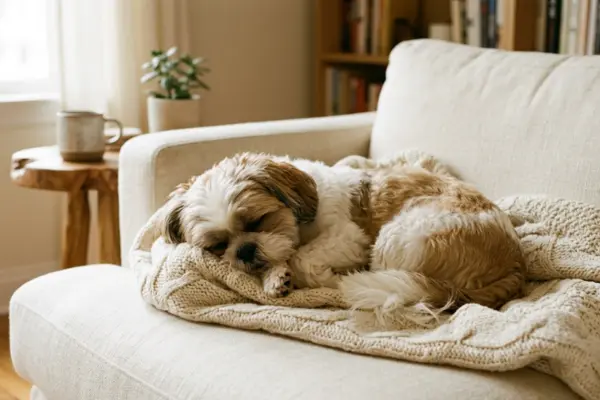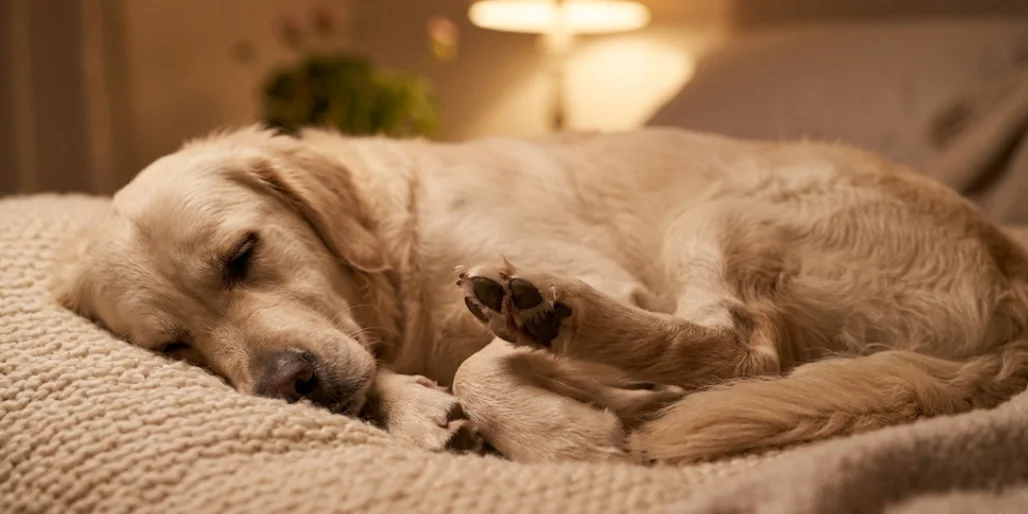
Growling in sleep is almost always harmless, it means your dog is dreaming, most likely reliving a chase, a play session, or a minor tussle with another dog. This happens during REM sleep, when the brain replays the day’s events and the body twitches or vocalizes involuntarily. It only becomes a concern if your dog wakes up growling aggressively or the sounds escalate into real distress, we cover that distinction below.
Understanding Dog Growls in Sleep
What Does It Mean When a Dog Growls in Their Sleep?
When a dog growls in their sleep, it usually signifies that they are deeply engrossed in a dream. Just like humans, dogs experience various sleep stages, including REM sleep, where dreams are most vivid. During this period, your sleeping dog might relive experiences from their day, such as playing, chasing squirrels, or even interacting with other dogs. The growls, barks, whines, or yips you hear are often involuntary reactions to these dream scenarios, making them perfectly natural for a dreaming dog. AKC’s explainer on sleep twitching covers how to tell a normal dream from a seizure.”
Common Causes of Growling in Sleeping Dogs
The most common cause of a dog that growls in their sleep is simply dreaming. Your pup could be dreaming of chasing a rabbit, playing with their favorite toy, or even having a minor “disagreement” with another dream dog. These growls are often accompanied by twitching paws, restless movements, or rapid eye movements under closed lids. It’s their brain processing and consolidating memories, and their body reacting to the dream’s content. It’s usually nothing to worry about and a sign of healthy, relaxing sleep.
Differences Between Growling and Other Noises
It’s important for dog owners to distinguish between a harmless dream growl and other noises. While a sleeping dog might also whine, bark, or yip, a growl during sleep typically sounds softer and less aggressive than an awake growl. If your dog growls in their sleep and it sounds truly menacing, or if they suddenly start growling upon being woken up, it could indicate sleep aggression or a startle reflex. However, most of the sounds your dog makes while dreaming are simply reflexive responses to their subconscious adventures.
The Science of Dog Sleep
Stages of Dog Sleep and Their Importance
Just like humans, dogs experience various stages of sleep, which are crucial for their overall well-being and a major part of understanding their sleep behavior. These stages include periods of light sleep, deep sleep (also known as slow-wave sleep), and REM sleep—rapid eye movement sleep—where most vivid dreams occur. It’s during REM sleep that you’re most likely to observe your dog twitching, whimpering, or even letting out a soft growl in their sleep. This entire cycle is vital for their physical restoration, mental processing, and memory consolidation, making a good night’s sleep just as important for a pup as it is for us.
What Dogs Dream About: Insights into Dog Behavior
While we cannot directly ask our furry friends what they dream about, observing a sleeping dog gives us some fascinating insights into their internal world. It’s widely believed that dogs dream about their daily activities and experiences. A dog growling in their sleep might be dreaming of chasing a squirrel in the park, playing fetch, or even having a playful interaction with another dog. These dreams are often a way for their brain to process the day’s events, consolidate memories, and even practice instincts like chasing or guarding. It’s a completely normal part of their behavior and generally nothing for dog owners to worry about.
How Sleep Affects a Dog’s Behavior
The quality and quantity of a dog’s sleep significantly impact their awake behavior. A well-rested dog is typically more cheerful, trainable, and less prone to anxiety or irritability. Conversely, a lack of adequate sleep can lead to various behavioral issues, including increased aggression, hyperactivity, or a general disinterest in their usual activities. If you notice your dog’s growling in their sleep is excessive, or if they seem unusually tired or irritable during the day, it might be worth investigating their sleep environment or consulting a vet. A cozy, comfortable dog bed from brands like Pawandbreeds can make a huge difference, ensuring your pup gets the restorative sleep they need. For more information on canine behavior, check out our comprehensive dog behavior guide.
When to Consult a Professional Dog Trainer
Identifying When Growling is a Concern
While a dog growling in their sleep is often a normal part of their dream cycle, there are instances where it might be a cause for concern, prompting you to consult a professional dog trainer. If your dog suddenly starts growling aggressively when woken up, or if their sleep growls escalate into fearful or defensive reactions even after they are fully awake, it could signal underlying issues. Persistent, intense growls that seem more like genuine aggression rather than a dream-induced noise, especially if accompanied by other concerning behaviors during their awake hours, warrant a closer look.
How a Dog Trainer Can Help
A professional dog trainer or a certified animal behaviorist can be invaluable if you’re concerned about your dog’s growling behavior. They can help distinguish between normal dream growls and potential sleep aggression or other behavioral problems. Through careful observation of your dog’s sleep behavior and awake interactions, a trainer can identify triggers and develop a tailored training plan. They might also offer advice on creating a better sleep environment and suggest techniques to help your dog relax more deeply, thereby reducing any stress-related growls.
Training Techniques for Managing Sleep Growls
If a trainer identifies that your dog’s growls are indeed a concern, they will likely recommend specific training techniques. These often focus on positive reinforcement to build your dog’s confidence and reduce anxiety. For instance, creating a consistent bedtime routine, ensuring a cozy and secure dog bed, and minimizing startling noises can help. A trainer might also guide you on how to gently wake your dog without triggering a startle response, teaching them to associate being woken up with positive experiences rather than fear or aggression, preventing any potential escalation of the sleep growls.
Breeds and Their Unique Sleep Behaviors
How Different Breeds May Growl in Their Sleep
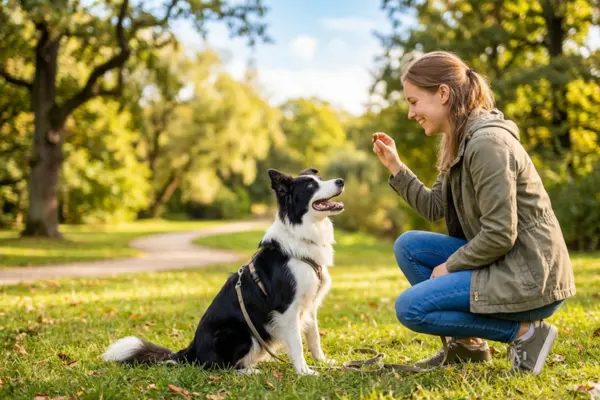
The tendency for a dog to growl in their sleep can sometimes be influenced by their breed, as different breeds possess varying instinctual behaviors and energy levels. Breeds historically bred for guarding or hunting, for example, might be more prone to expressing these instincts through growls or barks during their dreams. A Border Collie might dream of herding, leading to soft whines, while a German Shepherd might exhibit more pronounced growls as they relive protective scenarios. Observing your dog’s specific breed characteristics can offer clues to their unique sleep sounds.
Understanding Your Puppy’s Sleep Sounds
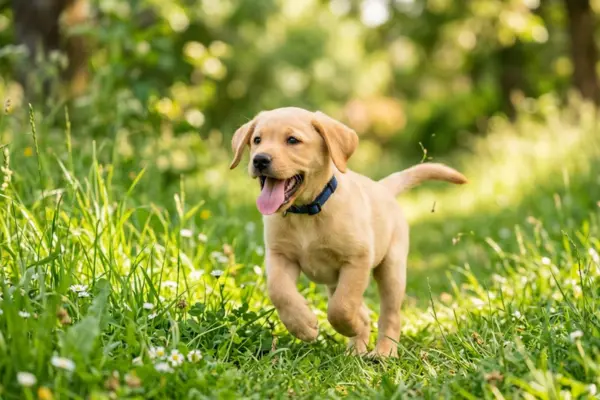
A puppy’s sleep sounds, including growls, yips, and whines, are often even more pronounced than those of an adult dog. This is because puppies are constantly learning and processing a vast amount of new information and experiences every day. Their REM sleep cycles are typically longer, leading to more vivid dreams as their brain works overtime to consolidate memories and develop new skills. So, hearing your puppy growl in their sleep is usually a perfectly normal part of their development and a sign of healthy brain activity.
Creating a Peaceful Sleep Environment for Your Dog
Ensuring a peaceful sleep environment is crucial for any dog, regardless of whether they growl in their sleep. A comfortable, quiet, and secure space helps your dog relax fully and achieve restorative sleep. This might involve placing their dog bed in a low-traffic area of the house, away from loud noises or bright lights. A cozy dog bed provides both physical comfort and a sense of safety, which is essential for deep sleep. Minimizing disruptions and maintaining a consistent bedtime routine also contribute significantly to your dog’s comfort and overall well-being.
FAQ’s
Q: Why does my dog bark or growl in their sleep?
A: Dogs can bark or growl in sleep because they’re dreaming — just like us. During REM sleep their brains replay daytime events, so a chase or play session can turn into a little growl or bark. It’s normal unless it gets loud, persistent, or wakes them up a lot.
Q: Should I wake my dog when they whine or growl in their sleep?
A: Generally no — waking them can startle them and make them confused or reactive. Let them finish the nap; if they’re upset when they wake, comfort them calmly so they feel safer without making the behavior rewarding.
Q: My dog howls and whines loudly while sleeping — is that a problem?
A: Loud howling or whining can be normal dreaming, but if it’s new, frequent, or happens with other signs like limping or breathing trouble, check with a vet. You can try making the sleeping spot quieter and more comforting so they sleep more peacefully.
Q: Can I train my dog to stop growling in their sleep?
A: You can’t really train dreaming, but you can improve overall sleep habits. Give them a calm bedtime routine, a comfy bed, and avoid overstimulating play right before a nap. Rewarding good behavior when they settle quietly helps them learn to sleep more peacefully.
Q: Why does my dog sometimes bark in their sleep after a nap?
A: After a nap they might be in a light sleep phase that easily jumps into dreaming. A short, intense nap can trigger active dreaming where they bark, move paws, or whine. Make the nap environment calm and quieter to reduce disruptions.
Q: Could growling in sleep mean my dog is in pain or stressed?
A: Yes — if growling or whimpering in sleep is new and comes with restlessness, limping, or changes in appetite, it could signal pain or stress. If it persists, see your vet so they can rule out medical issues and help your dog feel safer.
Q: How can I make my dog sleep more peacefully and growl less at night?
A: Create a soothing bedtime routine: exercise earlier in the day, use a comfy bed, keep the room quieter, and offer a favorite toy or treat before bed. Calming scents or white noise can help them settle and dream less actively.
Q: My older dog’s sleep growling has gotten worse — is that normal with age?
A: Aging can change sleep patterns and dream intensity, and conditions like cognitive decline can increase vocalizations. Talk to your vet — sometimes simple changes and support can help them nap and sleep more peacefully and reduce nighttime noise.