It’s a question every dog owner has pondered: Do our furry companions truly understand and reciprocate our affection? The answer is a resounding yes! Dogs are incredibly perceptive creatures, and they certainly know when they are loved. They express their affection in a myriad of heartwarming ways, often through subtle cues and behaviors that deepen the bond we share. This guide will help you decipher their unique love language.
Understanding Dog Affection
Dogs are capable of experiencing a wide range of emotions, including profound affection for their human companions. While they may not articulate “I love you” in words, their actions speak volumes. Understanding these expressions of love can strengthen your relationship and help you respond to your pup’s needs more effectively. It’s all about recognizing their distinct ways to tell you how they feel.
How Dogs Know We Love Them
Dogs understand our love through our consistent actions, tone of voice, and body language. When you pet your dog, offer treats, or engage in playtime, your pup perceives these as acts of affection. They pick up on the warmth in your voice and the gentle nature of your touch. Regular eye contact also plays a significant role in conveying how much we love them, making them feel secure and cherished.
Signs Your Dog Loves You
One of the most obvious signs your dog loves you is a wagging tail, often accompanied by a happy, relaxed body. Licking, often called “dog kisses,” is another clear expression of love and a way your dog tries to groom and comfort you. When your dog cuddles up close or leans into you, they are seeking physical contact and showing contentment. These are just a few ways your dog communicates with us.
Studies Show Canine Emotions
Numerous studies show that dogs experience emotions remarkably similar to humans. Research has even found that interactions between dogs and their humans release oxytocin, often called the “love hormone,” in both species. This hormone deepens the emotional bond and connection. This scientific evidence further confirms that dogs don’t just tolerate us; they genuinely feel the love. For more insights into dog behavior, check out our comprehensive dog behavior guide.
Ways to Tell if Your Dog Loves You
Body Language and Behavior
Your dog’s body language is a huge indicator of how they feel. A relaxed posture, a soft gaze, and a gentle tail wag are all signs your dog loves you deeply. When your pup leans into you or seeks physical contact, it’s a clear expression of love and trust. They feel safe and comfortable around you, which is why they communicate contentment through these subtle yet profound gestures. It’s their unique love language.
Vocalizations: The Bark of Love
While dogs may not say “I love you” with words, their vocalizations can certainly convey affection. A happy whine or a soft sigh when they’re resting near you can be a sign of love. Even certain barks, distinct from alert or anxious barks, can communicate their joy at your presence. They are trying to show how much they appreciate you, making various sounds that we love to hear.
Physical Affection: Cuddles and Kisses
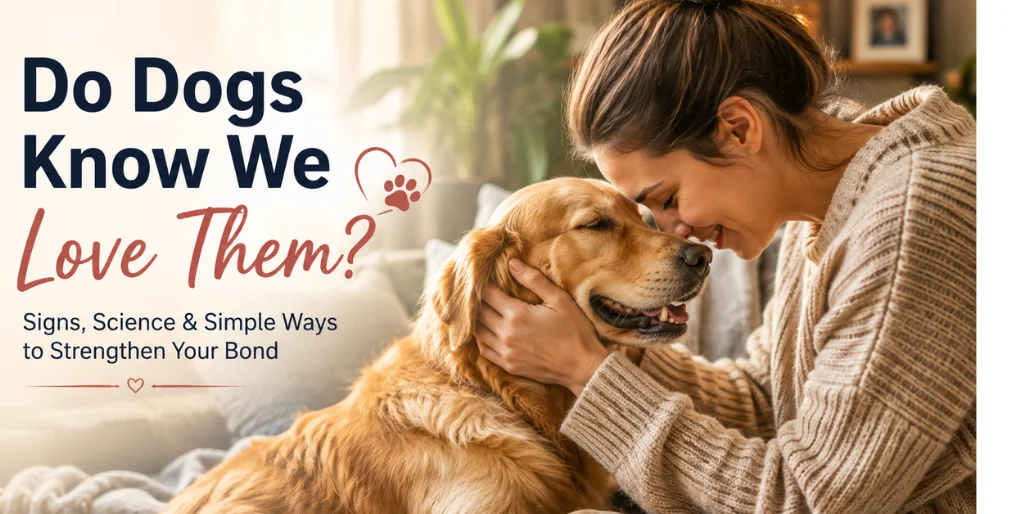
One of the most heartwarming ways your dog shows they love you is through physical affection. When your pup nudges their head into your hand for pets, or when they lick your face enthusiastically, these are often referred to as “dog kisses” and are a clear expression of love. These cuddles and shared moments strengthen the bond and deepen the connection, letting you know your dog really feels the love. Pawandbreeds offers amazing treats to show your dog love.
Helping Your Dog Feel Loved
Creating a Safe Environment
To ensure your dog feels truly loved, providing a safe and secure environment is paramount. A predictable routine, a comfortable bed, and a designated safe space where your pup can retreat will contribute to their sense of security. Dogs thrive on consistency, and knowing they have a dependable home base helps them feel cherished and loved, solidifying the idea that dogs know we love them.
Quality Time and Play
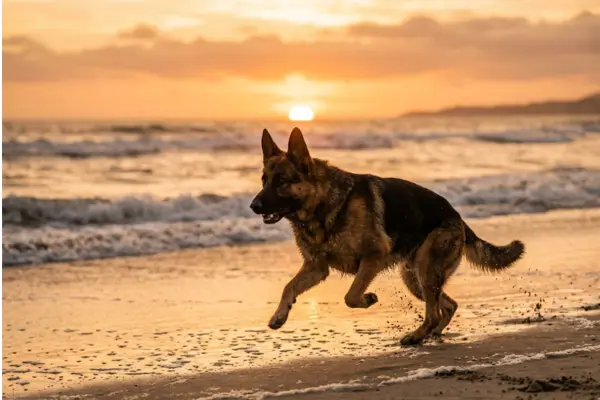
Spending quality time with your dog is one of the most direct ways to show how much you care. Engaging in interactive play, like fetch or tug-of-war, not only provides physical exercise but also strengthens your bond. These shared moments of joy and attention are clear expressions of love, making your dog feel truly special and loved, fostering a deeper connection.
Positive Reinforcement Techniques
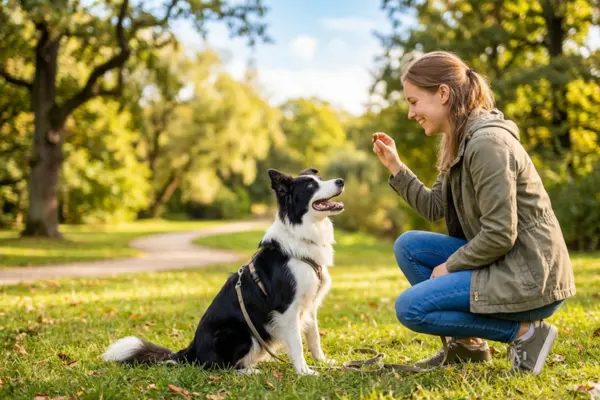
Utilizing positive reinforcement is key to helping your dog feel loved and understood. Rewarding good behavior with treats, praise, and petting reinforces desirable actions and builds trust. This approach ensures your dog associates positive experiences with your presence, making them feel secure and loved, deepening the understanding that dogs know we love them through consistent positive interactions.
Puppy Love: Bonding with Your Pet
Building Trust with Your Pup
Building trust with your pup is fundamental to fostering a strong and lasting bond. Gentle handling, consistent training, and patient interactions are crucial. Avoid harsh punishments, as these can erode trust and make your pup fearful. Instead, focus on creating positive associations, ensuring your dog feels safe and respected, which is how pups truly begin to experience love.
Signs of Puppy Love
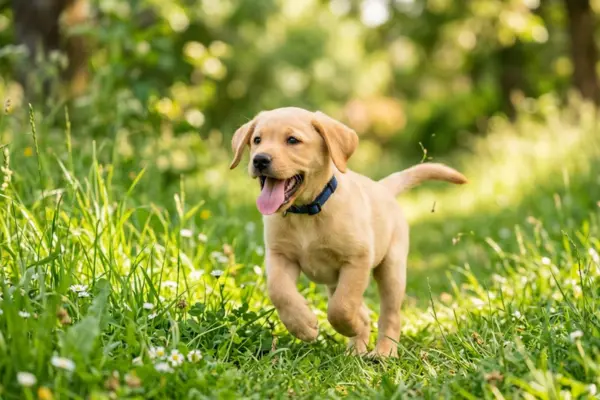
Puppies often show their love through enthusiastic greetings, soft nudges, and playful nips. When your pup seeks physical closeness, like snuggling on your lap or following you around the house, these are clear signs of their growing affection. These behaviors indicate that your pup feels secure and connected, confirming that your dog really feels love and contentment.
Long-Term Affection Strategies
Maintaining long-term affection with your dog involves consistent love and care throughout their life. Continue to provide mental stimulation, regular exercise, and lots of cuddles. As your dog ages, their needs may change, but the core of your relationship – mutual respect and love – should remain constant. This enduring commitment solidifies that dogs understand love on a profound level.
FAQ’s
Q: Do dogs understand when you say “I love you”?
A: Okay so dogs probably don’t understand the specific words themselves, but here’s the cool part – they totally pick up on the emotion behind the words. When you say “I love you” in that soft, gooey voice, your dog you love is reading your tone, your facial expressions, and your body language way more than the actual vocabulary. Studies show dog brains release oxytocin (the same bonding hormone humans get) when they hear affectionate speech from their favorite human. So no, they’re not fluent in English, but they absolutely get the vibe.
Q: How do dogs understand human emotions so well?
A: Dogs have evolved alongside us for like 15,000+ years, so they’ve basically become emotion-reading experts. They pick up on soft eye contact, changes in our voice, our posture, even our scent when we’re stressed or happy. It’s honestly kind of wild how in tune they are. This is part of why the bond you share with your dog feels so deep – they’re constantly reading you, way more than most humans even bother to.
Q: What are the most common ways dogs show they love you?
A: There are tons of ways dogs show affection, but some of the classics include leaning their full-body weight against you, wagging their tail in that wide happy sweep, following you from room to room, and bringing you their favorite toy like it’s a prized possession they’re sharing. Some dogs also curl up right next to you or on your lap as a sign of trust. Each dog’s got their own love language honestly, kind of like people do.
Q: Is a belly rub request actually a sign of affection?
A: Yes and no – it’s a bit more nuanced. When a dog rolls over for a belly rub, it’s often a sign of trust because they’re exposing their most vulnerable spot to you. It’s not always specifically “I love you” energy, but it definitely means they feel safe and comfortable with you, which honestly goes beyond just affection into total contentment in dogs territory.
Q: Can dogs sense when you’re sad or stressed?
A: Absolutely, dogs also sense our emotional state through changes in our voice, breathing, posture, and even our smell (yep, stress has a scent). This is why your dog might suddenly get extra cuddly or rest their head on your lap when you’re having a rough day. It’s one of the clearest signs that the emotional connection between dogs and their humans goes way beyond simple obedience or routine.
Q: Why does my dog make eye contact with me so much?
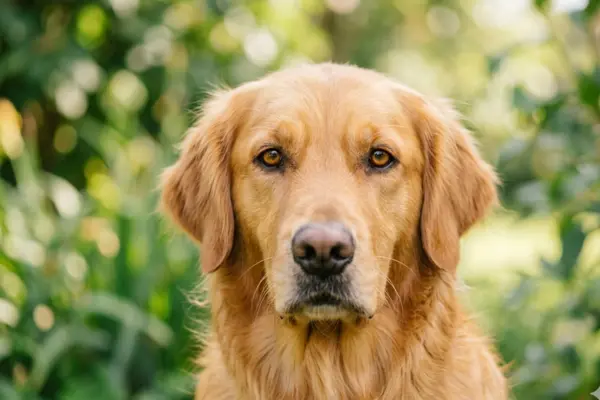
A: Soft eye contact is actually one of the sweetest and most sure signs of a dog’s affection. Unlike aggressive staring, soft loving eye contact triggers oxytocin release in both the dog and the human – it’s basically a mutual love hormone loop. If your dog gazes at you softly across the room, that’s them saying “i love you” in their own quiet way.
Q: What role do favorite games and playtime have in a dog’s affection?
A: Playing is huge for pet owners trying to understand their dog you love dynamic. When a dog initiates their favorite games with you specifically, like tug-of-war or fetch, it’s a genuine invitation to bond. Play is one of the ways dogs show love because it requires trust, energy, and a desire to be near you. It also helps nurture the relationship over time, making your connection even stronger.
Q: Do all dogs show love the same way humans do?
A: Not exactly. Dogs don’t experience or express love the way humans do – they don’t write poems or plan anniversaries lol – but their instinctual behaviors like tail wagging, snuggling, and following you around are their version of romance. Understanding this difference actually helps pet owners see love in their dog’s everyday actions instead of expecting human-style declarations.
Q: How can I deepen your bond with my dog even more?
A: Consistency is key honestly. Regular walks, playtime, gentle physical affection, and just spending quality time together are proven ways to deepen your bond with your pup. Positive reinforcement training also helps because it builds trust and communication. The more you invest, the more your dog will show affection back in all those adorable little ways we’ve talked about.