Ever wondered why your furry friend spends a good chunk of their day snoozing? You’re not alone! It’s a common observation for many dog owners. Understanding your dog’s sleep patterns is key to ensuring they’re healthy and happy. Let’s dive into the fascinating world of dog sleep and uncover why our canine companions seem to be professional nappers.
Overview of Dog Sleep
Why Dogs Sleep So Much
Dogs sleep so much because it’s a fundamental part of their biological makeup, allowing them to conserve energy and process information from their waking hours. Unlike humans, who typically have one long sleep cycle, dogs tend to have polyphasic sleep patterns, meaning they nap frequently throughout the day. This isn’t just about lazing around; it’s essential for their physical and mental well-being, and a well-rested dog is a happy dog, benefiting from quality sleep. For more insights into canine well-being, check out our comprehensive dog behavior guide.
The Importance of Sleep for Dogs
Just like humans, sleep is incredibly important for dogs. It’s during restful sleep that their bodies repair and grow, their immune systems strengthen, and their brains process and consolidate memories from the day. Getting enough sleep helps your dog rest, improves their mood, and is crucial for their overall health. If your dog isn’t getting enough quality sleep, it can impact their energy levels and behavior, leading to a less vibrant pup.
Average Amount of Sleep Dogs Need
The amount of sleep a dog needs can vary, but generally, an adult dog typically requires about 12 to 14 hours of sleep each day. However, this isn’t usually in one long stretch. Puppies and senior dogs, or older dogs, often need more sleep, sometimes up to 18 to 20 hours per day. Working dogs or very active breeds might also require more sleep to recover. The key is ensuring your dog gets enough quality sleep to stay healthy and happy.
Understanding Dog Sleep Patterns
Different Sleep Stages in Dogs
Just like humans, dogs experience different sleep stages. These cycles are crucial for their mental and physical restoration, ensuring they get enough sleep to process their daily experiences and stay healthy. Some of the key stages include:
- Deep sleep, during which they are completely relaxed.
- REM (Rapid Eye Movement) sleep, when you might see them twitching their paws or whimpering as they dream.
When your dog is in a light doze, they might be easily startled.
Factors Affecting Dog Sleep Patterns
Several factors can influence your dog’s sleep patterns and how much sleep they get. Age is a big one; puppies and senior dogs, or older dogs, often need more sleep than adult dogs. Their activity level also plays a role; working dogs or very active breeds will naturally require more sleep to recover. Environmental factors, like a comfortable pawandbreeds dog bed and a quiet space, can significantly impact the quality of their sleep and help them get enough rest.
| Dog Age Group | Typical Sleep Needs (Hours/Day) |
| Puppies and Senior Dogs | Up to 18-20 |
| Adult Dogs | 12 to 14 |
Typical Dog Sleep Habits
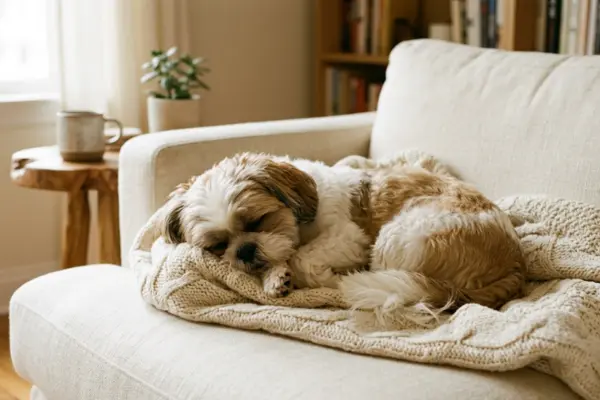
Dogs tend to have polyphasic sleep patterns, meaning they nap frequently throughout the day rather than having one long stretch of sleep like humans. This means you might observe your dog sleeping a lot, taking many short naps, and also having longer periods of restful sleep, especially at night. Understanding these typical dog sleep habits is key to recognizing what’s normal for your pet. If you notice a significant change in how much sleep your dog needs or their overall sleep behavior, it might be worth investigating, as it could indicate a need for more or less sleep or even an underlying issue.
Assessing Your Dog’s Sleep Quality
Signs Your Dog is Getting Enough Sleep
If your furry friend wakes up seemingly refreshed, has good energy levels throughout the day, and maintains a healthy appetite, these are strong indicators they are getting enough sleep. A dog that gets enough rest will typically be playful, responsive, and enjoy their daily activities. Observing consistent, restful sleep patterns and a calm demeanor also suggests your dog is achieving the quality sleep they need to thrive. Ensuring they have a comfortable dog bed also contributes to their overall sleep quality.
Identifying Sleep Disorders in Dogs
Identifying sleep disorders in dogs is crucial for their well-being. There are several signs to look out for, including:
- Excessive snoring, restlessness, difficulty falling asleep, or waking up frequently during the night
- Sudden changes in their sleep patterns, such as sleeping too much or not enough
- Seeming disoriented after waking
- An adult dog suddenly needing more sleep
- A senior dog experiencing significantly disrupted sleep cycles
All these are red flags for potential sleep problems that require attention. For more information, check out our dog behavior guide.
Improving Your Dog’s Sleep Environment
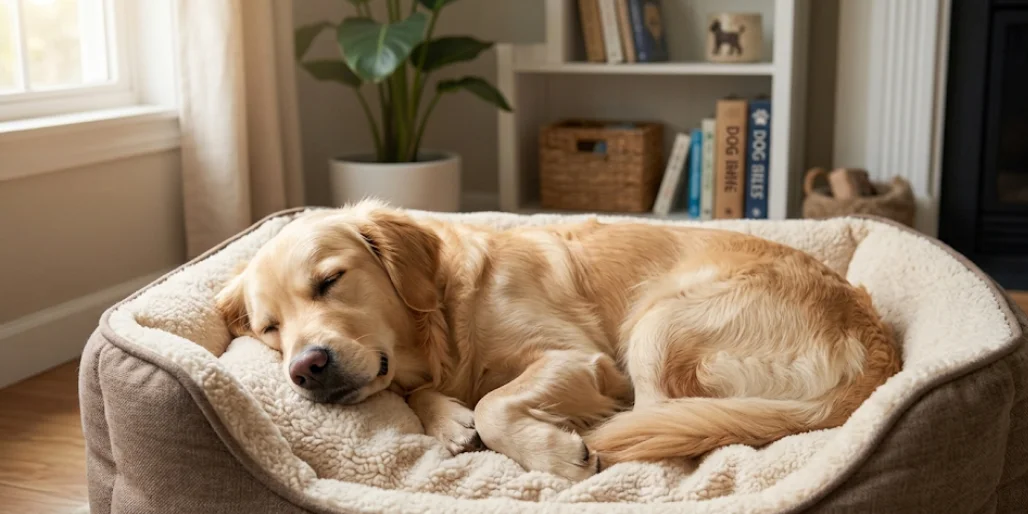
To help your dog get better sleep, focus on creating an ideal sleep environment. Ensure their dog bed is comfortable and appropriately sized, offering good support, especially for older dogs or those with joint issues. Place their sleeping area in a quiet, dark, and consistent temperature spot, free from disturbances. Establishing a consistent daily routine, including regular exercise and a set bedtime, can also significantly improve their sleep patterns and help them achieve the restful sleep they need. A peaceful environment encourages them to get enough sleep each day.
When to Worry About Your Dog’s Sleep
Recognizing Sleeping Too Much
While dogs sleep a lot, if your adult dog suddenly starts sleeping too much, significantly exceeding the typical 12 to 14 hours per day, it could be a cause for concern. Similarly, if your senior dog or puppy is sleeping for an excessive amount, perhaps more than 20 hours per day, and seems lethargic even when awake, it’s worth noting. Persistent sleeping too much can indicate underlying health issues, pain, or even a sleep behavior disorder. Keeping an eye on these changes in sleep patterns is essential for your dog’s health.
Consulting a Veterinarian
If you’re noticing significant changes in your dog’s sleep habits, such as them suddenly sleeping too much or having difficulty getting enough sleep, it’s always best to consult a veterinarian. They can help rule out any underlying medical conditions that might be affecting your dog’s sleep. Your vet can assess whether your dog needs more sleep due to illness, or if a sleep disorder is at play, providing tailored advice to ensure your furry friend gets the healthy, restful sleep they require to maintain their well-being.
Understanding Changes in Sleep Behavior
Understanding changes in your dog’s sleep behavior is key to their health. If your adult dog, senior dog, or even a puppy, starts needing more sleep than usual, or if their sleep patterns become erratic, pay close attention. A sudden increase in the amount of sleep per day, difficulty achieving quality sleep, or signs of discomfort during sleep can all point to health issues. Recognizing these shifts in how much sleep your dog needs and seeking professional advice can ensure your dog gets the appropriate care and continues to enjoy sufficient, restful sleep.
FAQ’s
Q: Why do dogs sleep so much and is that normal for much sleep?
A: Dogs may sleep a lot because of their biology — they’re crepuscular (most active at dawn and dusk) and conserve energy between bursts of activity. Healthy adult dogs often sleep around 12 to 14 hours, while puppies and senior dogs tend to sleep even more. Every dog is unique, so “much sleep” can vary by age, breed, activity level, and health.
Q: How many hours of sleep a day should a healthy adult dog get to get the sleep they need?
A: Most healthy adult dogs need around 12 to 14 hours of sleep per day, including naps. Some large breeds or less-active dogs may approach 14 to 18 hours, and puppies or recovering dogs can sleep even longer. If your dog is consistently sleeping less or more than typical ranges, it’s worth checking in with your vet.
Q: What does quality sleep look like for a dog and how can I help my dog to sleep better?
A: Getting quality sleep for a dog includes uninterrupted long stretches, comfortable bedding, and a calm environment. Create a routine, limit late-night excitement, and ensure they get enough exercise and mental enrichment during the day. These steps help them get the rest they need and improve sleep overall. If your dog has poor sleep or frequent awakenings, consult your vet.
Q: How much sleep each day do puppies need compared with adults and why do they sleep longer?
A: Puppies can sleep 18 to 20 hours a day because sleep supports rapid growth and brain development, including REM sleep cycles. Adults need fewer hours — typically around 12 to 14 — while senior dogs tend to sleep more again as energy levels drop and health issues increase.
Q: Could my dog be sleeping too much and what signs your dog isn’t sleeping well should I watch for?
A: A dog may be sleeping too much if there’s a sudden increase in hours of sleep a day, lethargy when awake, changes in appetite, or difficulty waking. Signs your dog isn’t sleeping include restlessness, frequent waking, pacing, or behavioral changes. These could indicate medical issues or anxiety, so see your vet if you’re worried.
Q: Do dogs dream and do they sleep in REM like humans during deep sleep?
A: Yes, dogs can sleep in REM and show twitching, paddling, and vocalizations during that stage — signs they’re dreaming. REM sleep is important for memory and brain function in dogs, just like in people, so adequate uninterrupted sleep helps them process experiences.
Q: How can I improve sleep for an older dog since senior dogs tend to nap more and may have trouble sleeping?
A: To improve sleep for senior dogs, keep a consistent routine, provide orthopedic bedding, limit nighttime bathroom trips with a proper schedule, and address pain or mobility issues with your vet. Gentle daytime exercise can help them sleep longer and more soundly at night.
Q: Why do dogs tend to sleep during the day and get most of their rest in short naps or long stretches?
A: Dogs tend to sleep during the day because they evolved to rest between activity bursts and to be adaptable to their family’s schedule. Some dogs nap in short chunks while others take longer stretches; both are normal. Activity level, environment, and age influence hours during the day they sleep.
Q: If my dog doesn’t seem to sleep enough, how can I help them sleep longer and meet their sleep requirements?
A: Increase daytime physical and mental exercise, set a quiet bedtime routine, create a cozy sleep spot, and reduce late-day excitement. Address medical causes like pain or anxiety with your vet. With the right changes, most dogs will sleep longer and get the sleep they need.