If you’re wondering if an Afghan Hound is the right dog breed for you, this comprehensive breed guide will help you understand their unique characteristics, from their dignified temperament to their glamorous silky coat. We’ll delve into their history, physical traits, and the specific care requirements that make them such a special companion.
Understanding the Afghan Hound
History of the Afghan Hound
The Afghan Hound is an incredibly old dog breed, believed to be one of the oldest dog breeds, with roots tracing back thousands of years to the mountains of Afghanistan. These magnificent sighthounds were originally bred to hunt large prey like gazelle and snow leopards, a testament to their incredible speed and keen eyesight. Their regal appearance and independent nature have charmed people for centuries.
Physical Characteristics
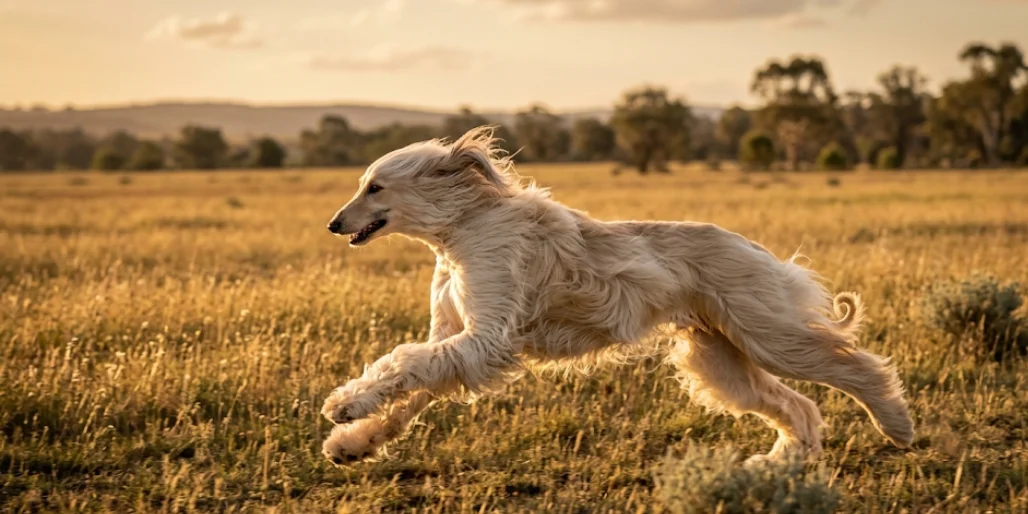
The Afghan Hound is a large dog, known for its striking physical characteristics. They possess a lean, athletic build with prominent hip bones and a unique facial structure. Their most distinguishing feature, of course, is their long, silky coat, which requires significant care. This breed standard is truly one of a kind among dog breeds, making them quite the show dog.
Temperament and Behavior
The temperament of an Afghan Hound is often described as dignified and somewhat aloof. While they can be affectionate with their families, they are typically aloof with strangers. These sighthounds possess a strong prey drive, making a securely fenced area essential for their safety. Early socialization for an Afghan Hound puppy is crucial to help them adapt well to various situations and interactions.
Grooming the Afghan Hound
Coat Care and Maintenance
Caring for your Afghan Hound’s luxurious silky coat is a significant commitment. This glamorous coat is prone to matting and requires daily attention. Regular brushing is absolutely essential to prevent tangles and keep their coat in pristine condition, reflecting the true beauty of this unique dog breed. Without consistent care, their coat can quickly become unmanageable.
Grooming Tools and Techniques
To effectively groom your Afghan Hound, you’ll need a selection of specific tools. A high-quality pin brush, a slicker brush, and a wide-toothed comb are indispensable for navigating their long, flowing hair. Proper bathing techniques, followed by thorough drying, are also crucial to maintain the health and beauty of their breed-specific coat. Learning these techniques will greatly assist you.
Common Grooming Challenges
One of the most common grooming challenges with an Afghan Hound is preventing and dealing with mats. Their silky coat can easily tangle, especially in areas of friction or if not brushed regularly. Another challenge is keeping their coat clean, as its length can attract dirt and debris. Patience and consistency are key to overcoming these grooming hurdles for your Afghan.
Nutrition and Feeding for Afghan Hounds
Recommended Diets
Caring for your Afghan Hound means providing a diet that supports their active lifestyle and unique metabolism. Given that they are a large breed, a high-quality dog food formulated for large breeds is generally recommended. Look for options that list real meat as the primary ingredient to ensure your Afghan gets the necessary protein for their lean, athletic build.
Feeding Schedules
Establishing a consistent feeding schedule is important for your Afghan Hound’s digestive health. Most adult Afghan Hounds do well with two meals per day, while an Afghan Hound puppy will require more frequent, smaller meals. Avoid free-feeding, as this can lead to overeating and potential weight issues for this naturally sighthound breed.
Special Nutritional Needs
Afghan Hounds, like many sighthounds, can sometimes have sensitive stomachs, so a consistent diet is best. Their long, silky coat also benefits from omega fatty acids, which can contribute to a healthy, lustrous sheen. Always consult with your veterinarian to tailor their diet to any specific nutritional needs or health concerns unique to your Afghan.
Health Concerns in Afghan Hounds
Common Health Issues
While generally a healthy dog breed, Afghan Hounds can be prone to certain health conditions. Hip and elbow dysplasia are sometimes seen in large breeds like the Afghan. Eye conditions, such as cataracts, can also affect them. Responsible breeders often screen their dogs for these hereditary issues to promote the overall health of the breed.
Preventative Care
Preventative care is essential for maintaining the well-being of your Afghan Hound. Regular exercise, appropriate nutrition, and a clean living environment all contribute to their overall health. Keeping up with vaccinations and parasite prevention, as advised by your vet, can safeguard your Afghan’s health against common ailments and ensure they live a full life.
Regular Veterinary Checkups
Scheduling regular veterinary checkups is crucial for early detection and management of any potential health issues in your Afghan Hound. These visits allow your vet to monitor their general health, discuss any changes in temperament or behavior, and ensure they are up to date on all necessary preventative treatments. This proactive approach supports a long and healthy life for your beloved Afghan.
Choosing an Afghan Hound Puppy
If you’re considering bringing an Afghan Hound puppy into your life, understanding how to select a dog and prepare for its arrival is paramount. Finding a reputable breeder, knowing how to socialize and train your new companion, and getting your home ready will ensure a smooth transition for your new family member, setting the foundation for a happy and healthy life with this unique dog breed.
What to Look for in a Breeder
When looking for an Afghan Hound puppy, selecting a reputable breeder is the most important first step. An ethical breeder will prioritize the health and temperament of their Afghan Hounds, often being members of the Afghan Hound Club of America or similar breed clubs. They will readily share health clearances for the puppy’s parents, be knowledgeable about the breed standard, and demonstrate a genuine love for the breed, not just a desire to sell puppies. They should also provide information about the puppy’s lineage, often registered with a kennel club.
Socialization and Training Tips
Early socialization is absolutely crucial for an Afghan Hound puppy, given their naturally dignified and sometimes aloof temperament. Exposing your puppy to various sights, sounds, people, and other small animals in a controlled and positive manner will help them grow into a well-adjusted adult Afghan. Consistent, positive reinforcement training methods work best for these intelligent sighthounds, as they can be independent thinkers. Remember, patience is a virtue when training an Afghan, and daily exercise is key.
Preparing Your Home for a Puppy
Preparing your home for an Afghan Hound puppy involves more than just buying cute toys. These large breed puppies grow quickly, so ensure you have a securely fenced area or a tall fence to contain their inherent prey drive. Puppy-proofing your home by removing potential hazards and creating a designated safe space will help your new Afghan settle in comfortably. Stock up on grooming tools, as their glamorous silky coat will need immediate attention.
Similar Breeds to the Afghan Hound
If the Afghan Hound’s unique traits appeal to you but you’re exploring other options, there are similar breeds to consider. Understanding the comparative traits of various sighthounds can help you select a dog that perfectly matches your lifestyle and preferences. These breeds often share characteristics like speed, elegance, and an independent spirit, but each has its own distinct personality and care requirements.
Comparative Traits
Similar breeds to the Afghan Hound often share the sighthound characteristics: an athletic build, a strong prey drive, and a dignified, sometimes aloof temperament. While a Greyhound might match the Afghan’s speed, its grooming needs are vastly different, lacking the glamorous silky coat. Another breed might also be a large dog, but without the prominent hip bones or the specific breed standard of the Afghan’s facial structure.
Choosing the Right Breed for You
Choosing the right breed for you ultimately depends on your lifestyle and commitment. If you are an experienced dog owner ready for significant grooming and capable of managing a large dog with an independent spirit, an Afghan Hound could be a perfect fit. If you adore the sighthound traits but prefer less intensive coat care, a similar breed might be more suitable. Consider the time you have for daily exercise, grooming, and training, and if you can provide a securely fenced area for your chosen companion.
Afghan Hound vs. Other Breeds
When comparing the Afghan Hound vs. other breeds, their distinct features truly stand out. While many sighthounds possess speed and an inherent prey drive, the Afghan’s luxurious silky coat, specific temperament (often aloof with strangers but affectionate with family), and ancient history as one of the oldest dog breeds set it apart. For instance, a Saluki might share the regal appearance, but its coat care is generally less demanding than the Afghan’s, which requires extensive grooming to prevent matting.
Conclusion
Summary of Key Points
In summary, the Afghan Hound is a magnificent and unique dog breed, characterized by its dignified temperament, glamorous silky coat, and ancient lineage as one of the oldest dog breeds. They require significant commitment, especially regarding their grooming needs and providing ample daily exercise within a securely fenced area. Their often aloof nature with strangers, combined with their affectionate bond with family, makes them a special companion for the right, experienced dog owner.
Final Thoughts on Afghan Hound Ownership
Owning an Afghan Hound is a rewarding experience for those prepared for their specific needs. Their regal presence and independent spirit bring a unique charm to any household. Prospective owners should be ready for dedicated grooming of their silky coat, consistent socialization for their Afghan Hound puppy, and understanding their sighthound instincts. With proper care and understanding, your Afghan will be a loyal and beloved member of your family.
Pawandbreeds and Dog A-Z Breeds Guide
For more comprehensive dog breed information, including details on other breeds similar to the Afghan Hound and tips on how to select a dog, be sure to visit resources like Pawandbreeds. Their Dog A-Z Breeds Guide offers a wealth of knowledge to help you make an informed decision about which large breed or sighthound is the perfect match for you.
FAQ’s
Q: What makes the Afghan Hound dog breed so distinctive?
A: The afghan hound breed stands out with its longer coat, topknot and flowing feather on legs and tail, giving a distinctly aristocratic look. Bred for hunting and sprinting in modern-day Afghanistan, afghans combine elegance with speed — they’re sprinters at heart and love activities like lure coursing as well as showing off in companion and show roles.
Q: How much grooming does this dog breed need and what is thorough brushing like?
A: The breed’s long coat demands regular care: think thorough brushing several times a week to prevent mats and a special focus on the puppy coat when young. If you want the fuller show look, daily brushing and occasional baths are common; many owners learn gentle coat care techniques so their afghans stay silky and healthy.
Q: Are Afghan Hounds generally healthy and what common conditions should I watch for?
A: Afghans are generally healthy compared to some other breeds, but there are breed specific issues to watch for like hip dysplasia, cataracts, and certain skin or thyroid problems. Regular vet checks, good nutrition, and awareness of common conditions help keep them in top shape.
Q: How much exercise does this dog breed need — what’s the amount of exercise for an Afghan Hound?
A: The amount of exercise needed is higher than many people expect: afghans are sprinters, so they benefit from a lot of daily exercise including short, fast runs and mental stimulation. Secure areas for off-leash play or activities like lure coursing are ideal because they can jump very high and chase fast-moving prey.
Q: Are Afghan Hounds good family pets and what about puppy training?
A: Afghan hounds can be affectionate and make great companion and show dogs, but they’re also independent and sometimes aloof. Puppy training should start early with gentle, consistent methods and plenty of socialization. They respond best to positive reinforcement rather than harsh corrections.
Q: Where did this dog breed originate and how did afghans get to the West?
A: The breed was originally bred for hunting and brought to Afghanistan generations ago, evolving in the rugged terrain of modern-day Afghanistan. Later they were introduced to Europe and the U.S., and the American Kennel Club recognized them as a unique dog breed; today they’re prized in both companion and show circles.
Q: Can an Afghan Hound live in an apartment and what housing needs do they have?
A: They can adapt to apartment life if you meet their exercise needs, but remember they need secure areas to run and will appreciate a yard for short sprints. Because they can jump very high and are bred to chase, fences need to be secure and training should focus on recall in case a fast impulse kicks in.
Q: What should I do if I want to adopt — is there an Afghan hound rescue option?
A: Yes, Afghan hound rescue groups exist and are a great option if you want to adopt. Rescues often provide background on the dog’s behavior and health, and can advise on puppy coat care, grooming needs, and whether the dog fits a companion and show lifestyle or needs more active handling. Always ask about any breed specific health history before adopting.