Caring for an Akita involves understanding their unique needs for exercise, training, grooming, and socialization to ensure a happy and well-adjusted companion. This comprehensive guide will delve into everything you need to know about the Akita, from its ancient origins to modern care.
Introduction to the Akita Breed
Overview of the Akita Dog
The Akita dog is a powerful breed known for its dignified presence and loyalty. A large breed, the Akita possesses a thick double coat and a curled tail, making it instantly recognizable. These intelligent dogs are celebrated for their unwavering devotion to their families, often acting as natural guard dogs. Potential owners should be aware of the Akita’s independent nature and strong will, which require an experienced dog handler.
History and Origins of the Akita Inu
The Akita Inu, often simply referred to as the Akita, boasts a rich history originating from ancient Japanese lineage. This Japanese breed was initially bred for hunting large game, including bears, which speaks to its incredible strength and courage. Over centuries, the Akita’s role evolved, becoming a revered symbol of health and happiness in Japan. The breed’s history as a Japanese dog underlines its deep-rooted protective instincts and robust temperament.
Why Choose an Akita?
Choosing an Akita means welcoming a loyal and protective companion into your home, but it’s crucial to be prepared for the commitment. If you’re an experienced dog owner looking for an intelligent dog with a strong personality and impressive presence, an Akita could be the perfect fit. This breed thrives with consistent positive reinforcement training and ample mental stimulation, truly bonding with a handler who understands its unique needs.
Akita Breed Characteristics
Physical Appearance of Akitas
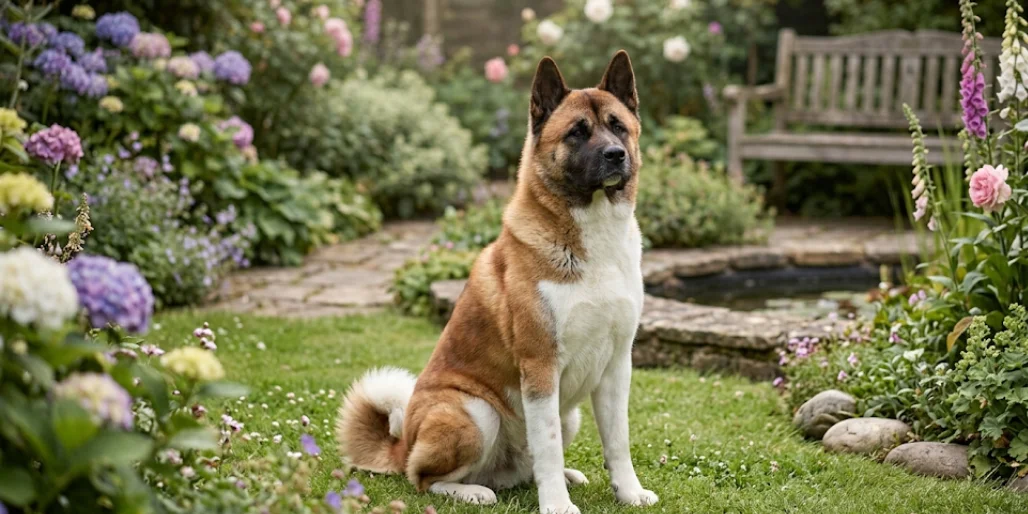
When considering an Akita, its physical appearance is often the first thing that captivates potential owners. How do Akitas typically look? Akitas are a large breed of dog, known for their powerful build and dignified presence. They possess a thick double coat that comes in various colors, including white, brindle, and red. Their distinctive curled tail, small erect ears, and deep-set triangular eyes contribute to their alert and intelligent expression. These traits, along with their robust musculature, are all part of the Akita breed standard, making them an instantly recognizable and impressive Japanese breed.
Temperament and Behavior
Understanding the temperament and behavior of an Akita is crucial for any prospective owner. This independent breed is renowned for its loyalty and protective instincts, often acting as an excellent guard dog for its family. However, the Akita dog breed also has a strong-willed nature and a significant prey drive, stemming from its ancient Japanese hunting heritage. Early socialization and consistent positive reinforcement training sessions are essential from the puppy stage to ensure they grow into well-adjusted adults, helping them integrate effectively with other pets and people, even though they tend to be wary of strangers.
Common Personality Traits
Akitas possess several common personality traits that define this unique breed of dog. They are known for being quiet, clean, and remarkably intelligent dogs, often observing situations before acting. While deeply devoted to their families, they can be aloof with strangers, which is part of their natural guardian temperament. Their independent nature means they thrive with an experienced dog handler who can provide consistent leadership and mental stimulation. With proper training tips and ongoing socialization, the Akita’s inherent dignity and protective qualities truly shine, making them a loyal and rewarding companion. If you’re ready for the challenge and reward, a comprehensive guide to Dog A-Z Breeds Guide is available, and you can find more information about the Akita and other breeds at Pawandbreeds.
Care and Grooming for Akitas
Grooming Needs of the Akita Breed
Grooming an Akita is a significant aspect of its care, given its beautiful yet demanding thick double coat. To answer the question of how to properly groom an Akita, daily brushing is essential, especially during shedding seasons, which happen twice a year. This regular brushing helps manage the significant amount of fur an Akita can shed and prevents matting, keeping its coat healthy and clean. While Akita dogs are naturally clean animals and don’t require frequent bathing, occasional baths, perhaps every few months, will help maintain their coat’s luster and hygiene. This routine is vital for maintaining the breed standard’s dignified appearance.
Feeding and Dog Food Recommendations
When it comes to feeding an Akita, selecting the right dog food is crucial for its health and well-being. A large breed like the Akita requires a high-quality diet that supports its energy levels and robust physique. Look for dog food that lists real meat as the primary ingredient and avoids excessive fillers. For Akita puppies, specific puppy formulas are recommended to ensure they receive the necessary nutrients for proper growth and development. It’s always a good idea to consult with your veterinarian to tailor a feeding plan based on your Akita’s age, activity level, and any specific health considerations.
Exercise and Mental Stimulation
The Akita, a powerful breed with an intelligent dog’s mind, has considerable exercise needs and requires ample mental stimulation to thrive. Daily walks and opportunities to run in a securely fenced area are important to keep this independent breed physically fit. Beyond just physical activity, Akitas benefit greatly from puzzle toys, obedience training sessions, and interactive games that challenge their intellect. Providing adequate mental stimulation helps prevent boredom, which can lead to destructive behaviors, ensuring your Akita is a well-behaved and contented companion.
Training and Socialization Tips
Basic Training for Akita Dog Breed
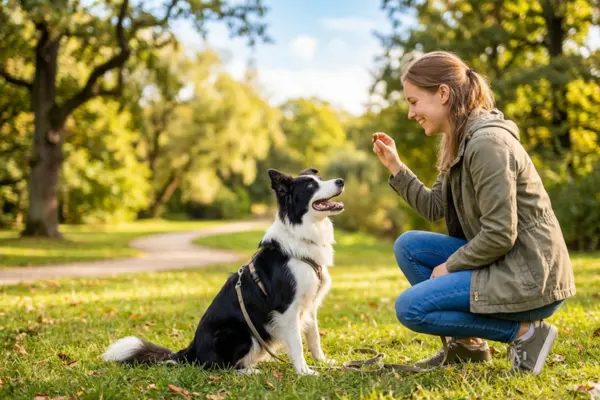
Basic training for the Akita dog breed should begin as early as possible, ideally from the puppy stage, using consistent positive reinforcement methods. Akitas are intelligent dogs, but their independent nature means that short, engaging training sessions are more effective than long, repetitive ones. Focus on commands like “sit,” “stay,” and “come,” which are crucial for managing this powerful breed. Establishing yourself as a confident and consistent handler is key to successful training, helping your Akita respect boundaries and respond reliably to your cues. Patience and positive reinforcement will yield the best results with this dignified Japanese breed.
Socialization Techniques for Akitas
Early and ongoing socialization is paramount for an Akita, a breed known for its protective temperament and wariness of strangers. Exposing Akita puppies to a variety of sights, sounds, people, and other well-behaved dogs from a young age is essential. Controlled, positive interactions in different environments, such as a dog park (with caution), can help them become more comfortable and less reactive as adults. The goal of socialization is to teach your Akita that new experiences don’t always pose a threat, fostering a more well-adjusted and confident companion, rather than an overly reserved guard dog.
Challenges in Training a Powerful Breed
Training a powerful breed like the Akita comes with its own set of challenges, primarily due to its strong-willed and independent nature. Its inherent prey drive and tendency to be dominant with other dogs require an experienced dog handler. It’s crucial to approach training with consistency, patience, and unwavering leadership, always employing positive reinforcement techniques. Challenges may include leash pulling, resistance to commands, or reactivity towards other animals. However, with dedication and a deep understanding of the Akita’s temperament, these challenges can be overcome, resulting in a well-trained and loyal companion.
Living with an Akita
Akitas as Guard Dogs
Akitas inherently possess the qualities of an excellent guard dog, a trait deeply rooted in their ancient Japanese heritage. Their dignified and watchful temperament makes them natural protectors of their home and family. While this is a desirable characteristic for many, it’s crucial for an experienced dog handler to understand how to channel this protective instinct through proper socialization and positive reinforcement training. An Akita dog will instinctively be wary of strangers, so it’s important to teach them appropriate responses to new people and situations, ensuring their guardian tendencies remain controlled and not aggressive, making them a reliable rather than reactive protector.
Compatibility with Other Pets
When considering the compatibility of an Akita with other pets, it’s essential to approach the situation with caution and careful planning, particularly if you have existing small animals or other dogs. Due to their strong prey drive, stemming from their history as a hunting Japanese breed, Akitas may not always be suitable for homes with cats or smaller animals. While early socialization as an Akita puppy can improve their tolerance, it’s not a guarantee. With other dogs, Akitas tend to prefer being the sole canine companion, especially within the same household, although some can coexist peacefully with an opposite-sex companion if introduced properly and supervised by an experienced dog handler.
Tips for First-Time Akita Owners
For first-time Akita owners, understanding the unique needs of this powerful breed is paramount to a successful companionship. One of the most important training tips is to start early with positive reinforcement and consistent training sessions, as the Akita’s independent nature requires a confident and patient leader. Be prepared for their significant exercise needs and provide plenty of mental stimulation to prevent boredom. Additionally, dedicate time to daily brushing to manage their thick double coat and shedding. Researching reputable breeders and seeking advice from an Akita Club of America can provide invaluable insights into caring for your new Akita puppy.
Conclusion
Summary of Key Points
In summary, the Akita is a majestic and loyal, powerful breed with a rich history as a Japanese dog, known for its dignified temperament and exceptional qualities as a guard dog. Prospective owners must be prepared for its significant grooming needs, including daily brushing of its thick double coat, and understand its exercise needs and the importance of mental stimulation. Training an Akita requires an experienced dog handler who can implement consistent positive reinforcement and early socialization to manage its independent breed nature and strong prey drive. This comprehensive guide highlights that while challenging, an Akita offers profound loyalty and companionship.
Final Thoughts on the Akita Inu
The Akita Inu is truly a remarkable breed of dog, embodying loyalty, dignity, and protective instincts that make it an extraordinary companion for the right owner. While its independent breed nature and strong will demand an experienced dog handler, the rewards of a bond with an Akita are immense. They are more than just pets; they become a devoted member of the family, offering unwavering companionship and a watchful presence. For those prepared to meet their specific needs for training, socialization, and care, welcoming an Akita into your home is a deeply enriching experience.
Resources: Paw and Breeds and Dog A-Z Breeds Guide
For those looking to delve deeper into the Akita breed or explore other dog breeds, valuable resources are readily available. Paw and Breeds offers a wealth of information, from specific breed guides to general dog care advice, helping you make informed decisions about your canine companion. Additionally, the Dog A-Z Breeds Guide provides comprehensive insights into a wide array of breeds, offering detailed information on temperament, care, and suitability for different lifestyles. These resources are excellent starting points for anyone considering bringing a new furry friend into their home.
FAQ’s
Q: Do Akitas shed a lot and how do I manage their outer coat?
A: Yep — Akitas are big shedders, especially during seasonal blowouts. Their double coat (thick outer coat and dense undercoat) needs regular brushing — at least weekly for maintenance and daily during shedding season. Baths help, but don’t overdo them or you’ll strip natural oils. Grooming tools like an undercoat rake and a slicker brush are your friends.
Q: What are the best training tips for an Akita to become a well-trained akita?
A: Start early with consistent, firm, but fair training. Akitas are intelligent but independent, so short, fun sessions and strong leadership work best. Socialize them widely as puppies (other dogs, people, sights) to curb dominant or aloof tendencies. Positive reinforcement, clear boundaries, and enrolling in puppy classes or dog sports helps a lot. Remember patience — they respond better to respect than harsh correction.
Q: Is an Akita the best dog for first-time dog owners?
A: Probably not the ideal choice for most first-time dog owners. Akitas are a powerful dog with strong breed instincts, originally used for hunting in northern Japan, and they need experienced handling, consistent training, and socialization. If you’re a committed first-time dog owner willing to learn and possibly work with trainers, it can be done — but be realistic about the commitment.
Q: What health concerns should I watch for in an Akita, like hip dysplasia or stomach twists?
A: Common health concerns in Akitas include hip dysplasia, autoimmune issues, certain eye conditions, and the risk of stomach twists (bloat/GDV) in deep-chested dogs. Regular vet check-ups, keeping them at a healthy weight, feeding smaller meals, avoiding vigorous exercise immediately before/after eating, and being aware of breed-specific tests can reduce risks. Ask breeders for health clearances and consider pet insurance.
Q: What’s the difference between a Japanese Akita (Akita Inu) and an American Akita?
A: The Japanese Akita Inu and American Akita share roots but differ in looks and temperament. The Japanese Akita is generally leaner, more fox-like, and tied to the ancient Japanese breed standards; the American Akita is larger, heavier-boned, and was shaped differently after importation. Both can be fantastic pets but check american kennel club registration and breed standards if show or breeding lines matter to you.
Q: Where can I find help if I want to adopt or rehome — what about akita rescue?
A: Look for local or national akita rescue groups, breed-specific rescues, and shelters that work with the community. Rescue organizations often know akita-specific needs, behavior history, and can match you with a dog that fits your lifestyle. Expect to answer detailed questionnaires and possibly complete home checks — it’s about finding the right fit for a powerful dog.
Q: Any care tips for feeding Akita puppies — puppy food and nutrition advice?
A: Choose a high-quality puppy food formulated for large-breed dogs to support steady growth and reduce joint stress. Feed measured, scheduled meals rather than free-feeding to help prevent overeating and bloat. Discuss portion sizes and supplements with your vet; a regular vet will advise on appropriate puppy food brands and caloric needs based on activity and growth.
Q: Can Akitas be social breeds and participate in dog sports or family life?
A: Yes, with the right socialization and training Akitas can be social breeds in family life and enjoy dog sports like obedience, tracking, or weight pulling. They’re loyal and can be affectionate with family, but they might be reserved with strangers and other animals. Early social exposure, consistent care tips, and structured activities help them thrive as part of an active household.