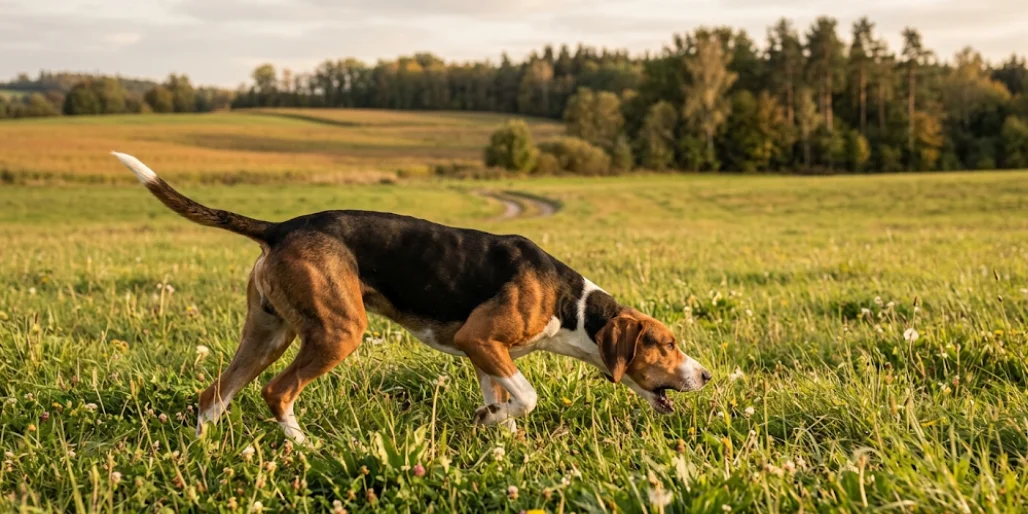
Are you wondering if the American Foxhound is the right dog for you? This comprehensive guide will help you understand everything about this charming scent hound, from its historical roots in fox hunting to its temperament and care needs, ensuring you can make an informed decision about bringing one into your home.
Introduction to the American Foxhound
Overview of the Foxhound Breed
The American Foxhound is a truly distinctive breed, renowned for its incredible stamina and a keen sense of smell that makes it a formidable scent hound. This breed is not just a pretty face; it’s an energetic and easygoing companion, making it a fantastic addition to the right home. Their characteristic bay is a sound that truly sets them apart from other breeds.
History and Origin of the American Foxhound
The American Foxhound’s history is deeply intertwined with the early days of the United States. This breed was developed in the United States, specifically for fox hunting, a popular sport at the time. Legend has it that George Washington himself played a significant role in developing the American Foxhound, through actions such as:
- Importing English Foxhounds.
- Breeding them to create the robust and agile American version we know today.
These dogs were bred to hunt foxes with unwavering determination.
Characteristics of the American Foxhound
The American Foxhound is instantly recognizable with its lean, muscular build and noble expression. They are known for their impressive lifespan and any color is acceptable for this healthy breed. Their keen sense of smell is legendary, making them exceptional hunting dogs.
| Height | Up to 25 inches |
| Skull | Slightly domed |
| Eyes | Large, hazel, reflecting intelligent and gentle nature |
Temperament and Behavior
Friendly Nature of the American Foxhound
The American Foxhound is celebrated for its remarkably friendly and easygoing nature, making it a wonderful companion for many households. This breed of dog generally gets along very well with kids and other pets, thanks to its inherently gentle disposition. They are a healthy breed known for their amiable temperament, always ready to be part of the family fun.
Socialization Needs for Family Dogs
For an American Foxhound to truly thrive as a family dog, early socialization is absolutely key. Exposing your American Foxhound dog breed to various sights, sounds, and experiences from a young age helps them develop into well-adjusted and confident adults. Proper socialization ensures they are comfortable in different environments and with new people and animals.
Common Behavioral Traits
American Foxhounds possess several distinct behavioral traits, stemming from their heritage as hunting dogs. Their bay, a unique, long, and melodious howl, is one of their most recognizable characteristics. They are also known for their keen sense of smell, which can lead them to follow interesting scents with unwavering determination, often requiring a secure, fenced yard.
Care Requirements for American Foxhounds
Activity Needs and Exercise Recommendations
The American Foxhound is a very active breed that requires significant daily activity to stay happy and healthy. These dogs were bred to hunt and possess incredible stamina, so regular, vigorous exercise is crucial. Activities like long runs, hikes, or engaging in dog sports are excellent ways to meet their exercise needs, ideally in a large, securely fenced yard to prevent them from wandering off on an interesting scent.
Dietary Needs and Nutrition
Proper nutrition is vital for maintaining the health and energy levels of your American Foxhound. A high-quality dog food, appropriate for their age, activity level, and size, is recommended. Because they are such an active breed, their diet should support their robust exercise regimen, ensuring they receive all necessary nutrients to fuel their adventurous spirit and maintain a healthy weight.
Grooming and Maintenance Tips
Grooming an American Foxhound is relatively straightforward due to their short, dense coat. Regular brushing, perhaps once a week, will help keep their coat clean and minimize shedding. Additionally, routine ear cleaning, nail trims, and dental care are important to prevent common health issues. This healthy breed doesn’t require extensive grooming, making maintenance quite manageable for owners.
Health Considerations
Common Health Issues in American Foxhounds
While generally a healthy breed with a good lifespan, American Foxhounds can be prone to certain health issues that prospective owners should be aware of. One common concern for many active breeds is hip dysplasia, a condition affecting the hip joint. Other potential issues might include ear infections, given their floppy ears, and occasional eye problems. A reputable breeder will screen their dogs for these genetic conditions to ensure they are passing on healthy traits.
Regular Veterinary Check-ups
Regular veterinary check-ups are absolutely crucial for maintaining the optimal health of your American Foxhound. These routine visits allow your vet to catch any potential health issues early, provide necessary vaccinations, and offer advice on preventative care. Early detection and intervention can significantly improve the outcome for many conditions, contributing to a longer, healthier life for your beloved hound.
Preventative Care for Longevity
Proactive preventative care is key to ensuring your American Foxhound enjoys a long and fulfilling life. This includes a balanced diet, consistent daily activity to meet their exercise needs, and regular grooming. Additionally, staying up-to-date on parasite prevention, such as flea, tick, and heartworm medication, is vital. A secure, fenced yard also prevents accidental injuries from off-leash wandering.
Conclusion
Summary of Key Points
The American Foxhound, a friendly and easygoing scent hound, boasts a rich history in fox hunting, dating back to George Washington. Developed in the United States, this healthy breed requires significant daily activity and thrives in homes that can provide ample exercise and a secure fenced yard.
| Key Trait | Description |
| Temperament | Friendly and easygoing |
| Health | Generally healthy, benefits from regular vet check-ups and preventative care for an impressive lifespan. |
Final Thoughts on the American Foxhound
The American Foxhound is a wonderful breed of dog for active families or individuals who appreciate a loyal and energetic companion. Their keen sense of smell and desire for adventure mean they are not suited for apartment living, but rather thrive in environments where they can explore and enjoy plenty of off-leash exercise. With proper care, socialization, and understanding of their unique traits, an American Foxhound can be a truly rewarding addition to your right home.
Resources: Pawandbreeds and Dog A-Z Breeds Guide
For more in-depth breed information and to explore other breeds, check out Pawandbreeds for a comprehensive Dog A-Z Breeds Guide. These resources can provide valuable insights into various dog breeds, helping you make informed decisions about finding the perfect canine companion for your lifestyle.
FAQ’s
Q: What kind of hound is the American Foxhound and where did it come from?
A: The American Foxhound is a classic scent hound, bred to run and follow a scent over long distances. It developed in the United States from English foxhounds and early brooke hounds lines; historical figures like Robert Brooke and others are often credited with helping shape the breed. They were created for pack hounds work, so they’re social, energetic, and happiest with a job or a group.
Q: How big does an American Foxhound get — how many inches tall are they?
A: Adult males usually stand around 22 inches to 24 inches tall at the wither, with females a bit smaller. They have a moderately long back and a slight curve to the tail, giving that classic running silhouette.
Q: What’s the American Foxhound’s temperament — are they good-natured with children?
A: Generally yes — they’re good-natured, friendly, and get along along with children and other dogs when properly socialized. However, their strong prey drive and pack instincts mean they can be independent or show stubbornness, so consistent training is key.
Q: How much exercise does an American Foxhound need — is enough exercise a lot?
A: They need enough exercise daily — think long walks, runs, or opportunities to follow a scent. Being bred to run, they thrive on vigorous activity; without it they can get bored and noisy. Close neighbors should be warned if you live in a smaller yard because these hounds can be vocal.
Q: What’s the grooming routine — are they low maintenance and do they need weekly brushing?
A: The breed has a smooth coat and hard coat that’s relatively low maintenance. Weekly brushing keeps shedding under control and helps spot skin issues. Their hanging ears (drop ears) should be checked regularly to avoid infections.
Q: What health issues should owners watch for — any concerns like thrombocytopathy or platelet problems?
A: American Foxhounds are generally healthy but can have breed-specific issues. Rare conditions include bleeding disorders like thrombocytopathy or low platelet counts, so routine vet checks and pre-breeding health screens help. Know the life expectancy range for the breed and work with responsible breeders or a breeding program to reduce inherited issues.
Q: How common are tricolor or other coat patterns, and what about eye color?
A: Tricolor markings are common, though coat patterns vary. Eyes are typically brown or hazel, giving that warm expression. Some color variations are rarer than others, but overall the look is classic and functional for a hunting hound.
Q: Can American Foxhounds live in a kennel or apartment — do they do well with close neighbors?
A: They can live in a kennel environment or with an active family, but they’re not ideal apartment dogs unless you can provide lots of exercise. Their vocal nature and desire to follow a scent can upset close neighbors, so a secure yard and daily activity are important.
Q: What should I consider when choosing a breeder — any tips like checking breeding program history or lineage back to 1650 or notable names like Goodman?
A: Pick a reputable breeder who shares health clearances, temperament info, and details on lineage. While the breed’s deep ancestry stretches back centuries (some lineages trace to old English stock and dates like 1650 for early hound development), focus on current breeding program practices, health testing, and temperament. Ask about pack history, working ability, and any titles or records the lines hold rather than just names.