Are you curious about the American Water Spaniel? This guide is your ultimate resource for understanding everything about this charming and often overlooked curly-coated retriever. We’ll dive deep into their unique characteristics, history, and how to best care for this wonderful hunting dog, ensuring you have all the information you need to appreciate and potentially welcome an AWS into your life.
Introduction to the American Water Spaniel
Overview of the Breed
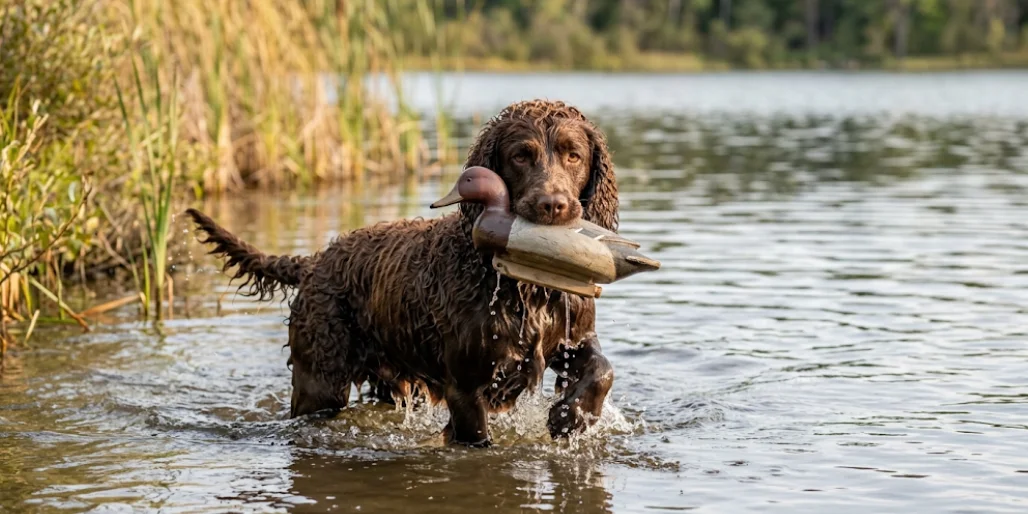
The American Water Spaniel, often referred to as AWS, is a medium-sized dog breed known for its distinctive curly coat and exceptional skills as a waterfowl and upland retriever. These affectionate and energetic dogs make wonderful family companions, especially for active households that appreciate a sporting dog with a strong prey drive. They are truly versatile working dogs with a delightful temperament.
History and Origins
The history of the American Water Spaniel is deeply rooted in the American Midwest, where they were developed in the 19th century to be an all-around hunting dog capable of working in various terrains and conditions. This breed is believed to have descended from English Water Spaniels, Irish Water Spaniels, and perhaps even some English Springer Spaniels, all contributing to its unique traits. The American Kennel Club (AKC) officially recognized this rare breed in 1940.
Physical Characteristics
The American Water Spaniel is a robust, medium-sized dog, typically weighing between 25 to 45 pounds. They possess a distinctive curly or wavy coat that ranges from liver to chocolate brown, designed to protect them in cold water. Their expressive eyes and well-proportioned build give them a sturdy yet agile appearance, perfect for their role as a retriever. Their tails are usually moderately feathered.
Temperament of the American Water Spaniel
Behavior with Families
The American Water Spaniel is renowned for its delightful temperament, making it an excellent addition to active families. These dogs are incredibly loyal and affectionate, often forming strong bonds with their human companions. Their outgoing nature means they typically love being involved in all family activities, from a quiet evening indoors to an energetic adventure outdoors, showcasing their versatility as family dogs.
Interaction with Children and Other Pets
When properly socialized, the American Water Spaniel generally interacts well with children and other pets. They possess a playful spirit that makes them great companions for kids, though supervision is always recommended. Their innate retrieve drive can sometimes extend to playful chasing of other pets, so early introduction and training are key to fostering harmonious relationships within the household.
Training and Socialization
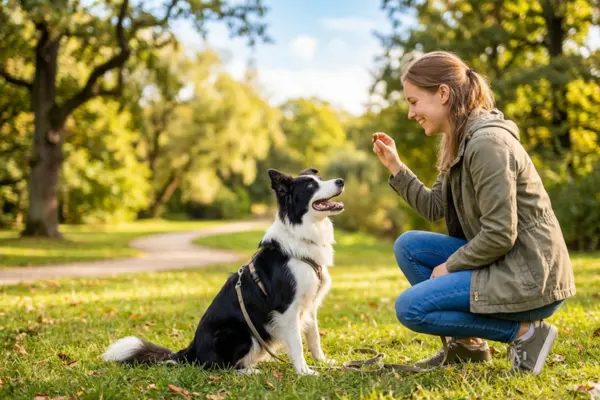
Training an American Water Spaniel can be a rewarding experience due to their intelligence and eagerness to please. Early socialization is crucial for this breed to ensure they grow into well-adjusted adults, comfortable in various situations and around different people and animals. Positive reinforcement methods work best, harnessing their natural working dog instincts and strong prey drive in a constructive way.
American Water Spaniel Grooming Guide
Coat Care and Maintenance
The distinctive curly or wavy coat of the American Water Spaniel requires regular care to keep it healthy and free from mats. This breed’s coat is designed to protect them in cold water, but it also means it can easily trap debris. Consistent brushing is essential to maintain its integrity and prevent painful tangles, especially if your AWS loves to swim and explore.
Bathing and Brushing Techniques
To groom your American Water Spaniel effectively, regular bathing with a dog-specific shampoo and conditioner is recommended, particularly after muddy adventures. After bathing, thoroughly dry their curly coat to prevent skin issues. Frequent brushing with a slicker brush or a comb designed for curly-coated breeds will help remove loose hair and prevent matting, keeping their coat in top condition.
Common Grooming Issues
Owners of the American Water Spaniel should be aware of common grooming issues such as matting, especially in areas like behind the ears, armpits, and on their moderately feathered tail. Regular inspection and prompt attention to small mats can prevent them from becoming larger, more painful problems. Ear cleaning is also crucial to prevent infections, as their floppy ears can trap moisture.
Health Considerations for the American Water Spaniel
Common Health Issues
Like many dog breeds, the American Water Spaniel can be prone to certain health conditions, including hip dysplasia, a common orthopedic issue in medium-sized dogs. Other potential concerns for this active hunting dog breed include eye conditions and sometimes skin allergies, often exacerbated by their love for water and dense curly coat. Responsible breeders typically screen their American Water Spaniel puppies for these hereditary issues to promote the overall health of the breed.
Regular Veterinary Care
Ensuring your American Water Spaniel receives regular veterinary care is paramount for their long-term health and well-being. Annual check-ups, vaccinations, and parasite prevention are essential to keep your AWS thriving. Early detection of potential health problems, such as hip dysplasia or ear infections common in a water-loving breed, can make a significant difference in treatment outcomes and quality of life for your cherished retriever.
Nutrition and Diet
A balanced and appropriate diet is crucial for maintaining the American Water Spaniel’s energetic lifestyle and overall health. High-quality dog food, formulated for active, medium-sized breeds, will provide the necessary nutrients. Given their tendency to love water and be prone to certain skin sensitivities, a diet rich in omega fatty acids can also help support their distinctive curly coat and skin health, keeping your American Water Spaniel vibrant.
Conclusion
Summary of Care Needs
In summary, caring for an American Water Spaniel involves a combination of consistent grooming for their unique curly coat, regular exercise to satisfy their working dog instincts, and dedicated training and socialization. This medium-sized sporting dog thrives on interaction and activity, making them ideal family dogs for those who can meet their needs. Their loyal temperament and retrieve drive make them wonderful companions when properly nurtured.
Final Thoughts on the American Water Spaniel
The American Water Spaniel is truly a unique and delightful breed, offering an excellent blend of an affectionate family companion and a capable hunting dog. Their charming curly coat and enthusiastic personality make them stand out. While they do require commitment in terms of grooming and activity, the rewards of owning an AWS are immense, bringing joy and endless adventure to the right household.
Recommended Resources: Paw and Breeds and Dog A-Z Breeds Guide
For those looking to delve deeper into the specifics of the American Water Spaniel or explore other fascinating dog breeds, Paw and Breeds offers a wealth of information. Additionally, the Dog A-Z Breeds Guide is an invaluable resource for comprehensive details on various breeds, helping you understand breed standards, care tips, and much more, ensuring you are well-informed about your beloved canine companion.
FAQ’s
Q: What is an American Water Spaniel breed and where did it come from?
A: The American Water Spaniel is a hunting breed developed in the Great Lakes region, especially Wisconsin, as a dual-purpose dog for flushing and retrieving game birds from water. These little brown dogs are known for a thick, wavy or curly coat and were even named the state dog of Wisconsin.
Q: How big do American Water Spaniels get — height and weight?
A: Typical size is about 15–18 inches at the shoulder and they usually weigh between 25–45 pounds, making them compact but sturdy for field work and family life.
Q: What do American Water Spaniels look like — coat and color?
A: They usually have a solid liver color with a thick coat that can be wavy or curly to protect them in cold water. Their eyes are often hazel and the overall look is that classic little brown dog built for wet work.
Q: Are they good family dogs and watchdogs?
A: Yes — American Water Spaniels are eager to please, loyal, and get along well with kids, so they make good family dogs. They can also serve as a watchdog because they’re alert and bold, but they’re not aggressive by nature when properly socialized.
Q: How much do they shed and how do I care for their coat?
A: They don’t shed much compared to many breeds, thanks to that water-resistant, thick coat. Regular brushing keeps mats away and occasional trimming helps, especially after heavy field seasons. Their double coat is designed for outdoorsy activity and water work.
Q: Are American Water Spaniels good hunting dogs and easy to train?
A: Absolutely — they’re a true hunting breed, close to the gun and great on water and upland game birds. They’re smart, have amazing scenting ability, and are eager to please, which makes them responsive to obedience training and field work when you put in consistent training and socialization.
Q: What health issues should I watch for and what screenings are recommended?
A: They are generally healthy dogs but can have breed-related issues like cataract, retinal problems, and hip joint concerns. Regular eye exam, hip screening, and other health screening through your breed club or veterinarian help ensure healthy lives for these dogs.
Q: Is there a breed club and are they recognized by major registries like AKC or UKC?
A: Yes, there is an American Water Spaniel Club that promotes the breed and health screening. The breed is recognized by the UKC and also has AKC registration and participation in AKC events, which helps preserve standards and responsible breeding.
Q: How much exercise do they need and what kind of owner suits them?
A: They thrive with regular exercise and mental work — daily walks, swimming, or field time suits them well. An outdoorsy owner who can provide game bird hunting, training, or active family life is ideal. With proper socialization and obedience training, they adapt well to active homes and make great companions.