Want to know if a Belgian Malinois is the right dog for you? This guide will help you understand everything about this incredible breed, from their intense energy to their smarts, so you can decide if you’re ready for the commitment.
Understanding the Belgian Malinois
Breed Characteristics
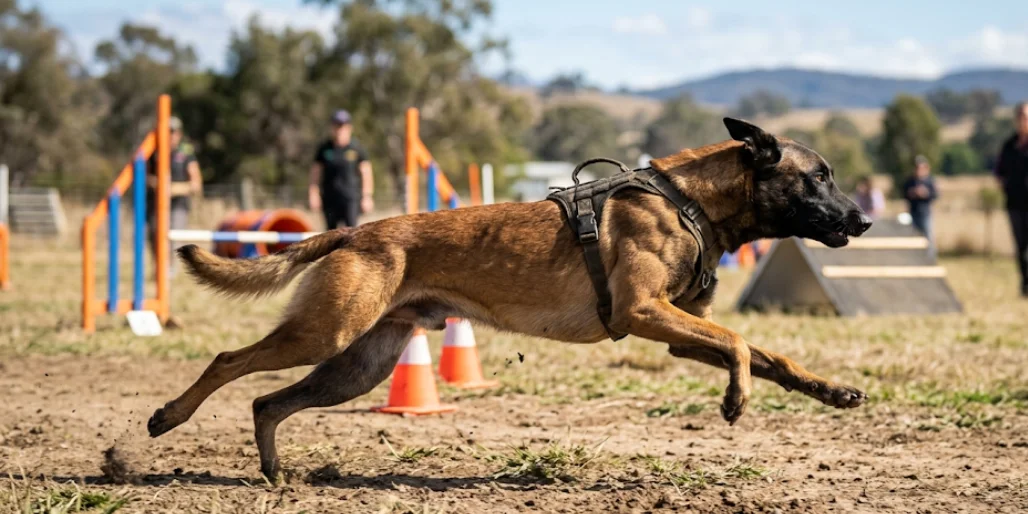
The Belgian Malinois is a truly impressive dog breed, often mistaken for a German Shepherd due to its similar appearance, but it possesses distinct traits. These elegant yet powerful dogs are known for their short, fawn-colored coat with a striking black mask and ears, making them quite handsome. As a working dog, they have a lean, athletic build designed for endurance and speed, reflecting their heritage as a herding breed. When considering a Belgian Malinois puppy, it’s important to appreciate its inherent athleticism and the need for significant physical exercise.
Belgian Malinois Temperament
The Belgian Malinois temperament is characterized by high intelligence, intense loyalty, and an undeniable drive to work. This breed thrives on having a job to do and excels in various dog sports like agility, obedience, and protection work, often seen in police and military roles. Their high energy level and strong prey drive mean they require extensive mental stimulation and consistent training from an early age. Proper socialization is crucial for these puppies to develop into well-adjusted adult dogs, as their protective instincts are strong.
Health and Wellness of the Belgian Malinois
The health and wellness of the Belgian Malinois are generally robust, but like all breeds, they are prone to certain genetic conditions. Responsible breeding practices help mitigate issues such as elbow dysplasia and progressive retinal atrophy, common concerns in many large, active breeds. Providing a balanced diet with high-quality adult dog food is essential, along with regular veterinary check-ups to ensure a long and healthy life. Understanding the specific needs of the Belgian Malinois regarding their health is key for any owner. You can find more information about breeds on Pawandbreeds’ Dog A-Z Breeds Guide.
Care for Your Belgian Malinois
Caring for a Belgian Malinois
Caring for a Belgian Malinois is a significant commitment, but incredibly rewarding for the right owner. These working dogs thrive on routine and require substantial physical exercise and mental stimulation to prevent boredom and destructive behaviors. Daily vigorous activity, like long runs, advanced obedience training sessions, or engaging in dog sports such as agility, is crucial for this high-energy dog breed. Their need for a job means they excel when given tasks, making them unsuitable for sedentary lifestyles.
Belgian Malinois Grooming Guide
When it comes to the Belgian Malinois grooming guide, thankfully, it’s relatively straightforward. Their short, dense fawn coat with a striking black mask sheds moderately year-round, with heavier seasonal shedding twice a year. Regular brushing, about once or twice a week, is usually sufficient to remove loose hair and keep their coat healthy. During shedding seasons, you might need to brush them daily. Occasional baths are also important to keep their skin and coat in top condition.
Dog Food and Nutrition Needs of the Belgian Malinois
The dog food and nutrition needs of the Belgian Malinois are vital for supporting their active lifestyle. A high-quality adult dog food formulated for active, large breeds is essential. Look for foods with real meat as the first ingredient to provide the necessary protein for their powerful muscles. A balanced diet is key, and the amount will depend on their age, activity level, and metabolism. Always ensure they have access to fresh water, especially after intense physical exercise.
Training Your Belgian Malinois
Training Tips for Belgian Malinois
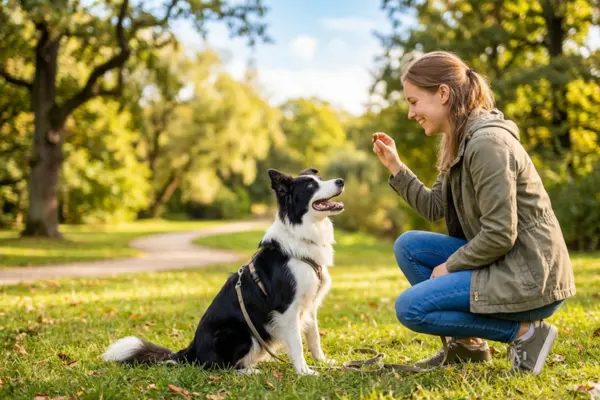
Training a Belgian Malinois requires consistency, patience, and a firm yet fair approach. These intelligent dogs excel in training sessions due to their strong desire to please and their high mental stimulation needs. Early socialization for Belgian Malinois puppies is paramount to ensure they grow into well-adjusted adult dogs, exposing them to various sights, sounds, and people. Positive reinforcement methods work best, rewarding good behavior to build a strong bond and encourage learning.
Puppy Training Essentials
Puppy training essentials for a Belgian Malinois puppy should focus on basic obedience commands like sit, stay, come, and leash training from a young age. Given their strong prey drive, recall training is especially important. Crate training can also be highly beneficial, providing a safe den for your puppy and aiding in house-training. These early training sessions lay the groundwork for a well-behaved adult dog, preventing common behavioral issues that can arise from a lack of structure.
Common Behavioral Traits and Solutions
Understanding common behavioral traits and solutions for the Belgian Malinois is crucial for responsible ownership. Their high energy level and need for a job can lead to destructive chewing, excessive barking, or even nipping if not properly managed. Providing ample physical and mental exercise, along with consistent training and clear boundaries, is the best solution. If issues like elbow dysplasia or progressive retinal atrophy are a concern due to genetics, always consult with your vet and breeder to understand the breed’s health history.
Health Concerns for the Belgian Malinois Dog
Common Health Issues
Despite their robust appearance and high energy level, the Belgian Malinois dog breed is predisposed to certain common health issues that prospective owners should be aware of. Conditions like elbow dysplasia and progressive retinal atrophy are more prevalent in this working dog breed, and responsible breeders will screen for these genetic concerns. Understanding these potential health challenges is crucial for providing the best care for your Belgian Malinois, ensuring they can maintain their active lifestyle for as long as possible.
Preventive Health Care
Preventive health care is paramount for maintaining the well-being of your Belgian Malinois. A balanced diet, consisting of high-quality adult dog food appropriate for their energy level, forms the foundation of good health. Regular physical exercise and mental stimulation are not just about behavior; they also contribute significantly to their overall health, helping to prevent obesity and related issues. Staying proactive with their health needs can make a big difference in their quality of life.
Regular Vet Check-ups
Regular vet check-ups are essential for every Belgian Malinois, allowing for early detection and management of potential health problems. These routine visits are an opportunity to discuss any changes in their behavior, diet, or activity level, and to stay on top of vaccinations and parasite control. Your veterinarian can also provide guidance on maintaining a healthy weight and discuss breed-specific concerns, helping you ensure your Belgian Malinois dog lives a long and happy life.
Conclusion
Final Thoughts on the Belgian Malinois Dog Breed
The Belgian Malinois dog breed is undoubtedly a remarkable and intelligent companion, but it is not for everyone. Their intense energy level, strong prey drive, and need for constant mental stimulation demand a dedicated owner willing to invest significant time in training sessions, socialization, and physical exercise. For those who can meet their needs, the rewards of owning such a loyal, capable, and protective working dog are immense, offering an unparalleled bond.
Resources for Belgian Malinois Owners
For current and prospective Belgian Malinois owners, a wealth of resources is available to support you on your journey. Organizations like the American Belgian Malinois Club offer invaluable insights into the breed, providing information on health, training, and responsible breeding practices. Consulting experienced trainers specializing in working dog breeds can also provide tailored advice for managing their unique temperament and ensuring consistent training.
Explore Paw and Breeds & Dog A-Z Breeds Guide
To deepen your understanding of the Belgian Malinois and discover other fascinating breeds, we encourage you to explore Paw and Breeds. Our comprehensive Dog A-Z Breeds Guide provides detailed information on various dog breeds, including their history, temperament, health considerations, and care requirements. Whether you’re researching for a new family member or simply curious about the canine world, Paw and Breeds is your go-to resource.
FAQ’s
Q: What are the top things to know about belgian malinois health?
A: Belgian Malinois health centers on keeping them active, fed well, and checked by a vet. These dogs can be prone to issues like hip and elbow dysplasia, so regular veterinary care and early screenings are important. Daily training, mental stimulation, dental care, and clean their ears routines all help prevent common problems. Routine vaccinations and parasite control are musts for keeping your Belgian Malinois healthy.
Q: How much exercise and physical and mental stimulation do belgian malinois dogs need?
A: Malinois need a job — they thrive on heavy daily training, vigorous walks, running, and tasks that challenge their brains. Plan for multiple long exercise sessions plus puzzle toys or training drills. Without enough physical and mental stimulation they can get destructive because these Belgian Shepherd-type dogs were bred to work.
Q: Are Belgian Malinois good family dogs or only for working roles like navy seals examples?
A: They can be great family dogs if socialized early and given consistent training, but they’re not “lap dogs.” Their high prey drive and boundless energy make them better for active families or owners who understand dog ownership responsibilities. While people often mention navy seals when talking about Malinois, most pet Malinois are happier with everyday jobs and structure rather than constant tactical work.
Q: What health screenings should I consider for a purebred belgian malinois?
A: For purebred Belgian Malinois, screen for hip and elbow dysplasia, eye issues, and basic genetic checks if available. Ask your breeder or rescue about health clearances. Regular vet checkups, dental care, and monitoring for signs of infection in ears or skin are key parts of preventive care.
Q: How should I feed a belgian malinois puppy and adult dog (puppy food and beyond)?
A: Start with high-quality puppy food formulated for active breeds and follow feeding guidelines based on age and weight. Transition to adult food when your vet says the growth plates are mature—usually around 12–18 months. Active Malinois may need calorie-dense formulas and periodic weight checks so they don’t get under- or over-fed.
Q: What grooming and basic health tasks do belgian malinois dogs need regularly?
A: These short-coated dogs are low-maintenance but need regular brushing during shedding seasons, weekly teeth brushing to support dental care, and routine ear checks to clean their ears and watch for signs of infection. Nail trims, coat checks, and bathings as needed round out basic care.
Q: How do I handle behavior issues tied to a malinois high prey drive?
A: Manage high prey drive with controlled, structured training, strong recall work, and redirection to games like fetch or tug. Use positive methods and give a lot of daily training and enrichment so they can burn off energy safely. Supervision around small pets is important until reliable cues are solid.
Q: Where should I get a belgian malinois—breeder, rescue, or other options (belgian malinois rescue organizations)?
A: Consider reputable breeders who health-test their dogs if you want a puppy and care about pedigree and malinois history or fawn to mahogany coat colors. Belgian Malinois rescue organizations and local shelters often have adults and young dogs in need of homes—adopting can be a great route, especially if you’re prepared for the breed’s needs. Either way, ask about veterinary care history, temperament, and any known health issues.