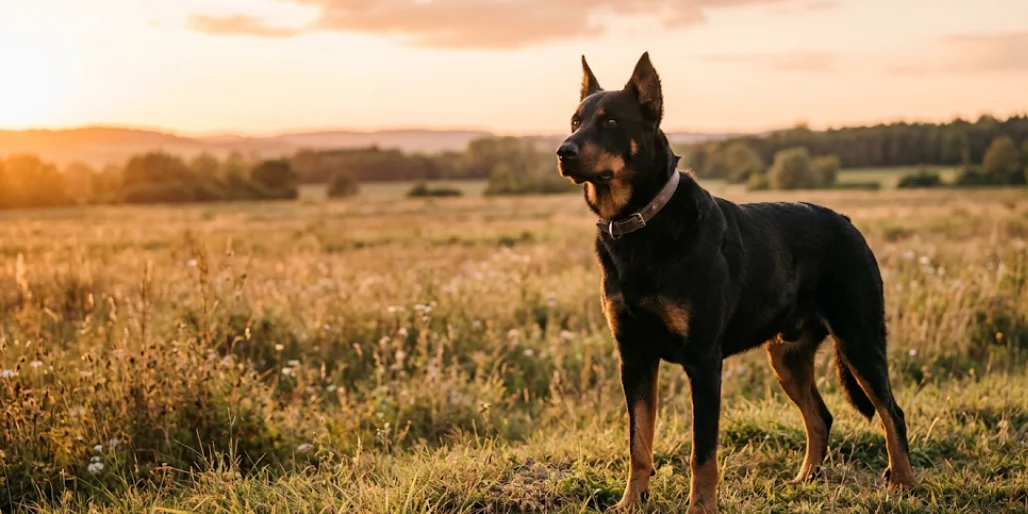
Thinking about bringing a Beauceron into your home? This comprehensive guide will walk you through everything you need to know about this magnificent breed, from its rich history to its unique temperament and specific care requirements.
Introduction to the Beauceron
Overview of the Beauceron Dog Breed
The Beauceron dog breed, often called the “gentle giant” or “sheepdog of the French plains,” is a truly impressive canine. Known for its noble presence and unwavering loyalty, this working breed makes a fantastic companion for experienced dog owners who can provide the mental and physical stimulation it needs. If you’re looking for a dog that will herd, guard, and be a devoted member of your family, the Beauceron might be your perfect match.
History and Origin of the Breed
Hailing from France, the Beauceron dog breed is an ancient herding dog with a rich history. This breed, also known as Berger de Beauce or Bas Rouge due to its characteristic red markings on its legs, has been an indispensable farmhand for centuries, primarily used to herd sheep and cattle. The breed’s origins trace back to the flat plains of Beauce, France, where its intelligence and versatility were highly valued. It is truly a piece of living history.
Physical Characteristics of Beaucerons
Beaucerons are large, well-muscled dogs, exuding an air of strength and elegance. Their short, dense coats are typically black and tan, though a rarer harlequin pattern also exists. A distinguishing feature of the breed is its double dewclaws on the hind legs, a characteristic often mentioned in the breed standard. They possess a confident stance and an alert expression, reflecting their past as vigilant guard dogs and herding breeds.
Temperament and Behavior
Understanding Beauceron Temperament
The temperament of a Beauceron is a fascinating blend of loyalty, intelligence, and a strong protective instinct. They are deeply affectionate with their families but can be reserved with strangers, making early socialization crucial. As a working breed, they are inherently intelligent and eager to please, thriving on having a “job” to do, whether it’s dog sports, herding, or even just regular training sessions. These dogs get bored easily without enough to do.
Socialization Needs of Beaucerons
Proper socialization is paramount for a Beauceron puppy to develop into a well-adjusted adult dog. Exposing your pup to various sights, sounds, people, and other friendly dogs from a young age will help prevent potential dog aggression and ensure they grow up to be confident and calm. This vital process lays the groundwork for a secure and happy life for your Beauceron. Consider puppy classes for great socialization opportunities.
Training Tips for Beauceron Puppies
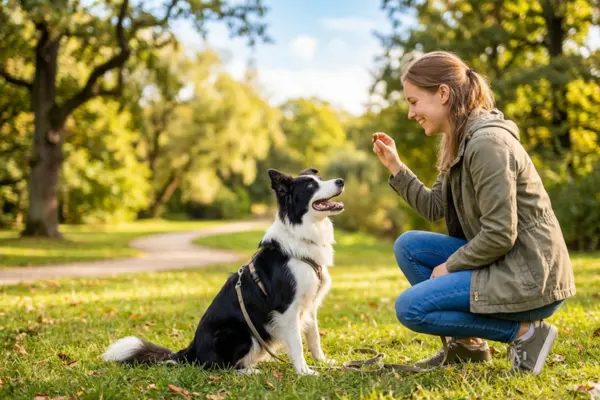
Training a Beauceron puppy requires consistency, patience, and positive reinforcement. These intelligent pups respond incredibly well to reward-based methods, so make sure to have plenty of treats and praise on hand. Early obedience training is crucial to harness their intelligence and establish clear boundaries. Remember, a well-trained Beauceron is a happy Beauceron, and this intelligent working breed loves to learn new things.
Care Requirements for Beauceron Dogs
Nutritional Needs of Beaucerons
Ensuring your Beauceron has a balanced and appropriate diet is crucial for their overall health and well-being. As a large, active working breed, Beaucerons require high-quality dog food formulated for large breeds, with a good balance of protein, fats, and carbohydrates to sustain their energy levels. Always consider their age, activity level, and any specific breed health concerns when choosing their food. Consulting with your vet can help tailor a diet plan that meets your Beauceron’s individual nutritional needs and prevents issues like bloat, also known as GDV.
Grooming Your Beauceron
While Beaucerons have a relatively low-maintenance coat, regular grooming is still essential to keep them looking their best and to monitor their skin health. Their short, dense double coat sheds moderately throughout the year, with heavier shedding seasons twice a year. Weekly brushing with a slicker brush or a deshedding tool will help remove loose fur and minimize shedding around your home. Don’t forget to pay attention to their distinctive double dewclaws on the hind legs, ensuring they don’t get snagged or overgrown.
Exercise and Activity Levels
Beaucerons are an active working breed that absolutely thrives on physical and mental stimulation, so they are not suitable for sedentary lifestyles. Daily exercise is a must, including long walks, runs, or engaging in dog sports like agility, obedience, or herding. Without adequate exercise, a Beauceron can get bored and potentially develop destructive behaviors. A large, securely fenced yard is highly recommended to provide them with space to run and play.
Choosing a Beauceron Puppy
Finding a Reputable Beauceron Breeder
When you’re ready to bring a Beauceron puppy into your life, finding a reputable Beauceron breeder is paramount to ensuring you get a healthy, well-socialized pup with a sound temperament. A good breeder will prioritize the breed’s health, conduct health screenings for common issues like hip dysplasia and DCM, and be transparent about their breeding practices. They should also be an excellent resource for information about the Beauceron breed standard and care requirements.
What to Look for in a Beauceron Puppy
Once you’ve found a reputable breeder, observing the Beauceron puppy’s temperament and physical characteristics is key. Look for a pup that is curious, playful, and responsive to human interaction, rather than overly shy or aggressive. Examine their general health, checking for clear eyes, clean ears, and a healthy coat. A responsible breeder will be able to provide health clearances for the puppy’s parents, indicating they’ve been screened for genetic conditions common in the breed.
Cost and Adoption Considerations
The cost of a Beauceron puppy from a reputable breeder can vary, often reflecting the breeder’s investment in health testing, quality care, and proper socialization. Beyond the initial purchase price, factor in ongoing expenses like high-quality dog food, veterinary care, training classes, and grooming supplies. If purchasing isn’t an option, consider checking with Beauceron rescue organizations; sometimes, adult Beaucerons in need of a loving home become available. For a deeper dive into various dog breeds, explore the PawsAndBreeds dog A-Z Breeds Guide.
Similar Breeds to the Beauceron
Comparing Beaucerons with Other Herding Breeds
When considering a Beauceron, it’s natural to compare them with other herding breeds like the German Shepherd or Rough Collie. While all share a strong working instinct and high intelligence, Beaucerons often possess a more reserved temperament with strangers, making early socialization particularly crucial. They are also less prone to certain breed health issues seen in some other popular herding dogs.
Unique Traits of Similar Dog Breeds
Other similar breeds, such as the Doberman Pinscher, share the Beauceron’s striking appearance and protective instincts, though the Pinscher is not a herding dog. The Beauceron stands out with its distinctive double dewclaws on the hind legs, a feature not typically found in other breeds. This unique characteristic is part of the Beauceron breed standard and can be a useful identifier.
Double Dewclaws: What You Need to Know
The double dewclaws on the hind legs are a hallmark of the Beauceron dog breed and are explicitly mentioned in the breed standard. These aren’t just cosmetic; in their history as a herding dog, it’s believed they aided in traction and agility on rough terrain. While some dog owners opt to have dewclaws removed in other breeds, for the Beauceron, they are an integral part of the breed’s identity.
Conclusion
Summary of Beauceron Care and Temperament
In summary, the Beauceron is an intelligent, loyal, and protective working breed that thrives with experienced dog owners. They require consistent training using positive reinforcement, extensive socialization from a young pup stage, and significant daily exercise to prevent them from getting bored. Their affectionate nature with family, combined with their guarding instincts, makes them a devoted companion.
Final Thoughts on the Beauceron Dog Breed
The Beauceron is truly a magnificent dog breed that, with the right care and commitment, will enrich your life immensely. If you’re looking for a capable herding dog, a vigilant guard dog, and a loving family member, and you are prepared for the dedication they require, then the Beauceron might just be the perfect match for you. Always consider their breed needs before bringing one home.
Resources: Dog A-Z Breeds Guide and PawandBreeds
For those interested in delving deeper into the Beauceron or exploring other similar breeds, valuable resources are available. You can find more comprehensive information on this breed, as well as a wide array of other dog breeds, by consulting a reliable Dog A-Z Breeds Guide. Additionally, for further insights into dog care, training, and breed-specific details, consider visiting PawandBreeds.
FAQ’s
Q: What is a Beauceron and where can I find a reliable beauceron breed guide or beauceron club?
A: A Beauceron is a large herding dog from France known for being loyal, smart, and athletic. For reliable info check breed-specific resources like the American Beauceron Club, talk to reputable kennels, and look for a comprehensive beauceron breed guide from breeders or breed clubs rather than random forums.
Q: How big do Beaucerons get — what are their inches at the shoulder and typical weight?
A: Beaucerons are a large-breed dog: males often stand around 24–27 inches at the shoulder and females a bit less. Weight varies but large males can approach 110 pounds in heavy specimens; most healthy adults are lighter. Size depends on genetics and nutrition.
Q: Are Beaucerons good with kids and friendly adult dogs — how are they around children?
A: Generally yes — Beaucerons can be very protective and gentle around children when socialized properly in puppyhood. They tend to be friendly adult dogs with family but supervision and early socialization are key because they’re large and can nip when overexcited or trying to herd.
Q: How hard are Beaucerons to train — are they easy to train and how’s their trainability?
A: Beaucerons are highly trainable and quick problem-solving dogs, so many owners find them easy to train if you’re consistent. Positive reinforcement, regular obedience classes, and mentally stimulating tasks (frisbee, herding drills) keep them engaged and reduce naughty behaviors.
Q: What exercise and mental stimulation do Beaucerons need — do they need to exercise daily?
A: Absolutely — large herding dogs like Beaucerons must exercise daily. Long walks, running, frisbee, agility, and tasks that stimulate problem-solving help. Boredom can lead to destructive behavior or separation anxiety, so plan activities and training sessions every day.
Q: What health issues should I watch for — any concerns like dilated cardiomyopathy or gastric dilatation-volvulus?
A: Watch for common large-breed issues: dilated cardiomyopathy and gastric dilatation-volvulus (GDV, when the stomach fills with gas) are concerns. Discuss pennhip evaluations for hips, regular vet checks, vaccination schedules, and consider prophylactic gastropexy if your vet recommends it based on risk factors.
Q: What should I expect in grooming and routine care — professional grooming, nail trimming, vaccination?
A: Beaucerons have a short double coat that’s fairly low-maintenance but benefits from regular brushing and occasional professional grooming. Nail trimming, ear checks, dental care, and keeping vaccinations up to date are standard. Grooming is simple but consistent care prevents issues.
Q: Where do I find a puppy and what should I ask breeders at a kennel or the american beauceron club?
A: To find a puppy, contact reputable kennels, the American Beauceron Club, or breed rescue groups. Ask about health clearances (pennhip evaluations, cardiac checks), vaccination history, socialization in puppyhood, temperament of parents, and whether they screen for dilated cardiomyopathy or perform recommended tests.