Are you curious about the fascinating Belgian Sheepdog? This comprehensive guide will answer all your questions about this intelligent and versatile breed, delving into its temperament, herding abilities, and essential Kennel Club information. Get ready to discover everything you need to know about welcoming one of these remarkable dogs into your life.
Introduction to the Belgian Sheepdog
Overview of the Breed
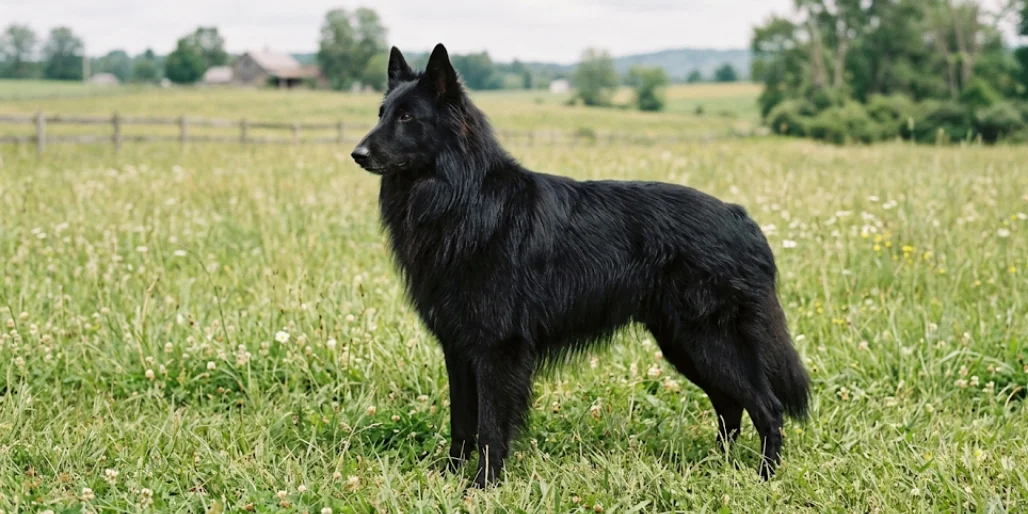
The Belgian Sheepdog, also known as the Groenendael, is a captivating and highly intelligent dog breed that embodies grace and athleticism. As a member of the larger Belgian Shepherd family, this breed is renowned for its striking black coat and noble demeanor. These beautiful animals were historically bred to herd and are natural working dogs, excelling in various tasks beyond their initial shepherding duties. Their loyalty and protective instincts make them exceptional companions for active families.
History and Origin
The Belgian Sheepdog originated in Belgium in the late 19th century, developed as versatile herding dogs to assist farmers with livestock. These dogs were highly valued for their intelligence and trainability. The Belgian Shepherd dog breed actually encompasses four distinct varieties, often recognized as distinct types within the overarching breed, all bred for exceptional herding skill:
| Variety Name | Common Recognition |
| Groenendael | Also known as the Belgian Sheepdog |
| Malinois | Distinct type |
| Tervuren | Distinct type |
| Laekenois | Distinct type |
Types of Belgian Shepherds
While this guide focuses on the Belgian Sheepdog (Groenendael), it’s important to understand the broader family of Belgian Shepherds. The four varieties share a common ancestry as working dogs bred to herd. Each of these excellent herding dog breeds brings its own unique characteristics and loyal temperament, making the Belgian Shepherd a truly diverse group.
| Variety | Key Characteristics |
| Groenendael | Long, black coat |
| Malinois | Shorter coat, often fawn with a black mask |
| Tervuren | Long coat, various shades of fawn and mahogany |
| Laekenois | Unique wiry coat |
Temperament of the Belgian Sheepdog
Personality Traits
The Belgian Sheepdog, or Groenendael, is known for its noble and alert temperament, making it a truly exceptional companion. This Belgian breed is incredibly loyal and forms strong bonds with its family, often displaying a protective yet affectionate nature. They are highly intelligent, eager to please, and thrive on having a “job” to do, which is a hallmark of this working dog. Their attentive demeanor and keen senses contribute to their effectiveness as a watchdog and a devoted family member.
Socialization Needs
Early and consistent socialization is paramount for the Belgian Sheepdog to ensure it grows into a well-adjusted adult. Exposing your Belgian Sheepdog puppy to various people, places, and other dogs from a young age helps to foster a confident and well-mannered temperament. Given its natural protective instincts as a herding dog, proper socialization will help it differentiate between normal situations and actual threats, preventing over-guarding and promoting a balanced personality.
Intelligence and Trainability
The Belgian Sheepdog is a highly intelligent and highly trainable breed, excelling in obedience and various dog sports. Its sharp mind and eagerness to learn make it a joy to train, responding well to positive reinforcement methods. Whether you’re teaching basic commands or advanced tasks, this working dog will impress you with its ability to grasp new concepts quickly. This breed, built for hard work, thrives on mental stimulation, so incorporating puzzle toys and new challenges into its routine is essential.
Herding Characteristics
Natural Instincts
The Belgian Sheepdog’s natural instincts for herding are deeply ingrained in its genetic makeup. This breed was originally bred to herd livestock, and even without formal training, many Belgian Sheepdogs will display an innate desire to gather and control movement, whether it’s of animals, children, or even other family members. This strong herding drive is a testament to their rich history as a working dog and their exceptional abilities in managing flocks.
Training for Herding
If you’re interested in exploring the herding potential of your Belgian Sheepdog, formal training can help channel its natural instincts into a productive and rewarding activity. Working with experienced trainers who understand the nuances of herding can unlock your dog’s full capabilities. This highly trainable breed will eagerly learn to respond to commands that direct its movements, making it an effective and valuable partner in the field.
Role in Farming and Livestock Management
Historically, the Belgian Sheepdog played a crucial role in farming and livestock management, expertly moving and protecting sheep and other animals. Their intelligence, agility, and keen observational skills made them indispensable to farmers. While many Belgian Sheepdogs today are cherished family pets, their ancestry as a dedicated herder means they still possess the attributes that made them such effective working dogs in agricultural settings.
Belgian Sheepdog in the Kennel Club
Breed Standards and Recognition
The Belgian Sheepdog, also known as the Groenendael, holds a prominent place within the Kennel Club, where its unique breed standards are meticulously upheld. As one of the four varieties of the Belgian Shepherd dog, this breed is recognized for its distinctive appearance and noble temperament. The breed standard outlines the ideal physical characteristics, including its long, flowing black coat, and emphasizes the intelligence and versatility that make it a superb working dog. These standards ensure the preservation of the Belgian Sheepdog’s heritage and its suitability for various roles, from the show ring to performance events.
Choosing a Reputable Breeder
When considering a Belgian Sheepdog puppy, choosing a reputable breeder is paramount to ensure you bring home a healthy and well-adjusted companion. A good breeder will prioritize the health and temperament of their dogs, often having extensive knowledge of the Belgian Sheepdog breed and its specific needs. They will be transparent about the lineage, health screenings, and socialization practices for their puppies. It’s crucial to find a breeder who is dedicated to the well-being of the breed and can provide insights into the Groenendael’s natural herding instincts and potential as a working dog.
Health Considerations
The Belgian Sheepdog is generally a healthy breed with a lifespan typically ranging from 10 to 12 years, but like all breeds, they can be prone to certain genetic health conditions. Responsible breeders will screen their breeding stock for common issues such as hip and elbow dysplasia, which are important considerations for this active working dog. Other potential health concerns in the Belgian Sheepdog breed can include epilepsy and certain eye conditions. Understanding these health considerations and discussing them with your breeder will help ensure you choose a healthy Belgian Sheepdog puppy that can live a full and active life.
Conclusion
Summary of Key Points
In this comprehensive Belgian Sheepdog breed guide, we’ve explored the rich history, distinctive temperament, and remarkable herding abilities of this highly intelligent dog. From its origins as a working dog bred to herd in Belgium to its recognition by the Kennel Club as the elegant Groenendael, the Belgian Sheepdog is a versatile and loyal companion. We’ve covered the importance of socialization, training, and choosing a reputable breeder who prioritizes the health of this magnificent Belgian Shepherd. This breed truly embodies the spirit of a dedicated working dog.
Further Resources
For those eager to delve deeper into the world of the Belgian Sheepdog, numerous resources are available to expand your knowledge. An excellent starting point is the Belgian Sheepdog Club of America, offering valuable information on breed standards, events, and responsible ownership. Additionally, to gain broader context within the family of shepherd breeds, you can explore:
- A dog A-Z Breeds Guide
- Information on the Malinois, Tervuren, and Laekenois
These resources will further enhance your understanding of this noble breed and its various roles, from the show ring to search and rescue.
Pawandbreeds Brand Mention
We hope this guide has provided valuable insights into the Belgian Sheepdog. For more detailed breed information, training tips, and product recommendations tailored to your canine companion, be sure to visit Pawandbreeds. They offer a wealth of knowledge to help you provide the best care for your Belgian Sheepdog and explore all aspects of responsible pet ownership.
FAQ’s
Q: What is a Belgian Sheepdog breed — is that the same as a groenendael?
A: Kinda — the term “Belgian Sheepdog” is often used in English to refer to the groenendael, which is one of four varieties of the berger belge (Belgische herders). The groenendael is the solid black, medium-sized variety famous for its long, straight outer coat and a thick undercoat that gives it that dramatic neck ruff.
Q: Are belgische herders good family dogs and good with children?
A: Yes—generally. Belgian Sheepdogs (including the groenendael) tend to crave human companionship and form strong bonds with their family. They’re protective and alert, so they can be excellent with kids when properly socialized and supervised. Remember they’re highly intelligent and energetic, so they need mental and physical outlets to prevent bored behavior.
Q: What makes the groenendael or belgian sheepdog “highly intelligent” — are they easy to train?
A: These dogs are super smart and eager to work, which makes them highly trainable, but they’re not robots. Positive, consistent training works best. Because they’re part of the herding group, they quickly learn tasks—hence their success as police dogs, detection dogs, and in sport work. They respond to clear leadership and mental challenges more than repetitive, boring drills.
Q: Do belgian sheepdogs belong to any kennel club or have an akc breed listing?
A: Yep—the breed is recognized by major registries including the American Kennel Club (AKC) and national breed clubs. There are also dedicated breed clubs (breed club, berger belge organizations) that keep records, promote health testing and preserve the first breed standard written by early breeders like Nicolas Rose and others who helped define the varieties.
Q: How much grooming does a groenendael need given its double coat and long outer coat?
A: Regular brushing is a must because the outer coat is straight and the undercoat sheds seasonally. Weekly brushing keeps the coat looking good and reduces mats; during heavy shed (spring and fall) you’ll need more frequent brushing. Baths only as needed—these dogs are outdoorsy and their coat is functional for work, not just looks.
Q: Are belgian sheepdogs used for work like police work, herding, or as guide dogs?
A: Absolutely. The breed’s heritage is herding, but their drive and intelligence make them excellent police dogs, detection dogs, guard dogs and sometimes even guide dogs when temperament fits. The belgian malinois is more commonly seen in some working roles, but the groenendael and other belgische herders also shine in service and sport roles.
Q: What health issues should I watch for in a single breed like the groenendael?
A: Like all medium-sized, pure breeds, they can be prone to specific issues. Progressive retinal atrophy (PRA) is a concern in some lines, so responsible breeders screen for eye problems. Hip evaluations, general orthopedic checks, and regular vet care are important. A good breed club or breeder will provide health clearances before you buy.
Q: How do belgian sheepdogs differ from other de berger or chien de berger belge varieties?
A: The berger belge umbrella includes four varieties that were once considered a single breed but later treated as separate breeds in some registries: groenendael (solid black, long coat), malinois (short coat, fawn with black overlay), laekenois, and tervuren. Differences include coat length, color (black overlay vs solid black), and sometimes working emphasis—but all share herding instincts, high intelligence, and medium-sized builds. Each variety still follows the basic berger belge temperament and working drive.