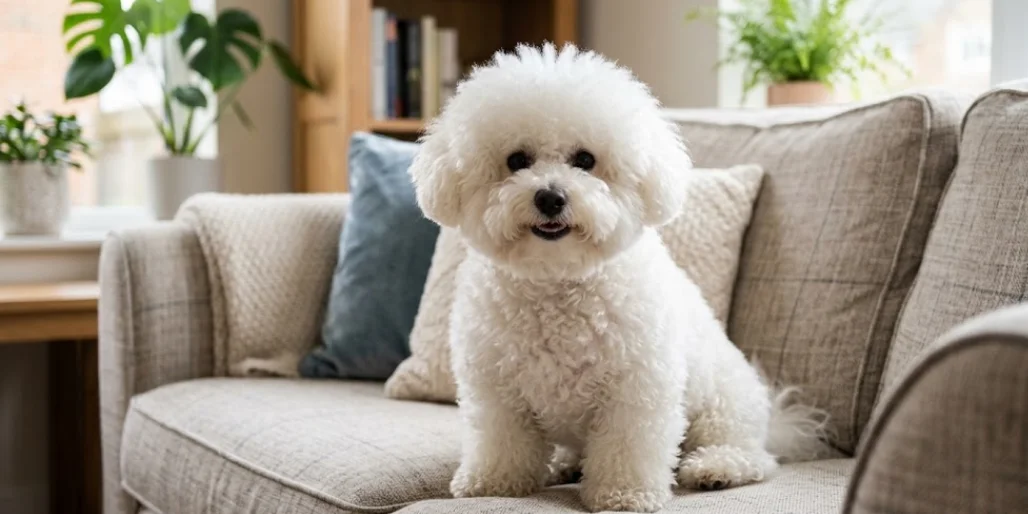
Bichon Frises are a small breed weighing 12-18 pounds, known for their curly white powder-puff coat and cheerful, affectionate temperament. Originating in the Mediterranean centuries ago, they’re intelligent, easy to train, and often considered hypoallergenic, making them a popular choice for apartment living and families with mild allergies.
Get ready to dive into the wonderful world of Bichon Frises!
Introduction to the Bichon Frise
Overview of the Bichon Frise Breed
The Bichon Frise is an absolutely delightful small dog breed known for its cheerful disposition and fluffy white coat. Originating from the Mediterranean, this charming companion dog has captivated hearts for centuries. If you are interested in learning more about this particular dog breed, you have come to the right place for a complete dog breed guide. This dog breed is recognized for:
- Its playful nature
- Its ability to thrive in various living situations, making it a popular choice for families and individuals alike
Characteristics of Bichon Frise Dogs
Bichon Frise dogs are easily recognizable by their distinctive curly, powder-puff coat and their inquisitive dark eyes. They are surprisingly sturdy despite their delicate appearance. Their temperament is generally very affectionate and playful, making them wonderful companions. These Bichons are intelligent and eager to please, which also makes them relatively easy to train, especially with positive reinforcement. Their small size makes them ideal lap dogs.
| Characteristic | Description |
| Size | Small breed |
| Weight | Typically between 12 to 18 pounds |
Why Choose a Bichon Frise?
Choosing a Bichon Frise means bringing a bundle of joy into your life. They are incredibly adaptable, making them suitable for apartment living as well as larger homes. One of their most appealing traits is that they are considered a hypoallergenic dog, making them a great option for individuals with allergies. Furthermore, their cheerful and outgoing personality ensures they’ll quickly become a beloved member of your family. If you’re looking for a devoted, playful, and affectionate companion, the Bichon Frise is an excellent choice. You can find more specific information about breeds like the Bichon Frise in the PawsAndBreeds A-Z Breeds Guide.
Understanding Bichon Frise Temperament
Personality Traits of Bichon Frises
The Bichon Frise temperament is truly one of its most endearing qualities; these small dogs are renowned for their cheerful and affectionate nature. Bichon Frise dogs are typically very outgoing and love to be the center of attention, making them excellent companions for individuals or families. They are also known for being quite playful and eager to please, which makes training a Bichon Frise a rewarding experience. These little Bichons thrive on interaction and often display a lively, curious disposition that will keep you entertained.
Socialization Needs
To ensure a well-adjusted and happy Bichon Frise, proper socialization from a young age is crucial. Exposing Bichon Frise puppies to various sights, sounds, people, and other dogs helps them grow into confident adult dogs. They generally respond well to positive reinforcement during training sessions and benefit from consistent exposure to different environments. Early socialization can prevent shyness or fear, ensuring your Bichon Frise remains adaptable and friendly throughout its life.
Handling Separation Anxiety
Bichon Frises are deeply attached to their families, which can sometimes lead to separation anxiety if they are left alone for extended periods. This small breed thrives on companionship, and a Bichon Frise with separation anxiety might bark excessively or exhibit destructive behaviors. Crate training can be very helpful in creating a safe space for your dog, and providing mental stimulation through toys or puzzles can ease their anxiety. Gradually increasing the time they are left alone, along with consistent training tips, can help your Bichon Frise cope better with being apart from you.
Training Your Bichon Frise
Effective Bichon Frise Training Tips
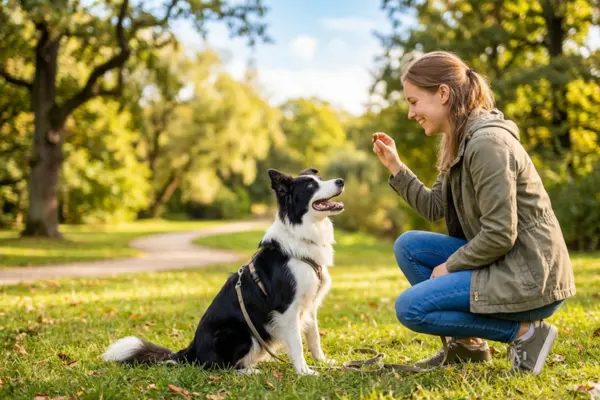
Training a Bichon Frise can be a rewarding experience, and to answer the question of how to get started, it all boils down to consistency and positive reinforcement. These intelligent small dogs are eager to please, making them respond well to clear, consistent commands and rewards. Start with basic obedience commands like “sit,” “stay,” and “come” in short, fun training sessions to keep your Bichon Frise engaged. Using treats and praise will encourage good behavior and strengthen your bond with your furry companion. Remember, patience is key, and celebrating small victories will motivate both you and your Bichon Frise.
Easy to Train: Myths and Facts
The notion that Bichon Frise dogs are inherently easy to train is largely true, but it’s not without its nuances. While their eager-to-please temperament and intelligence make them quick learners, this small breed can also develop stubborn streaks without proper guidance. Factually, Bichons respond exceptionally well to positive reinforcement, thriving on praise and treats. The myth arises when owners expect instant results without consistent effort. With the right training tips and a patient approach, any Bichon Frise can become a well-behaved and delightful companion. Early socialization also plays a crucial role in their adaptability.
Addressing Behavioral Issues
Even the most cheerful Bichon Frise can develop behavioral issues if not properly addressed. Common challenges include excessive barking, house-training accidents, and separation anxiety. To tackle these, consistency in training is paramount. For barking, identify the triggers and use redirection techniques. For house-training, a strict schedule and positive reinforcement for outdoor successes are essential. For separation anxiety, gradually increase the time your Bichon is left alone, incorporating mental stimulation toys and considering crate training to provide a safe space. A professional groomer might also offer behavioral insights during their regular grooming.
Caring for Your Bichon Frise
Exercise Needs for Bichon Frise Dogs
Even though Bichon Frise dogs are a small breed, they still have regular exercise needs to keep them happy and healthy. Daily short walks and playful sessions in a secure area are generally sufficient to meet their requirements. These cheerful little Bichons love to play, so incorporating interactive play sessions with toys can also provide great mental stimulation. While they are adaptable to apartment living, ensuring they get enough opportunities to run around and explore will prevent boredom and maintain their excellent temperament. Regular exercise also contributes to their overall well-being and helps in maintaining a healthy weight.
Grooming Bichon Frises: A Comprehensive Guide
Grooming Bichon Frises is a crucial aspect of their care due to their distinctive curly coat, and it’s essential to understand how to prevent matting. To maintain their fluffy appearance and prevent skin issues, regular grooming is an absolute must for this dog breed. This typically involves daily brushing to remove loose hair and prevent mats from forming. Many Bichon owners opt for professional grooming every 4-6 weeks to ensure their Bichon Frise’s coat is properly trimmed and cared for. This helps maintain their hypoallergenic dog status and keeps them looking their best. A professional groomer can also provide valuable training tips for at-home maintenance.
Common Health Issues and Care
Bichon Frise dogs are generally healthy, but like all breeds, they can be prone to certain health concerns. Regular veterinary check-ups are essential to monitor their well-being throughout their Bichon Frise lifespan. Common issues can include dental problems, allergies, and luxating patella. Providing a high-quality dog food and maintaining a consistent exercise routine can help mitigate some of these risks. Being vigilant about any changes in their behavior or appetite will allow you to address potential health problems early, ensuring your affectionate companion lives a long and happy life. Early detection is key to a long life for your small dog.
Conclusion
Final Thoughts on Bichon Frise Ownership
Owning a Bichon Frise is a truly rewarding experience, offering endless joy and companionship. These small dogs are known for their cheerful and affectionate temperament, making them perfect lap dogs and adaptable family members. While they do require consistent grooming and attention to their exercise needs, the love and laughter they bring into a home are immeasurable. They are generally healthy, easy to train, and good with children, making them an ideal choice for many households. Their eager-to-please nature and charming personality make the commitment to a Bichon Frise worthwhile for any dog owner.
Resources for Bichon Frise Owners
For current and prospective Bichon Frise owners, a wealth of resources is available to help you provide the best possible care for your furry friend. Online forums, breed-specific clubs, and local veterinarians can offer valuable insights into Bichon Frise training, grooming, and health. Understanding the nuances of this small breed, from managing separation anxiety to effective training tips, can significantly enhance your ownership experience. Leveraging these resources ensures you’re well-equipped to handle all aspects of caring for your adaptable and cheerful Bichon Frise, contributing to their overall well-being and happiness.
Introducing PawandBreeds and the Dog A-Z Breeds Guide
If you’re eager to learn more about the Bichon Frise or explore other fascinating dog breeds, PawandBreeds is an excellent resource. Their comprehensive Dog A-Z Breeds Guide offers detailed dog breed information on a wide variety of dogs, including specific care instructions, temperament insights, and exercise needs. Whether you’re researching a new family member or simply curious about different breeds, PawandBreeds provides valuable content to help you make informed decisions. It’s a fantastic place to deepen your understanding of the canine world and find the perfect companion.
FAQ’s
Q: How do I train a bichon frise puppy — any tips on how to train a bichon frise?
A: Start with short, fun sessions (5–10 minutes) using positive reinforcement — treats, praise, and play. Bichons are smart and eager to please, so consistency is key. Socialize early with people and other dogs, crate-train for housetraining, and teach basic commands like sit, stay, and come. If you’re working with an adult bichon, be patient and reward good behavior; an affectionate breed responds best to gentle, upbeat training.
Q: What’s the best routine for grooming bichon frise — where do I start with bichon frise grooming?
A: Grooming a bichon frise is regular work: brush daily to prevent mats, bathe every 3–4 weeks with a gentle dog shampoo, and plan professional trims every 4–8 weeks. Check ears, trim nails, and clean tear stains often. A bichon frise grooming guide helps new owners learn brushing patterns and clip styles. Use a quality slicker brush and comb to get through the fluffy coat.
Q: Are bichon frises good for apartment living since they’re a small breed?
A: Yes — bichon frise is a small, adaptable dog that does well in apartments as long as it gets daily walks, playtime, and mental stimulation. They’re a toy breed vibe in terms of size but still need regular exercise and attention because they’re social dogs who love people.
Q: How much exercise does an adult bichon need and does the breed need a lot of activity?
A: An adult bichon needs moderate exercise — about 30–60 minutes a day split into walks and play. The breed needs mental games, training, and interactive toys to stay happy. Short bursts of activity and regular social outings are enough for this affectionate breed.
Q: What health issues should I watch for in a bichon frise — can you cover health and care basics?
A: Common issues include dental problems, allergies, patellar luxation, and eye conditions. Regular vet check-ups, good oral hygiene, weight management, and parasite prevention are part of health and care. A balanced diet, proper grooming, and safe toys will keep your bichon thriving.
Q: How often should I bathe my bichon and what dog shampoo is best for their coat?
A: Bathe your bichon every 3–4 weeks or when they get dirty. Use a gentle, hypoallergenic dog shampoo formulated for sensitive skin and white coats to prevent staining and irritation. Rinse thoroughly and condition lightly if the coat feels dry.
Q: What should I buy before bringing home a bichon frise — any essential items like a dog bowl?
A: Essentials include a sturdy dog bowl or slow feeder bowl, a comfy bed, leash and harness, toys, grooming tools, and high-quality food. If you’re getting an adult bichon, have dental care supplies ready. A crate and training treats will help with housetraining and behavior.
Q: How social are bichons — are they really social dogs or more independent?
A: Bichon frise is one of those breeds that love company — they’re social dogs and thrive on human interaction. They can get separation anxiety if left alone too long, so plan for companionship or doggy day care if you’re away often. Early socialization makes them confident and friendly.
Q: Can you summarize a quick bichon frise grooming guide for busy owners?
A: Sure — daily brushing to prevent mats, monthly baths with proper dog shampoo, regular trims every 4–8 weeks, ear checks, nail trims, and eye-cleaning for tear stains. Keep a simple kit at home and schedule professional grooming as needed. Stick to a routine and grooming becomes quick and painless for both you and your bichon.