If you’re wondering whether a Black and Tan Coonhound is the right dog breed for you, this guide is here to help! We’ll explore everything from their unique temperament to essential care tips and distinctive traits, ensuring you have all the information needed to make an informed decision about welcoming this wonderful hound into your home.
Introduction to the Black and Tan Coonhound
Overview of the Breed
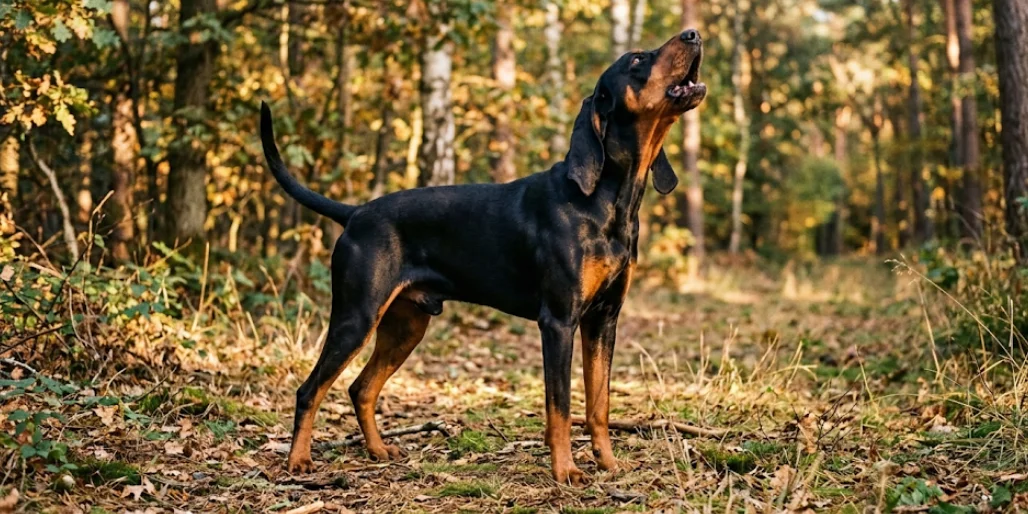
The Black and Tan Coonhound is a truly distinctive American breed, easily recognizable by its sleek black coat adorned with rich, contrasting tan markings. This dog breed is renowned for its remarkable endurance and an exceptional sense of smell, making it a formidable hunter. Often celebrated for its laid-back demeanor indoors, this hound transforms into an energetic, tenacious tracker when outdoors.
History of Black and Tans
Tracing back to the crossbreeding of Bloodhounds and Foxhounds, the Black and Tan Coonhound emerged as a unique American breed. This deliberate pairing aimed to combine the Bloodhound’s superior scenting abilities with the Foxhound’s speed and endurance. The development of these black and tans was primarily driven by the need for a resilient dog capable of navigating diverse terrains.
Purpose and Use in Hunting
Originally, the Black and Tan Coonhound was specifically bred for tracking and treeing raccoons, a task it performs with remarkable skill and an unmistakable bay. This black and tan coonhound dog breed possesses an innate drive to follow scents over long distances, demonstrating incredible stamina. Their distinct, melodious bark is a signature trait, signaling to hunters when they’ve successfully treed their quarry.
Temperament of Black and Tan Coonhounds
Behavioral Traits
The temperament of a Black and Tan Coonhound is often described as amiable and easygoing when they are at home, contrasting sharply with their focused intensity in the field. These black and tan coonhounds are known for their deep devotion to their families, displaying a calm and tolerant nature. However, their strong hunting instincts mean they require consistent training sessions and secure environments.
Socialization Needs
Early and consistent socialization is crucial for Black and Tan Coonhound puppies to develop into well-adjusted adult dogs. Exposing them to a variety of people, places, and other animals from a young age helps to foster their naturally friendly disposition. This process is essential to ensure they grow up to be confident and comfortable in different situations, enhancing their already pleasant temperament.
Interaction with Families and Children
Black and Tans generally do very well with families and are often incredibly patient and gentle with children. Their calm demeanor indoors makes them suitable companions, enjoying relaxed moments with their loved ones. However, due to their size and potential for boisterous play, supervision is always recommended when they are interacting with very young children.
Care Requirements for Black and Tan Coonhounds
Exercise Needs
To keep your Black and Tan Coonhound happy and healthy, consistent exercise is paramount. These hounds possess significant stamina and require daily opportunities to burn off energy. A secure, fenced yard is ideal for them to roam freely, but daily walks on a leash are also essential to satisfy their natural curiosity and provide mental stimulation. Remember, a tired Black and Tan is a well-behaved Black and Tan.
Grooming the Black and Tan Coonhound
Grooming a Black and Tan Coonhound is relatively straightforward, thanks to their short, dense coat. Regular brushing, about once a week, helps to remove loose hair and keep their coat in good condition. However, their long, pendulous ears require special attention to prevent ear infections. Checking and cleaning their ears regularly is crucial, as is trimming their nails and maintaining good dental hygiene.
Nutritional Needs
Providing the right nutrition is key for the overall health of your Black and Tan Coonhound. A high-quality dog food formulated for large, active breeds is recommended. The amount of food will depend on their age, activity level, and individual metabolism. Always consult with your veterinarian to determine the best diet and portion sizes, ensuring your black and tan coonhound receives all the necessary nutrients for a robust life.
Black and Tan Coonhound Puppies
Choosing a Puppy
When considering Black and Tan Coonhound puppies, it’s vital to choose a reputable breeder. A good breeder will prioritize the health and temperament of their dogs, providing transparent information about the puppy’s parents and health clearances. Look for a puppy that appears energetic, curious, and well-socialized, as these are indicators of a well-adjusted black and tan coonhound dog that will thrive in your home.
Early Training Tips
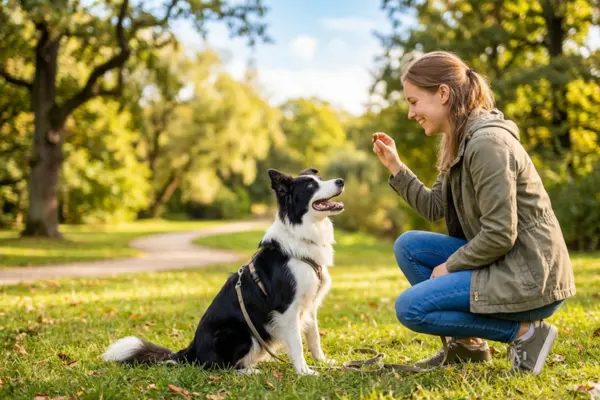
Early training sessions are crucial for Black and Tan Coonhound puppies to develop into well-mannered adult dogs. Start with basic obedience commands like ‘sit,’ ‘stay,’ and ‘come’ using positive reinforcement methods. Their strong sense of smell and hunting instincts mean consistent leash training is essential to prevent them from bolting after a scent. Socialization during this period is also key to a confident temperament.
Developmental Milestones
Black and Tan Coonhound puppies go through several developmental milestones, from opening their eyes and taking their first steps to learning crucial social skills. Monitoring these stages helps dog owners understand their puppy’s growth and anticipate their needs. By providing a nurturing environment and consistent training, you’ll help your black and tan coonhound breed puppy grow into a well-adjusted and beloved family member. For more breed information, you can check out the Pawandbreeds Dog A-Z Breeds Guide.
Similar Breeds to Consider
Comparative Traits
When considering a black and tan coonhound, it’s natural to explore other similar dog breeds that share some of their endearing qualities. Breeds like the bluetick coonhound, with its striking markings, or even the redbone coonhound, known for its vocal nature, might come to mind. While all coonhounds share a strong sense of smell and hunting instincts, the American black and tan coonhound stands out with its distinctive temperament and laid-back demeanor indoors, making it a unique choice among its hound cousins.
Breed Clubs and Resources
For those deeply interested in the black and tan coonhound breed, connecting with breed clubs and reputable resources is invaluable. Organizations like the American Black and Tan Coonhound Club offer a wealth of breed information, from health guidelines to finding responsible breeders. These clubs are dedicated to preserving the breed standard and can provide guidance on everything from training sessions to understanding the nuances of the black and tan coonhound’s unique bark.
Dog Sports for Active Breeds
Given the black and tan coonhound’s energy and drive, dog sports are an excellent way to provide mental stimulation and physical exercise. Scent work, tracking, and even agility can tap into their natural hunting instincts and exceptional sense of smell, making them excel in these activities. Participating in such sports not only strengthens the bond between dog and owner but also ensures your black and tan coonhound dog remains happy and well-adjusted, preventing boredom and potential behavioral issues.
Conclusion
Summary of Key Points
Throughout this guide, we’ve explored the fascinating world of the black and tan coonhound, from their rich history as a cross between bloodhound and foxhound to their distinctive black and tan markings. We’ve highlighted their dual temperament – a calm, devoted companion indoors and a tenacious hunter outdoors – emphasizing the importance of early socialization, consistent training sessions, and ample exercise. Proper grooming, especially for their ears, and a high-quality dog food are also crucial for their overall well-being.
Final Thoughts on Black and Tan Coonhound Care
Caring for an adult black and tan coonhound means embracing their unique needs, from providing a secure, fenced yard to satisfying their strong hunting instincts with engaging activities. Dog owners must be prepared for their melodious bark and their tendency to follow scents over long distances, making leash training essential. With patience, positive reinforcement, and a deep understanding of this American breed, a black and tan coonhound will undoubtedly become a cherished and loyal family member.
References to PawandBreeds and the Dog A-Z Breeds Guide
For more comprehensive breed information and to explore other dog breeds, be sure to visit Pawandbreeds. Their Dog A-Z Breeds Guide offers a wealth of knowledge, helping prospective dog owners make informed decisions about their next canine companion. Whether you’re researching black and tan coonhound puppies or simply curious about various dog breeds, Pawandbreeds is an excellent resource to deepen your understanding and appreciation of our furry friends.
FAQ’s
Q: What kind of dog is a Black and Tan Coonhound anyway?
A: It’s basically the classic American breed developed for tracking raccoons (aka “coon” hunting) and other critters through rough terrain. This is a true hunting breed at heart, bred to follow a scent for miles without giving up. Even if yours never sees a forest, that nose-driven instinct is baked right in.
Q: Are they a good fit for families or more of a hunter’s dog only?
A: Honestly, they can be a great fit for families if you know what you’re getting into. They’re friendly, kind of goofy, and do well with other dogs, which makes them fun in a house with multiple pets. That said, their large size and big energy levels mean they do best with people who have space and patience for a hound breed that isn’t exactly dainty.
Q: What’s the deal with their scent drive? Is it really that strong?
A: Yeah, it’s intense. Scent drive is basically their whole personality. If they catch an interesting smell, they will follow a scent and completely tune out everything else, including you calling their name. This is why a securely fenced yard isn’t optional, it’s mandatory. Never trust an open fenced area with a coonhound unless it’s actually escape-proof.
Q: Is training a Black and Tan Coonhound difficult?
A: It can be a bit of a challenge, not because they’re dumb (they’re actually smart), but because that nose takes over their brain sometimes. Training a black and tan works best with consistency, patience, and lots of positive reinforcement. Recall training especially needs to start early and stay a lifelong project, since their instinct to chase a smell will always compete with listening to you.
Q: What health conditions should owners watch out for?
A: Like most large breed dogs, they can be prone to hip dysplasia, so keeping them at a healthy weight and not overdoing puppy exercise helps a ton. There’s also something specific to the breed called coonhound paralysis, which is rarer but worth knowing about since it’s a temporary paralysis condition linked to certain infections or exposures. A good vet who knows hound breeds can help you catch these health conditions early.
Q: What does a typical tan coonhound grooming routine look like?
A: Good news here, grooming is pretty low maintenance. They have a short coat that just needs a quick brush with a grooming mitt once a week to cut down on shedding. Where you actually need to pay attention is the ears, since coonhounds are prone to ear infections thanks to those long floppy ears trapping moisture. Regular ear cleaning should be a non-negotiable part of your routine, not an afterthought.
Q: Any specific tips from a tan coonhound grooming guide worth knowing?
A: Most guides will tell you the same core things: use a rubber grooming mitt for the short coat, check and clean ears weekly, trim nails regularly since they’re an active breed, and keep an eye on skin folds around the face. It’s not complicated, just consistent. Fifteen minutes a week keeps them looking and feeling great.
Q: How much exercise and mental stimulation do they actually need?
A: A lot, honestly. These are working dogs by nature, so exercise and mental stimulation are non-negotiable if you don’t want a bored, destructive coonhound on your hands. Long walks, scent games, puzzle toys, and secure off-leash time (in a truly fenced area) all help burn off that energy. A tired coonhound is a happy, well-behaved coonhound.
Q: Should I feed my coonhound puppy differently than an adult dog?
A: Yes, definitely. Puppy food formulated for large breed puppies is important because it controls growth rate, which helps protect their joints and reduces the risk of hip dysplasia later on. Don’t just eyeball portions, follow feeding guidelines and check in with your vet about the right transition timeline to adult food.
Q: Is there an actual black and tan coonhound club I can join for support or info?
A: Yep, there’s a dedicated black and tan coonhound club (affiliated with the AKC) that’s a fantastic resource for breed-specific info, health research updates, and connecting with other owners. Whether you’re into hunting with your dog or just want a solid support community for socialization and training tips, groups like this are worth checking out.