Thinking about bringing a Bluetick Coonhound into your home? This comprehensive breed guide will help you understand everything you need to know about these fascinating dogs, from their unique temperament and specific care requirements to effective training tips, ensuring a harmonious life with your new companion. Let’s dive into the world of Bluetick Coonhounds!
Understanding the Bluetick Coonhound
Breed Overview
The Bluetick Coonhound is a striking and intelligent breed, renowned for its distinctive appearance and vocal nature. These dogs are primarily scent hounds, historically bred for trailing and treeing raccoons and other small game. Their impressive stamina and keen sense of smell make them exceptional working dogs, but they also possess an affectionate and loyal temperament that makes them wonderful family pets for the right owners. Understanding the breed standard is crucial for appreciating their unique qualities.
History and Origin
The history of the Bluetick Coonhound is deeply rooted in the American South, where they were developed from a mix of French hounds, English Foxhounds, and various other scent hounds. Their ancestry includes the Grand Bleu de Gascogne, which contributes to their characteristic dark blue mottle and blue ticking. The breed was officially recognized by the United Kennel Club (UKC) in 1946 and later by the AKC, establishing their place among beloved dog breeds. This rich heritage explains much about the Bluetick Coonhound’s abilities and instincts.
Physical Characteristics
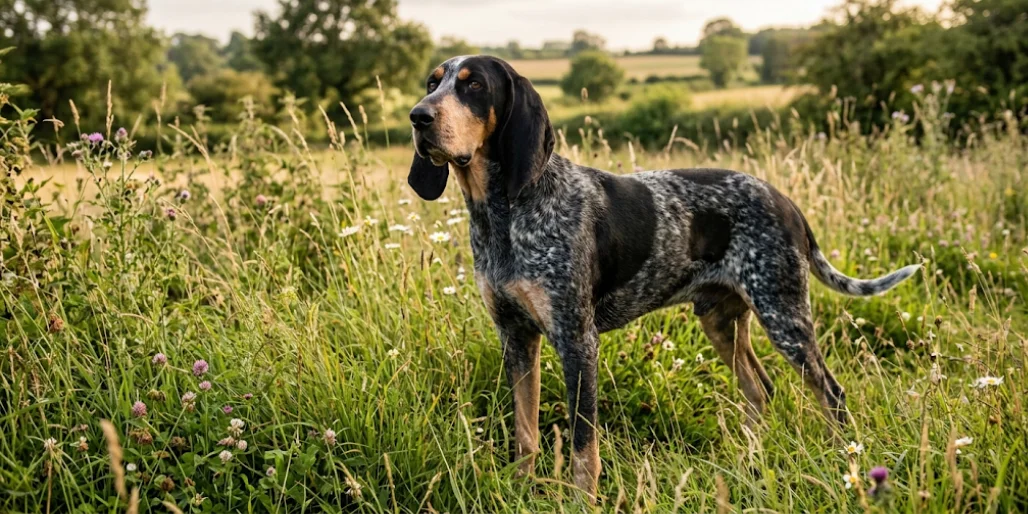
Bluetick Coonhounds are well-muscled dogs, boasting a sturdy and athletic build that reflects their working heritage. Their most defining feature is their striking coat, which showcases a dark blue mottle with blue ticking, often complemented by black and tan markings. They possess long, pendulous ears and soulful eyes that contribute to their endearing expression. The physical characteristics of Blueticks are an unmistakable hallmark, perfectly suited for their demanding activity level.
Temperament of Bluetick Coonhounds
Personality Traits
The personality of a Bluetick Coonhound is a delightful blend of independent spirit and unwavering affection. While they are highly driven scent hounds with a strong prey drive, often expressing themselves with a characteristic bawl or bay, Blueticks are also incredibly affectionate with their families. They thrive on companionship and can be quite playful. Their keen intelligence means they require plenty of mental stimulation to prevent boredom, making them a captivating breed to live with.
Socialization Needs
Early and consistent socialization is paramount for Bluetick Coonhounds to ensure they grow into well-adjusted and confident adults. Exposing puppies to a variety of experiences from a young age helps to mitigate their natural wariness and strong prey drive. This includes:
- A variety of sights and sounds
- Different people and other dogs
Proper socialization ensures that Blueticks learn appropriate responses to new situations and helps them to be more comfortable in different environments, preventing potential behavioral issues and fostering a positive temperament.
Interaction with Families and Children
Bluetick Coonhounds can be wonderful family dogs, particularly when raised with children. They are generally patient and tolerant, forming strong bonds with their human pack. However, due to their size and enthusiastic nature, supervision is always recommended during interactions with very young children to prevent accidental knocks or tumbles. Their affectionate nature makes them eager participants in family activities, and they often enjoy being involved in everything their family does, solidifying their role as cherished companions.
Training Tips for Bluetick Coonhounds
Starting Training Early
Starting training early with your Bluetick Coonhound puppy is absolutely crucial for shaping a well-behaved and happy companion. From the moment you bring your Bluetick Coonhound into your home, it’s important to begin with basic obedience commands. Early training sessions help establish you as the leader and lay the groundwork for a responsive and manageable adult hound. Remember, a Bluetick’s trainability is best harnessed when training begins young. You should focus on commands such as:
- “sit”
- “stay”
- “come”
Positive Reinforcement Techniques
Positive reinforcement is the most effective approach when training Bluetick Coonhounds. These intelligent scent hounds respond wonderfully to rewards, whether it’s treats, praise, or their favorite toy. Focus on making training sessions fun and engaging, reinforcing desired behaviors immediately. This method strengthens your bond and encourages your Bluetick to eagerly participate, making it a powerful tool for teaching everything from basic commands to advanced scent work, and is far more effective than punishment.
Common Training Challenges
Bluetick Coonhounds can present a few common training challenges due to their strong prey drive and independent nature. Their incredible noses mean they are easily distracted by interesting scents, which can make recall difficult in an unfenced area. Consistency and patience are key, especially when dealing with their characteristic bawl or bay. Address barking, digging, and wandering early on to ensure a well-adjusted Bluetick. Remember, dogs of this breed need firm, consistent guidance.
Care Requirements for Bluetick Coonhounds
Grooming Needs
Grooming a Bluetick Coonhound is relatively straightforward due to their short, dense coat. Regular brushing, about once a week, helps to minimize shedding and keep their dark blue mottle and blue ticking looking its best. Pay close attention to their long, pendulous ears, cleaning them regularly to prevent infections. Routine nail trims and dental care are also essential for the overall health and well-being of your Bluetick, ensuring they stay comfortable and clean.
Exercise and Activity Levels
Bluetick Coonhounds need significant exercise to thrive; their activity level is high. As well-muscled scent hounds, they require at least an hour or two of vigorous activity daily, whether it’s long walks, hiking, or dedicated scent work. A securely fenced yard is non-negotiable for Blueticks, as their powerful prey drive makes them prone to trailing interesting scents. Adequate mental stimulation, alongside physical exercise, is vital to prevent boredom and destructive behaviors in this breed.
Lifespan and Health Considerations
The average lifespan of a Bluetick Coonhound is typically 10 to 12 years. While generally a hardy breed, Blueticks can be prone to certain health conditions, including hip dysplasia, ear infections, and bloat. Regular veterinary check-ups, a balanced diet, and maintaining a healthy weight are crucial for their longevity. Understanding potential health issues allows you to be proactive in their care, ensuring your affectionate Bluetick Coonhound dog lives a long and healthy life. For more detailed information, consult the AKC breed guide or your breeder.
Common Health Issues in Bluetick Coonhounds
Genetic Predispositions
While generally robust, Bluetick Coonhounds can be predisposed to certain genetic health issues, much like many purebred dogs. Conditions such as hip dysplasia and elbow dysplasia are observed in the breed, affecting their mobility. Understanding these genetic predispositions is vital for prospective owners, as responsible breeders will screen their breeding stock to minimize the passing on of these traits. Being aware of these potential issues allows for early detection and management, ensuring your Bluetick lives comfortably.
Regular Health Checks
Regular health checks with a trusted veterinarian are paramount for maintaining the well-being of your Bluetick Coonhound. Annual check-ups help monitor their overall health, detect any developing issues early, and ensure they are up-to-date on vaccinations and parasite prevention. Given their long, pendulous ears, Blueticks are also prone to ear infections, making regular ear cleaning and vet checks essential to prevent discomfort and more serious problems. These routine visits are key to a long lifespan.
Maintaining a Healthy Lifestyle
Maintaining a healthy lifestyle for your Bluetick Coonhound involves a combination of a balanced diet, consistent exercise, and appropriate mental stimulation. Their high activity level demands a high-quality diet tailored to their energy needs. Preventing obesity is crucial, as excess weight can exacerbate conditions like hip dysplasia. Plenty of outdoor activities, including scent work, will keep your well-muscled hound physically fit and mentally engaged, contributing significantly to their overall health and happiness.
Finding a Bluetick Coonhound Breeder
What to Look For in a Breeder
When searching for a Bluetick Coonhound breeder, it’s crucial to look for someone who prioritizes the health and temperament of their dogs above all else. A reputable breeder will be transparent about their breeding practices, provide health clearances for their breeding dogs (checking for conditions like hip dysplasia), and welcome questions. They should also be knowledgeable about the breed standard and committed to finding suitable homes for their puppies, ensuring the Bluetick Coonhound breed thrives. Avoid breeders who cannot provide such documentation.
Questions to Ask
Don’t hesitate to ask a potential Bluetick Coonhound breeder a wide range of questions. A good breeder will be happy to answer thoroughly, providing insights into the Bluetick’s unique characteristics and ensuring you are prepared for a Bluetick Coonhound in your home. You should inquire about several key areas, including:
- The health history and temperament of the parent dogs.
- How the puppies are socialized.
- Their experience with the Bluetick breed and their training methods.
- The kind of support they offer after you bring a puppy home.
Importance of Responsible Breeding
Responsible breeding is the cornerstone of preserving the health, temperament, and integrity of the Bluetick Coonhound breed. A responsible breeder focuses on improving the breed, screening for genetic conditions, and ensuring puppies are well-socialized. This approach helps prevent common health issues and ensures that each Bluetick puppy has the best possible start in life, contributing to the overall well-being and positive reputation of Bluetick Coonhounds. Such breeders truly embody the spirit of the AKC breed guide.
Conclusion
Summary of Key Points
The Bluetick Coonhound is an affectionate, well-muscled, and intelligent scent hound with a distinctive dark blue mottle and blue ticking. They require early training with positive reinforcement, significant exercise due to their high activity level, and consistent grooming, including ear care. Understanding their genetic predispositions and ensuring regular vet checks contribute to their average lifespan of 10-12 years. Responsible breeders are key to bringing a healthy Bluetick Coonhound into your home.
Resources for Bluetick Coonhound Owners
For Bluetick Coonhound owners, a wealth of resources is available to support you on your journey. The United Kennel Club (UKC) and the AKC breed guide offer comprehensive information on breed standards, history, and health. Local breed clubs provide a community for sharing training tips and experiences. Online forums and veterinary resources can also offer valuable advice on everything from diet to addressing common training challenges, like managing their strong prey drive, ensuring a happy Bluetick.
Paw and Breeds Recommendation
For more in-depth information on Bluetick Coonhounds and other dog breeds, Pawandbreeds is an excellent resource. Their Dog A-Z Breeds Guide provides detailed insights into various breeds, including specific care requirements, temperament traits, and health considerations. It’s an invaluable tool for both prospective and current dog owners looking to expand their knowledge and ensure they provide the best possible care for their beloved companions, including our beloved Blueticks.
FAQ’s
Q: What exactly is a Bluetick Coonhound and why should I check out this Bluetick Coonhound breed guide?
A: A Bluetick Coonhound is a distinct breed of scenthound that hails from the southern United States, originally bred for hunting raccoons and other game. This Bluetick Coonhound breed guide covers everything from temperament to daily care so you know exactly what you’re getting into before bringing one of these hounds home. They’re not just hunting dogs though, they’ve become beloved family companions for tons of households.
Q: What does a Bluetick Coonhound actually look like?
A: These are medium to large dogs, typically standing 21-25 inches at the shoulder (some sources say up to 27 inches for bigger males), and weighing anywhere from 45–80 pounds. Their coat is thickly mottled and shows a combination of black and blue coloring, honestly some dogs look more blue than black depending on the individual. You’ll usually see darker patches on the head and tail, with lighter ticking on the feet and lower legs, plus some black markings on the face and legs too.
Q: Are Bluetick Coonhounds good with families or are they too much of a working hound?
A: Despite their hunting background, Blueticks make surprisingly great companions for families. They’re known for their friendly, loyal nature and they bond hard with their people. Sure, they were bred for work and tracking activities, but that same devotion translates really well into being a chill canine companion at home too. Just know they still have that hound instinct buried in there.
Q: What’s this “cold-nose” thing I keep hearing about with coonhounds?
A: A cold-nose scenthound refers to a dog’s ability to follow scent trails that are old or “cold,” meaning the trail was laid down hours or even days before. Bluetick Coonhounds are famous for this skill. Basically coonhounds may follow their nose for miles even when a scent trail has gone stale, which is exactly why they were so prized for hunting raccoons at night.
Q: How much exercise does a Bluetick Coonhound actually need?
A: A lot, honestly. These dogs need regular exercise to stay happy and avoid destructive behavior. We’re talking daily walks, runs, or some kind of active playtime, not just a quick five minute stroll around the block. Their hound instincts mean they’ve got serious stamina, so if you’re not an active person this breed might wear you out before you wear them out.
Q: Do Bluetick Coonhounds get along with other dogs and pets?
A: For the most part yes, especially if you start early socialization when they’re puppies. Since they were traditionally used as pack hunting dogs, they generally do fine with other dogs. Small pets like cats might trigger their prey drive though, since remember, they’re a scenthound bred to chase things down. Early exposure to different animals and situations really helps smooth this out.
Q: How much grooming does their coat actually require?
A: Not too bad honestly. To keep their coat looking good you just need weekly brushing to remove loose hair and dirt, plus occasional baths when they get into something smelly (and with a hunting dog, they will). Check their ears often too since floppy-eared hounds are prone to ear infections. Overall it’s a pretty low-maintenance coat compared to some other breeds.
Q: What’s the average lifespan of a Bluetick Coonhound?
A: You can expect your Bluetick Coonhound to live around 11–12 years on average with proper care, decent nutrition, and regular vet checkups. Like most medium to large breeds, keeping them at a healthy weight (staying in that 45-80 pounds range without going overboard) helps a ton with joint health and overall longevity.
Q: Is a Bluetick Coonhound the right choice for a first-time dog owner?
A: It can work, but it really depends on your lifestyle. If you’re active, have some outdoor space, and are willing to commit to early socialization and consistent training, a Bluetick Coonhound could be an awesome beloved family addition. That said, their independent hound mindset and tendency to follow their nose (sometimes right over a fence) means they need a patient owner who won’t get frustrated easily. Not the best pick for someone wanting a low-energy couch potato dog.