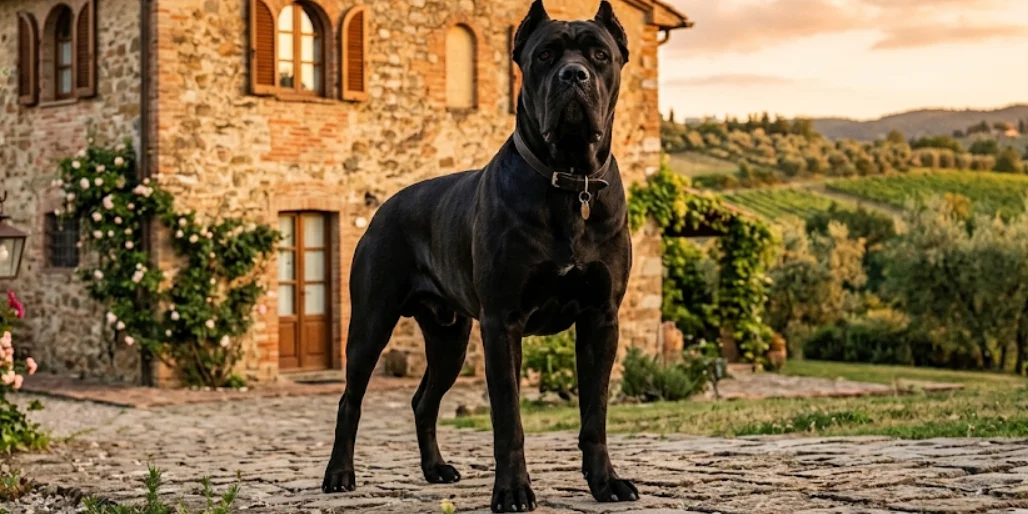
Cane Corsos are a large, muscular Italian breed descended from Roman war dogs, historically used for guarding property and herding cattle on farms. Confident, intelligent, and fiercely loyal to family, they’re natural guardians who need early socialization and consistent training to channel their protective instincts constructively.
Cane Corso Overview
History and Origin of Cane Corso
The Cane Corso, an ancient Italian breed, boasts a fascinating history rooted in guarding and working roles. Descended from Roman war dogs, these muscular canines were once integral to farm life, herding cattle and protecting property. The breed faced near extinction but experienced a remarkable revival thanks to dedicated enthusiasts, leading to its recognition by the American Kennel Club (AKC) and the Cane Corso Association of America.
Physical Characteristics of Cane Corsos
Cane Corsos are truly impressive large dogs, known for their powerful, muscular build and distinctive appearance. Their short, dense coat comes in various colors, including black, fawn, and brindle, and they typically have a substantial head. While not excessive, Cane Corsos do shed, especially during shedding season, so be prepared for regular brushing to keep their coat healthy and minimize loose fur. Their expressive eyes often have a watchful intensity.
Cane Corso Lifespan and Health Considerations
The typical lifespan for a Cane Corso ranges from 10 to 12 years, making them a significant long-term commitment. Like many giant breed dogs, Cane Corsos can be prone to certain health conditions such as hip dysplasia and bloat, a serious and life-threatening condition. Choosing a reputable breeder who screens for these issues is crucial for ensuring a healthy puppy. Proper nutrition with high-quality dog food, including puppy food for young Cane Corso puppies, is also vital for their overall well-being.
Cane Corso Temperament
Understanding Cane Corso Behavior
The Cane Corso temperament is often described as confident, intelligent, and fiercely loyal to their family. These big dogs are known for being affectionate with their loved ones, yet possess a natural guardian breed instinct, making them excellent guard dogs. Early socialization and consistent positive reinforcement training are essential to harness their eager-to-please nature and ensure they develop into well-mannered adult dogs.
Socialization Needs of Cane Corsos
Early socialization is paramount for Cane Corso puppies to prevent potential behavioral issues and ensure they grow into well-adjusted companions. Exposing your Cane Corso puppy to various sights, sounds, people, and other animals from a young age is crucial. Supervise your Cane Corso during these interactions, always making them positive experiences. This early socialization will lay the foundation for a confident and secure dog, preventing fear or aggression towards new situations.
Cane Corso as a Working Dog
The Cane Corso is a working breed through and through, meaning they thrive with a purpose and require both physical and mental stimulation. Their intelligence and strong drive make them excel in various dog sports and activities, from obedience training to protection work. Without adequate stimulation, a Cane Corso can become bored and potentially destructive. Providing a consistent outlet for their energy and mental capabilities is key to keeping your Cane Corso happy and well-behaved, embracing their inherent desire to work.
Cane Corso Care and Grooming
Cane Corso Grooming Guide
Maintaining your Cane Corso’s coat is relatively straightforward due to their short, dense fur, but regular grooming is still essential. A weekly brush with a rubber curry comb or a de-shedding tool will help manage shedding, especially during shedding season. While they don’t require frequent baths, an occasional wash with a good dog shampoo will keep their coat healthy and shiny. Don’t forget nail trims and checking their ears regularly to prevent infections.
Diet and Dog Food Recommendations
Feeding your Cane Corso a high-quality, balanced diet is paramount for their overall health and development. As a large and muscular breed, they require dog food formulated for giant breed dogs, supporting their bone and joint health. Puppy food specifically designed for large breeds is crucial for Cane Corso puppies to ensure proper growth and prevent conditions like hip dysplasia. Always consult your vet for personalized dietary advice, especially concerning bloat prevention.
Cane Corso Shed Management
While Cane Corsos are not excessive shedders, they do shed, particularly during seasonal changes. To effectively manage the shed, regular brushing is your best friend. Using a suitable brush, like a de-shedding tool, once or twice a week will significantly reduce loose fur around your home. A healthy diet also contributes to a healthy coat, minimizing shedding. Regular grooming sessions will keep your Cane Corso looking their best.
Training Cane Corso Dogs
Easy to Train: Training Tips for Cane Corsos
Despite their imposing size, Cane Corsos are intelligent and eager to please, making them relatively easy to train with the right approach. Early socialization is crucial for Cane Corso puppies to ensure they grow into well-adjusted adult dogs. Consistent positive reinforcement, short and engaging training sessions, and patience are key. Focus on basic obedience training from a young age to establish clear boundaries and build a strong bond with your Cane Corso.
Basic Obedience Training for Cane Corso Puppies
Starting basic obedience training early with Cane Corso puppies is vital for their development into well-mannered companions. Commands like sit, stay, come, and heel should be introduced with positive reinforcement, using treats and praise. Given their intelligent nature, Cane Corso puppies will quickly pick up on these lessons. Consistent practice and making training fun will help solidify their understanding and establish you as a confident leader for your Cane Corso dog.
Adopting a Cane Corso: What to Know
Adopting a Cane Corso is a significant commitment, and understanding their specific dog needs is crucial. These are not “set it and forget it” dogs; they require a dedicated owner who can provide consistent training, early socialization, and plenty of physical and mental stimulation. Researching reputable breeders or rescue organizations is important. Be prepared for a loyal, protective, and affectionate companion who will thrive with a clear structure and plenty of love. For further comprehensive dog breed information, check out the Dog A-Z Breeds Guide by Pawandbreeds.
Cane Corso Puppies
What to Expect with Cane Corso Puppies
Bringing home Cane Corso puppies is an exciting time, but it’s essential to be prepared for the specific needs of this large and powerful Italian breed. These affectionate little bundles will quickly grow into muscular adult dogs, requiring early socialization and consistent positive reinforcement training from day one. Expect boundless energy and a keen intelligence, which means plenty of mental and physical stimulation will be crucial to their development.
Caring for Your Cane Corso Puppy
Caring for your Cane Corso puppy involves more than just providing puppy food; it’s about setting the foundation for a well-adjusted adult dog. Early socialization with various people, places, and other animals is paramount. Consistent obedience training, using positive reinforcement, will help your Cane Corso puppies understand boundaries. Regular vet check-ups are also vital to monitor for potential health conditions like hip dysplasia and ensure they are growing into a healthy breed.
Choosing the Right Cane Corso Puppy
When choosing a Cane Corso puppy, finding a reputable breeder is incredibly important. A good breeder will prioritize the health and temperament of their Cane Corso dogs, screening for common health conditions and providing early socialization. Look for Cane Corso puppies with clear eyes, a playful demeanor, and a solid build. Observing the parents’ temperament can also give you insight into what to expect from your future companion.
Conclusion
Final Thoughts on Cane Corso Dogs
The Cane Corso is a truly magnificent and loyal guardian breed, making an incredible companion for the right owner. Their unwavering devotion, combined with their muscular build and intelligent nature, means they thrive with consistent training, early socialization, and plenty of mental and physical stimulation. While they require commitment, the reward of having a confident, affectionate, and protective Cane Corso dog by your side is immeasurable.
Resources for Cane Corso Owners
For current and prospective Cane Corso owners, a wealth of resources is available to support you on your journey. Connecting with the Cane Corso Association of America or other breed-specific clubs can offer invaluable advice and community support. Reputable breeders often provide ongoing guidance, and your veterinarian is a crucial partner for health advice, including how to prevent bloat or manage shedding. Always seek out credible information to keep your Cane Corso happy and healthy.
Explore Paw and Breeds and the Dog A-Z Breeds Guide
To delve deeper into the world of canine companions, including more detailed information on the Cane Corso dog breed and other large dogs, be sure to explore Paw and Breeds. Their comprehensive Dog A-Z Breeds Guide offers valuable insights into various breeds, covering everything from temperament and care to health considerations and historical background. It’s an excellent resource for anyone looking to understand dog needs better or considering adding a new puppy to their family.
FAQ’s
Q: What exactly is a Cane Corso and where does this breed come from?
A: The Cane Corso is a powerful, large Italian breed that originally worked as a guardian and hunting dog back in Italy. Nowadays it’s recognized by the American Kennel Club and has become super popular as a family protector. These dogs are intelligent, loyal, and honestly pretty impressive to watch move around – they’ve got that classic muscular build that just screams strength.
Q: Is a Cane Corso the right dog for a first-time owner?
A: Honestly? Probably not the best pick if you’ve never owned a dog before. Cane Corsos need an owner who’s confident, consistent, and willing to put in serious training time from puppyhood. They’re smart (sometimes too smart for their own good) and can develop stubborn habits if you don’t stay on top of things. If you’re set on getting one anyway, working with a trainer early on can make a huge difference in whether this breed is the right fit for your household.
Q: What should I know about Cane Corso health issues?
A: When it comes to Cane Corso health, this breed is generally healthy dogs overall, but like most large breeds they do have some health concerns to watch for. Hip and elbow dysplasia are common due to their size, and some Corsos can develop eyelid issues like entropion where the eyelid rolls inward and irritates the eye. Bloat is another thing owners need to be aware of since it’s common in deep-chested breeds like this one.
Q: Can Cane Corsos get epilepsy or seizures?
A: Yeah, unfortunately idiopathic epilepsy does show up in this breed sometimes. It basically means seizures happen without a clear identifiable cause. The good news is that it’s usually managed with medication once diagnosed, and plenty of dogs go on to live pretty normal lives with proper veterinary care and monitoring.
Q: How do I keep my Cane Corso healthy long term?
A: Keeping up with cane corso health basically comes down to the basics done consistently – regular vet checkups, good nutrition, and making sure you maintain a healthy weight for your dog since extra pounds put more strain on their joints. Exercise is huge too. A lot of owners get into agility training with their Corsos because it keeps them physically fit and mentally stimulated at the same time.
Q: What’s the temperament like – are Cane Corsos aggressive?
A: Not aggressive by nature, but they are naturally protective and can be wary of strangers if they’re not properly socialized early on. Cane Corsos are generally calm, confident dogs at home with their families but they take their guardian role seriously. Early socialization and training are non-negotiable if you want a well-balanced adult dog.
Q: What does the breed standard say about how a Cane Corso should look?
A: The breed standard describes a large, muscular dog with a big block-shaped head, short coat, and an overall athletic, powerful appearance. Colors can range from black and gray to fawn and red, sometimes with a brindle pattern. If you want to learn more about the Cane Corso’s specific physical traits, checking the official breed standard docs from kennel clubs is a great place to start.
Q: Should I adopt from a breeder or look into Cane Corso rescue organizations?
A: Both are solid options honestly! Reputable breeders can show you health testing on the parents which helps avoid future problems, but cane corso rescue organizations are amazing if you want to give an adult dog a second chance. Rescues often already know the dog’s temperament, which can actually make placement easier for families.
Q: How much exercise does a Cane Corso actually need?
A: These dogs aren’t couch potatoes – they need daily exercise to stay happy and avoid destructive behavior out of boredom. Long walks, playtime in a fenced yard, and even structured activities like agility training work great. Remember, a tired Corso is a well-behaved Corso.
Q: Are Cane Corsos good with kids and other pets?
A: When raised with proper socialization from puppyhood, Cane Corsos can be awesome with kids and pretty gentle within their own family unit. That said, their size alone means supervision around small children is important. As for other pets, early exposure helps a ton, though their strong prey drive means small animals might need careful introductions.