Discover everything you need to know about the Entlebucher Mountain Dog, a medium-sized breed brimming with loyalty and spirit. This guide covers their characteristics, history, and what makes them such cherished companions.
Introduction
Overview of the Breed
Often simply called an Entlebucher, this dog is a vibrant, compact member of the four Swiss Mountain Dog breeds. Intelligent eyes and an agile build make them excellent companions for active families, while a tricolor coat and a cheerful, watchful temperament capture the true spirit of a working dog.
History and Origin
The breed traces its roots to the Entlebuch Valley in the Swiss Alps, where it built a reputation as a versatile working dog. Historically, these dogs were essential for herding cattle across mountain pastures, and their enduring utility and hardy nature still reflect that Swiss heritage. A formal breed standard wasn’t established until relatively late, cementing its place among recognized breeds.
Purpose and Function
Originally bred as a cattle dog, it excelled at herding and guarding livestock. Intelligence and an eagerness to please made it indispensable on Swiss farms. Today, while still capable of herding, it thrives equally well as a family companion and in dog sports that challenge both mind and body.
Breed Characteristics
Physical Attributes
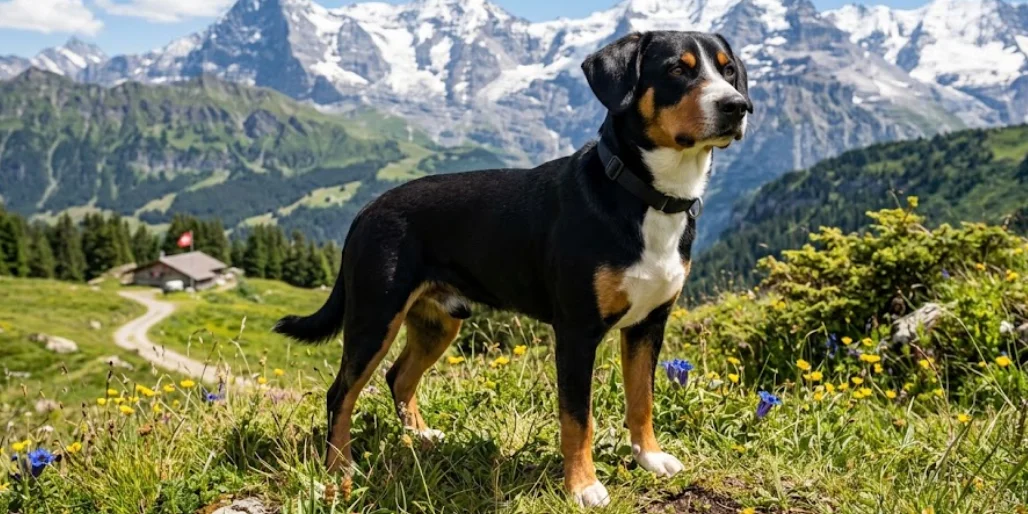
Medium-sized, robust, and well-muscled, this dog is built for agility and endurance. Its compact frame handles challenging terrain with ease, and a keen, alert expression reflects the soundness and readiness bred into it as a working breed.
Head and Skull Structure
The head is proportionate to the body, with a strong muzzle that tapers slightly. Expressive eyes convey intelligence and alertness — a trait typical of Sennenhunds — while a relatively flat, broad skull rounds out a distinct, handsome look.
Coat and Coloration
A striking tricolor coat — typically black with tan and white markings — is one of the breed’s defining features. The coat itself is short, dense, and close-fitting, with a soft undercoat for protection against the elements. Regular brushing keeps it healthy and shows off those distinctive markings.
Temperament and Behavior
General Temperament
Intelligent, lively, and self-assured, this breed forms strong bonds with its family and takes readily to training. As a working dog, it stays alert and watchful, always keen to be involved in household activities — a trait that traces directly back to its cattle-dog heritage and its need for purpose and mental stimulation.
Socialization Needs
Early socialization is crucial for a puppy of this breed to grow into a well-adjusted adult. Exposure to different people, places, and other dogs from an early age builds confidence and friendliness, and helps prevent the shyness or excessive watchfulness that can otherwise develop.
Compatibility with Families
This is an excellent family dog for active households that can provide plenty of exercise and engagement. They generally do well with children — particularly older kids who know how to interact respectfully with a dog — and their loyalty and protective instincts make them devoted household members, though supervision around children is always wise.
Health and Care
Common Health Conditions
Generally a robust breed, but not without its risks. Responsible breeders screen for hip dysplasia, a common concern across many medium-sized breeds, as well as Progressive Retinal Atrophy (PRA), an eye condition that can affect vision over time. Regular veterinary check-ups remain essential.
Nutrition and Feeding Requirements
A high-quality food formulated for medium-sized, active breeds provides the nutrients this dog needs. Exact feeding requirements vary by age, activity level, and individual metabolism, so it’s worth consulting your vet for tailored advice.
Grooming and Maintenance
The coat is relatively low-maintenance thanks to its short, dense, close-fitting structure. Brushing once or twice a week removes loose hair and keeps the tricolor pattern looking sharp, and occasional baths are all that’s needed beyond that.
Puppy Information
Choosing a Puppy
Finding a reputable breeder is the first and most important step. Look for one who prioritizes health and temperament, screens breeding lines for hip dysplasia and PRA, is transparent about their practices, lets you meet the puppy’s parents, and knows the breed standard well.
Early Training Tips
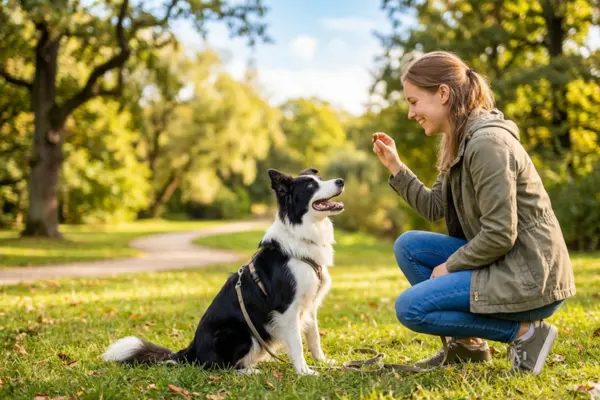
These are intelligent dogs that thrive on mental stimulation and clear guidance, so early training pays off. Start basic obedience as soon as a puppy settles in, using positive reinforcement. Consistency matters most here — herding instincts respond best to firm but gentle leadership.
Socialization for Puppies
Expose a puppy to a range of sights, sounds, people, and friendly dogs as early as possible. Puppy classes are a great way to structure this process and teach appropriate social behavior, helping manage natural watchfulness so a confident, friendly adult can emerge.
Similar Breeds
Comparison with Other Mountain Dogs
This breed is often compared to its fellow Sennenhund relatives — the Bernese Mountain Dog, Greater Swiss Mountain Dog, and Appenzeller. All four share a tricolor coat and working heritage, but this one is the smallest of the group, offering a more compact package. Its medium build and agile nature suit active sports and strenuous activity better than its larger cousins.
Distinct Features
What sets it apart is the blend of compactness, agility, and a vibrant, self-assured temperament. Its specific role as a cattle dog on steep Alpine terrain shaped a leaner, more muscular build and quicker reflexes than its relatives. Expressive eyes and an energetic demeanor mark a clear contrast with the more relaxed, larger Sennenhunds.
Why Choose This Breed?
Bringing one home means welcoming a loyal, intelligent, energetic companion. Active individuals or families who enjoy hiking, dog sports, or simply having an engaged participant in daily life will find it an outstanding choice — manageable in size, eager to please, and happiest with a job to do.
Conclusion
Summary of Key Points
The Entlebucher Mountain Dog is a distinct, delightful breed known for its tricolor coat, sharp intelligence, and energetic nature. Bred in the Swiss Alps as a versatile cattle dog, it now excels as a loyal companion for active households — provided owners commit to early socialization, consistent training, and responsible breeding practices that guard against hip dysplasia and PRA.
Final Thoughts
More than a handsome animal, this is a robust, spirited companion ready for life’s adventures alongside its family. Unwavering loyalty and eagerness to engage make it a deeply rewarding pet, as long as its exercise and mental stimulation needs are met — a truly special partnership for the right owner. For more in-depth breed information, explore the extensive resources on Pawandbreeds, including the Dog A-Z Breeds Guide.
FAQ
Q: What exactly is the breed standard all about?
A: It’s the official blueprint breeders and judges use to define what a “correct” dog of this breed should look and act like — covering body proportions, skull and muzzle length, coat markings, and temperament. If you’re showing your dog or just curious whether your pup fits the mold, this standard is the reference point.
Q: Why is the tricolor coat such a big deal?
A: It’s a defining feature. The standard is specific about where the white should appear — a blaze on the face, white on the chest, markings on the legs and feet. If the pattern is off or missing key elements, judges typically flag it as a fault.
Q: Is a small white patch somewhere unusual actually a problem?
A: Not necessarily — it depends on placement. A patch in an odd spot, like the side of the body, can be flagged as a deviation from standard. Breeders watch closely for this since it affects how “true to type” a dog is considered.
Q: How does it compare to the other Swiss Sennenhund breeds?
A: It’s the smallest of the four, alongside the Bernese Mountain Dog, Greater Swiss Mountain Dog, and Appenzeller. All four share the tricolor look and farm-dog heritage, but this one is more compact and muscular than its bigger cousins. Historically, all four herded cattle and even pulled milk carts across the Swiss countryside.
Q: What’s the deal with AKC recognition?
A: The AKC places it in the Herding Group, with an established standard used consistently for conformation shows nationwide. If you’re curious about official terminology or want to compete, that AKC standard is what you’d follow.
Q: Does this breed need a lot of exercise?
A: Yes, quite a bit. These are working dogs bred to be active all day, so a quick walk around the block won’t cut it — think hiking, running, or serious playtime.
Q: Are they easy to train?
A: For the most part. They’re quick learners and genuinely smart, which makes training rewarding, though their independent streak means they can be a bit stubborn. Consistency and positive reinforcement go a long way.
Q: Are they wary of strangers, or good with new people?
A: A little wary at first — understandable given their history as farm guardians. Not aggressive, just naturally alert and reserved until they warm up. Early socialization takes the edge off this instinct.
Q: Can they be left alone for long periods?
A: Not their strong suit. They’re social dogs that crave companionship and activity, and being left alone all day can lead to boredom, anxiety, or destructive behavior. This breed needs an owner who can commit real time and attention.
Q: What kind of physical build should a correct dog of this breed have?
A: Compact and muscular, with a close-fitting coat that lies smooth against the body — not bulky, not overly refined, just solidly built with good muscle tone. Any exaggeration in structure, like being overly long or too heavy, is generally judged as a fault.