Picking the perfect dog bed can feel like a real puzzle, but it’s super important for your furry friend’s comfort and health. This guide will walk you through everything you need to know, ensuring you find the best dog bed size for your pup!
Understanding Dog Bed Sizes
Importance of Choosing the Right Size Dog Bed
Choosing the right size dog bed is more than just about aesthetics; it’s about providing optimal comfort and support for your pup. A dog bed that’s too small can lead to uncomfortable sleeping positions, potential joint problems, and a general lack of relaxation, especially for an older dog who might benefit from an orthopedic dog bed.
Overview of Dog Bed Size Chart
A comprehensive dog bed size chart is your best friend when navigating the vast array of dog beds. This chart typically provides size recommendations based on weight and sometimes breed, giving you a solid starting point to choose a bed that offers extra space for stretching out, ensuring your dog feels secure and cozy in their new bed.
Factors to Consider When Measuring Your Dog
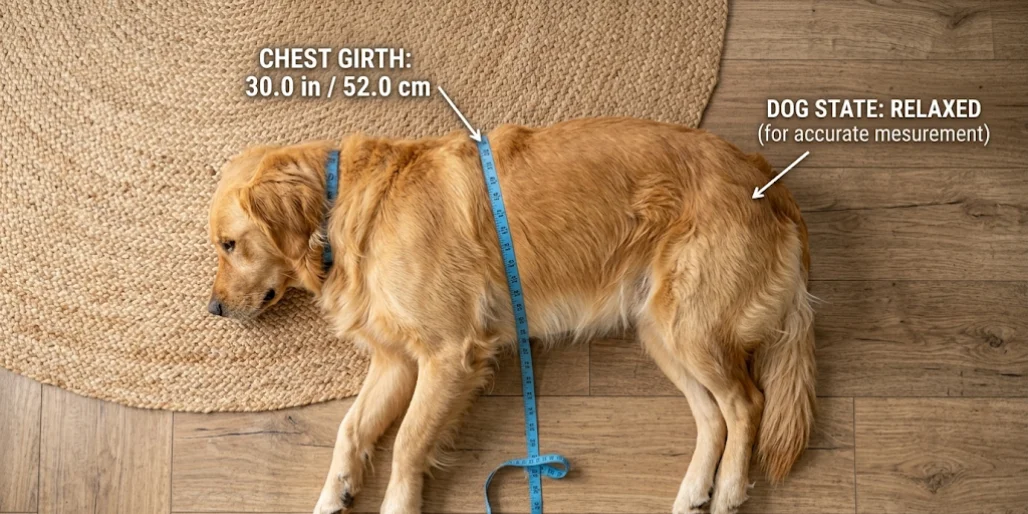
When it’s time to measure your dog, grab a measuring tape and measure your dog from the nose to the base of their tail while they’re in a comfortable sleeping position. This will give you a good idea of the length required for the perfect dog bed, ensuring the right size provides ample room for them to stretch out fully.
Dog Bed Sizes for Different Breeds
Small Breeds: Finding the Perfect Fit
For small breeds, finding the perfect bed size for your pup means looking for a cozy, snug dog bed where they feel secure. While they might seem to curl up, even small dogs like to stretch, so ensure there’s enough room for them to fully extend without being cramped, making sure it’s the right size.
Large Breeds: Choosing the Right Dog Bed Size
Choosing the right dog bed size for large breeds often means considering a larger size than you might initially think, especially if you want to provide ample extra space. These dogs benefit greatly from an orthopedic memory foam dog bed, as it provides essential joint support, ensuring the right bed for your dog is both comfortable and therapeutic. See PetMD’s vet-verified guide to orthopedic dog beds for guidance on picking the right support.
Giant Breeds: Extra Large Bed Sizes
Giant breeds truly require extra large bed sizes to accommodate their substantial frame, making sure there is a perfect bed for every dog. These larger dogs need a dog bed size that allows them to fully stretch out from nose to the base of their tail without any part of them hanging off, making an orthopedic dog bed an excellent choice for their comfort.
How to Measure Your Dog for the Right Bed
Measuring your dog properly is the first crucial step to finding the best dog bed size, ensuring your pup gets the perfect bed for their needs. You want to make sure the dog’s bed provides enough extra space for them to stretch out comfortably. Getting the right size means your dog will have a cozy and supportive place to rest, which is essential for their overall well-being, especially for an older dog.
Step-by-Step Guide to Measure Your Dog
To accurately measure your dog for their new bed, grab a flexible measuring tape. Here’s how to do it:
- Have your dog lie down in their most common sleeping position—whether curled up or stretched out. Measure your dog from the nose to the base of their tail. This gives you the length.
- Next, measure their width from shoulder to shoulder.
- Add a few inches to both measurements to ensure there’s enough extra space for them to shift and stretch, making sure it’s the right size dog bed.
Common Mistakes When Measuring
One common mistake when measuring for a dog bed is only measuring your dog while they are curled up. While dogs like to curl, they also need to stretch out fully. Here are some other errors to avoid:
- Not adding enough extra space to the measurements, which can result in a dog bed that’s too snug.
- Forgetting to measure your dog from the nose to the base of their tail when stretched out and add a few inches for movement to achieve the perfect dog bed size.
Using a Size Chart for Accurate Measurements
Once you have your dog’s measurements, consult a dog bed size chart. These charts typically provide size recommendations based on length, width, and sometimes weight, making it easier to choose the right size. Compare your measurements to the size chart to find the dog bed size that offers ample room. Remember, a larger size is often better than one that’s too small, as it ensures your dog has the extra space they need to be comfortable in their new bed.
Choosing the Right Bed for Your Dog
Choosing the right bed for your dog goes beyond just size; it involves considering their breed, age, and individual sleeping habits. The perfect bed for every dog provides comfort, support, and security. Whether you have a small pup or large breeds, there are specific dog bed types and features that will best suit their needs, ensuring you choose a bed that truly benefits your furry friend.
Types of Dog Beds and Their Sizes
Dog beds come in a variety of types. Always ensure the chosen dog bed size aligns with your dog’s measurements and needs. For more details on common types, see the table below:
| Bed Type | Description & Use |
| Orthopedic Beds | Often made with memory foam, excellent for older dogs or those with joint issues, offering superior support in larger size options. |
| Donut Beds | Great for dogs who like to curl up, providing a cozy sense of security. |
| Crate Beds | Designed to fit perfectly inside a dog crate, making the crate a more comfortable den. |
Choosing the Right Bed Based on Sleeping Habits
Your dog’s sleeping habits are a key factor in choosing the right dog bed. If your pup loves to stretch out, a rectangular orthopedic dog bed with plenty of extra space is ideal. For dogs who like to burrow or nest, a bolster or cave bed provides the perfect bed. Dogs who enjoy curling up will appreciate a round or donut-shaped dog bed. Observing how your dog typically sleeps will guide you to the best dog bed size and style.
Recommendations for Dog Beds by Size
For small breeds, a small size bed that offers a secure, cozy spot is perfect. Medium dog breeds often benefit from a medium dog bed size that allows them to stretch and move. Large breeds and giant breeds require a larger size or even extra-large bed sizes, often an orthopedic memory foam dog bed, to provide adequate joint support and ample room from nose to the base of their tail. For comprehensive recommendations and a detailed dog bed size chart, check out the Dog Beds & Sleep Guide from Pawandbreeds.
Additional Tips for Selecting the Perfect Bed
Understanding Your Dog’s Preferences
Beyond just a dog bed size chart, truly understanding your dog’s preferences is paramount to choosing the right bed. Does your pup like to burrow under blankets, or do they prefer to stretch out completely? Do they seek out soft, plush surfaces, or do they prefer something firmer? Observing these habits will help you find the perfect dog bed, ensuring the bed for your dog caters to their unique comfort needs, making it the perfect bed for every dog.
Factors Beyond Size: Comfort and Support
While choosing the right size is crucial, comfort and support are equally important, especially for an older dog or those with specific health needs. An orthopedic dog bed, often featuring memory foam, provides excellent joint support. Consider the material of the dog bed; some dogs like soft, plush fabrics, while others might prefer a more durable, easy-to-clean option. The right bed offers both ample extra space and the necessary physical support for your dog’s well-being.
Dog Beds & Sleep Guide: Enhancing Your Pup’s Sleep Environment
To truly enhance your pup’s sleep environment, think beyond just the dog bed. Consider where the bed is placed—is it in a quiet, draft-free area? Does your dog prefer to be near you or have their own designated space? Consulting a comprehensive Dog Beds & Sleep Guide can offer insights into creating a holistic sleep sanctuary for your furry friend, ensuring their new bed is part of a perfect resting spot for your dog’s ultimate comfort.
Conclusion
Final Thoughts on Choosing the Right Size Dog Bed
In conclusion, choosing the right size dog bed is a blend of accurate measurement, understanding your dog’s sleeping habits, and considering their breed and age. Always ensure there’s enough extra space for your dog to stretch out fully from nose to the base of their tail. The best dog bed size provides not just comfort, but also crucial support for your pup’s long-term health, making sure you choose a bed that truly fits their needs.
Introducing PawandBreeds: Your Source for Quality Dog Beds
For those looking for the perfect dog bed, PawandBreeds offers a wide selection of quality dog beds designed to meet every dog’s needs. Whether you’re searching for an orthopedic memory foam bed for large breeds or a cozy, small size bed for a tiny pup, PawandBreeds has you covered. Their Dog Beds & Sleep Guide provides excellent size recommendations and helps you choose the right size bed, ensuring you find the ideal dog bed for your pup.
FAQ’s
Q: How do I start finding the right size bed for my dog?
A: Start by measuring your pup from the tip of their nose to the base of their tail, plus a few inches for comfort. Also check their sleeping style — do they sprawl or curl up? Use those measurements to pick the right bed size and weight range so the bed is large enough and gives the best fit.
Q: What size bed should I get if I want to put it inside a crate?
A: Measure the interior of the crate and make sure the bed fits without crowding. For crate use, look for a bed that allows your dog to lie down and change position easily but doesn’t leave too much extra space. If you’re picking the right bed for crate placement, choose one that matches the crate dimensions and your dog’s sleeping style.
Q: How do I choose the best bed for a dog that likes to sprawl?
A: For dogs that sprawl, pick a bed that offers plenty of flat surface — usually a larger or extra-large bed. Measure your dog from tip of their nose to tail and add 6–12 inches so there’s enough space to stretch. A bed that allows full extension is the right bed size for sprawlers.
Q: What should I consider when finding the right dog bed for a pup with arthritis?
A: Look for orthopedic or memory foam beds that support joints and relieve pressure. Pay attention to size and weight recommendations so the bed supports your dog fully; the bed should be large enough for them to lie flat. Low-entry beds help dogs with limited mobility get in and out easily.
Q: How do I measure my dog properly — any tips or tricks?
A: Have your dog lie down naturally, then measure from the tip of their nose to the base of their tail and across their widest point (usually shoulders or hips). Add a few inches depending on whether they curl or sprawl. This simple measuring method helps when selecting the right bed size or comparing size charts.
Q: Are there different recommendations for one dog versus multiple dogs sharing a bed?
A: Yes — if more than one dog will share, choose a larger size so each dog has enough space. Consider combined size and weight and pick a bed that allows everyone to sleep comfortably without crowding. Look for beds designed for multiple dogs or buy two beds if they prefer their own space.
Q: How does my dog’s shape and size affect which bed is best?
A: Dogs come in many shapes — long, tall, stocky — so consider both length and width when selecting a bed. Breed and body type influence whether they prefer bolsters, flat mattresses, or nest-style beds. Matching the bed to your dog’s shape and size ensures the best fit and comfort.
Q: Any final tips for buying a bed and placing the bed in the house?
A: When buying a bed, check size charts and recommended size for your dog’s measurements and weight. Look for washable covers, non-slip bottoms, and consider your dog’s specific needs like joint issues or tendency to chew. For placing the bed, pick a quiet, draft-free spot where your dog usually relaxes — that helps when finding the right dog bed for your furry friend.