If you’re considering welcoming an Italian Greyhound into your home, this comprehensive guide will walk you through everything you need to know about this elegant and affectionate breed. From their fascinating history to their unique care requirements, we’ll help you understand what makes the Italian Greyhound such a special companion.
Understanding the Italian Greyhound Breed
The Italian Greyhound, often affectionately called an IG or Iggie, is a captivating small dog breed with a rich history and distinct characteristics. Delving into the breed information for this sighthound reveals a delightful companion for those seeking an intelligent and loving pet. Understanding their specific needs is crucial for any potential Italian Greyhound owner.
History of the Italian Greyhound
The Italian Greyhound boasts a truly ancient lineage, with evidence of this slender sighthound dating back thousands of years to ancient Egypt and Greece. They rose to prominence in Renaissance Italy, where they were cherished by nobility and often depicted in paintings alongside their esteemed owners. This small dog breed was beloved for its elegant appearance and gentle temperament, securing its place as a favorite companion dog for centuries. The Italian Greyhound’s history is steeped in aristocracy and companionship, making it a breed with a noble past.
Physical Characteristics of the Italian Greyhound
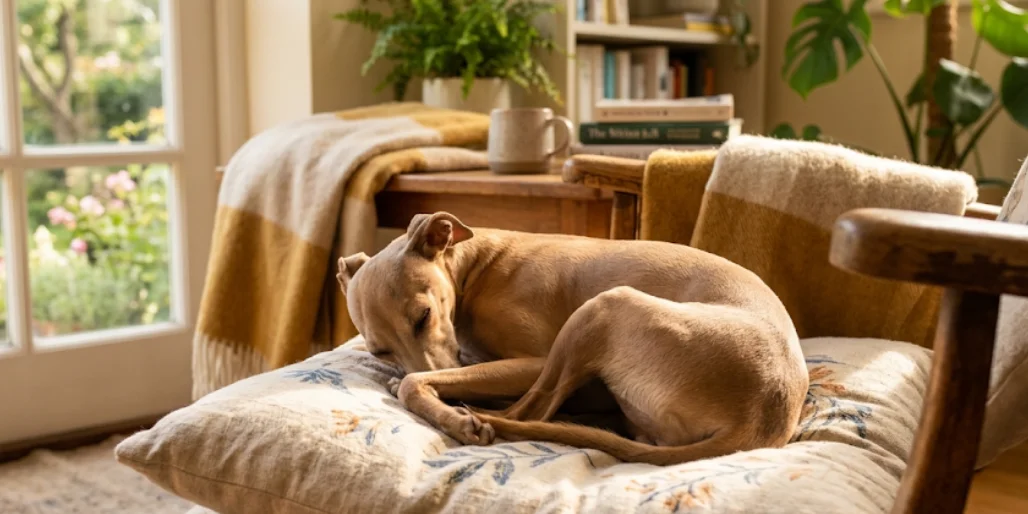
The Italian Greyhound is a picture of grace and refinement, embodying the classic sighthound build in a miniature package. Their most striking physical characteristic is their incredibly slender and delicate frame, with long, fine legs and a deep chest that tapers to a tucked abdomen. They possess a short, smooth coat that comes in a variety of colors, often fawn, and their distinctive gait is both elegant and agile. Understanding the breed standard reveals a dog built for speed and beauty, making them a truly unique dog breed.
Italian Greyhound Personality and Temperament
The Italian Greyhound personality is truly captivating, characterized by an affectionate and gentle nature that makes them wonderful companions. These sighthounds are known for being incredibly devoted to their families, often described as “velcro dogs” due to their desire to be close to their owners. While generally sweet and loving, they can also possess a playful and mischievous streak. Their temperament makes them suitable for various households, thriving on human interaction and often forming strong bonds with other pets, though their prey drive should always be considered.
Care Requirements for Italian Greyhounds
Grooming Your Italian Greyhound
Grooming an Italian Greyhound is thankfully a straightforward task due to their short, smooth coat. While they don’t require extensive bathing, regular brushing helps to remove loose hairs and keep their skin healthy. Their delicate nature means you should always be gentle during grooming sessions. Don’t forget nail trims; long nails can be uncomfortable for your slender Italian Greyhound. Regular ear cleaning is also important to prevent infections, ensuring your Italian Greyhound remains comfortable and well-cared for.
Exercise Needs of the Italian Greyhound
Despite their delicate appearance, Italian Greyhounds have surprising exercise needs. They love to run and can reach impressive speeds, so a securely fenced yard is crucial to prevent them from darting off, especially given their strong prey drive. Daily walks and opportunities for off-leash play in a safe area will keep your Italian Greyhound happy and healthy. However, remember their small size and thin coat mean they are sensitive to cold, so always dress them in appropriate attire during chilly weather to protect your slender companion.
Nutrition for a Happy and Healthy Italian Greyhound
Providing the right nutrition is vital for a happy and healthy Italian Greyhound. Due to their fast metabolism and slender build, a high-quality dog food formulated for small, active breeds is essential. Pay attention to portion control to prevent them from becoming overweight, which can put strain on their delicate bones. Regular mealtimes and access to fresh water will contribute significantly to your Italian Greyhound’s overall well-being. Always consult your breeder or vet for specific dietary recommendations tailored to your pup’s age and activity level.
Health Considerations for Italian Greyhounds
Common Health Issues in Italian Greyhounds
Italian Greyhounds, like many purebred dogs, can be prone to certain health issues. Common concerns include dental disease, which can lead to tooth loss if not addressed with regular dental care. Patellar luxation, where the kneecap slips out of place, is another condition to be aware of. Additionally, some Italian Greyhounds may be susceptible to eye conditions like cataracts or blindness. Being informed about these potential issues helps Italian Greyhound owners provide the best preventative care and early intervention.
Regular Check-ups with a Breeder or Vet
Regular check-ups with a trusted breeder or veterinarian are paramount for maintaining the health of your Italian Greyhound. These visits allow for early detection of potential health problems, especially given the breed’s predispositions to issues like dental disease or patellar luxation. Your vet can advise on preventative dental care, vaccinations, and parasite control, all crucial for a happy and healthy Italian Greyhound. Don’t hesitate to discuss any concerns you have about your Ig’s well-being with your veterinary professional.
Maintaining a Healthy Gait in Italian Greyhounds
Maintaining a healthy gait is important for Italian Greyhounds, given their slender build and active nature. Regular, appropriate exercise helps strengthen their muscles and joints, contributing to a strong and fluid gait. Keeping an eye on their paw health, including regular nail trims, also plays a role. If you notice any changes in your Italian Greyhound’s gait, such as limping or reluctance to move, it’s essential to consult your vet. Early intervention can help address issues like patellar luxation, ensuring your affectionate sighthound maintains its graceful movement. For more in-depth information about various breeds, be sure to check out the Pawandbreeds Dog A-Z Breeds Guide.
Choosing the Right Italian Greyhound for You
Finding a Reputable Italian Greyhound Breeder
Finding a reputable Italian Greyhound breeder is a crucial first step when considering bringing home one of these affectionate sighthounds. A good breeder will prioritize the health and temperament of their Italian Greyhound puppies, conducting necessary health screenings for conditions like patellar luxation and eye issues. They will also be transparent about their breeding practices, openly sharing breed information and offering guidance on caring for your new Ig. Don’t be afraid to ask plenty of questions and observe the living conditions of the puppies and their parents to ensure you are choosing a responsible source for your new Italian Greyhound.
Adopting an Italian Greyhound: What Pet Parents Should Know
Adopting an Italian Greyhound can be an incredibly rewarding experience for pet parents, offering a loving home to a dog in need. When adopting, it’s important to understand that rescue Italian Greyhounds may come with unknown histories, but rescue organizations are typically excellent resources for breed information and support. They often provide details on the dog’s temperament, any known health issues, and their specific needs. Adopting an Ig means offering a second chance to a deserving sighthound and welcoming a resilient, affectionate companion into your life.
Integrating an Italian Greyhound into Your Family
Integrating an Italian Greyhound into your family requires patience and understanding, but their affectionate temperament makes them wonderful companions. Due to their delicate nature and small size, supervision is key, especially with young children or larger pets. Establish a routine for feeding, exercise, and potty breaks early on to help your new Italian Greyhound adjust. Providing a cozy, warm space where they can feel secure is also important, as these slender dogs love to burrow. With proper introduction and consistent care, your Italian Greyhound will quickly become a cherished member of your household.
Conclusion
Final Thoughts on Italian Greyhound Care
In conclusion, caring for an Italian Greyhound is a truly fulfilling experience, offering companionship with an elegant and affectionate sighthound. Understanding their specific needs, from regular dental care to appropriate exercise and a warm environment, is key to ensuring a happy and healthy life for your Ig. Their delicate build and sensitivity to cold mean that proper pet care, including warm clothing in winter, is essential. With their charming Italian Greyhound personality, they are not just pets, but beloved family members who thrive on love and attention.
Resources for Italian Greyhound Pet Parents
For Italian Greyhound pet parents, a wealth of resources is available to help navigate the joys and challenges of this unique dog breed. Your veterinarian is always a primary resource for health concerns, offering advice on dental care, patellar luxation, and other potential issues. Reputable Italian Greyhound breeders can provide ongoing support and breed-specific insights. Additionally, online communities and breed-specific clubs offer valuable breed information, allowing you to connect with other Ig owners and share experiences, ensuring you can meet all your Italian Greyhound’s needs.
Explore More in the Dog A-Z Breeds Guide
If you’re fascinated by the Italian Greyhound and curious to learn about other incredible canines, be sure to explore more in our comprehensive Dog A-Z Breeds Guide. Whether you’re interested in other sighthounds or entirely different dog breeds, you’ll find a wealth of information to deepen your understanding of the diverse world of dogs. This resource is perfect for anyone looking to expand their knowledge beyond the Italian Greyhound, helping you discover the perfect canine companion for your lifestyle.
FAQ
Q: What kind of dog breed is the Italian Greyhound, exactly?
A: So the Italian Greyhound (often called an IG) is basically a true greyhound, just shrunk down. It’s actually the smallest of the sighthounds out there, and history buffs reckon they came from places like turkey and greece way back when. Both the kennel club and the american kennel club recognize them as their own official dog breed, separate from the larger greyhound you might picture racing around a track.
Q: What are the biggest Italian greyhound needs when it comes to daily life?
A: Honestly, IGs need a mix of things to stay happy. They love plenty of exercise but they’re also total couch potatoes who want cuddles and warmth (they get cold easy thanks to that fine bone structure). Toilet training can take patience too, so consistency and positive reinforcement in short training sessions work way better than getting frustrated with your pup.
Q: Is Italian greyhound health generally good, or are there issues to watch for?
A: Like any dog breed, there are some health conditions that pop up more often in IGs. Progressive retinal atrophy is one to know about since it affects their eyesight over time, and von willebrand’s disease (a blood clotting disorder) is another one that shows up in the breed. Regular vet checkups help catch stuff early, which is always the goal for good italian greyhound health.
Q: Why do people say Italian Greyhounds are fragile?
A: Yeah, this isn’t just a myth. Their fine bone structure genuinely makes them prone to lameness and even fractures if they take a bad jump off furniture or get knocked around too much. That fragility is a real thing, especially in young italian greyhounds whose bones haven’t fully set yet, so it’s smart to supervise them around rough play or high jumps.
Q: How much exercise does an IG actually need each day?
A: Don’t let their small size fool you, these dogs need daily exercise and genuinely enjoy a good sprint. A solid walk plus some off-leash playtime in a securely fenced, dog-safe area lets them stretch their legs and burn off that greyhound speed. That said, they’re not marathon runners, short bursts of energy followed by lots of lounging is basically their whole vibe.
Q: Should pet owners get pet insurance for an Italian Greyhound?
A: Given some of the health conditions we mentioned, plus their fragility around injuries, pet health insurance is honestly a smart move. Vet bills for things like fracture repairs or ongoing treatment for von willebrand’s disease can add up fast, so having pet insurance sorted early (ideally while your pup is still young) can save a lot of stress and money down the line.
Q: What about dental care, do Italian Greyhounds have specific needs there?
A: Yep, tartar buildup is actually a pretty common issue in this dog breed. Their teeth can get gunky faster than you’d expect, so regular brushing and dental checkups should be part of the routine to keep italian greyhound happy and healthy overall, not just their teeth but their whole wellbeing.
Q: How do you keep training sessions effective with such a sensitive breed?
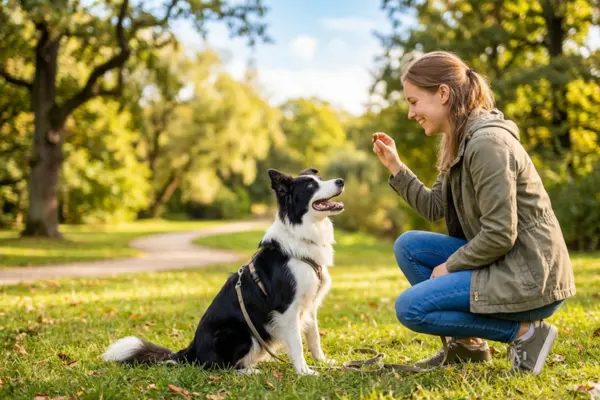
A: Positive reinforcement is really the only way to go here. IGs can be a bit stubborn and sensitive, so yelling or harsh corrections just make them shut down. Keep training sessions short, use treats and praise, and be patient, especially with toilet training which can take longer than with some other breeds.
Q: What do young Italian Greyhounds need that older ones might not?
A: Young italian greyhounds need extra supervision since they’re clumsier and their bones are still developing, so that fragility factor is even higher. They also need more structured training sessions early on to set good habits, plus socialization and gradual introduction to playtime with other dogs so they grow up confident and well adjusted.
Q: Overall, what’s the secret to keeping an Italian Greyhound happy and healthy?
A: It really comes down to meeting their physical needs (proper exercise, warmth, good food) while staying on top of italian greyhound health through regular vet visits and maybe pet insurance as a safety net. Combine that with positive reinforcement training, plenty of affection, and a dog-safe environment where they can’t hurt themselves, and you’ve basically got the recipe for a happy pup.