The Irish Wolfhound is a truly magnificent giant breed, renowned for its imposing size and gentle nature. This comprehensive guide will delve into everything you need to know about this ancient breed, from its rich history to its unique temperament and specific care requirements.
Overview of the Irish Wolfhound
The Irish Wolfhound is often considered the tallest of all dog breeds, presenting a striking and impressive figure. Despite their formidable size, these dogs are celebrated for their calm and affectionate temperament, making them wonderful companions. As a sighthound, their instinct to chase is strong, so understanding their needs, especially for a new dog owner, is crucial for a harmonious household. This breed truly embodies the term “gentle giant.”
History of the Irish Wolfhound
The history of the Irish Wolfhound is deeply entwined with the ancient tales of Ireland. This majestic hound was originally bred to hunt wolves and elk, a testament to its powerful build and keen senses. Tracing back to ancient times, this breed’s lineage is one of the oldest, with mentions appearing in Roman writings as early as 391 A.D. Their noble past as formidable hunters has shaped them into the impressive creatures we admire today, a truly ancient breed.
Physical Characteristics
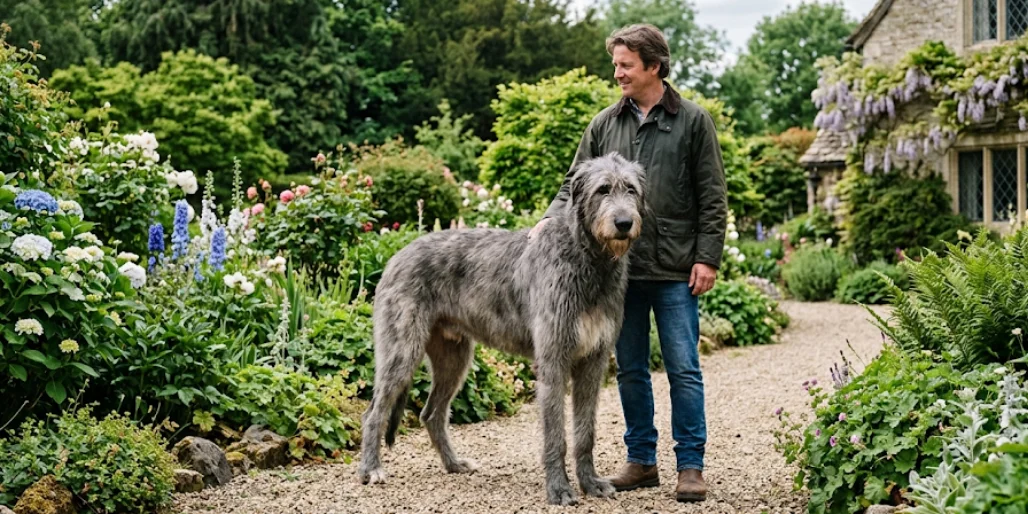
The Irish Wolfhound is instantly recognizable by its impressive size, being the tallest dog breed, often reaching towering heights on its hind legs. They possess a distinctive rough, wiry coat, which can come in various colors including grey, brindle, red, black, white, and fawn. Their athletic build features a long, muscular body with an arched loin, similar to other sighthounds like the Deerhound. Understanding the breed standard is essential when appreciating their unique physical attributes.
Temperament of the Irish Wolfhound
Despite their imposing stature, the Irish Wolfhound possesses an incredibly gentle and amiable temperament, earning them the endearing moniker of “gentle giants.” These hounds are known for their loyalty and patience, making them excellent family dogs, even with children. While they might appear intimidating due to their size, their nature is far from aggressive. Early socialization and consistent training are key to nurturing a well-adjusted and confident Irish Wolfhound puppy or adult dog.
Care Requirements for Irish Wolfhounds
Grooming Needs
The Irish Wolfhound, despite its somewhat shaggy appearance, has relatively straightforward grooming needs for such a giant breed. Their distinctive rough and wiry coat requires regular brushing, ideally a few times a week, to prevent matting and to remove loose fur and debris. While they are not considered heavy shedding dogs, consistent grooming will help maintain the health and cleanliness of their coat. Occasional hand-stripping might be necessary to preserve the texture and appearance of the breed standard coat, especially for those involved in conformation. Beyond coat care, routine nail trims, ear cleaning, and dental hygiene are crucial for the overall well-being of your Irish Wolfhound puppy or adult dog.
Exercise Needs
Despite their imposing size and status as a sighthound, the Irish Wolfhound doesn’t require the extreme exercise levels of some other dog breeds. However, regular and consistent daily exercise is essential to keep this gentle giant healthy and happy. A good long walk, or a supervised run in a securely fenced area, will suffice. It’s particularly important to manage exercise for an Irish Wolfhound puppy, as their rapid growth makes them susceptible to bone and joint issues if over-exercised. For an adult dog, the aim is moderate activity to maintain muscle tone and prevent boredom, while being mindful of their ancient breed instincts to chase, so a secure fence is non-negotiable.
Diet and Nutrition
Proper diet and nutrition are paramount for the health and longevity of an Irish Wolfhound, a giant breed prone to specific health concerns. High-quality dog food formulated for large breeds is crucial, ensuring they receive the right balance of nutrients for their massive frame. Feeding an Irish Wolfhound puppy or adult dog multiple smaller meals throughout the day, rather than one large one, can help mitigate the risk of bloat (GDV – Gastric Dilatation-Volvulus), a life-threatening condition common in deep-chested breeds like the Great Dane and the Wolfhound. Owners should also be aware of other breed-specific issues such as portosystemic shunt, and always consult with their veterinary professional for tailored advice on their Irish Wolfhound’s dietary needs.
Finding an Irish Wolfhound Breeder
What to Look for in a Breeder
When seeking an Irish Wolfhound puppy, it’s absolutely essential to find a reputable breeder who prioritizes the health and temperament of their dogs. A good breeder will be transparent about their breeding practices, openly discussing health screenings for common giant breed issues like bloat or portosystemic shunt, and will be registered with organizations like the Irish Wolfhound Club or AKC. They should also be knowledgeable about the breed standard and the unique needs of an Irish Wolfhound, providing comprehensive Irish Wolfhound dog breed information. You’re looking for someone who genuinely cares for their wolfhound puppies, not just selling them.
Questions to Ask
Before committing to an Irish Wolfhound puppy, come prepared with a list of questions for the breeder. Inquire about the health history of the parent dogs, including any genetic testing for heart conditions or joint problems that affect this giant breed. Ask about the puppy’s socialization, exercise needs, and typical temperament. It’s also wise to ask about their experience with the breed, their involvement with the Irish Wolfhound Club of America, and what kind of ongoing support they offer new Irish Wolfhound owners. A responsible breeder will welcome your questions and provide thorough answers.
Irish Wolfhound Club Resources
The Irish Wolfhound Club is an invaluable resource for anyone looking to bring one of these magnificent dogs into their home. They often maintain lists of reputable breeders who adhere to strict ethical guidelines and breed standard practices. Consulting the Irish Wolfhound Club of America or your local kennel club can connect you with experienced owners and breeders, offering comprehensive dog breed information and guidance on finding healthy Irish Wolfhound puppies. These clubs are dedicated to the preservation and well-being of this ancient breed, ensuring future generations embody the true spirit of the gentle giant.
Similar Breeds to the Irish Wolfhound
Comparison with Other Hound Breeds
While the Irish Wolfhound stands out as the tallest dog breed, there are other hound breeds that share some of its noble characteristics. The Scottish Deerhound, for instance, is another large sighthound with a similar wiry coat and graceful build, though typically not as massive as the Wolfhound. Both breeds share an ancient lineage as hunters, with strong chasing instincts. Great Danes are another giant breed often compared, primarily due to their imposing size and often gentle temperament, although their physical characteristics and coat types differ significantly from the rough-coated Irish Wolfhound.
Size and Temperament Similarities
Beyond the obvious size, some breeds share the gentle giant temperament that defines the Irish Wolfhound. While few can match the Wolfhound’s sheer height, breeds like the Great Dane or even some larger Mastiff types exhibit a similar calm demeanor, loyalty, and patience, making them excellent family dogs despite their imposing stature. These large dogs often have comparable exercise needs as an adult dog, requiring moderate daily exercise and mental stimulation. Understanding these similarities can help a new dog owner appreciate the unique blend of power and gentleness found in these colossal companions.
Choosing the Right Breed for Your Lifestyle
Selecting the right breed for your lifestyle is crucial, especially when considering a giant breed like the Irish Wolfhound, which typically has a lifespan of six to eight years. If you’re drawn to their gentle temperament, impressive size, and majestic presence, but perhaps aren’t ready for the specific care requirements of the tallest dog breed, exploring similar sighthounds or other large, docile breeds might be beneficial. Consider your living situation, time commitment for daily exercise, grooming needs, and potential veterinary costs for a large dog. The Pawandbreeds “Dog A-Z Breeds Guide” can be a great starting point for further research to ensure you find your perfect canine companion.
FAQ
Q: How big does an Irish Wolfhound actually get?
A: Okay, so this breed is no joke when it comes to great size. The Irish Wolfhound is the tallest dog breed out there, with males often hitting 32 inches at the shoulder. Weight-wise, some big boys can tip the scales at 180 pounds. Just keep in mind they’re slow to mature, so they won’t be fully grown until around 18 months of age or even a bit later.
Q: What does the coat look like and how do you take care of it?
A: The Irish Wolfhound has a double-coated, shaggy coat that’s rough and hard to the touch. It’s not a fluffy, soft coat at all – it’s harsh, wiry, and built for the elements. The good news is you don’t need to fuss over it constantly. Weekly brushing is usually enough to keep things tidy and remove loose hair.
Q: Can Irish Wolfhounds be pure white?
A: Yep, pure white is one of the accepted colors for this breed, along with grey, brindle, red, black, and a few others. So don’t be surprised if you see one that looks almost snowy white – it’s totally normal and within breed standard.
Q: Is it true this breed has history with the Irish Guards?
A: Totally true! The Irish Wolfhound has long been associated with the Irish Guards regiment, and there’s actually a live wolfhound mascot tradition tied to them. This connection goes way back and is a point of pride for wolfhound fans and Irish history buffs alike.
Q: How old is this breed exactly?
A: Super old, actually. There are records mentioning wolfhound-type dogs as far back as 391 AD, when they were sent to Rome as gifts and impressed everyone with their size and power. This is genuinely one of the oldest dog breeds we know of.
Q: Are Irish Wolfhounds good with other dogs and families?
A: For the most part, yes. Despite their massive size, they tend to get along well with other dogs and are usually gentle, calm, and eager to please around their humans. They were originally bred for big-game hunting, so they’ve got that hunting instinct, but their temperament at home is typically sweet and laid-back.
Q: What health issues should owners watch out for?
A: Health and welfare is a big deal with this breed since giant dogs often have shorter lifespans and specific health concerns. Progressive retinal atrophy is one condition that can pop up, affecting the eyes over time. Heart issues and bloat are also things owners need to keep an eye on given their size.
Q: Who’s credited with helping save the breed from extinction?
A: That would be Captain George Graham, a British army officer who worked hard in the 1800s to revive the breed when numbers were dropping fast. His breeding efforts basically saved the Irish Wolfhound as we know it today.
Q: Is the Irish Wolfhound recognized by major kennel clubs?
A: Yes, the breed is recognized by the AKC and various other kennel clubs worldwide. It’s classified in the hound group, which makes sense given its hunting background and long and strong build made for chasing down game.
Q: What are some distinct physical features of this breed’s head?
A: If you look closely, the frontal bones of the forehead are pretty pronounced, and there’s little indentation between the eyes, giving the head a smooth, elongated look. Combined with the rough and hard coat covering the face, it gives them that classic shaggy, noble appearance people love.
Q: Are Irish Wolfhounds good for dog sports?
A: They can be, though they’re not usually the first breed people think of for agility or speed sports. Still, some owners enjoy getting their wolfhounds into dog sports like lure coursing, which taps into their natural hunting instincts. Just remember their size and slow maturing means you should wait until they’re properly developed before pushing them into anything too strenuous.