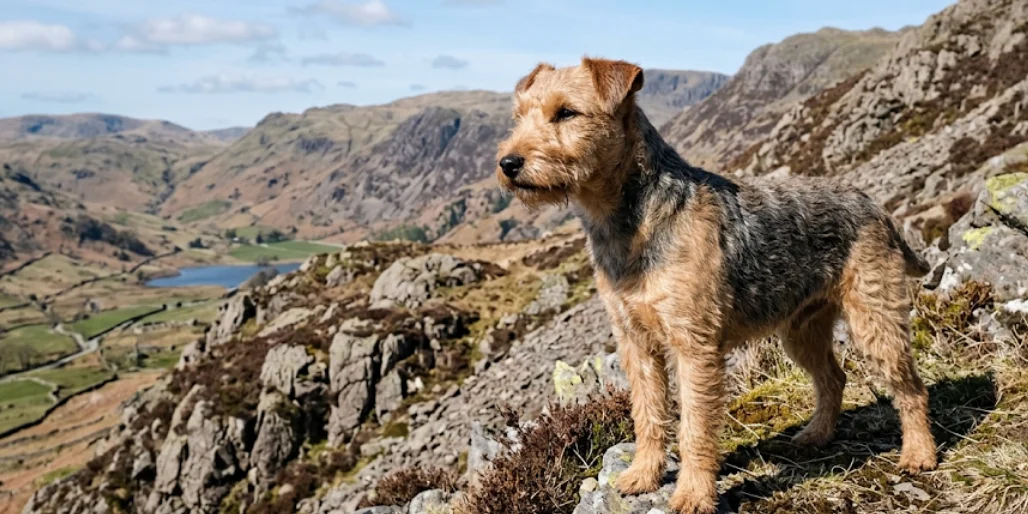
Lakeland Terriers are charming and lively dogs with a rich history and distinctive appearance. This guide will delve into their breed standard, providing essential dog breed information for anyone interested in these delightful canines.
General Appearance of Lakeland Terriers
The Lakeland Terrier presents a general appearance of a sturdy, balanced, and workmanlike dog, truly a testament to its origins in the rugged Lake District of England. Their keen expression and alert posture immediately convey a ready-for-anything attitude, characteristic of the working terriers they are.
Physical Characteristics
Lakeland Terriers possess physical characteristics that emphasize their history as tenacious hunters. With a strong, yet compact build, they are designed to squeeze into rocky dens and cover rough ground easily. Their V-shaped ears, high-set tail, and well-muscled hindquarters all contribute to their agile and spirited nature, making them true representatives of the terrier breed.
Size and Build
When it comes to size and build, the Lakeland Terrier is a small dog, typically weighing around 17 pounds, with males slightly larger than females. This manageable size, combined with a robust and square body, allows them to be both agile and powerful. Their athletic physique is a hallmark of the breed, enabling them to excel in various activities and dog sports.
Coat and Color
The Lakeland Terrier boasts a distinctive wiry coat, which is one of their most defining features. This double coat consists of a soft undercoat and a dense, wiry outer coat that provides excellent protection from the elements, a necessity for a working terrier. Common colors include black and tan, blue and tan, solid red, wheat, and grizzle, with the grizzle giving a salt-and-pepper effect. Regular trimming and grooming are essential to maintain the coat’s condition and appearance.
Temperament of Lakeland Terriers
The temperament of Lakeland Terriers is as captivating as their appearance, marked by a vivacious spirit and an intelligent mind. They are known for being alert and ready to go, always eager for adventure and interaction. This combination of traits makes them wonderful companions for active families.
Personality Traits
Lakeland Terriers are full of personality, displaying a confident and often mischievous nature. They are highly intelligent, which makes them quick learners, though they can also be independent-minded, a common trait among terrier breeds. Their playful antics and unwavering loyalty make them beloved members of any household, bringing joy and laughter to their owners.
Socialization and Behavior
Early socialization is crucial for Lakeland Terrier puppies to ensure they develop into well-adjusted adults. While generally friendly, their strong prey drive, inherited from their working terrier lineage, means they might not always be compatible with small pets. However, with consistent training and exposure, they can learn to coexist peacefully, making them adaptable companions.
Working and Playfulness
The Lakeland’s working heritage is evident in their boundless energy and love for play. These dogs require daily exercise and thrive on engaging activities, whether it’s a brisk walk, a game of fetch, or participation in dog sports. Their playful nature combined with their intelligence means they benefit greatly from challenges that stimulate both their bodies and minds, making them ideal for active terrier owners.
Caring for a Lakeland Terrier
Grooming Needs
Caring for a Lakeland Terrier involves understanding their specific grooming needs, primarily centered around their distinctive wiry coat. This double coat, essential for a working terrier, requires regular attention to maintain its protective qualities and neat appearance. Owners should expect to trim or strip the coat every few months to prevent matting and ensure the undercoat and outer coat remain healthy.
Exercise Requirements
Lakeland Terriers are active dogs with significant exercise requirements, reflecting their origins as a tireless working terrier from the Lake District. These small dogs thrive on daily exercise, needing at least an hour of vigorous activity. Engaging in dog sports, long walks, or interactive playtime helps satisfy their energy levels and keeps them mentally stimulated, preventing boredom.
Feeding Guidelines
Proper feeding guidelines are crucial for maintaining the health and vitality of your Lakeland Terrier. Due to their active nature and compact size, they require a high-quality diet appropriate for small breeds. Monitoring portion sizes is important to prevent obesity, as a Lakeland typically weighs around 17 pounds. Consulting a vet for specific dietary recommendations tailored to your Lakeland’s age and activity level is always a good idea.
Breeding Lakeland Terriers
Choosing a Breeder
When considering Lakeland Terrier puppies, choosing a reputable breeder is paramount. A responsible breeder will prioritize the health and temperament of their Lakeland Terriers, adhering to the breed standard established by organizations like the Kennel Club. They should be transparent about health screenings, provide a clean environment, and be able to answer all your questions about the Lakeland breed.
Health Considerations
Health considerations are a critical aspect of breeding Lakeland Terriers. Reputable breeders will screen for common genetic conditions that can affect this terrier breed, ensuring the robust health that Lakelands are known for. Understanding the potential health issues of the breed helps in making informed decisions and contributes to the overall well-being of future Lakeland Terrier generations.
Assessing Temperament in Breeding
Assessing temperament in breeding is vital to ensure that Lakeland Terriers continue to embody their characteristic alert and ready to go nature, without being overly aggressive. Breeders should select dogs that exhibit the desirable workmanlike disposition and confident personality that defines the Lakeland Terrier breed. This careful selection helps maintain the excellent temperament that makes these small dogs such wonderful companions for terrier owners.
Understanding the Lakeland Terrier Standard
Official Breed Standard Overview
The official breed standard provides a detailed blueprint of what a Lakeland Terrier should be, as recognized by organizations like the Kennel Club. This standard covers everything from the general appearance to specific physical traits, ensuring the breed’s integrity is maintained. It emphasizes a “workmanlike” dog, reflecting the Lakeland Terrier’s heritage as a robust and agile hunting companion, capable of excelling in the demanding environment of the Lake District.
Working Terrier Characteristics
The Lakeland Terrier was bred to hunt, embodying all the quintessential working terrier characteristics. Their sturdy build, keen intelligence, and unwavering determination allowed them to squeeze into rocky dens and cover rough ground easily, making them highly effective in their original role. This inherent drive and resilience are still prominent in the breed today, defining much of their temperament and need for engagement.
Role in the Lake District
The Lakeland Terrier’s role in the Lake District was primarily that of a fearless hunter, specifically bred to control vermin and protect livestock. This small dog’s agility and courage were essential for navigating the rugged terrain and tight spaces of the region’s rocky fells. Their history in the Lake District shaped their unique characteristics, making them the resilient and resourceful terrier breed we know today.
Resources for Lakeland Terrier Owners
Training Tips
For Lakeland Terrier owners, consistent training tips are invaluable given their intelligent and sometimes independent nature. Early socialization and positive reinforcement are key to developing a well-behaved Lakeland. Because they are alert and ready to go, channeling their energy into structured activities and dog sports can be incredibly rewarding, helping to manage their natural terrier instincts and ensuring a happy, well-adjusted companion.
Community and Support
Joining a community and support network is incredibly beneficial for Lakeland Terrier owners. Connecting with other terrier owners provides a wealth of shared experiences, advice, and camaraderie. These groups often offer insights into training, grooming, and the specific needs of the Lakeland breed, fostering a sense of belonging and ensuring owners have the resources to give their Lakelands the best possible care.
Dog A-Z Breeds Guide
For those interested in learning more about the diverse world of canines, a comprehensive breeds guide, such as the “Dog A-Z Breeds Guide,” can be an excellent resource. It offers extensive dog breed information, helping owners understand the unique traits, histories, and care requirements of various breeds, including the spirited Lakeland Terrier. This guide is perfect for new or prospective terrier owners looking to expand their knowledge. You can find more detailed information on various breeds at Pawandbreeds.
FAQ
Q: What does the Kennel Club say a Lakeland Terrier should actually look like?
A: The Kennel Club breed standard describes a small, neat and workmanlike dog that should never look coarse or overdone. The head is rectangular in shape, relatively narrow, and refined but strong, with the muzzle and legs often showing a lighter or contrasting shade to the rest of the coat. The topline should be level and tidy, and overall the dog should give off that classic terrier look – compact, balanced, and built for a purpose rather than for show-off exaggeration.
Q: Why does the standard talk so much about legs and shoulders?
A: Because this breed was bred to work, and working terriers need the right build to do their job properly. The standard calls for sufficient length of leg so the dog can move freely over rough ground, and a shoulder blade that is long and well laid back, which gives the front end the reach and flexibility needed underground and on rugged terrain. Basically, form follows function here – every measurement in the standard ties back to the dog’s original job.
Q: Where did the Lakeland Terrier originally come from?
A: As the name suggests, this breed hails from northern England, specifically the Lake District. Farmers there needed a tough little dog to hunt vermin in the rugged shale mountains and protect their livestock from foxes and other predators. The harsh terrain and unpredictable weather shaped the breed into the hardy, weatherproof dog we know today.
Q: What was the Lakeland Terrier originally bred to do?
A: This breed was bred to hunt vermin, plain and simple. Farmers in the rugged shale mountains of the Lake District needed a small, gutsy dog that could chase foxes and small animals into their dens and hold its own against them. That working history is baked into the breed’s DNA, which is why you’ll still see strong prey drive and independent thinking in modern Lakeland Terriers, even the ones living as pet dogs in the city.
Q: What kind of temperament do Lakeland Terriers have?
A: True to typical terrier personality, Lakeland Terriers are bold, confident, and often a bit stubborn. They’re intelligent and quick thinking, which made them excellent working terriers back in the day, but it also means they can be independent-minded pets who like to test boundaries. They’re usually alert, feisty, and always ready for action, so they’re not really the type to laze around all day.
Q: Are Lakeland Terriers good with children and other pets?
A: Generally speaking, yes, they can be good with children, especially when raised alongside them and socialised early. They tend to be playful and sturdy enough to handle a bit of rough and tumble. That said, because of their history as working terriers bred to hunt vermin, they may not always be trustworthy around small animals like hamsters, rabbits, or even cats, so supervision is a good idea in mixed-pet households.
Q: What colors do Lakeland Terriers come in?
A: The breed comes in quite a variety of colors, which is one of the fun things about them. You’ll find solid colors like black, red, wheaten, and liver, as well as combinations like black and tan or blue and tan. The Kennel Club accepts a good range of shades, so no two Lakeland Terriers necessarily look exactly the same, though the overall neat and workmanlike outline should stay consistent no matter the coat color.
Q: What does “set high” mean when talking about the tail?
A: When the standard says the tail is set high, it basically means the tail attaches higher up on the body, giving the dog a confident, alert look with almost a shelf behind the tail rather than a sloping rear end. This tail carriage adds to that jaunty, ready-for-anything appearance that breeders and judges look for in the show ring, and it also reflects the dog’s lively, energetic character.
Q: What does a Lakeland Terrier need in terms of daily care?
A: A Lakeland Terrier needs regular exercise, mental stimulation, and grooming to keep that wiry coat in good shape. Because they’re smart and were bred to work, they don’t do well just sitting around all day – they need jobs to do, whether that’s a good walk, some training games, or interactive toys. Regular brushing and occasional hand-stripping or clipping will keep their coat neat, and routine trims around the muzzle and legs help maintain that classic terrier silhouette.
Q: How do breeders and judges evaluate a Lakeland Terrier against the standard?
A: Breeders and judges look closely at proportions, movement, and overall balance when assessing a Lakeland Terrier. They check that the head is rectangular and refined but strong, that there’s sufficient length of leg for free movement, and that the topline stays level. They’ll also examine coat texture and color, tail set, and that unmistakable terrier personality shining through in the dog’s attitude and alertness during examination.