Norfolk Terriers are charming, small dogs with big personalities, making them wonderful companions. This guide will provide you with all the essential information about this delightful breed, from its history and characteristics to its temperament and care needs.
Overview of the Norfolk Terrier
The Norfolk Terrier is one of the smallest working terriers, known for its sturdy build and spirited nature. These delightful little dogs pack a lot of personality into a compact form, making them popular among those who appreciate intelligent and fearless companions.
History of the Breed
The Norfolk Terrier has a fascinating history rooted in England, sharing a common ancestor with the Norwich Terrier. Originally bred in East Anglia to hunt small vermin, these fearless dogs were highly valued for their ability to go to ground. Their development as a distinct breed involved dedicated breeders refining their unique traits over many years.
Physical Characteristics
Norfolk Terriers are sturdy, small dogs with a distinctive wiry coat. They typically stand about 9 to 10 inches tall and weigh around 11 to 12 pounds, making them one of the smallest of the terrier breeds. Their coats come in various colors, including red, wheaten, black and tan, or grizzle.
Breed Standards and Recognition
The breed standard for the Norfolk Terrier emphasizes its compact size, robust build, and distinctive drop ears, distinguishing it from the prick-eared Norwich Terrier. The Kennel Club and the AKC recognize the Norfolk Terrier, with the Norfolk Terrier Club actively promoting responsible dog ownership and the soundness of this breed.
Norfolk Terrier Personality and Temperament
The Norfolk Terrier’s personality is often described as fearless, affectionate, and full of character. These little dogs are known for their lively and engaging temperament, making them delightful companions for various households. Their zest for life is truly infectious.
Typical Terrier Personality Traits
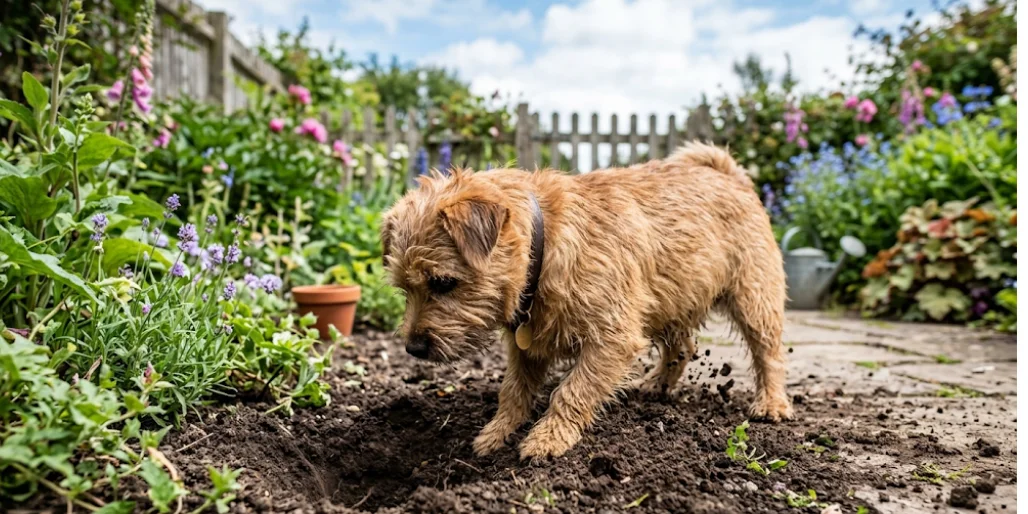
Norfolk Terriers embody many classic terrier personality traits; they are intelligent, independent, and notoriously tenacious. Despite their small size, they possess a fearless attitude and a keen hunting instinct, a remnant of their working terrier heritage. They love to explore and dig.
Socialization Needs
Early socialization is crucial for Norfolk Terriers to ensure they grow into well-adjusted adults. Exposing Norfolk Terrier puppies to various sights, sounds, people, and other friendly dogs helps them develop confidence and good manners. This foundation prevents potential shyness or aggression.
Interaction with Families and Other Pets
Norfolk Terriers generally interact well with families and can be wonderful companions for children who understand how to treat small dogs respectfully. With proper introductions and supervision, they can often coexist peacefully with other pets, though their terrier instincts might make them chase smaller animals.
Health and Lifespan of Norfolk Terriers
Norfolk Terriers are generally a healthy breed, but like all small dogs, they can be prone to certain genetic conditions. Regular veterinary check-ups are essential for maintaining their well-being and catching any potential issues early.
Common Health Issues
While generally robust, Norfolk Terriers can be susceptible to a few health concerns. Patellar luxation, a common issue in many small breeds where the kneecap slips out of place, is one such condition. Eye problems and certain heart conditions can also affect this terrier breed, emphasizing the importance of choosing a reputable breeder.
Norfolk Terrier Lifespan
Norfolk Terriers typically enjoy a good lifespan, often living between 12 and 15 years, a testament to the overall soundness of this breed. Their longevity is often attributed to their sturdy build and active lifestyle, provided they receive proper care, nutrition, and regular exercise.
Regular Health Check-Ups
Regular health check-ups with a trusted veterinarian are crucial for your Norfolk Terrier. These visits help monitor their overall health, detect any emerging issues like patellar luxation or dental problems, and ensure they are up-to-date on vaccinations and preventative care.
Grooming Requirements for Norfolk Terriers
Grooming a Norfolk Terrier is a relatively straightforward process, primarily focused on maintaining their distinctive wiry coat. Regular care helps keep them looking their best and feeling comfortable, enhancing the health of this little dog.
Grooming Tools and Techniques
To groom your Norfolk Terrier effectively, you’ll need a few essential tools: a slicker brush, a comb, and a stripping knife or stone for hand-stripping their wiry coat. Hand-stripping is a key technique to maintain the coat’s texture and color, rather than clipping, which softens it.
Norfolk Terrier Coat Care
The Norfolk Terrier’s coat is their crowning glory, and proper care is vital. Their wiry, weather-resistant coat needs regular hand-stripping about every 4-6 months to remove dead hair and maintain its texture and a neat topline. This process is essential for the breed standard of this small dog.
Bathing and Maintenance Routine
Bathing a Norfolk Terrier should only be done as needed, as frequent bathing can soften their wiry coat. Between baths, regular brushing helps remove loose dirt and keeps their coat in good condition. Don’t forget nail trims and ear cleaning as part of their routine maintenance.
Exercise and Activity Needs
Daily Exercise Requirements
Norfolk Terriers, despite being one of the smallest terriers, possess a surprising amount of energy and require regular daily exercise to stay happy and healthy. A good 30 to 60 minutes of activity, split into a couple of walks or play sessions, is typically sufficient for this little dog. These small dogs thrive on routine and enjoy having a consistent outlet for their lively terrier personality.
Recommended Activities
For Norfolk Terriers, engaging in a variety of activities is key to fulfilling their exercise needs and preventing boredom. Leash walks, playing fetch in a secure yard, or even participating in dog sports like agility or earthdog trials can provide excellent physical and mental stimulation. Their natural instincts as working terriers mean they love to explore and “hunt” for toys.
Importance of Mental Stimulation
Beyond physical exercise, mental stimulation is equally important for Norfolk Terriers to prevent destructive behaviors and keep their intelligent minds engaged. Puzzle toys, training sessions that teach new commands, and even short scent games can be incredibly beneficial. A bored Norfolk Terrier might become a mischievous one, so keeping their minds active is crucial for the soundness of this breed.
Choosing a Norfolk Terrier Breeder
What to Look for in a Breeder
When choosing a Norfolk Terrier breeder, prioritize those who demonstrate a deep commitment to the health and temperament of their dogs. A reputable breeder will be transparent about health clearances for genetic conditions like patellar luxation, provide a clean and stimulating environment for their Norfolk Terrier puppies, and be willing to answer all your questions thoroughly. They should also be a member of a recognized kennel club.
Questions to Ask
Asking the right questions is vital when seeking a Norfolk Terrier. Inquire about the health testing performed on the parents, their temperament, the socialization practices for the Norfolk Terrier puppies, and their experience with the Norfolk Terrier dog breed. A good breeder will welcome your questions and provide detailed information about their breeding program and the Norfolk Terrier’s lineage.
Finding Reputable Norfolk Terrier Clubs
To find reputable breeders, look to organizations like the Norfolk Terrier Club or the AKC, as these clubs often uphold stringent ethical breeding guidelines and promote responsible dog ownership. These clubs can provide lists of breeders who adhere to the breed standard and are dedicated to improving the health and welfare of the Norfolk Terrier breed.
Similar Breeds to the Norfolk Terrier
Comparison with Norwich Terriers
The Norfolk Terrier and Norwich Terriers are often confused due to their shared history, but the primary distinction lies in their ears: Norfolk Terriers have drop ears, while Norwich Terriers have prick (erect) ears. Both terriers share similar fearless terrier personality traits, compact size, and wiry coats, making them both charming small dogs, but the ear set is the defining breed standard difference.
Other Similar Terrier Breeds
If you’re drawn to the Norfolk Terrier, you might also appreciate other working terriers like the Cairn Terrier, West Highland White Terrier, or even a Fox Terrier. These small breeds share the spirited, independent, and affectionate nature characteristic of terriers, offering similar companionship qualities while each having their own unique traits and grooming needs, such as a grizzle or wheaten coat.
Choosing the Right Breed for You
Choosing the right dog breed, whether a Norfolk Terrier or another small dog, involves considering your lifestyle, living situation, and what you seek in a companion. Researching temperament, exercise needs, and grooming requirements, like the hand-stripping of a wiry coat, will help you decide. The Dog A-Z Breeds Guide can be an excellent resource for exploring various options before making your choice. Pawandbreeds is dedicated to helping you find the perfect companion.
FAQ
Q: What makes the Norfolk Terrier dog breed so special compared to other little terriers?
A: Norfolks are one of the smallest working terriers out there, but don’t let their size fool you. This norfolk terrier breed guide will tell you straight up: they’re fearless, compact and strong, with a hardy constitution that lets them keep up with way bigger dogs. They’re also famous for being great with children, which makes them a solid family pick, not just show dogs for the ring.
Q: How’s the norfolk terrier personality in real life, is it true they’re fearless?
A: Yeah, totally true. Norfolk’s are known for being bold and fearless despite being tiny little terriers. They’ve got tons of personality packed into a small body, they’re curious, alert, and always up for digging or chasing something. That fearless attitude is actually part of the breed standard that breeders and judges look for when judging norfolks at shows.
Q: What’s involved in norfolk terrier grooming and is excessive trimming a bad idea?
A: Norfolk terrier grooming is actually pretty manageable if you know what you’re doing. Their coat is hard and wiry on the outer coat, which needs hand-stripping rather than clipping to keep that rugged texture. Excessive trimming with clippers can mess up the outer coat’s texture and color over time, so most breeders recommend hand-stripping instead. Regular brushing keeps things tidy between strip sessions.
Q: Are Norfolks drop-eared or do they have prick ears like some other terriers?
A: This is actually one of the easiest ways to tell them apart from their cousin breed. Norfolk Terriers are drop-eared, meaning their ears fold forward and hang down, while their close relative (the Norwich Terrier) has prick ears that stand straight up. Both breeds look super similar otherwise, so the ears are a dead giveaway when you’re trying to figure out which is which.
Q: What should I know about norfolk terrier health before getting one?
A: Norfolk terrier health is generally solid thanks to that hardy constitution we mentioned, but there are a few things to watch. Mitral valve disease can show up as dogs age, and arthritis may develop in older Norfolks too, especially if there’s an issue with hindquarter structure or the stifle and hock joints. Regular vet checkups and keeping them at a healthy weight go a long way for the overall welfare of the dog.
Q: What’s the average norfolk terrier lifespan?
A: You’re looking at around 12 to 16 years for norfolk terrier lifespan, which is pretty solid for a purebred dog breed. Good genetics, proper nutrition, and regular vet care all play a part in helping them reach the higher end of that range.
Q: What are the exercise needs like for this dog breed, are they low-maintenance?
A: Don’t get it twisted, small size doesn’t mean low exercise needs. Norfolks have real terrier needs when it comes to activity, they love walks, playtime, and mental stimulation since they’re smart and can get bored easily. A couple of good walks plus some playtime daily should keep them happy and out of trouble.
Q: What does a proper kennel setup look like for a Norfolk Terrier?
A: A good kennel or home setup should have secure fencing since these little terriers love to dig and explore, they’re diggers by nature. If you’re looking into a kennel that breeds norfolks, check that the american kennel club recognizes them and ask about health testing. A responsible kennel should always prioritize the welfare of the dog over just producing show dogs.
Q: What physical traits do breeders and judges look for, like good rear angulation and coat color?
A: When it comes to conformation, breeders and judges pay close attention to good rear angulation, proper hindquarter structure, and the neck and shoulders being well proportioned to the compact and strong body. Coat colors typically come in shades of red, wheaten, black and tan, or grizzle. The american kennel club standard is pretty detailed about all this stuff if you want the full breakdown.
Q: Are Norfolk Terriers similar to other breeds, and could I get confused shopping around?
A: For sure, there’s overlap with similar breeds like the Norwich Terrier and other small terriers. As mentioned, ear shape is the big tell (drop vs prick ears). Beyond that, Norfolk’s tend to have that same fearless, scrappy attitude you see across most terrier breeds, so if you’re comparing them to other little terriers, look closely at body shape, coat, and ears before deciding which one fits your lifestyle.