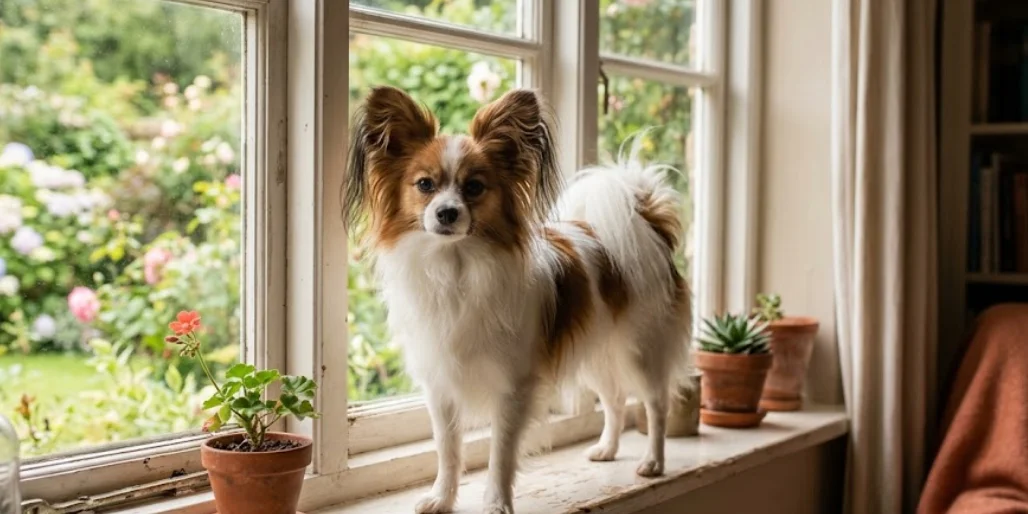
The Papillon, with its distinctive butterfly-like ears, is a small dog breed that captivates many with its elegant appearance and lively personality. This guide offers a comprehensive look into caring for this delightful toy breed, covering everything from its rich history to essential health considerations, ensuring your Papillon lives a happy and healthy life.
Overview of the Papillon Breed
The Papillon is a charming toy breed known for its distinctive butterfly ears, a trait that gives this small dog its name, as “papillon” is the French word for butterfly. These dainty, fine-boned dogs are not just pretty faces; they are intelligent, active companions with a lot of personality packed into their small size. They are a healthy breed, but like all purebreds, they have specific care needs.
History and Origin of the Papillon
The Papillon dog breed boasts a rich history dating back to the 16th century, originating in Europe as a beloved companion to nobility. Initially, these small dogs often had drop ears and were known as Phalenes, but over time, the distinctive upright, fringed ears resembling a butterfly became more prominent. This elegant toy breed quickly became a favorite among royal courts, influencing its spread.
Physical Characteristics
The Papillon is a small dog breed, typically weighing between 5 to 10 pounds, known for its dainty and fine-boned structure. Their most striking feature is undoubtedly their large, erect ears with long, silky fringes that resemble a butterfly, hence their name, which means “butterfly” in French. Their coat is long, silky, and flowing, often found in various colors like white and sable.
Temperament of Papillons
Papillons are renowned for their lively and friendly temperament, making them wonderful companions. Despite their small size, these little dogs possess a big personality, often displaying a confident and outgoing nature. They are highly intelligent, eager to please, and thrive on mental stimulation, excelling in obedience and agility training. They bond closely with their dog owners.
Grooming Your Papillon
Grooming a Papillon is a crucial aspect of their care, especially given their beautiful, silky coats. Regular grooming not only keeps them looking their best but also contributes significantly to their overall health. Despite their long hair, Papillons are generally considered a relatively easy breed to groom, provided you establish a consistent routine from a young age.
Grooming Needs and Frequency
The Papillon breed, with its flowing, single coat, requires regular grooming to prevent mats and keep its fur healthy and shiny. Brushing several times a week, ideally daily, is essential to remove loose hair and prevent tangles. While they don’t have an undercoat, regular attention to the beautiful fringe on their ears and tail is necessary to maintain their elegant appearance.
Tools for Grooming a Papillon
To effectively groom your Papillon dog, you’ll need a few essential tools:
- A slicker brush is excellent for detangling and removing loose hair, while a metal comb helps to work through any smaller knots, especially around the ears and tail.
- Nail clippers or a grinder are necessary for regular nail trims.
- A good quality dog shampoo and conditioner are vital for their baths.
Common Grooming Mistakes
When grooming Papillons, there are a few common mistakes to avoid:
- Neglecting regular brushing can quickly lead to painful mats in their fine, silky coat, especially behind the ears and on their hind legs.
- Over-bathing can strip their skin of natural oils, leading to dryness and irritation. Additionally, using human products instead of dog-specific shampoos is also a mistake.
Health Considerations for Papillons
Common Health Issues
While the Papillon is generally a healthy breed, they can be prone to certain genetic health issues, common in many small breeds. Papillon owners should be aware of the following conditions:
| Condition | Description |
| Patellar Luxation | Kneecap slips out of place |
| Progressive Retinal Atrophy (PRA) | Can lead to blindness |
Responsible breeders often conduct health testing for these conditions to ensure the health of their Papillon puppies.
Importance of Regular Vet Check-ups
Regular veterinary check-ups are absolutely crucial for your Papillon’s long-term health. These visits allow your veterinarian to monitor your small dog’s overall well-being, catch potential health issues like patellar luxation or periodontal disease early, and keep their vaccinations up to date. Early detection and intervention can make a significant difference in managing any breed-specific concerns, ensuring your little butterfly dog stays happy and healthy.
Pet Insurance for Your Papillon
Considering pet insurance for your Papillon can be a really smart move. Given that even healthy breeds can encounter unexpected illnesses or injuries, having pet insurance can help cover the costs of veterinary care, from routine check-ups to more serious conditions like progressive retinal atrophy. It provides peace of mind, allowing you to focus on getting your beloved Papillon the best possible care without worrying about the financial burden.
Training Your Papillon
Easy to Train: Tips and Techniques
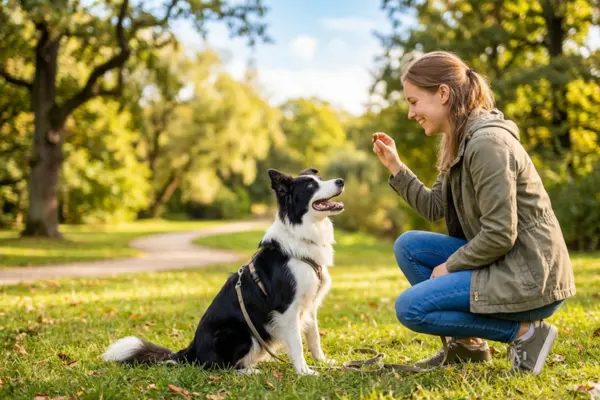
Papillons are incredibly intelligent and eager to please, making them one of the easiest small dog breeds to train. They respond wonderfully to positive reinforcement methods, like treats and praise, and excel in obedience training. Short, engaging sessions keep their attention, and early socialization will help them grow into well-adjusted companions. Their keen minds thrive on mental stimulation, so make training fun!
Socialization Needs
Socialization is a key aspect of raising a well-behaved Papillon puppy. Exposing your little dog to various sights, sounds, people, and other friendly dogs from a young age helps them develop into confident and well-adjusted adults. A properly socialized Papillon is less likely to be timid or overly yappy, ensuring they are a joy to be around in any situation.
Behavioral Traits to Address
Despite their charming temperament, Papillons can develop certain behavioral traits if not properly managed. Their high intelligence means they can become bored without enough mental stimulation and exercise, potentially leading to excessive barking or mischievous behavior. Consistent training, early socialization, and engaging activities like agility or other dog sports can help channel their energy positively and address any unwanted habits effectively.
Living with a Papillon
Ideal Home Environment
Papillons, despite being a toy breed, are adaptable little dogs that can thrive in various home environments, from apartments to houses with yards. What truly matters is providing them with a secure and stimulating space. Given their small size and delicate nature, a safe indoor environment is paramount, protecting them from potential outdoor hazards. A cozy bed and designated play area contribute to their overall well-being.
Exercise Requirements
Despite their dainty appearance, Papillons are an energetic dog breed with significant exercise requirements. Daily walks and opportunities for off-leash play in a securely fenced area are crucial for their physical and mental stimulation. They excel in dog sports like agility, which helps channel their boundless energy and intelligence, preventing boredom and potential behavioral issues. Regular exercise contributes to a healthy breed.
Integrating with Family and Other Pets
Papillons generally integrate well into families and can coexist peacefully with other pets, especially if properly socialized from a young age. Their friendly and outgoing temperament makes them delightful companions. However, due to their small size, supervision is important when they interact with larger dogs or very young children to prevent accidental injury to these fine-boned little dogs.
Conclusion and Resources
Final Thoughts on the Papillon Breed
The Papillon is a remarkable dog breed, offering a delightful blend of elegance, intelligence, and a lively temperament. Their distinctive butterfly ears and spirited personality make them truly unique. With proper care, including consistent grooming, regular veterinary check-ups, and ample mental stimulation, a Papillon can be a loyal and loving companion for many years, enriching the lives of their dog owners.
Additional Resources: Dog A-Z Breeds Guide
For those eager to delve deeper into the world of canine companions, comprehensive resources are readily available. Exploring a breed guide can offer invaluable insights into various dog breeds, helping prospective owners make informed decisions. Such guides often provide detailed information on temperament, care, and health considerations, ensuring you find the perfect furry friend to complement your lifestyle and home environment.
Pawandbreeds: Your Go-To Source for Dog Care
When it comes to comprehensive and reliable information on dog care, Pawandbreeds stands out as a premier resource. From detailed breed guides to expert advice on training, health, and nutrition, Pawandbreeds is dedicated to helping dog owners provide the best possible life for their beloved companions. It’s your ultimate guide for all things canine.
FAQ
Q: What exactly is a Papillon dog breed and why is it called that?
A: So the Papillon is this super elegant toy dog that basically looks like it stepped out of a painting from the royal courts of Europe (because it kinda did!). The name literally means “butterfly” in French, and that’s all thanks to those big fringed ears that spread out like the wings of a butterfly. There’s also a variation called the phalene, which has drop ears instead of the upright butterfly ears, but they’re technically the same breed, just different ear styles.
Q: Are Papillons considered a dainty breed or can they actually handle rough play?
A: They definitely look dainty, and honestly, they kind of are. These little guys are toy dogs after all, so you can’t expect them to wrestle like a Labrador. That said, don’t let the delicate looks fool you completely, Papillons have a surprisingly bold and energetic personality packed into that tiny body. Still, because of their small size, they’re not the best match for super rough handling, especially with little kids who don’t know their own strength yet.
Q: Does this breed really require a lot of grooming?
A: Yeah, this is one thing people underestimate. Despite being small, Papillons do need a lot of grooming to keep that gorgeous silky coat looking nice and tangle-free. The good news is their coat doesn’t mat easily like some other breeds, so regular brushing a couple times a week usually does the trick. Pay extra attention to those famous ears and the feathering on their legs and tail since that’s where debris likes to hide.
Q: What should I know about breed health and common health concerns?
A: Overall breed health for the Papillon is pretty solid compared to a lot of other toy dog breeds, but there are still some health concerns worth knowing about. Things like patellar luxation (kneecap issues), progressive retinal atrophy, and some dental care problems are more common in this breed’s genetics. A responsible papillon breeder should be testing for these issues before breeding, so always ask for health clearances.
Q: How do I find reputable breeders and what does the Papillon Club of America do?
A: The Papillon Club of America is basically the official breed club here in the US, and they’re a fantastic resource if you want a proper guide to the Papillon. They connect you with reputable breeder listings, host events, and educate people about the breed standard. Any legit kennel or kennel club affiliated breeder should be a member of groups like this, and true papillon fanciers are usually happy to answer tons of questions about their dogs’ lineage and health testing.
Q: What are the breed’s exercise and mental stimulation needs?
A: Don’t be fooled by the toy dog label, this breed is actually pretty smart and energetic! They need daily exercise and mental stimulation to stay happy, think short walks, puzzle toys, and even agility training since Papillons are surprisingly good at dog sports. Without enough stimulation, they can get a bit yappy or destructive out of boredom, so keep that brain busy.
Q: How much dental care and how many small meals does a Papillon need daily?
A: Dental care is honestly a big deal for this breed since small breeds are prone to dental issues. Daily brushing plus dental chews can make a huge difference in preventing plaque buildup and bad breath. As for feeding, most Papillons do better with two to three small meals a day rather than one big meal, it helps with their metabolism and keeps their energy steady throughout the day.
Q: Do Papillons make good companions for families?
A: Absolutely, they can be wonderful companions for families, especially ones with older kids who understand how to handle a small, delicate dog gently. They’re affectionate, loyal, and honestly kind of clingy in the best way, they love being near their humans. Just remember, because of their toy dog size, homes with very young or rough kids might want to supervise playtime closely.
Q: What’s the difference between the breed standard for regular Papillons versus the phalene variety?
A: The official breed standard set by kennel clubs treats both ear types as part of the same breed, so structurally and health-wise they’re identical. The only real difference is cosmetic, upright “butterfly” ears versus the phalene’s dropped ears. Some papillon breeders specialize in one type over the other, but honestly, both are equally lovely and follow the same care guidelines.