Pugs are charming companions known for their distinctive looks and even more distinctive personalities. This breed guide will help you understand what makes these delightful small dogs so special, from their unique care requirements to their lovable temperament.
Pug Breed Overview
Characteristics of the Pug Dog
The pug dog is a charming toy breed, renowned for its distinctive appearance and even more unique personality. These small dogs pack a lot of character into their compact frame, often described as “multum in parvo” or “a lot in a little.” Their short muzzle and flat faces mean they are a brachycephalic breed, which comes with specific care considerations that every pug owner should understand to ensure their pug pup lives a happy, healthy life.
History of the Pug Breed
The history of this delightful small dog breed is rich and ancient, tracing back to China where pugs were beloved companions of Chinese Emperors. These regal pups were highly valued and often lived in luxury, guarded by soldiers. Over centuries, the breed made its way to Europe, captivating royalty and commoners alike with its affectionate temperament and mischievous personality, firmly establishing its place as a cherished companion dog breed.
Identifying a Pug Dog
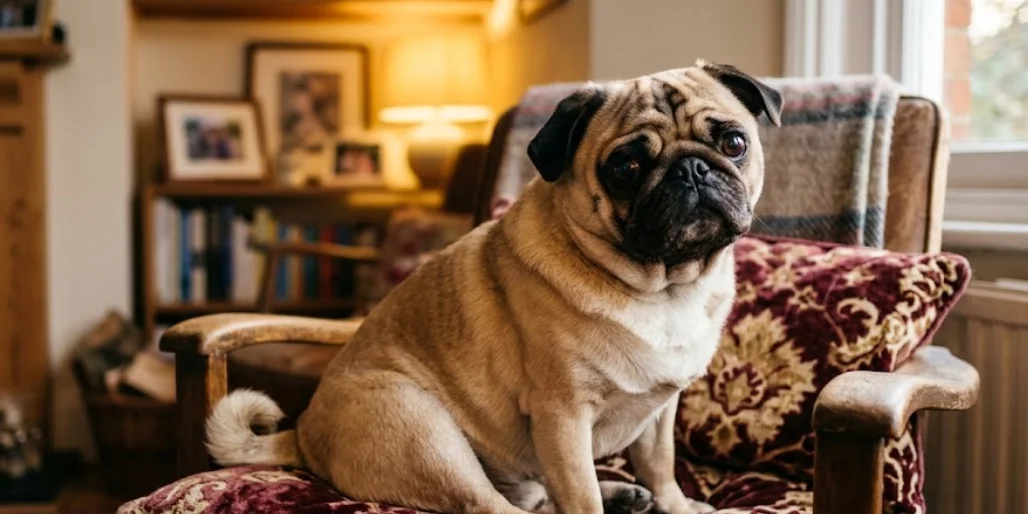
Identifying a pug is quite simple due to their unmistakable features. They possess a compact, muscular body, a short muzzle, and a charmingly wrinkled face. Their eyes are typically large and dark, conveying a perpetual look of curiosity. Common colors for this small dog breed include fawn and apricot, often with a black mask, but silver and black pugs are also recognized, all featuring a distinctive double coat that pugs shed quite a bit.
Pug Temperament and Personality
Pug Personality Traits
The pug personality is truly one-of-a-kind; they are incredibly affectionate and thrive on companionship, making them wonderful pets for families and individuals alike. Known for their mischievous yet charming demeanor, these small dogs are often described as “clowns” due to their playful antics. They are devoted companions who crave human interaction, showcasing a deeply loyal temperament that endears them to all who meet them.
Socialization Needs of Pugs
Pugs are highly sociable creatures who truly flourish with early and consistent socialization. Exposing your pug pup to various people, places, and other friendly dogs from a young age is crucial for developing a well-adjusted adult dog. This helps to cultivate their naturally amiable temperament, ensuring they remain confident and friendly. Without proper socialization, a pug might develop separation anxiety, given their strong desire for companionship.
Interacting with Children and Other Pets
Pugs generally get along splendidly with children and other pets, thanks to their adaptable and good-natured temperament. Their sturdy build, despite their small size, allows them to tolerate playful interactions. However, supervision is always key, especially with very young children, to ensure gentle handling of this small dog breed. Early introductions and positive reinforcement help foster harmonious relationships within a multi-pet household.
Caring for Your Pug
Grooming Requirements for Pugs
Pugs, with their adorable wrinkles and double coat, require specific grooming to keep them healthy and happy. Regular brushing helps manage the shedding, which pugs do quite a bit of despite their short hair. Special attention should be paid to their skin folds; these wrinkles need to be cleaned regularly with a damp cloth to prevent skin irritations and infections. Neglecting these areas can lead to discomfort for your pug pup.
Health Conditions Common in Pugs
Due to their brachycephalic nature, pugs are prone to certain health conditions. Brachycephalic Obstructive Airway Syndrome (BOAS) is a common concern, making them sensitive to hot weather and causing them to snore. Other potential issues include joint problems and eye conditions. Regular check-ups with your local vet are crucial for early detection and management of these health conditions, ensuring your pug dog lives a long, healthy life.
General Care Requirements
General care for your pug involves providing a balanced diet suitable for a small dog breed, regular, moderate exercise, and plenty of companionship. Their affectionate temperament means they thrive on human interaction and can suffer from separation anxiety if left alone for too long. Pug ownership is a commitment to their well-being, which includes protecting them from extreme temperatures due to their flat faces.
Training a Pug Dog
Basic Training Techniques
Training a pug can be a rewarding experience due to their intelligence and desire to please, though their mischievous side can sometimes make them a bit stubborn. Basic obedience training should begin early, focusing on positive reinforcement to encourage good behavior. Keep training sessions short and fun to maintain your pug’s attention and prevent them from getting bored. Consistency is key for any pug pup learning new commands.
Housebreaking a Pug
Housebreaking a pug, like any small dog breed, requires patience and consistency. Establishing a regular potty schedule, taking your pug pup outside frequently, especially after waking up and eating, is essential. Positive reinforcement, such as praise and small treats, works wonders when they eliminate in the correct spot. Accidents will happen, but consistent training helps your adult dog understand where they should go.
Benefits of Obedience Training
Obedience training offers numerous benefits for both the pug dog and their owner. A well-trained pug is a happier, more confident pet, less prone to behavioral issues like separation anxiety. It strengthens the bond between pet parents and their pug pup, creating a more harmonious household. It also ensures your pug is a well-adjusted and sociable companion, making outings and interactions with others more enjoyable for everyone involved.
Pug Breed Comparisons
Similar Breeds to the Pug
If you’re captivated by the pug breed, you might also appreciate other small dog breeds that share similar characteristics. Breeds like the French Bulldog, Shih Tzu, and Boston Terrier also fall into the brachycephalic category, meaning they share the pug’s distinctive flat faces and often require similar care regarding respiratory health. These breeds often possess a similarly affectionate temperament, making them wonderful companion dogs, much like the pug.
Pug vs. Other Toy Breeds
When comparing the pug to other toy breeds, several differences and similarities become apparent. While many toy breeds are known for being delicate, the pug possesses a surprisingly sturdy build for its small size, despite still being a toy breed. Other toy breeds, such as the Chihuahua or Yorkshire Terrier, might be more energetic or vocal, whereas the pug breed is often content with moderate exercise and enjoys a more relaxed pace of life, always craving companionship.
Choosing the Right Dog Breed for You
Choosing the right dog breed is a significant decision that depends on your lifestyle and preferences. If you’re looking for a devoted companion dog with a unique personality and don’t mind a bit of snoring, a pug might be perfect for you. Consider factors like grooming needs, potential health conditions, and the temperament of the dog breed. Ensure you’re prepared for the specific care requirements of a brachycephalic dog if you choose a pug.
Pug Health and Well-being
Common Health Conditions in Pugs
Pugs, while generally robust, are unfortunately predisposed to several health conditions primarily due to their brachycephalic nature. Brachycephalic Obstructive Airway Syndrome (BOAS) is a significant concern, leading to breathing difficulties, especially in hot weather or during strenuous exercise. Other common issues include eye conditions, skin fold dermatitis from their charming wrinkles, and joint problems. Regular vet check-ups are essential for managing these potential health issues.
Preventative Health Care for Pugs
Preventative health care is crucial for ensuring your pug lives a long and happy life. This involves a consistent schedule of vaccinations and parasite control, regular dental hygiene, and keeping an eye on their weight to prevent obesity, which can exacerbate joint problems. Daily cleaning of their skin folds with a damp cloth is vital to prevent infections. Consulting with your local vet for routine check-ups helps catch any potential health conditions early.
Nutrition Tips for a Healthy Pug
Proper nutrition plays a fundamental role in the overall health and well-being of your pug. A high-quality dog food formulated for small dog breeds is recommended. It’s important to monitor their food intake closely, as pugs are prone to gaining weight, which can worsen their brachycephalic issues and lead to joint problems. Providing appropriate portion sizes and healthy treats will help maintain their ideal weight and support a healthy double coat.
Where Pawandbreeds Fits Into Pug Ownership
A pug’s needs don’t stop at grooming and vet visits — questions come up at every stage, from picking a puppy to navigating their senior years. Pawandbreeds’ Dog A-Z Breeds Guide is built to answer those as they arise, with side-by-side looks at how the pug stacks up against other brachycephalic companions like the French Bulldog or Boston Terrier. If you’re torn between breeds or just want a second opinion before bringing a pug pup home, that’s exactly what the guide is there for.
FAQ
Q: What’s the deal with the pug dog breed guide anyway, why do I need one?
A: Honestly, a good breed guide saves you a ton of headaches. Pugs might look simple with those round eyes and squishy faces, but they’ve got specific needs when it comes to health, grooming, and temperament. If you’re thinking about bringing home a pup, knowing the breed standard and what makes this breed tick helps you avoid surprises down the road.
Q: Where did the pug dog breed actually come from?
A: Pugs originated in China, believe it or not, way back in ancient times. They were bred as companion pets for royalty and nobility, which explains why they’re so obsessed with being close to their humans today. They eventually made their way to Europe and became one of the popular breeds among families everywhere.
Q: Are pugs good family pets or is that just a myth?
A: Nope, not a myth at all! Pugs make fantastic family pets thanks to their goofy, affectionate personality. They love attention, they’re great with kids, and they genuinely want to be part of everything you’re doing. That said, they do have a bit of a stubborn streak, so puppy training might take some patience.
Q: I keep hearing pugs are prone to obesity. Is that true?
A: Yep, unfortunately pugs are prone to obesity, and it’s one of the biggest health concerns for this breed. They love food a little too much and don’t always know when to stop. Keeping portion sizes in check and making sure they get regular exercise is key to keeping them fit and healthy throughout their life.
Q: How do I keep my pug happy and healthy day to day?
A: Focus on the basics: good food, regular vet checkups, and daily walks that won’t overheat them. Pugs really struggle in hot or humid weather because of their flat faces, so keep exercise light during summer. Also, since they can get anxious when left alone for long periods, try not to leave them isolated too often.
Q: What’s the grooming routine like for pug puppies and adult pugs?
A: Grooming is actually pretty manageable compared to other breeds. A brush or grooming mitt once or twice a week handles their shedding fur just fine. The one thing you can’t skip is cleaning their facial wrinkles daily since gunk and moisture can build up there and cause irritation. Just wipe those folds daily with a damp cloth and you’re good.
Q: Is the pug dog breed a good fit for apartment or city living?
A: Absolutely, pugs are an excellent choice for city dwellers or apartment living. They don’t need a huge yard to run around in, and their exercise needs are pretty moderate. They’re happiest just hanging out with their people, which makes small spaces totally workable for this breed.
Q: What should new dog owners know before getting a pug puppy?
A: New dog owners should know that pugs need consistent puppy training early on since they can be a bit hard-headed. Also budget for regular vet visits since breathing issues and weight management are ongoing concerns for their health and wellbeing. Otherwise, they’re a low-maintenance, high-love kind of breed.
Q: Do pugs have any specific health and wellbeing issues I should watch for?
A: Yes, because of their flat-faced structure, pugs can have breathing difficulties, eye issues related to those big round eyes, and skin problems in their wrinkles if not cleaned properly. Regular checkups plus keeping them fit and healthy through diet and exercise go a long way in preventing bigger problems later.
Q: Why are pugs considered one of the more popular breeds worldwide?
A: It really comes down to personality. Pugs are funny, affectionate, and low-key compared to more high-energy breeds. Combine that with their compact size and adaptability to different living situations, and it’s easy to see why the pug dog breed has such a loyal fanbase across the globe.