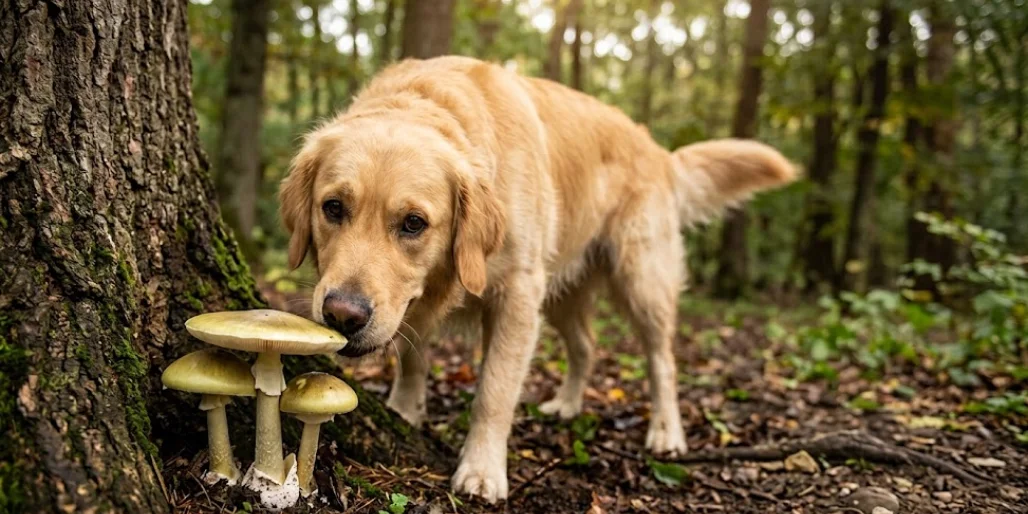
It’s a common worry for pet owners: “My dog ate mushrooms!” This guide will help you understand the risks involved when dogs eat mushrooms, what to do if you suspect your dog has ingested a toxic variety, and how to differentiate between safe and dangerous fungi.
Mushroom Toxicity in Dogs
Understanding Mushroom Toxicity
Mushroom toxicity in dogs is a serious concern, as certain types of mushrooms can be incredibly dangerous, even fatal. When a dog eats mushrooms, especially wild ones, it’s crucial to act quickly. Not all mushrooms are toxic to dogs, but identifying the safe mushrooms for dogs versus the poisonous mushroom varieties can be challenging, even for experts, making caution paramount for pet owners.
Types of Toxic Mushrooms
When considering “can dogs eat mushrooms,” it’s vital to recognize that mushrooms growing in your yard might be poisonous. Many types of wild mushrooms are toxic to dogs, ranging from those causing mild gastrointestinal upset to those leading to severe liver failure or neurological issues. Unfortunately, distinguishing a safe mushroom from a toxic mushroom often requires expert mycological knowledge, so it’s always best to assume wild varieties are unsafe.
Symptoms of Mushroom Poisoning
If you suspect your dog has eaten mushrooms, particularly a wild mushroom, watch for symptoms of mushroom poisoning in dogs. These can vary widely depending on the type of mushroom and the toxins it contains. Common signs include vomiting, diarrhea, lethargy, drooling, abdominal pain, and weakness. More severe symptoms may involve incoordination, tremors, seizures, and jaundice, indicating a veterinary emergency.
What to Do If Your Dog Ate Mushrooms
Immediate Actions to Take
If you suspect your dog ate mushrooms, especially a wild mushroom, the very first step is to try and identify the type of mushroom if possible, but don’t waste too much time on this. Immediately collect a sample of the mushroom, including any remnants your dog may have vomited, as this can be crucial for your veterinarian. Even if you only suspect your dog has eaten mushrooms, it’s better to be safe than sorry and act quickly.
When to Contact a Veterinarian
You should contact a veterinarian immediately if you suspect your dog ate mushrooms, even if they aren’t showing any symptoms yet. Time is of the essence when it comes to mushroom poisoning in dogs. Do not wait for symptoms of mushroom poisoning to appear, as some poisonous mushrooms have delayed effects. A professional can advise you on what to do next, depending on the type of mushroom and your dog’s condition.
Home Treatment vs. Professional Help
When your dog eats mushrooms, home treatment is generally not recommended due to the severe risks of mushroom toxicity in dogs. While you might be tempted to induce vomiting at home, this should only be done under the direct guidance of a veterinarian. It’s always best to seek professional veterinary help. Your vet can provide proper diagnosis and treatment, ensuring your dog receives the best possible care for potential mushroom poisoning.
Safe Mushrooms for Dogs
Identifying Safe Mushrooms
When considering “can dogs eat mushrooms,” it’s important to know that not all mushrooms are toxic to dogs. In fact, some edible mushrooms are perfectly safe for dogs to consume, but identifying them correctly is paramount. The key is to stick to commonly known, culinary varieties that you would confidently eat yourself. Never let your dog eat mushrooms from the wild, as distinguishing a safe mushroom from a poisonous mushroom can be extremely difficult and dangerous without expert knowledge.
Store-Bought Mushrooms vs. Wild Mushrooms
There’s a significant difference between store-bought mushrooms and wild mushrooms when it comes to dog safety. Store-bought mushrooms, such as cremini, button, portobello, and even some exotic varieties like shiitake, are generally safe for dogs to eat in moderation. These are cultivated and verified edible. Conversely, all wild mushroom varieties should be considered poisonous mushroom types and avoided entirely, as the risk of mushroom toxicity in dogs from eating wild mushrooms is incredibly high.
Feeding Mushrooms to Your Dog
If you choose to feed mushrooms to your dog, always ensure they are cooked and plain, without any added seasoning like garlic, onions, or excessive salt, which can be toxic to dogs. Start with small amounts to see how your dog reacts. While mushrooms contain beneficial vitamins and minerals, they should only be offered as an occasional treat. Never let your dog eat mushrooms that are raw or have come from unknown sources, to prevent any risk of mushroom poisoning.
Preventing Mushroom Toxicity
Monitoring Outdoor Activities
To prevent mushroom toxicity in dogs, close monitoring of your dog’s outdoor activities is essential, especially during walks or in your own yard where mushrooms can appear quickly. Many dogs eat wild mushrooms out of curiosity, leading to potential mushroom poisoning. Always keep an eye on what your dog is sniffing or attempting to ingest. If you suspect your dog has eaten mushrooms, particularly a wild mushroom, immediate action is crucial.
Educating Pet Owners
Educating pet owners about the dangers of various types of mushrooms is key to preventing mushroom toxicity. Many people are unaware that common backyard fungi can be highly poisonous. Understanding what’s toxic to dogs and being vigilant about mushrooms growing in areas your dog has access to can save lives. Share information about symptoms of mushroom poisoning and the importance of immediate veterinary care if your dog ate mushrooms.
Understanding What’s Toxic to Dogs
Familiarizing yourself with what’s toxic to dogs, including various types of mushrooms, is a critical part of responsible pet ownership. While it’s nearly impossible for a pet owner to identify every poisonous mushroom, knowing that all wild mushrooms should be treated as dangerous is a good rule of thumb. This awareness extends beyond mushrooms; for other common household and garden dangers, consult resources like “Vegetables Dogs Can and Can’t Eat” to keep your dog safe from a range of toxic items.
FAQ
Q: My dog ate mushrooms! Are mushrooms safe for dogs?
A: Uh oh! It’s super common for pet parents to worry and ask, “can dogs eat mushrooms?” The short answer is, some mushrooms are safe for dogs, and some are definitely not. Store-bought mushrooms like portobello mushrooms, button, or cremini mushrooms are generally safe for dogs to eat. However, wild mushrooms are a whole different story and can be extremely dangerous. If your dog ate wild mushrooms, it’s best to act quickly!
Q: Which mushrooms are toxic or poisonous to dogs?
A: When it comes to wild mushrooms, consider all of them poisonous to dogs unless you’re an absolute expert in mycology (the study of fungi) – and even then, it’s risky! There are thousands of types of wild mushrooms, and many are poisonous to dogs. Some of the most dangerous mushrooms include Amanita species (like Death Caps and Destroying Angels), Galerina, and Cortinarius. These can cause severe mushroom poisoning in dogs. It’s really hard to tell the difference between safe and toxic mushrooms just by looking, so always err on the side of caution with mushrooms growing in the wild.
Q: What are the symptoms of mushroom poisoning in dogs?
A: The symptoms of mushroom toxicity in dogs can vary widely depending on the type of mushroom ingested and how much your dog ate. Common signs to watch out for include vomiting, diarrhea, lethargy, drooling, abdominal pain, and uncoordinated movements (ataxia). In more severe cases, you might see neurological symptoms like tremors, seizures, disorientation, or even liver failure and death. If you suspect your dog has eaten a wild mushroom and is showing any of these signs, it’s a veterinary emergency!
Q: My dog ate wild mushrooms, what should I do immediately?
A: If your dog ate wild mushrooms, don’t panic, but act fast! The very first thing to do is contact your veterinarian or an animal poison control center immediately. Time is critical when dealing with potential mushroom poisoning in dogs. If possible, try to collect a sample of the mushrooms your dog ate. Put it in a paper bag (not plastic, as it can degrade the mushroom) – this can help with identification and guide treatment options for mushroom toxicity. Do not try to make your dog vomit unless specifically instructed by a vet, as it can sometimes do more harm than good.
Q: Can dogs eat portobello mushrooms or other store-bought varieties?
A: Yes, generally, dogs can eat mushrooms bought from a grocery store, such as portobello mushrooms, button, shiitake, or cremini mushrooms, as long as they are plain and cooked. These mushrooms are safe for dogs and are not considered harmful to dogs. However, avoid feeding them raw, and don’t give them any cooked with butter, oils, garlic, onions, or other seasonings, as these can be toxic or upset your dog’s stomach. A small amount of plain, cooked store-bought mushrooms can even offer some health benefits!
Q: Are there any dogs that might be allergic to mushrooms, even safe ones?
A: While rare, it is possible for a dog to be allergic to mushrooms, just like they can be allergic to other foods. Even if mushrooms are generally safe for dogs, some individual dogs might have an adverse reaction. Symptoms of an allergic reaction could include itching, hives, swelling (especially of the face), vomiting, or diarrhea. If you’re introducing mushrooms to dogs for the first time, offer a very small amount and observe them closely for any unusual symptoms.
Q: What kind of treatment options for mushroom poisoning in dogs are there?
A: Treatment options for mushroom poisoning in dogs depend heavily on the type of mushroom ingested, the amount, and how quickly your dog receives veterinary care. If caught early, your vet might induce vomiting or administer activated charcoal to absorb toxins. For more severe cases, your dog might need intravenous fluids, medications to protect the liver, anti-nausea drugs, or other supportive care at a veterinary hospital. Regular monitoring of organ function through blood tests will also be crucial. The key is early intervention to give your dog the best chance of recovery.